
Hi, I am Disha. I am 45 years old and have been exploring India extensively since the age of 20. With over two decades of travel experience across diverse regions of the country, I have personally visited and studied numerous spiritual destinations. This blog is written entirely from my first-hand travel experience, focusing on the Shiva temples in Uttarakhand, their spiritual significance, mythology, and practical travel insights, to help devotees and travellers plan a meaningful and well-informed journey.
About The Uttarakhand Shiva Temple
Uttarakhand, also known as Devbhoomi (the land of the gods), is home to numerous Shiva temples, including the Panch Kedar and other shrines that are part of Uttarakhand’s Shaiv Circuits.
All the Shiva temple in Uttarakhand hold immense spiritual importance, are associated with great legends, and are known for their stunning natural beauty, set amid the snow-capped Himalayan peaks, lush forests and deep river valleys.
Gateways to the Uttarakhand Shiv Temple, famous for spiritual fulfilment and inner peace. Here is a detailed guide on some famous Shiva Temple Uttarakhand, along with their significance, accessibility, highlights, best time to visit, and travel tips.
Uttarakhand is deeply associated with Lord Shiva, and Kedarnath is considered one of the most powerful Jyotirlingas in this sacred land. Beyond Kedarnath, the state is home to hundreds of ancient Shiva shrines, many of which are lesser-known yet spiritually significant. To understand the vast Shaivite heritage, you can explore the complete 201 Uttarakhand temple name list documented in detail.
Why Is Uttarakhand Known As The Land of Shiva?
Uttarakhand is known as the “land of Shiva” due to the Hindu belief that it is the sacred abode of Lord Shiva. Uttarakhand Shiva Temple is connected with the presence and divine energy of Lord Shiva.
Uttarakhand Region: The Eternal Abode Of Uttarakhand
Uttarakhand sits in the lap of the Himalayas, which is renowned as a Lord Shiva meditation and living spot. Every corner of Uttarakhand, from snow-capped peaks to silent rivers and dense forests, is connected to Lord Shiva's presence, meditation, and divine energy.
Also, Uttarakhand has various ancient temples of Lord Shiva, including Panch Kedar Temples, Jagheshwar Dham, Neelkanth Mahadev temple, etc., which are well-known for their spiritual significance and linked to the Puranas and Mahabharata. It makes Uttarakhand a spiritual gateway for spiritual awakening and inner peace.
Uttarakhand Shiva Temple Name & Location
Here are the most powerful and famous Shiva temple in Uttarakhand, including the Panch Kedar temples and the Shaiv circuits, along with the Uttarakhand Shiva Temple photos and Uttarakhand Shiva Temple location.
Famous Shiva Temples in Uttarakhand
A) Panch Kedar Temples
Panch Kedar is a group of five revered temples of Lord Shiva associated with the legends of the Mahabharata, located in the Garhwal Himalayas of Uttarakhand. Each temple represents a specific part of Lord Shiva’s body.
According to the Mahabharata legend, Lord Shiva transformed into a bull to escape the Pandavas, who atone for their sins of killing their kinsmen in t
he Mahabharata war. Lord Shiva appeared in the form of a bull in five different locations to grant the Pandavas absolution.
The temples are built by Pandavas, where Lord Shiva's body parts appeared, including the hump at Kedarnath, arms at Tungnath, navel at Madhyamaheshwar, face at Rudranath, and hair at Kalpeshwar. Here is a breakdown of each Panch Kedar Temples.
1) Kedarnath Temple
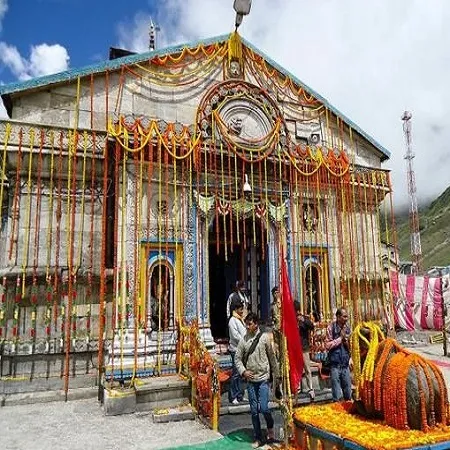
Kedarnath Dham is a revered Shiva temple of Uttarakhand, located in the Rudraprayag district of Uttarakhand, at an altitude of 3,583 meters (11,755 feet) above sea level.
The temple sits on the banks of the Mandakini River, surrounded by snow-capped peaks. It is a key part of the char dham yatra, 12 Jyotirlinga, and the first among the Panch Kedar, where the hump of a bull (Lord Shiva appeared). The temple is accessible for a few months only, from May to October, and becomes inaccessible during the winter, from November to April, due to heavy snow.
Location: Rudraprayag district, Uttarakhand
Altitude: 3,583 meters (11,755 feet)
Distance: 16 km from Gaurikund (Base camp for Kedarnath trek), 250 km from Hardiwar, and 220 km from Rishikesh.
Highlights: Bhairavnath Temple, Rudra Cave, Adi Shankaracharya Samadhi, and towering Himalayan peaks are the main highlights.
Accessibility: accessible by a 16 km trek from Gaurikund.
Time taken: 6-8 hours
Best Time To Visit: May to June and September to October
2) Madhayamaheshwar Temple
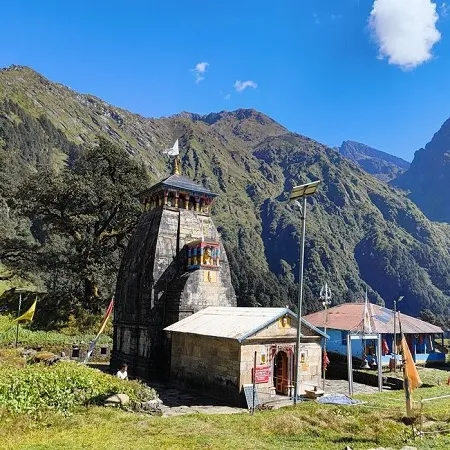
Madhamaheshwar Temple is a sacred Panch Kedar shrine, located in the Garhwal Himalayas of Uttarakhand at an altitude of 11,473 feet above sea level.
It is the second temple that is visited in the Pach Kedar pilgrimage circuits, where Navel (stomach) is worshipped as Shivlinga. It is accessible by an 18 km trek from Ransi Village.
The trek is considered moderately challenging, demands good physical health, and passes via Kedarnath Wildlife Sanctuary, offering panoramic views of Chaukhamba, Neelkanth and Kedar peaks.
Location: Rudrapayag district, Uttarakhand
Altitude: 3,497 meters (11,473 feet)
Distance: 18 km from Ransi Village (base camp), 230 km from Rishikesh and 210 km from Rishikesh
Highlights: rich flora and fauna, a navel-shaped black stone shib linga, and stunning Himalayan beauty.
Accessibility: by an 18 km trek from Ransi village
Time taken: 6-8 hours.
Best Time To Visit: May to June and September to October
3) Tungnath Temple
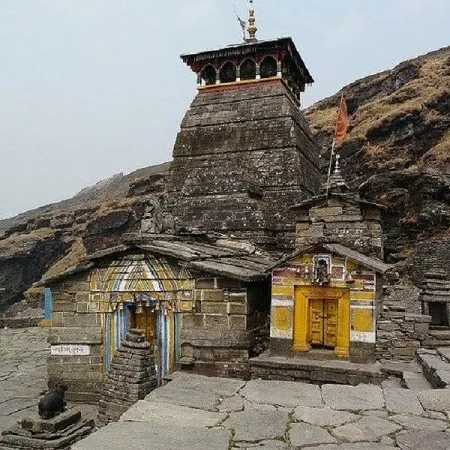
Tungnath Temple is the world’s highest shiva temple in Uttarakhand, situated at an altitude of 3,680 meters above sea level, surrounded by lush bugyal, dense forests, and Himalayan peaks. Located in the Rudraprayag district of Uttarakhand and accessible via a 3 km Chopta trek, leads to Chandrashilla peaks, offering 360-degree views of Mt. Nanda Devi and Bandarpooch peaks.
It is the palace where Lord Shiva's arms appeared, making it the highest among the Panch Kedar. Highlighted by its unique architecture, made in traditional Garhwal architecture, a blend of stone and wood.
Location: Rudraprayag district, Uttarakhand
Altitude: 12,073 feet (3,583 meters)
Distance: 3 km from Chopta, around 228 km from Haridwar, and 210 km from Rishikesh
Highlights: Chopta Tungnath trek and 360-degree panoramic views of Chakhamba and Nanda Devi peaks.
Accessibility: by a 3 km trek from Chopta Bugyal
Time taken: 2-3 hours
Best Time To Visit: May To October. Avoid the monsoon.
4) Rudranath Temple
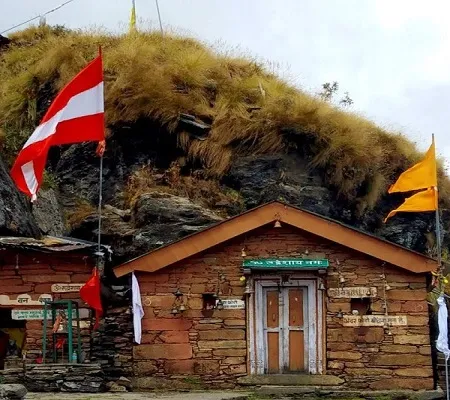
Rudranath Temple is a sacred shrine dedicated to Lord Shiva, located in the Garhwal Himalayas of Uttarakhand at an altitude of 11,800 feet above sea level.
It is the fourth temple in Pach Kedar, where the face (Mukha) of Lord Shiva is worshipped. It is accessible by a 20 km trek from Sagar village, considered the most hazardous trek among all Panch Kedar temples. Highlights via a naturally formed shivalinga (swayambhu) shaped like a human face.
Location: Chamoli District, Uttarakhand
Altitude: 3,600 meters (11,800 feet)
Distance: 20 km from Ransi village, which is about 248 km from Dehradun’s Jolly Grant Airport and 240 km from Rishikesh.
Highlights: sacred Kunds, such as Tara Kund, Saras Kund, and Himalayan scenery.
Accessibility: by a 20 km trek from Ransi Village
Time taken: 10-12 hours
Best Time To Visit: May to June and September to October. Avoid the monsoon.
5) Kalpeshwar Temple
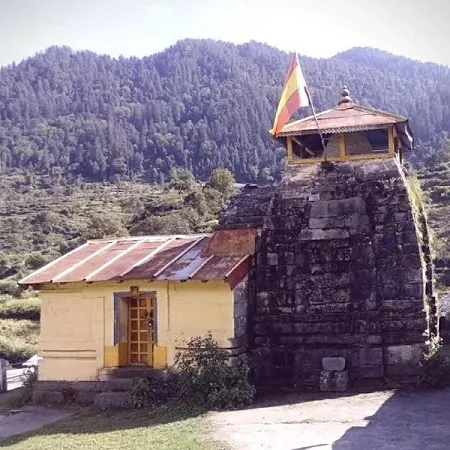
Kalpeshwar Mahadev Temple is located in the Chamoli district of Uttarakhand, in the Urgam Valley. The temple is amidst a sacred cave, situated at an altitude of 2,200 meters above sea level.
It is the fifth and the only temple in Panch Kedar that is accessible all year round. Featured for its unique worship of Lord Shiva's matted hair (Jata).
It is accessible by a 2.5 km short trek from Uragam, suitable for most people.
Location: Chamoli District, Uttarakhand
Altitude: 7,200 feet (2,200 meters)
Distance: 2.5 km from Uramga Valley, 261 km from Dehradun Airport, 251 km from Rishikesh
Highlights: Kalpvriksha (wish-fulfilling tree), picturesque Urgam Valley, and serene Kalpganga River.
Accessibility: 2.5 km shuttle trek from Urgam valley, suitable for most people.
Time taken: 1-2 hours.
Best Time To Visit: open year-round, but April to June and September to November are ideal for safety reasons.
Note: All the Panch Kedar Temples, except Kalpeshwar, are seasonal temples, open for a short time period from April to October, and become inaccessible during the winter due to heavy snow and harsh weather. In the winter period, the idols of the deities are shifted to their winter abodes, which are mentioned below.
B) Jyotirlinga In Uttarakhand
The Kedarnath is a primary Jyotirlinga in Uttarakhand, considered as one of the highest and holiest Jyotirlingas among the 12 Jyotirlingas (sacred abodes where Lord Shiva manifested as a pillar of cosmic energy).
Kedarnath Jyotirlinga's status is rooted in two ancient texts, the Skanda Purana and the Mahabharata.
Legends of Pandavas and Divine Manifestation: - According to the Mahabharata legends, the Pandavas sought forgiveness from lors shiva for their sins of killing kinsmen in the Mahabharata war. But Shiva was not ready to forgive them easily; he took the form of a bull to avoid them and hide himself in the Himalayas.
C) Shiva Circuits In Uttarakhand
The Shiva circuit of Uttarakhand consists of 24 sacred temples of Lord Shiva, which is shortlisted by the Uttarakhand Tourism Department, who provide a themed pilgrimage route to the ancient temples of Lord Shiva, split between the Garhwal and Kumaon Himalayan regions of Uttarakhand.
List of the 24 Shiva circuits in Uttarakhand
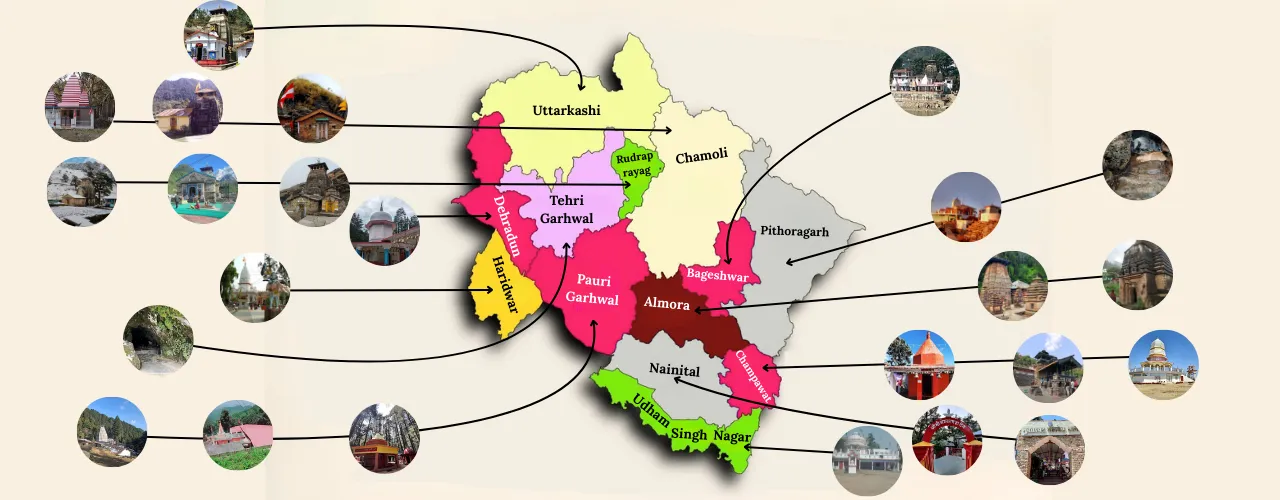
1) Garhwal Region Shaiv Circuits (12 shrines)
a) Panch Kedar Temples
The Panch Kedar temples are core pilgrimage circuits for Shaiva devotees, amid the lap of the Garhwal Himalayas of Uttarakhand. Linked with the legends of the Mahabharata, representing the appearance of Lord Shiva in five different locations.
The Panch Kedar temples are:
Kedarnath: the first and most revered temple among the Panch Kedar, dedicated to Lord Shiva, located in the Garhwal region of Uttarakhand.
Madhyamaheshwar: the second-visited temple in the Panch Kedar circuits, located in the Rudraprayag district of Uttarakhand. It is the place where Lord Shiva’s navel (stomach) is worshipped as Shivlinga.
Tungnath: the third and highest among Panch Kedar temples, located in the Chopta Bugyal. It is the place where Lord Shiva’s arms appeared.
Rudranath: The fourth Kedar, located in the Chamoli district of Uttarakhand, is a place where Lord Shiva Mukha (face) is worshipped in a natural rock form.
Kalpeswar: the fifth and most accessible among the Panch Kedar, where Lord Shiva's matted hair is worshipped.
b) Ekeshwar Mahadev Temple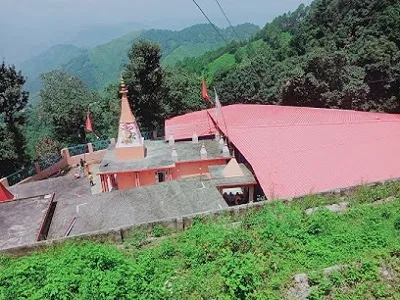
The Ekeshwar Mahadev temple is a revered temple located in the Pauri Garhwal region of Uttarakhand, dedicated to Lord Shiva. It sits at 1820 meters above sea level. It holds great spiritual significance for the self-manifested Shivlinga, amidst by dense oak forests and Himalayan peaks.
Location: Satpuli town of Pauri Garwal district, Uttarakhand
Altitude: 5,970 feet (1,820 meters)
Highlights: the main sanctum of the temple and the surrounding scenery.
How to reach: By a short motorable drive from Satpuli town, which is accessible by air, train and road.
Best time to visit: Remain open all year round, but April to June and September to October are best for safety reasons.
c) Koteshwar Mahadev Temple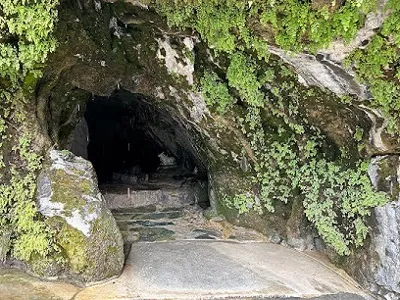
Koteshwar Mahadev Temple is an ancient temple of Lord Shiva, nestled in a revered cave in the Rudraprayag district of Uttarakhand. The temple sits on the banks of the Alaknanda River at an altitude of 880 meters. It is a significant site, believed to be the place where Lord Shiva mediated on his way to Kedarnath.
Location: Koteshwar Village, Rudraprayag district, Uttarakhand
Altitude: 880 meters (2,904 feet)
Highlights: Natural cave shrine and surrounding scenery, including two Himalayan peaks and landscapes
How to reach: It is about 3 km from Rudraprayag, which is well-connected by road via major cities of Uttarakhand, like Haridwar and Rishikesh. Take a taxi, shared jeep or bus to reach Koteshwar.
Best time to visit: During the Mahashivratri in February and the Shravan months from July to August. Temple is accessible all year round.
d) Shri Kashi Vishwanath Temple
Vishwanath is an ancient shrine located in the Uttarkashi district of Uttarakhand. It sits on the banks of the Bhagirathi River at an altitude of 4,400 meters. It is renowned for its stunning spiritual significance; it is believed that the temple was built by sage Parshuram, resembling Varanasi’s Temple. Dakshin Mukh Shivlinga, a massive brass trident, and the sacred Manikarnika ghat are the main highlights of this place.
Location: Uttarkashi district, Uttarakhand
Altitude: 1350 meters (4,400 feet)
Highlights: Dakshin Mukh Shivlinga, a massive brass trident, and the sacred Manikarnika ghat.
How to reach: accessible by road via taxi, car, jeep or bus from Rishikesh and Dehradun.
Best time to visit: May to June and September to October
e) Shri Daksheshwar Mahadev Temple
Sri Dakshwar Mahadev Temple, also known as the Daksha Prajapati Temple, is located in Kankhal town of Uttarakhand. Dedicated to Lord Shiva and linked with the mythology of Sati’s (goddess Parvati) self-immolation. It is renowned for its traditional architecture, Yagna kund and an ancient Banyan tree.
Location: Haridwar, Uttarakhand
Altitude: it’s not a high-altitude temple; the high tower of the temple is situated about 98 feet.
Highlights: Yajna kund, Banyan tree and holy Ganga ghats
How to reach: easily accessible by road via taxi from Haridwar city.
Best time to visit: March to October. During the festivals such as Mahashivrati and Shravan.
f) Timmersain Mahadev Temple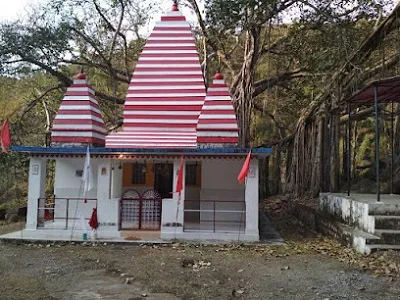
Timmersain Mahadev is a revered cave shrine, dedicated to Lord Shiva, located in the Niti Village of the Chamoli district of Uttarakhand. The temple is situated at an altitude of 3600 meters (12,000 feet) and is famous for its snow form of Shivlinga, resembling the Amarnath cave. It is accessible by a short trek from the Joshimath-Niti road.
Location: Niti Village of Chamoli district, Uttarakhand
Altitude: 3600 meters (12,000 feet)
Highlights: snow-formed shivlinga and surrounding snow-capped peaks.
How to reach: the temple is accessible by a short trek from Niti Village, which is accessible by road via taxi or jeep from Haridwar and Rishikesh.
Best time to visit: October to March to witness icy shivling and April to June for general access.
g) Tadkeshwar Mahadev Temple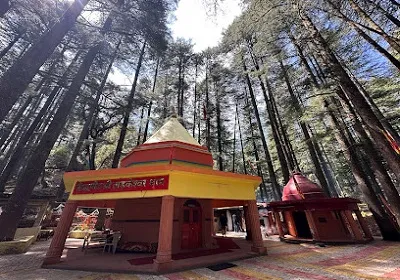
Tadkeshwar Mahadev is an ancient shrine located in the Pauri Garhwal region of Uttarakhand.
Dedicated to Lord Shiva, known for its serene and spiritual atmosphere, and associated with the legends of the demon Tarksur.
Location: Lansdowne, Pauri Garhwal District, Uttarakhand
Altitude: 5,900 feet (1,800 meters)
Highlights: Surrounding Himalayan scenery and Powerful self-manifested Shivlinga.
How to reach: Take a taxi from Lansdowne, which is 37 km away.
Best time to visit: March to June and September to October
2) Kumaon Region Shiva Circuits
a) Lakhamandal Temple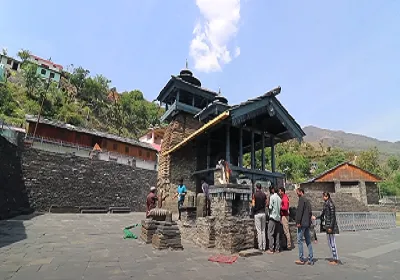
Lakhamandal is an ancient Shiva temple located in the Jaunsar-Bawar region of Uttarakhand. It is famous for its unique reflective shivlinga, which shines like a mirror when water is poured on it, associated with the legends of the Mahabharata.
Location: Jausar-Bawar region of Dehradun district, Uttarakhand
Altitude: 1350 meters (4,440 feet)
Highlights: graphite shivalinga, twin dwarpalas, and the unique architecture of the temple
How to reach: The Lakhamandal Shiva temple is easily accessible by motorable roads connected via the Mussoorie-Yamunotri route.
Best time to visit: The temple is open all year round, but March to June and September to November are ideal due to safety reasons.
b) Binsar Mahadev Temple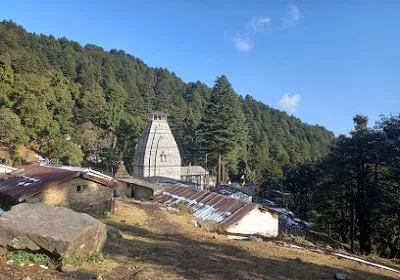
Binsar Mahadev, also known as Bindeshwar Temple, is an ancient shrine of Lord Shiva, located in the Almora region of Uttarakhand. It is nestled at an altitude of 2480 meters and surrounded by dense forest and peaks. It is known for its unique stone carvings and sanctums of lors shiva, Ganesha, and Gauri.
Location: Almora, Uttarakhand
Altitude: 8,136 feet (2,480 meters)
Highlights: tranquil environment and classic Nagara architecture of the shrine.
How to reach: take a taxi or jeep towards Almora, which is 18 km away and accessible by air, train and road.
Best time to visit: Summer (March-June) and autumn (September to November)
c) Risheshwar Mahadev Temple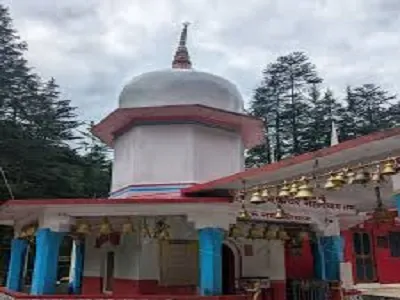
Risheshwar, also known as the Reetha Mahadev temple, is a significant shrine dedicated to Lord Shiva, located in Lohaghat village of Champawat district of Uttarakhand. It is renowned for its spiritual significance, serving as a key stop for the ancient Kailash Mansarovar Yatra. It also hosted vibrant festivals such as Mahashivratri and musical Ramkatha events.
Location: Champawat district, Uttarakhand
Altitude: 1754 meters (5,755 feet)
Highlights: natural surroundings, religious festivals and local culture.
How to reach: The temple is accessible by road via the Pithorgarh or Tanakpur route.
Best time to visit: March to June and September to November are ideal due to safety reasons.
d) Bagnath Temple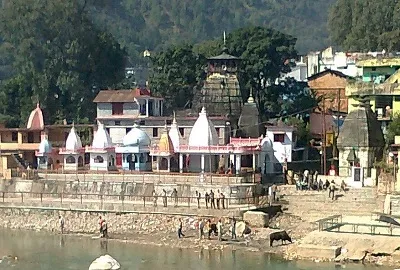
Bagnath is a significant shrine, dedicated to Lord Shiva, located in the Bageshwar district of Uttarakhand. The temple sits on the confluence of the Sarayu and Gamovati rivers at an altitude of 3,294 feet above sea level. It states with a great mythology of sage Markandeya, who performed worship of Lord Shiva to seek the divine blessings and Lord Shiva, pleased by his devotion, appeared in the form of a Bagh (tiger) to bless him. This incident gave rise to its name, “Bagnath or Vyagreshwar Temple.”
Location: Bagheshwar district, Uttarakhand
Altitude: 3,294 feet (1,004 meters)
Highlights: Chaturmukhi Shivlinga and statues of lord hanuman and lord Ganesha
How to reach: Bagnath is well-accessible by road via the Nainital-Almora route. You can take a taxi or a shared jeep to reach the temple
Best time to visit: April to June and September to October
e) Kapileshwar Temple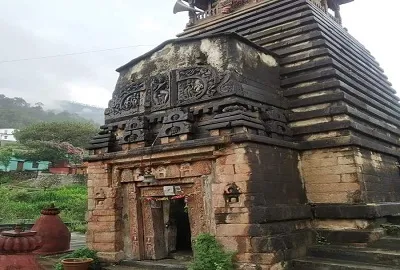
Kapileshwar Mahadev temple is an ancient cave shrine located in the Pithoragarh district of Uttarakhand. It sits at an altitude of 1700 meters, dedicated to LordShiva, famous for its natural cave housing a self-manifested shivlinga and its state with sage Kapil muni legends who meditated here. The temple was built by the Katyuri kings of Garhwal.
Location: Pithoragarh, Uttarakhand
Altitude: 5,600 feet (1,700 meters)
Highlights: Breathtaking views of Soar Valley and the natural cave Shilingam.
How to reach: the temple is accessible by climbing over 200 stairs.
Best time to visit: March to June and September to November
f) Thal Kedar Temple
Thal Kedar is a revered shrine dedicated to Lord Shiva, located in the Thal village of the Pithoragarh district of Uttarakhand. The temple sits at an altitude of 2200 meters and is known for its great spiritual importance, linked with the Pandavas, who worshipped Lord Shiva here during their exile. It is also famous for scenic beauty, natural Shivlinga and snow-capped Himalayan peaks.
Location: Pithoragarh, Uttarakhand
Altitude: 7,217 feet (2200 meters)
Highlights: panoramic views of Mt. Nanda Devi and Trishul peaks.
How to reach: to reach Thal Kedar, first reach Pithoragarh via air, train or road. From there, reach Aincholi village. From there, embark on a 4-5 km uphill trek to reach Thal Kedar.
Best time to visit: April to June and September to October
g) Siddh Narsingh Temple
Sidh Nageshwar is an ancient cave-style temple located in the Almora district of Uttarakhand. It is part of the Jageshwar Dham complex, situated at an altitude of 1,875 meters (6,150 feet). It is known for its unique Nagara architecture and serene environment, surrounded by dense oak forest, ideal for spiritual and peaceful seekers.
Location: Almora, Uttarakhand
Altitude: 1,875 meters (6,150 feet)
Highlights: ancient shrine of Lord Shiva
How to reach: by taxi or jeep from Almora to Jageshwar. From there, you need to walk towards the temple
Best time to visit: April to June and September to October
h) Patal Bhuvaneshwar Temple
Patal Bhuvaneshwar is a sacred temple, situated in a mystical cave in the Pithoragarh district of Uttarakhand.
The temple sits at an altitude of 1,350 meters (4,429 feet), dedicated to Lord Shiva and surrounded by snow-capped Himalayan peaks. Highlighted by a 160-meter-long cave featuring the Sheshnag and Adi Ganesh statues.
Location: Pithoragarh district, Uttarakhand
Altitude: 1350 meters (4,429 feet)
Highlights: limestone cave, statue of Adi Ganesha,
How to reach: by car or taxi via the Pithoragarh road
Best time to visit: March to June and September to October
i) Jageshwar Dham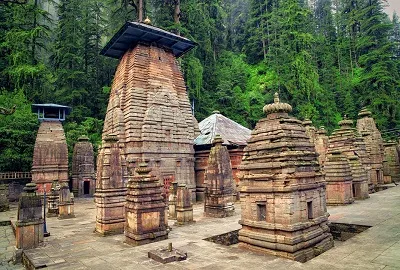
Jageshwar Dham, a cluster of 124 temples, is a significant Shaiv circuit in Uttarakhand, located in the Almora district of Uttarakhand at an altitude of 6,315 feet above sea level. The key attractions are Jageshwar Mahadev temple, Nagesh Jyotirlinga, and Mrityunjay temple. Surrounded by lush green forest, provides a tranquil environment.
Location: Almora, Uttarakhand
Altitude: 6,315 feet (1,870 meters)
Highlights: Vast temple complex (224 small shrines) and archaeological museum.
How to reach: By road via taxi and jeep from Almora.
Best time to visit: March to June and September to November
j) Kranteshwar Mahadev Temple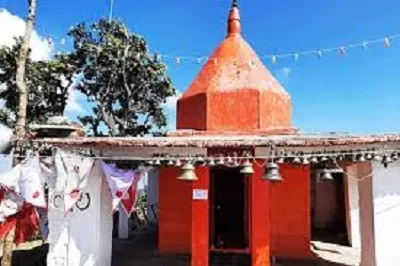
Kranteshwar Mahadev is an ancient shrine, dedicated to lord shiva, nestled on a hill of the Champawat district of Uttarakhand. The temple is known for its mythological significance and stunning natural beauty, surrounded by panoramic Himalayan peaks. It is aslo known as Kandev or Kurmapad, which is associated with the mythology of lord vishnu.
Location: Champawat district, Uttarakhand
Altitude: 6,000 feet (1,600 meters)
Highlights: panoramic views, natural beauty and ancient temple architecture
How to reach: the temple is easily accessible by a short drive or trek from Champawat.
Best time to visit: October to March and May to June.
k) Bhimeshwar Mahadev Temple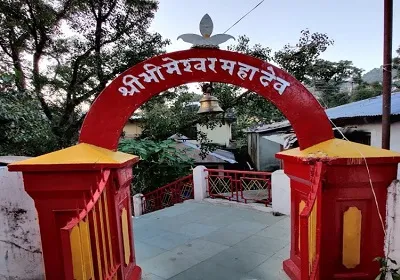
Bhimeshwar Mahadev is a sacred shaiva circuit, situated on the banks of the Bhimtal in the Nainital district of Uttarakhand. The temple sits at an altitude of 1370 meters, and it is surrounded by dense oak forest and peaks. It holds great spiritual significance, linked with the epic Mahabharata; it is believed that the temple was built by Bhima (one of the Five Pandavas) during his exile, making it a significant site.
Location: Nainital district, Uttarakhand
Altitude: 4490 feet (1370 meters)
Highlights: Picturesque Bhima Lake and Victoria Dam, offering opportunities for Boating.
How to reach: The temple is accessible by road via a scenic drive from the Nainital road.
Best time to visit: March to June and September to November
l) Mukteshwar Temple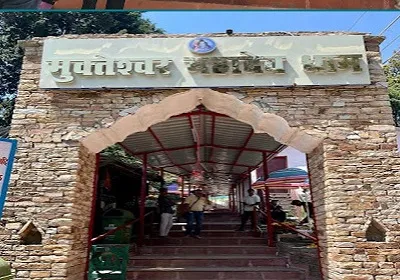
Mukteshwar is an ancient shrine dedicated to Lord Shiva, situated in the Kumaon hills of Uttarakhand at an altitude of 7,585 feet above sea level. The temple holds immense spiritual significance; known as the site of Muksha (liberation), it is believed that Lord Shiva grants moksha to a demon, making it a significant site. The main shrine houses a naturally formed Shivalinga.
Location: Nainital district, Uttarakhand
Altitude: 7,585 feet
Highlights: scenic views of Himalayan peaks and waterfalls
How to reach: Mukteshwar is well-connected by road via the Nainital route
Best time to visit: May to June and September to November
m) Moteshwar Temple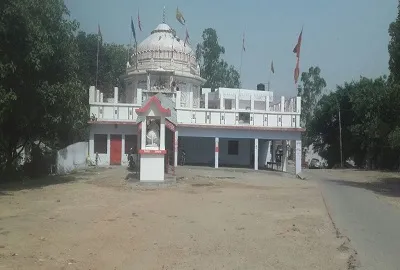
Moteshwar Temple is an ancient, revered Shiva temple located in the Kashipur town of Uttarakhand. It is famous for its massive and 30-foot deep Shivlinga and natural beauty, surrounded by snow-capped peaks. The main complex of the temple included the Bhairavnath temple and the Shiva Kund.
Location: Uddham Singh Nagar district, Uttarakhand
Altitude: 2,312 meters (7,500 feet)
Highlights: 30 feet deep Shivling and scenic beauty
How to reach: Moteshwar temple is easily accessible by train via Kashipur railway station and by road via Kashipur bus station.
Best time to visit: March to April and September to October
D) Shiva Cave Temples In Uttarakhand
1) Tapkeshwar Mahadev Temple
It is a popular cave temple located in the Dehradun district of Uttarakhand. The name “Tapkeshwar” derives from the water drops (Tapak) on the shivalinga in a cave, and it also holds mythological significance; it is believed that the cave was a residence of Guru Draunacharya (guru of Pandavas and Kaurvas).
2) Koteshwar Mahadev Cave Temple
Koteshwar Mahadev is a sacred natural cave temple, located in the Rudraprayag district of Uttarakhand, on the banks of the Alaknanda River. Highlighted by the self-manifested Shivlinga within a revered cave. Holds great spiritual significance; believed to be the place where Lord Shiva meditated to escape from the demon Bhasmasur on their way to Kedarnath.
3) Timersian Mahadev Temple
Timersian Mahadev is an ancient temple, located in a natural cave in Niti Village of the Chamoli district of Uttarakhand. The temple is widely famous for its natural icy Shiv lingam, representing three deities: Shiva, Ganesha and Parvati, resembling the Amarnath cave, often called “Chota Amarnath.”
4) Prakateshwar Cave Temple
Prakateshwar is a limestone cave temple dedicated to Lord Shiva, located in the Rudraprayag district of Uttarakhand. It features a naturally formed shivlinga, renowned for its stunning Himalayan setting.
Other Famous Shiva Temple In Uttarakhand
1) Triyuginarayan Temple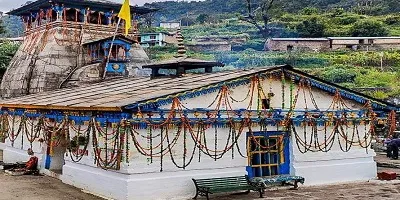
Triyuginarayan Temple is a popular pilgrimage site, located in the Rudraprayag district of Uttarakhand. The Temple is accessible by road via a scenic drive from Sonprayag.
Triyuginarayan is known as the Shiva Temple in Uttarakhand for marriage of Lord Shiva and Goddess Parvati, featuring an eternal flame (Akhand Dhuni) and a sacred kund, including Rudra Kund and Vishnu Kund.
2) Neelkanth Mahadev Temple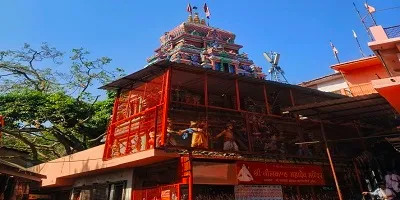
Neelkanth Mahadev is a sacred temple shrine dedicated to Lord Shiva, located in Rishikesh at an altitude of 1,330 meters (4,360 ft). It is accessible by a scenic drive via a hilly road from Rishikesh.
Holding a great mythological significance, it is believed that Lord Shiva drank poison to save the world from destruction during the Samudra Manthan period, and his throat turned blue, which gave the temple its name and made it a significant site.
3) Omkareshwar Temple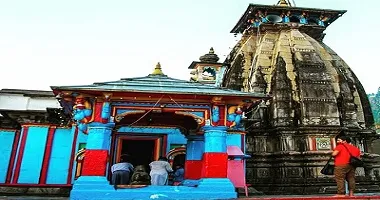
Omkareshwar Temple in Ukhimath is a revered site, located in Ukhimath town of Rudraprayag district, Uttarakhand. It is easily accessible by road via major hubs like Haridwar, Rishikesh and Dehradun.
Holding significance for serving as a winter seat of Panch Kedar Temples, including Kedarnath and Madhmaheshwar temples.
4) Gopeshwar Mahadev Temple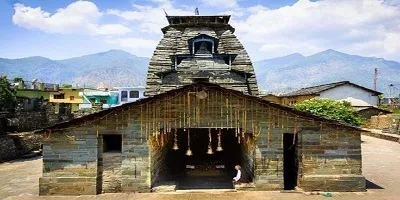
Gopeshwar Mahadev temple, also known as Gopinath temple, is a sacred shrine located in the Chamoli district of Uttarakhand at an altitude of 1,308 meters above sea level.
It is famous for its mythological legends of Goddess Paravti’s penance and Lord Shiva's appearance as Gopinath. It is accessible by road via the Badrinath temple route.
Best Time To Visit Shiva Temple In Uttarakhand
The best time to visit the Shiva temple in Uttarakhand depends on accessibility and individuals' preferences. Some temples, such as Panch Kedar, are seasonal temples open only for a few months of the year, from May to October, and become inaccessible during the winter due to heavy snow and harsh weather, while low-altitude temples like Tapkeshwar Mahadev temple and Daksh Prajapati temple are accessible all year round.
Here is a brief guide to the best time to visit by season.
Summer Season (April-June)
Summer is the most accessible and pleasant time for temple visiting in Uttarakhand, with cool weather and mild temperatures ranging from 15 °C to 30°C. High-altitude temples, like Kedarnath, Tungnath, Rudranath, etc., are open at this time for pilgrimage.
Monsoon season (July-August)
The Monsoon brings moderate to heavy rainfall and potentially causes landslides, thunderstorms and roadblocks, which make trails slippery and travel risky. The weather is pleasant with temperatures ranging from 10 °C to 20 °C, and the scenery is also green, but visibility is often obscured due to clouds. Temples are generally open, but heavy rains affect accessibility.
Autumn Season (Sep-Oct)
The Post-Monsoon is another ideal time for temple visiting in Uttarakhand, experiencing pleasant weather with clear skies, and the temperature ranges from 15 °C to 25 °C. Also, experiencing fewer crowds compared to summer provides a peaceful darshan experience. The excellent visibility and accessibility make it an ideal time to visit.
Winter Season (Nov-Mar)
Winter is extremely harsh and cold, with a temperature range from 5 °C to 8 °C, sometimes dropping to sub-zero degrees, especially at higher altitudes. High-altitude temples, like Kedarnath and Tungnath, are closed, and their idols are shifted to their winter abodes. Lower-altitude temples are generally open at this time, suitable only for those who want to enjoy a peaceful winter experience.

Travel Tips For The Shiva Temple In Uttarakhand

Registration and Permits: Registration is mandatory for Kedarnath, and permits are also required to reach high-altitude Shiva temple in Uttarakhand, like Tungnath Temple and Timersain Mahadev Temple.
Weather precautions: Weather in the Himalayas changes rapidly, like the mood swings, so check the weather first and be ready for any sudden change.
Check road conditions: road conditions can be affected by sudden rain, like causing landslides, so check the road conditions before planning a trip.
Avoid monsoon: monsoon in Uttarakhand brings heavy rain that causes landslides, roadblocks, and thunderstorms that affect accessibility and make travel risky at this time.
Pack Smart: smart packing makes your journey more comfortable, so carry all the essential things, from warm clothing to a medical kit and trekking equipment, like trekking shoes and other essentials such as documents and a power bank, etc.
Stay Hydrated: Drink enough water to prevent the risk of dehydration and altitude sickness.
Acclimatise properly: if you plan to visit a high-altitude Shiva temple, which requires trekking, properly acclimatise yourself at lower altitudes.
Conclusion
FAQs
1. Which is the highest Shiva temple in Uttarakhand?
- Temple Name: Tungnath
- Altitude: 3,680 meters (12,073 feet)
- District: Rudraprayag, Uttarakhand
- Best Time to Visit: May–June & September–October
2. Which is the famous Shiva temple in Uttarakhand?
3. Which is the most powerful Shiva temple?
4. What are the 5 Shiva temples in Uttarakhand?
The five Shiva temples in Uttarakhand are Kedarnath, Tungnath, Madhyamaheshwar, Rudranath and Kalpeshwar. These are the five revered shrines of Lord Shiva, known as Panch Kedar, famous for their great spiritual significance, linked with the Mahabharata, each of them representing different parts of Lord Shiva’s body appearing after the Pandavas' penance.
5. Is it Jageshwar Jyotirlinga?
6. Which Kedar is open for 12 months?
Planning A Uttarakhand Trip? Let Us Help
Planning a spiritual journey to Uttarakhand can be confusing due to temple opening dates, weather conditions, and travel routes. At Manchala Mushafir, we help pilgrims plan a smooth and well-organized yatra with verified dates, comfortable stays, and experienced local support. If you’re planning Kedarnath, Badrinath, Char Dham, or any other Uttarakhand yatra, you can explore our verified pilgrimage packages below. For any doubts related to temple timings, darshan process, routes, weather, or custom travel plans, feel free to contact us — we’re happy to guide you.
- Kedarnath Yatra
- Kedarnath Packages From Bangalore
- Kedarnath Trip From Pune
- Do Dham Yatra Package
- Char Dham Yatra from Haridwar
- Char Dham Yatra Packages from Ahmedabad
- Char Dham Yatra Packages from Hyderabad
- Char Dham Yatra Packages from Bangalore
- Char dham Yatra Packages from Pune