
Bhim Shila Kedarnath Story: The Rock That Saved Kedarnath Temple
Category: Travel | Updated On: March 28, 2026 | Published: February 28, 2026

Introduction: The Miracle Of Bhim Shila
Bhim Shila Kedarnath is the massive boulder that protected Kedarnath Temple during the 2013 flood disaster. Located just behind the sacred Kedarnath Temple, also known as the divine rock.
Visiting this site feels like witnessing the existence of belief and devotion. When nature showed its worst form, the surroundings around the temple were destroyed, and thousands lost their lives. Yet, the 1200-year-old temple stood firm. Behind it, a holy rock stopped the powerful force of water to protect the shrine.
In this guide, you will know about the Bhim Shila in Uttarakhand, including its location, story, significance, how to reach it, and more, based on my personal experience of the sacred Kedarnath Yatra.
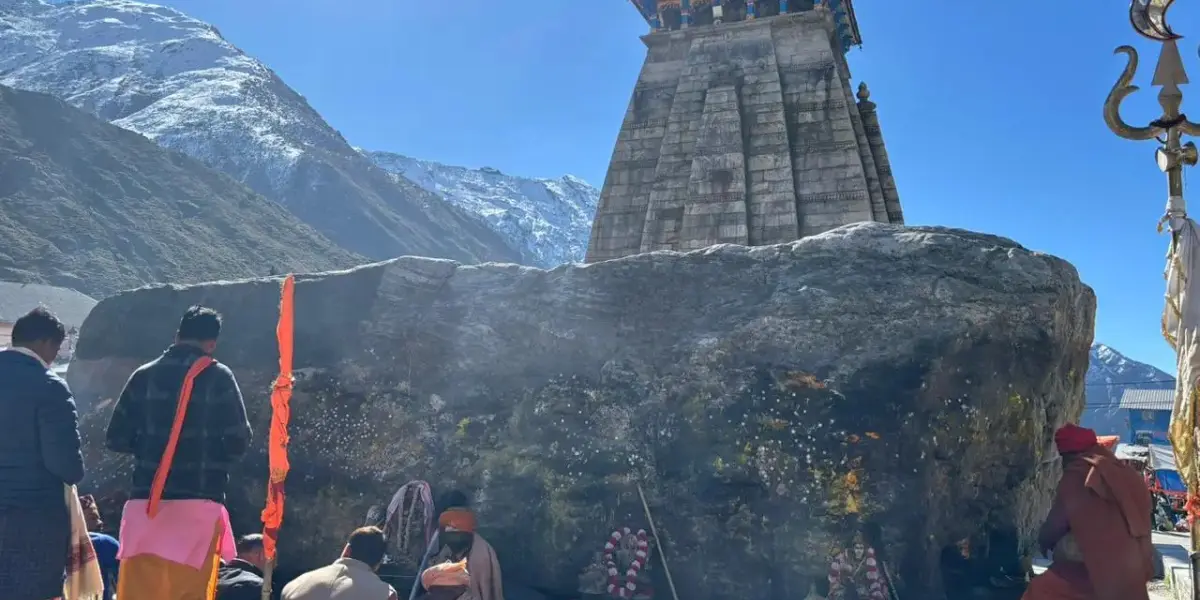
Table of Contents
- Introduction: The Miracle Of Bhim Shila
- What Is Bhim Shila?
- Where is Bhim Shila located?
- Bhim Shila Story
- Is It A Miracle Or Science?
- How To Reach Bhim Shila In Kedarnath?
- Best Time To Visit Bhim Shila
- Other Places To Visit Near Bhim Shila Kedarnath
- Travel Tips For Visiting Bhim Shila
- Final Thought
- Related Guide
What Is Bhim Shila?
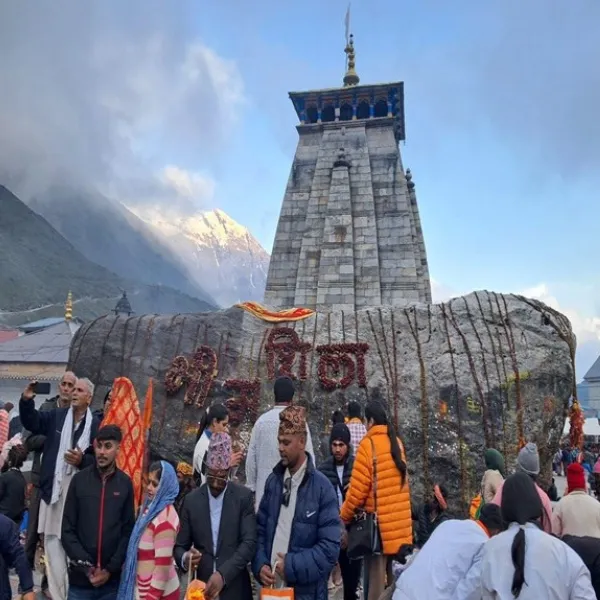
Bhim Shila Kedarnath is a massive boulder that lies behind the Kedarnath Temple and is credited with saving the shrine. The name Bhim Shila is derived from Bhima, one of the Pandavas from the ancient Mahabharata.
According to Hindu mythology, after the Mahabharata war, the Pandavas came to this region to seek forgiveness for killing their kinsmen of Lord Shiva. It’s strongly believed that the Bhim Shila rock was placed to protect the site from the harsh climate; it represents the legendary power of Bhima.
Quick Facts About Bhim Shila Kedarnath
- Location: Behind the Kedarnath Temple, Rudraprayag district, Uttarakhand
- Altitude: 3,583 meters (11,755 feet)
- Distance: Just behind the Kedarnath Temple
- Bhim Shila size: 20 feet in width and 20–25 feet in height
- Bhim Shila weight: Over 1,000 metric tonnes
- Highlights: Snow-clad peaks and breathtaking Himalayan landscape
- Significance: Act as the divine protector of the Kedarnath Temple
- Best time to visit: May to June and September to October
Where is Bhim Shila located?
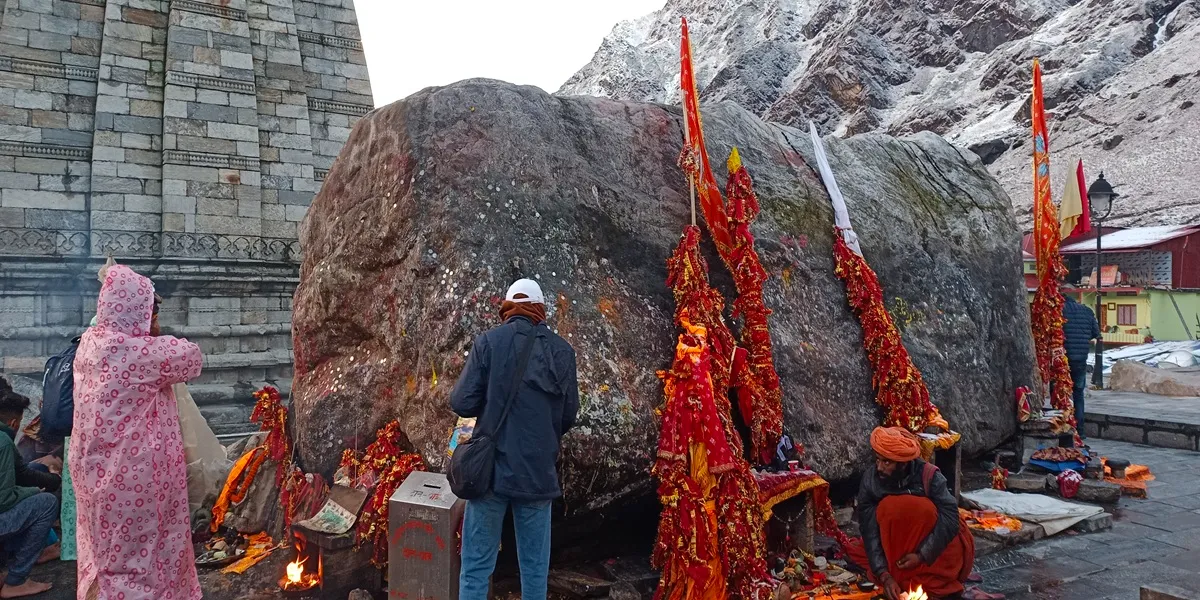
Bhim Shila is situated just behind the Kedarnath Temple in the Rudraprayag district of Uttarakhand within the Garhwal Himalayas. It sits in the main courtyard of the temple, and pilgrims easily walk around the temple to see it.
The site sits at an altitude of 11,755 feet (3,583 meters) above sea level and is surrounded by snow-capped peaks, providing panoramic views with an emotional touch.
Bhim Shila Story
The Bhim Shila Kedarnath story is a blend of modern miracle and ancient mythology. During the devastating Kedarnath flood of 2013, the divine rock Bhim Shila played a crucial role in saving the Kedarnath Temple. Let’s take a look at the Bhim Shila story, which is one of the most powerful chapters of Kedarnath Temple history.
Religious Importance of Bhim Shila Kedarnath
The Bhim Shila in Kedarnath gained immense spiritual and religious significance by acting as the divine physical barrier during the Kedarnath floods of 2013. After the floods, pilgrims start visiting Bhim Shila after darshan at Kedarnath; it is now considered an integral part of the pilgrimage.
Today, devotees offer prayer and apply a tilak to the rock to seek protection and strength. For them, it’s a reminder of the faith that survives even the Himalayan storms.
What Happened In 2013 Kedarnath Flood?
In June 2013, Kedarnath faced the worst natural disaster; continuous heavy rainfall and cloudbursts caused a flash flood in the Kedarnath region. The entire area looked devastated; all the buildings in the surroundings were flattened. But surprisingly, the Kedarnath Temple remained untouched and unharmed.
Lately, it was observed that a huge rock had rolled down, coming from the mountains, and stopped just behind the temple. This rock blocked the force of the water and diverted the flow of debris into the surrounding area of the temple instead of hitting it.
This rock is named Bhim Shila, rooted in the legend of the Mahabharata. Believed to be placed by Bhima (the most powerful among the five Pandavas) to protect the temple, it now represents divine intervention.
Source: Kedarnath Temple-2013 flood
When Did Bhim Shila Came?
Bhim Shila came in the night on 16 June 2013, during the devastating flood in Kedarnath. The massive boulder rolled down by the flood water and got placed itself behind the Kedarnath temple and protected it as a shield. It is believed that it was sent by god, often known as "Divine rock" or "God's rock".
Is It A Miracle Or Science?
While devotees see Bhim Shila as a divine rock, scientists have a different approach to it. So let’s take a look at what science is behind Bhim Shila.
From a scientific and geological perspective, the Bhim Shila in Kedarnath is a natural boulder carried down by the glacial elements, like granite and gneiss, and flood currents during the devastating flood of 2013.
It acted as a physical barrier, which settled exactly behind the Kedarnath Temple, about 30 feet away, to protect the shrine; it splits the water into two main streams to divert the flood flow to the sides of the water instead of hitting the main structure of the temple.
Thus, whether it's the miracle or geology, the truth remains that Bhim Shila has become a powerful symbol of hope, faith, and protection.
Read more: Interesting facts about Kedarnath Temple
How To Reach Bhim Shila In Kedarnath?
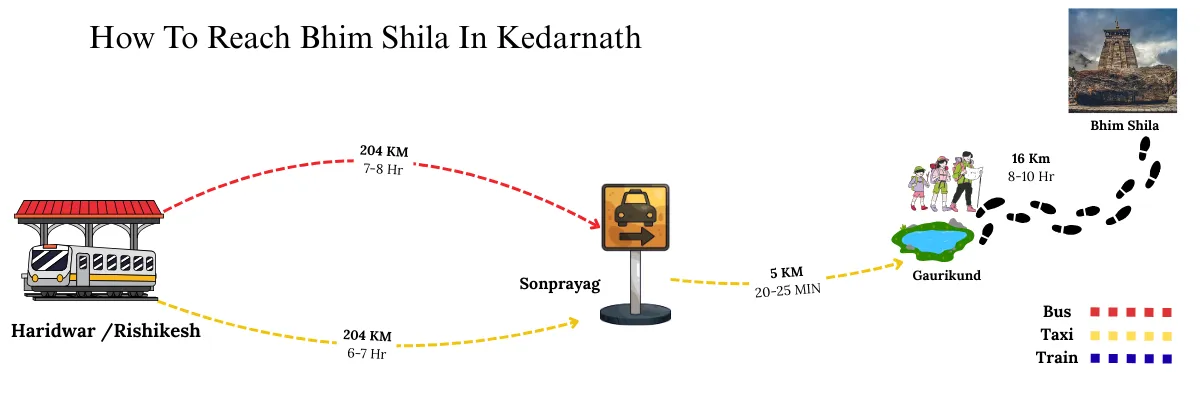
To reach Bhim Shila, you must first reach the Kedarnath Temple, as the site is located just behind the temple. The temple is accessible by a 16 km uphill trek, starting from Gaurikund. Once you have access to the temple courtyard, you can walk to the near of the temple complex to see the site.
- Step 1: Reach Gaurikund
- Step 2: Trek to the Kedarnath Temple
- Step 3: Reach Bhim Shila in Kedarnath by a shuttle walk
The nearest airport is the Jolly Grant Airport in Dehradun and the nearest railheads are Haridwar and Rishikesh. From the airport and railway stations, take a bus or hire taxi/cab to reach Gaurikund and then trek to the Temple.
Note: Check out our blog on "How to reach Kedarnath" for a detailed travel guide.
Important Tips: There are some more other places to visit near the Bheem Shila Kedarnath, including Bhairavnath Temple, Adi Shankaracharya Samadhi and Vasuki Tal (challenging trek).
Best Time To Visit Bhim Shila
The best time to visit Bhim Shila is tied to the Kedarnath Temple accessibility, which usually opens from April/May to October/November and closes the rest of the time due to heavy snowfall and harsh weather.
| Season | Months | Temperature (Approx.) | Suitability |
| Best (Summer) | May – June | 5°C to 18°C | Pleasant weather, ideal for darshan & trekking |
| Monsoon (Risky) | July – August | 8°C to 16°C | Heavy rainfall, landslide risk |
| Excellent (Autumn) | September – October | 0°C to 15°C | Clear skies, fewer crowds |
| Winter (Closed) | November – April | -15°C to 5°C | Heavy snowfall, temple closed |
Safety Tips: It is recommended to avoid visited Bhim Shila Kedarnath during monsoon season due to high risk of landslides and mishaps. Also check weather before starting the journey, as the weather is uncertain at high altitude in Kedarnath.
Note: Read our blog on the best time to visit Kedarnath for a better understanding.

Other Places To Visit Near Bhim Shila Kedarnath
Apart from the Bhim Shila Kedarnath, there are some other places to visit near Kedarnath, including temple, treks, river, and more. Lets take a look at some other nearby attractions:
- Kedarnath Temple: The main shrine dedicated to Lord Vishnu, which is not just an integral part of the Do Dham and Char Dham pilgrimage circuit, but also one of the Panch Kedar Temples and the highest shrine among the 12 Jyotirlingas in India.
- Bhairavnath Temple: A significant site in the proximity of the temple is the Bhairavnath Temple (500 meters). It is dedicated to Kal Bhairav, believed to be the protector of the Kedar region, often known as the Kshetrapal. Pilgrims visit here to offer mustard oil and witness the bird-eye view of Kedar Valley.
- Mandakini River: The holy River Mandakini flows near the Bhim Shila Kedarnath, originating from the melting snow of Chorabari glacier, located about 1 km above the Kedarnath. It flows along side the trekking route, passing through the Gaurikund, Sonprayag, and meeting at Rudraprayag with the river Alaknanda.
- Vasuki Tal: A glacial lake situated at a high altitude near the Kedarnath. A difficult 8 to 9 kilometers trek is required to reach this crystal clear water of Vasuki Tal, considered a moderate to challenging trek, with steep and rough train, requiring good physical fitness.
Travel Tips For Visiting Bhim Shila
- Start early: Start trekking early to avoid the pilgrim rush and reach the shrine on time.
- Carry warm clothes & rain gear: Pack warm clothes even in summer, as the weather in this region changes rapidly.
- Temple etiquette: Respect the site, follow the temple guidelines, and avoid littering.
- Maintain cleanliness: Bhim Shila is a divine rock, located in the main courtyard of the Kedarnath Temple, so maintain cleanliness.
- Stay hydrated: The site sits at very high altitudes, which increases the risk of altitude sickness and dehydration, so drink plenty of water to prevent it.
Final Thought
We conclude that Bheem Shila Kedarnath is a powerful symbol of faith, strength, and the integrity of Lord Shiva. Whether you see it as a natural geological event or divine protection, the massive rock protects the Kedarnath Temple during the catastrophic flood of 2013.
Today, Bhim Shila in Kedarnath has gained significance and is a part of the Kedarnath Yatra, marking the reminder of the unshaken belief and resilience. So plan your trip to Kedarnath in 2026 with nearby places to visit.
Faqs
1. How Did Bhim Shila Protect Kedarnath Temple?
During the devastating 2013 flood, the giant Bhim Shila rock rolled down behind the temple to protect it from savage damage. Devotees conclude this event is a divine act of Lord Shiva and tie it with the legend of Shiva, while scientists say it is a natural geological event.
2. What is the science behind Bhim Shila?
The science behind the Bhim Shila Stone is linked with its role during the natural disaster of 2013. Geologists believe that Bhim Shila was one such boulder carried by flood currents and glacial melts and settled exactly behind the Kedarnath Temple. It acted as a physical barrier, which diverted the flow of water around the temple instead of hitting it. Thus, in a scientific view, Bhim Shila was a result of a natural geological event.
3. Where is Bhim Shila?
Bhim Shila is situated in the Rudraprayag district of Uttarakhand, just behind the Kedarnath Temple. This divine boulder sits within the main courtyard of the temple, accessible by a short walk from the temple.
4. What is the Bhim Shila stone?
The Bhim Shila is a massive stone, which is credited with saving the sacred Kedarnath Temple during the dangerous Kedarnath flood of 2013.
5. What is the size of Bhim Shila?
The Kedarnath Bhim Shila size is approximately 20 feet wide and 20–25 feet high, and can vary depending on the angle and surrounding debris. The rock is located 30 feet behind the temple.