
Thank you! Our expert will call you shortly.

10 Interesting Facts About Kedarnath Temple

Category: Travel | Published: February 8, 2026 | Updated On: March 28, 2026

Interesting facts about the Kedarnath temple

Introduction of Kedarnath Temple

Nestled in the Garhwal Himalayas of Uttarakhand, Kedarnath Temple is one of the most sacred shrines dedicated to Lord Shiva. Standing at an altitude of 3,583 meters (11,755 feet), it is part of the Panch Kedar and an important pilgrimage site in the Char Dham Yatra circuit.

These 10 interesting facts about Kedarnath Temple reveal why this ancient stone shrine is far more than just a religious destination. From surviving the devastating 2013 floods to being buried under snow for centuries, the temple carries stories of resilience, mystery, and deep spiritual significance. Every year, millions of devotees and travelers visit to witness its divine aura and breathtaking Himalayan setting.

Those planning their pilgrimage can explore the complete Kedarnath tour package details, including travel itinerary and stay arrangements.

Before exploring these amazing and unknown facts about Kedarnath Temple, let’s take a quick look at some essential highlights of this sacred site. 
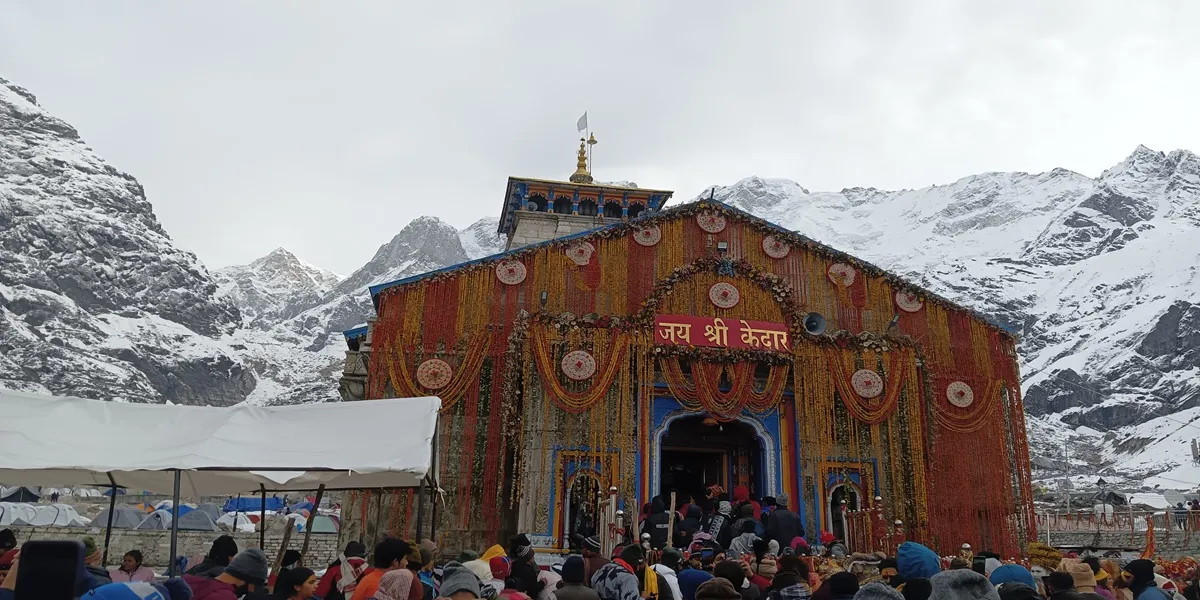
Source: Kedarnath-Temple
ineteresting facts about kedarnath temple


Quick Facts About Kedarnath Temple

 Facts Detail 
Location:   Rudraprayag district of Uttarakhand
Height  11,755 feet (3583 meters)
Flowing river:
 Mandakini River
Opening period:
 May to October (peak pilgrimage season)
Closing period:  November to April (winter period)
Temple Darshan Timing:  6:00 A.M to 12:00 p.m., noon, and 3:00 p.m to 9:00 p.m.
 Highlights:  Adi Shankaracharya Samadhi, Bhairavnath temple, and snow-capped peaks.

10 Amazing and Unknown Facts About Kedarnath Temple 

These interesting facts about Kedarnath Temple highlight its spiritual, historical, and architectural significance.

1. Kedarnath Temple Was Buried Under Snow for Over 400 Years
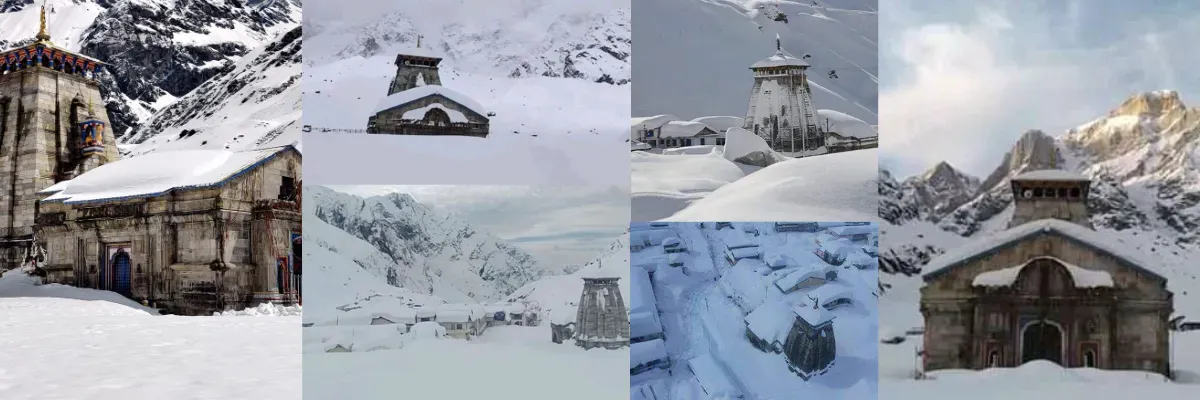
According to researchers from the Wadia Institute of Himalayan Geology, the temple remained buried under thick layers of snow during the Little Ice Age (1300–1900 AD). This natural snow cover helped preserve the ancient stone structure and protected it from erosion for centuries.
Snow-covered Kedarnath Temple in winter Himalayas

2. Built by the Pandavas and Revived by Adi Shankaracharya
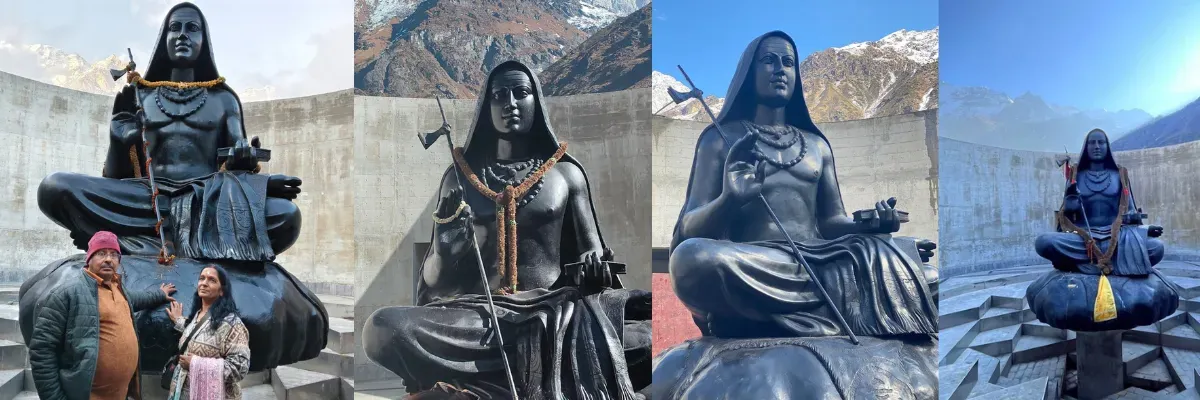
According to Hindu mythology, the Pandavas built the original shrine to seek forgiveness from Lord Shiva after the Kurukshetra war. The present stone structure was later revived in the 8th century by Adi Shankaracharya, who re-established several major pilgrimage sites across India. To understand its origins in detail, you can explore the detailed history of Kedarnath Temple.
Kedarnath Temple built by Pandavas and revived by Adi Shankaracharya

3. The Divine Protector – Bhim Shila and the 2013 Flood
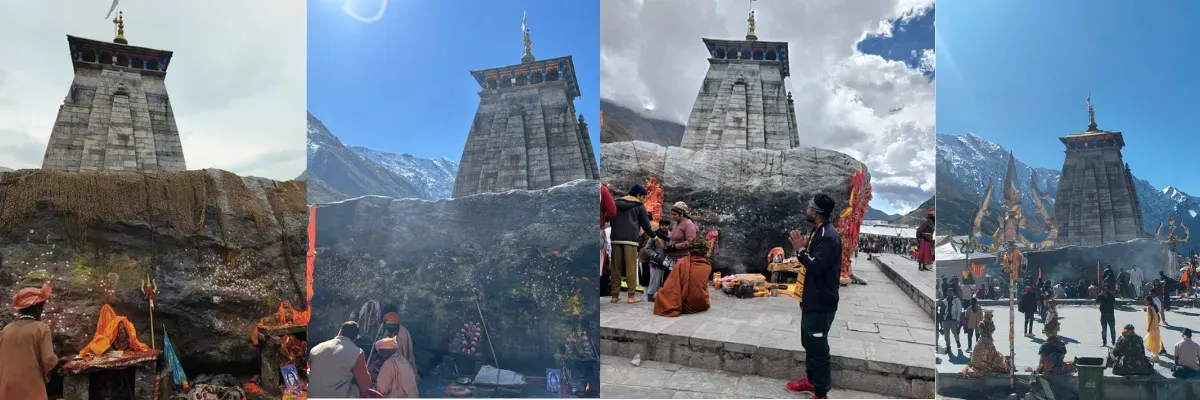
During the devastating 2013 Uttarakhand floods, a massive boulder known as Bhim Shila rolled down and stopped just behind Kedarnath Temple. It diverted the force of floodwaters and protected the shrine from severe damage. This event is often regarded as both a geological occurrence and a divine intervention. Now Bhim Shila Kedarnath is known as the sacred rock that saved Kedarnath Temple.
Bhim Shila protected Kedarnath Temple

4. Unique Triangular Hump-Shaped Shivling
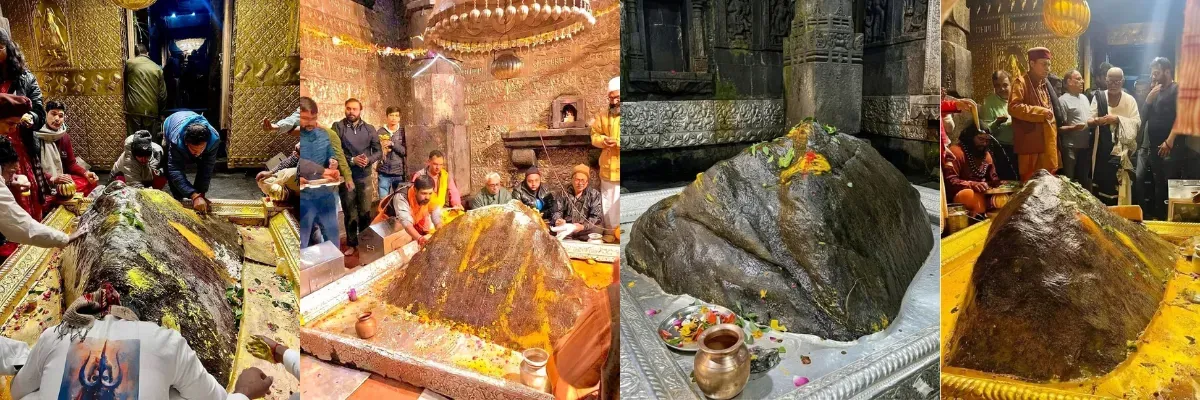
Unlike most Shiva temples that feature a cylindrical lingam, Kedarnath Temple houses a naturally formed triangular-shaped lingam. According to belief, it represents the hump of Lord Shiva in his bull form (Nandi), making it spiritually distinct among the 12 Jyotirlingas.
Triangular hump shaped Shivling inside Kedarnath Temple

5. The Head Priest Comes from Karnataka
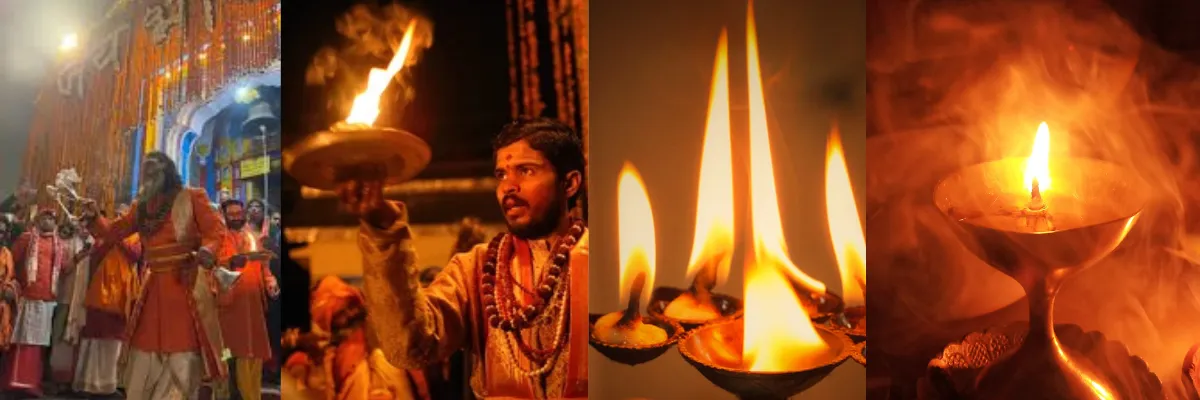
The chief priest of Kedarnath Temple, known as the Rawal, belongs to the Veerashaiva community of Karnataka. Although he does not perform daily rituals personally, he oversees the temple’s spiritual traditions and maintains its sanctity.
Head prist comes from karnataka

6. Rituals Are Performed in Kannada
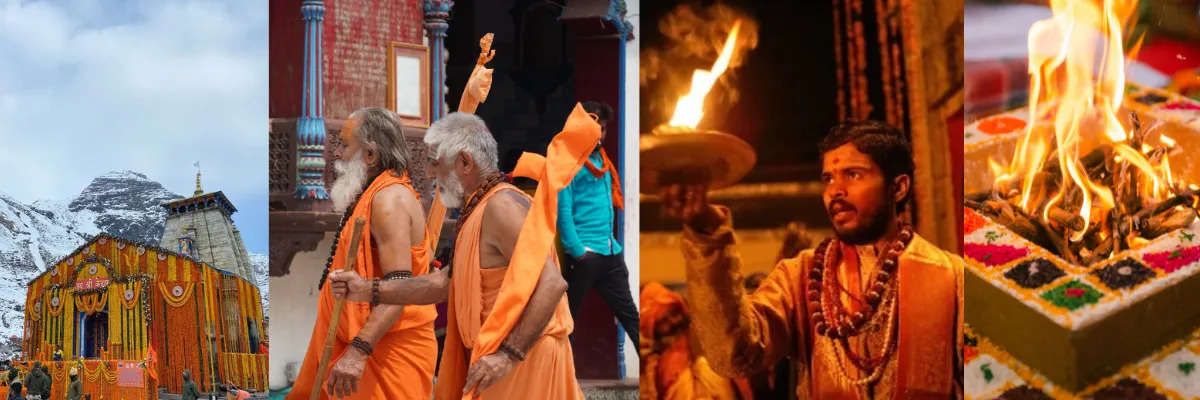
Despite being located in North India, temple rituals are traditionally conducted in Kannada. This practice continues because the Rawal and priestly lineage originate from Karnataka, creating a unique cultural connection between North and South India.
Rituals performed in Kannada

7. One of the Highest Jyotirlingas
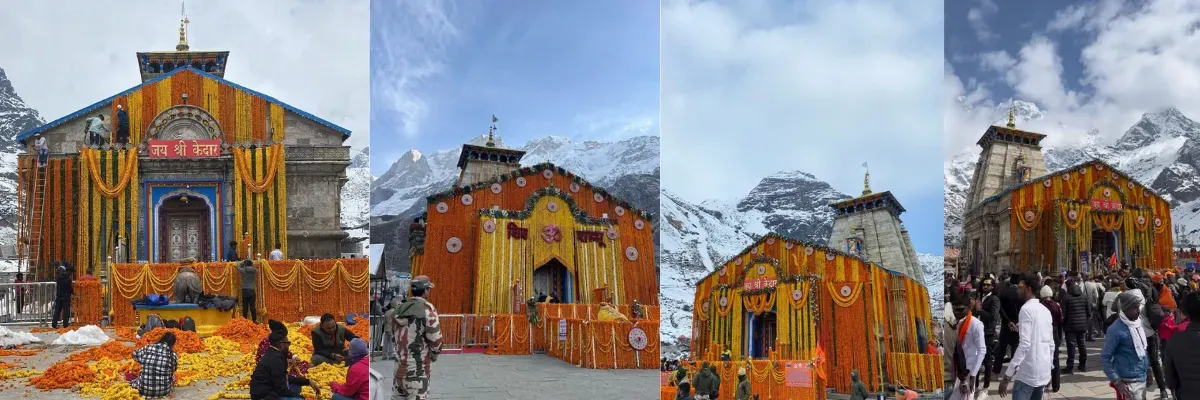
Situated at an altitude of 11,755 feet (3,583 meters), Kedarnath Temple is among the highest of the 12 Jyotirlingas dedicated to Lord Shiva. Its extreme Himalayan location adds both spiritual intensity and physical challenge to the pilgrimage.
Tips for visitors: The temple is at high altitude and require a 16 km trek to reach the temple, which can cause altitude sickness, dizziness, and fatigue. To address it carry medicine, take short breaks, and avoid eating oily oe heavy food during the trek.
one of the highest Jyotirlingas in world

8. Six-Month Winter Migration of the Idol
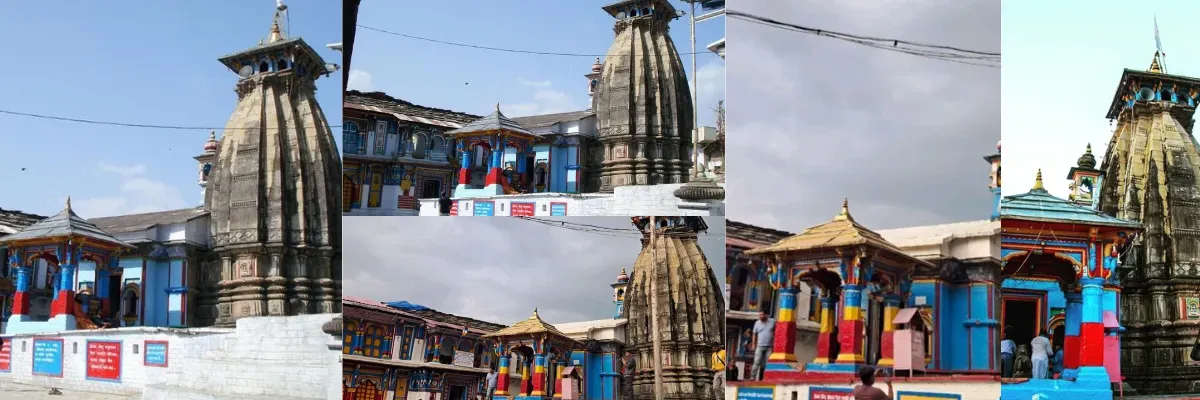
Due to heavy snowfall and extreme weather conditions, Kedarnath Temple remains closed from November to April each year. During this winter period, the idol is ceremonially shifted to Omkareshwar Temple in Ukhimath, where regular worship continues until the shrine reopens in May. Pilgrims planning their journey should carefully consider the seasonal opening schedule and the best time to visit Kedarnath to ensure safe travel and proper darshan.
Winter seat of Kedarnath Temple

9. The Akhand Jyoti – The Eternal Flame
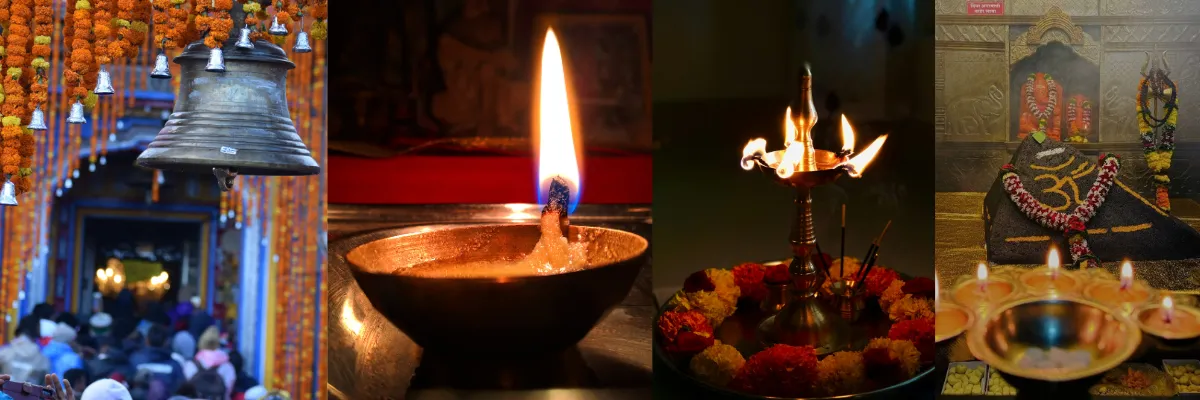
Before the temple closes for winter, priests light a sacred lamp known as the Akhand Jyoti inside the sanctum. When the temple reopens in spring, the flame is traditionally believed to still be burning, which devotees consider a divine phenomenon.
Akhand jyoty the eternal flame

10. Bhairavnath – The Guardian of Kedarnath
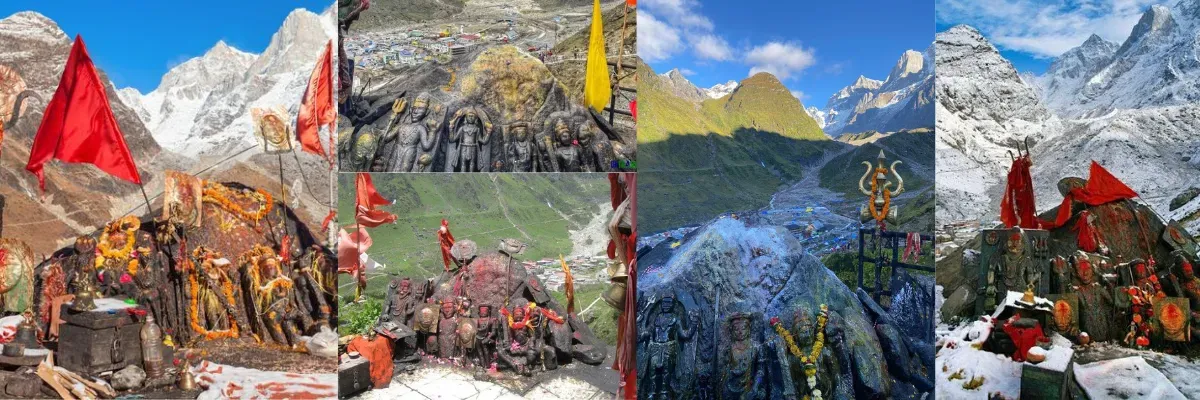
Located about 500 meters uphill is the Bhairavnath Temple, believed to protect the Kedarnath valley during the harsh winter months. Lord Bhairav is revered as the Kshetrapal (guardian deity) of the region. Devotees often offer mustard oil to the deity and seek blessings.
Pro tips: The site offers a bird-eye view of Kedar Valley, making it ideal for nature lovers and it is believed that Kedarnath Yatra is considered incomplete without visiting here.
Bhairav Nath Protecter of Kedar ghati
Want to experience these fascinating facts firsthand?
planning a spiritual journey in Uttarakhand, you can explore well-organized Kedarnath yatra package, combined Kedarnath and Badrinath tour package, or the complete Char Dham tour package covering Yamunotri, Gangotri, Kedarnath, and Badrinath. Whether you are looking for a short pilgrimage or a full Himalayan yatra experience, choosing the right travel plan ensures smooth darshan, comfortable stay, and safe transportation throughout the journey.

Mythological Story About Kedarnath Temple

The mythologies about the Kedarnath Temple is associated with Lord Shiva and Pandava brothers, while the other is linked to the Badrinath Temple. Lets read the interesting facts about Kedarnath Temple related to ancient times:
  • Atonement of Pandavas' Sins: The Kedarnath Temple is believed to be built by the Pandavas. After the war Pandavas were searching for Lord Shiva to atone their sins for killing their kinmens during the war. Bheema, the strong among five noticed a bull (Shiva in form of Nandi) and gripped the bulls so hard, that the bull sank into the ground and reappeared at five different locations, known as Panch Kedar and one of them is Kedarnath.
  • Shiva reside to Kedarnath from Badrinath: Legens hold that Lord Shiva and Maa Paravati used to live in Badrinath before Kedarnath. Lord Vishnu tricked them as a child into leaving their abode of Badrinath. Now Kedarnath is considered the primary seat of Kedarnath and Badrinath is the abode of Lord Vishnu.
You can check out Why did Shiva Leave Badrinath? to know in detail

Interesting Facts About Kedarnath Temple Architecture

The architecture of the Kedarnath Temple is built in authentic North Indian Nagara-style without mortar. This 1200 old structure is desingned with grey stones by interlocking with iron clamps. This traditional architectural practices made it still stand even in extreme weather and drastic situations.
The temple has three main sections: 
  • Garbhagriha: The main sanctum of the temple, where the sacred Shivlingam is placed.
  • Mandapa: The main pillared hall, where devotees and visitors perform prayers.
  • Ardha Mandapa: The enterance of the temple, leading to the main hall.
The temple is crowned by a tall conical tower (Sikhara), symbolising as a main feature of the Nagara architecture. In fornt of the Temple enterance a statue of Nandi (a sacred bull) is placed. Inside the Mandapa, walls and pillars are decorated with the scultptures of Pandavas and carvings of other deities with floral patterns, and animals.


FAQs- Related To Kedarnath Facts 

1. What is special about the Kedarnath temple? 

Kedarnath Temple is special because it is one of the 12 Jyotirlingas of Lord Shiva and part of the Panch Kedar pilgrimage. Located at 11,755 feet in the Himalayas, it is also one of the highest and most sacred Shiva temples in India.


2. Who is the guardian of the Kedarnath temple?

The guardian deity of Kedarnath Temple is Lord Bhairavnath. His temple, located about 500 meters uphill, is believed to protect the Kedar Valley during the harsh winter months.


3. Who is the main pandit of the Kedarnath temple? 

The chief priest of Kedarnath Temple is known as the Rawal. He belongs to the Veerashaiva community of Karnataka and oversees the temple’s religious traditions and rituals.


4. Where is the Kedarnath idol kept in winter?

The idol of Kedarnath is shifted to the Omkareshwar temple of Ukhimath during the winter, when the main temple is closed.


5. How did the Kedarnath temple survive the 2013 flood? 

Kedarnath Temple survived the 2013 Uttarakhand floods when a massive boulder, known as Bhim Shila, stopped behind the shrine and diverted the flow of floodwaters, preventing major structural damage.


6. Why Is Kedarnath Temple Famous?

Kedarnath Temple is famous for being one of the 12 Jyotirlingas of Lord Shiva and a key shrine in the Char Dham Yatra. Located at an altitude of 11,755 feet in the Garhwal Himalayas, it is one of the highest and most sacred Shiva temples in India. The temple is also renowned for its ancient stone architecture, its connection to the Pandavas, and its remarkable survival during the 2013 Uttarakhand floods.


7. Why Is the Shivling Different in Kedarnath?

The Shivling at Kedarnath is different because it is naturally triangular in shape, unlike the typical cylindrical Shiva lingams found in most temples. It is believed to represent the hump of Lord Shiva in his bull form (Nandi), which makes it spiritually unique among the 12 Jyotirlingas.


Partiksha

Written by Partiksha

6+ Years Experience in Travel Expert

Partiksha is a travel expert at Manchala Mushafir with 6+ years of experience in the travel industry. She specializes in temple tourism and mountain travel across India, sharing practical travel insights, cultural knowledge, and authentic experiences with travellers.

More about the author

Visit Us At

3rd Floor, E – 15 / 94-95
Halar road, Pocket 15, Sector 8,
Rohini, New Delhi -110085

Check office location

GST Number - 07AANCM6451F1ZA

Call Us On

+91-9311052232

+91-9310158548

Email Us @

manchalamushafir@gmail.com

WhatsApp

© Copyright 2026. All Right Reserved. Powered By Manchala Mushafir