
Why Did Shiva Leave Badrinath? The Mythological Story Behind Kedarnath and Badrinath
Category: Travel | Updated On: August 8, 2026 | Published: March 16, 2026
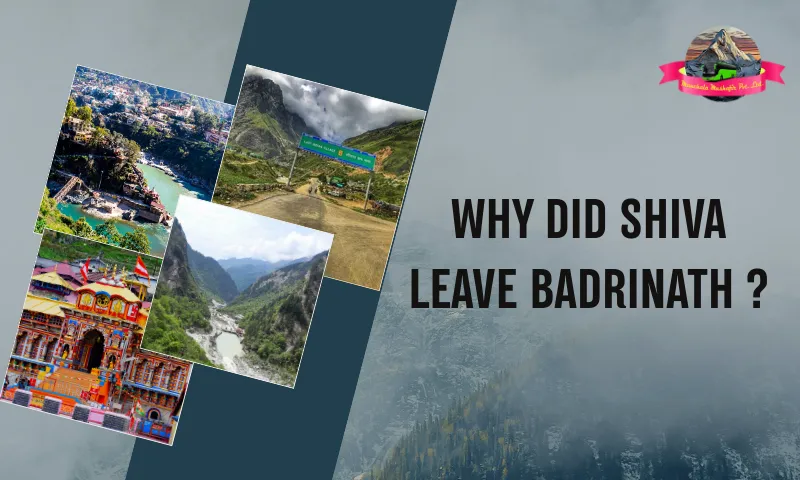
Why Did Shiva Leave Badrinath?
Many pilgrims visiting Badrinath often ask: Why did Shiva leave Badrinath? According to Hindu mythology, Lord Shiva and Goddess Parvati once lived in the sacred Himalayan region of Badrinath. However, Lord Vishnu wanted this divine place for meditation and spiritual practices.
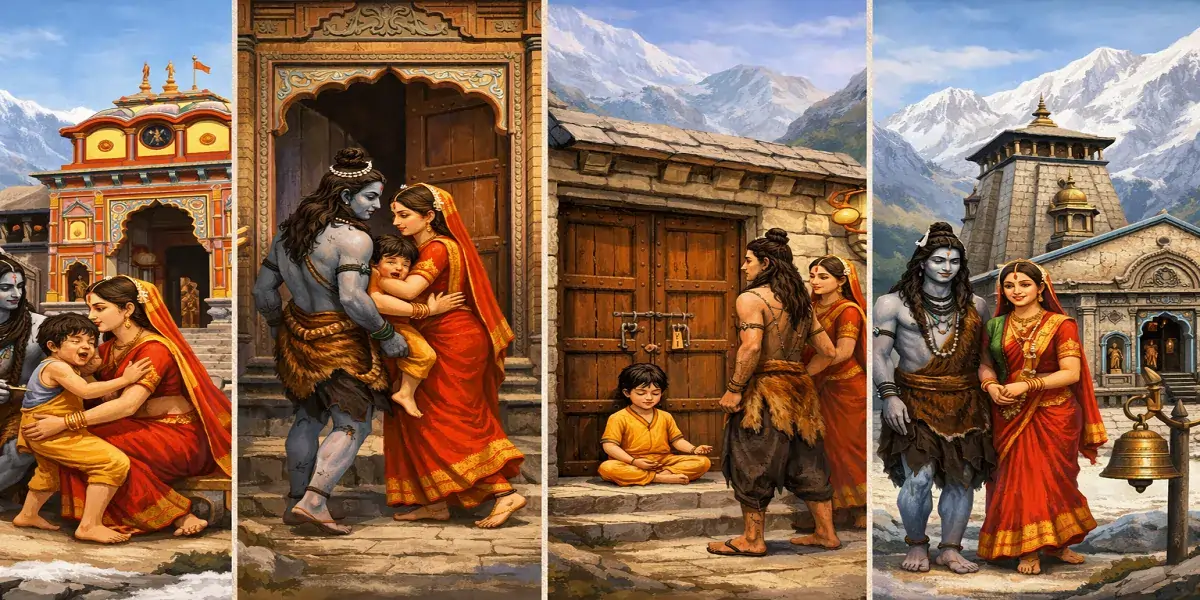
To obtain the place, Lord Vishnu appeared as a crying child outside the home of Shiva and Parvati. Seeing the child crying helplessly, Goddess Parvati’s heart melted and she took the child inside the house.
When Shiva and Parvati later stepped out for a bath, Lord Vishnu locked the door from inside and claimed Badrinath as his meditation place. Respecting Goddess Parvati’s affection for the child and the divine situation, Lord Shiva decided not to destroy the place and peacefully left Badrinath. He later chose Kedarnath as his new abode.
Visiting Badrinath Today
Today, Badrinath is one of the most sacred pilgrimage destinations in India and an important part of the Char Dham Yatra. Located in the Garhwal Himalayas of Uttarakhand at an altitude of about 3,300 metres, the temple attracts millions of devotees every year.
Pilgrims visit Badrinath not only for the blessings of Lord Vishnu but also to experience the deep spiritual connection between Badrinath and Kedarnath, which is rooted in ancient mythology.
Planning your own visit? See our Badrinath Tour Packages, starting from ₹8,400 per person, with hotel stay, transport and darshan arrangements included.
Table of Contents
- Why Did Shiva Leave Badrinath?
- Visiting Badrinath Today
- The Full Story: How Vishnu Obtained Badrinath
- Who Was the Crying Child in Badrinath?
- Why Did Vishnu Disguise Himself as a Child Instead of Asking Directly?
- Why Did Shiva Leave Peacefully Instead of Reclaiming Badrinath?
- Why Did Shiva Choose Kedarnath After Leaving Badrinath?
- Why Lord Vishnu Chose Badrinath
- The Spiritual Connection Between Kedarnath and Badrinath
- Benefits of Visiting Kedarnath and Badrinath Together
- A Thought From My Personal Experience
- FAQs About Badrinath and Kedarnath
The Full Story: How Vishnu Obtained Badrinath
According to ancient Hindu legends, the sacred region of Badrinath was once the residence of Lord Shiva and Goddess Parvati. Surrounded by the majestic Himalayas and the peaceful Alaknanda River, the place was known for its divine energy and spiritual atmosphere.
During that time, Lord Vishnu was searching for a powerful and serene location where he could perform deep meditation for the welfare of the universe. When he discovered the tranquil land of Badrinath, he realised it was the perfect place for his spiritual practice.
Who Was the Crying Child in Badrinath?
One day, when Shiva and Parvati returned home after a walk, they saw a small child crying helplessly outside their dwelling. Goddess Parvati, filled with compassion, immediately picked up the child and carried him inside. Lord Shiva sensed that something unusual was happening because there were no footprints around the child, yet he did not oppose Parvati’s decision.
After some time, Shiva and Parvati went to take a bath in the nearby river. When they returned, they discovered that the door of their home was locked from the inside. The crying child was actually Lord Vishnu in disguise, who had chosen Badrinath as his place of meditation.
Why Did Vishnu Disguise Himself as a Child Instead of Asking Directly?
Hindu tradition often explains such stories as divine leelas, where the gods use symbolic actions rather than direct requests. By appearing as a helpless, crying child, Vishnu ensured that Badrinath came to him through Parvati’s compassion and Shiva’s voluntary grace, rather than through a conflict between two powerful gods. This is why the story is remembered as an act of humility and harmony rather than a dispute.
Why Did Shiva Leave Peacefully Instead of Reclaiming Badrinath?
At that moment, Lord Shiva could have easily destroyed the place with his divine power. However, respecting Parvati’s affection for the child and the divine purpose behind the event, Shiva chose to leave peacefully instead of creating destruction.
Why Did Shiva Choose Kedarnath After Leaving Badrinath?
Lord Shiva then moved to Kedarnath, where he established his new abode. Kedarnath was already regarded as one of the twelve sacred Jyotirlingas of Lord Shiva, making it a fitting and powerful new seat for him. Today, Kedarnath Temple is one of the most sacred pilgrimage sites dedicated to Lord Shiva and holds immense importance in the Char Dham Yatra.
Why Lord Vishnu Chose Badrinath
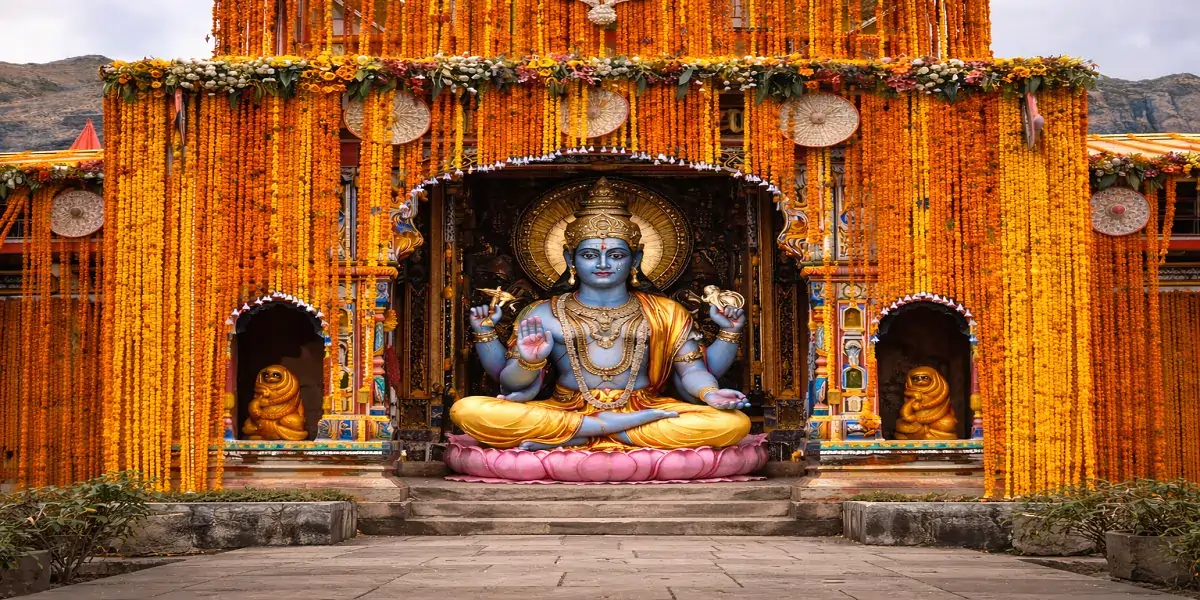
Badrinath is located in the high Himalayas and is considered one of the most spiritually powerful places in India. According to Hindu belief and facts about Badrinath Temple, Lord Vishnu wanted this place to perform intense meditation for the welfare of the universe.
After Lord Shiva left the region, Badrinath became the sacred meditation site of Lord Vishnu.
Many centuries later, the great philosopher Adi Shankaracharya rediscovered and revived the temple, helping restore Hindu spiritual traditions in the region.
Today, Badrinath Temple is one of the most important pilgrimage sites dedicated to Lord Vishnu and is also a part of the famous Char Dham Yatra. Pilgrims visiting the temple also make their way to Brahma Kapal, a sacred site on the banks of the Alaknanda River, just a short walk away, believed to be where Lord Shiva himself was freed from the sin of Brahma Hatya.
The Spiritual Connection Between Kedarnath and Badrinath
Although Badrinath is dedicated to Lord Vishnu and Kedarnath is dedicated to Lord Shiva, both temples share a deep spiritual connection.
According to mythology, after leaving Badrinath, Lord Shiva settled in Kedarnath. Because of this divine connection, many pilgrims visit Kedarnath and Badrinath together, which is popularly known as the Do Dham Yatra.
Both temples are located in the Garhwal Himalayas of Uttarakhand and attract millions of devotees every year seeking spiritual blessings and peace.
Benefits of Visiting Kedarnath and Badrinath Together
• Devotees receive the blessings of both Lord Shiva and Lord Vishnu.
• The pilgrimage symbolises the spiritual harmony between Shaivism and Vaishnavism.
• It is believed to bring peace, positive energy, and spiritual purification.
• Many devotees believe that completing the Do Dham Yatra removes obstacles and fulfils sincere prayers.
• Visiting both temples together is considered more spiritually rewarding than visiting only one shrine.
A Thought From My Personal Experience
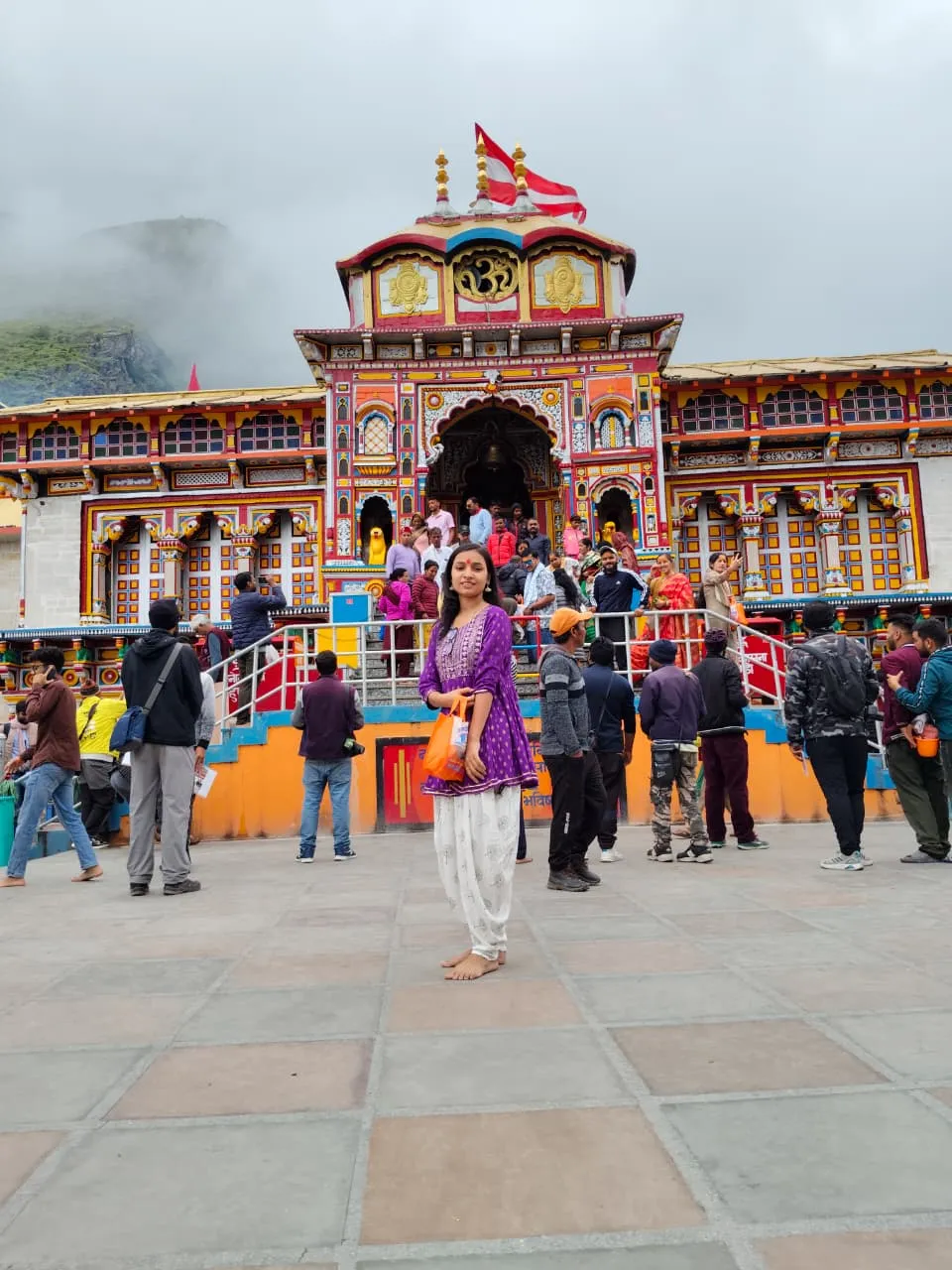
Having visited Badrinath many times and organising pilgrimages to Kedarnath and Badrinath for the past 8 years, this story has always made me think about the deeper meaning behind the legend.
One question that often comes to mind is why Lord Vishnu chose such a unique way to obtain the place instead of simply asking Lord Shiva directly.
The priest explained that in Hindu traditions such stories are considered divine leelas of the gods and teaches an important message of humility, compassion, and respect among divine powers.
Rather than conflict, the legend shows how Lord Shiva chose peace and allowed Lord Vishnu to meditate in Badrinath, which ultimately created two of the most sacred pilgrimage sites in the Himalayas — Kedarnath and Badrinath.
Over the years, while guiding pilgrims on this journey, many devotees say that this story beautifully represents the harmony between Lord Shiva and Lord Vishnu, which is why visiting both temples together is considered so spiritually significant.
FAQs About Badrinath and Kedarnath
1) Why did Shiva leave Badrinath?
According to Hindu mythology, Lord Vishnu wanted Badrinath as a place for meditation. He appeared as a crying child to Goddess Parvati, who took him inside their home. Later, Vishnu occupied the place, and Lord Shiva chose Kedarnath as his new abode.
2) Why is Badrinath Temple so famous?
Badrinath Temple is one of the most important pilgrimage sites dedicated to Lord Vishnu and is part of the sacred Char Dham Yatra in Uttarakhand. Millions of devotees visit the temple every year to seek spiritual blessings.
3) Why do pilgrims visit Kedarnath and Badrinath together?
Many devotees believe that visiting both temples together brings the blessings of Lord Shiva and Lord Vishnu. This pilgrimage is popularly known as the Do Dham Yatra and is considered highly spiritually rewarding.
4) Is the story of Shiva leaving Badrinath historical or mythological?
It is a traditional legend from Hindu mythology, passed down through oral tradition and Puranic literature, not a documented historical event. It is treated as a sacred story that explains the spiritual origin of Badrinath and Kedarnath, rather than a verifiable historical account.