There are very few places on earth where you can raft down a churning Himalayan river in the morning, attend a centuries-old fire ceremony at sunset, and fall asleep to the sound of the Ganges — all in a single day.
Rishikesh is that rare place, a place that serves as a primary gateway to the famous pilgrimages in Uttarakhand, including Char Dham Yatra, Do Dham Yatra, and more.
Nestled in the foothills of the Himalayas in Uttarakhand, this sacred city is far more than a pilgrimage stop. It is the Yoga Capital of the World, a hub for adventure sports, a magnet for international travelers, and one of the most spiritually charged destinations on the planet.
Whether you are a first-time visitor or a returning devotee, this guide walks you through the top 10 places to visit in Rishikesh, complete with practical tips, timings, and everything you need to plan a trip worth remembering.
Top Places to Visit in Rishikesh
1. Laxman Jhula & Ram Jhula
No list of
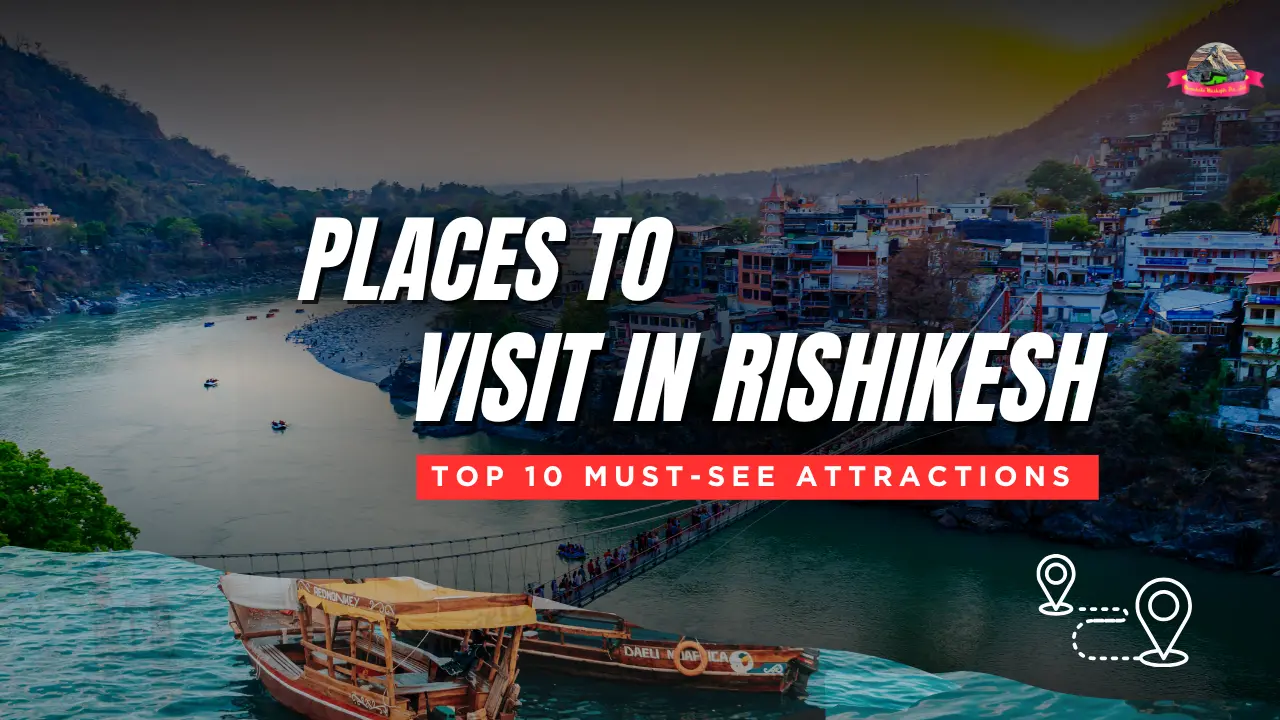
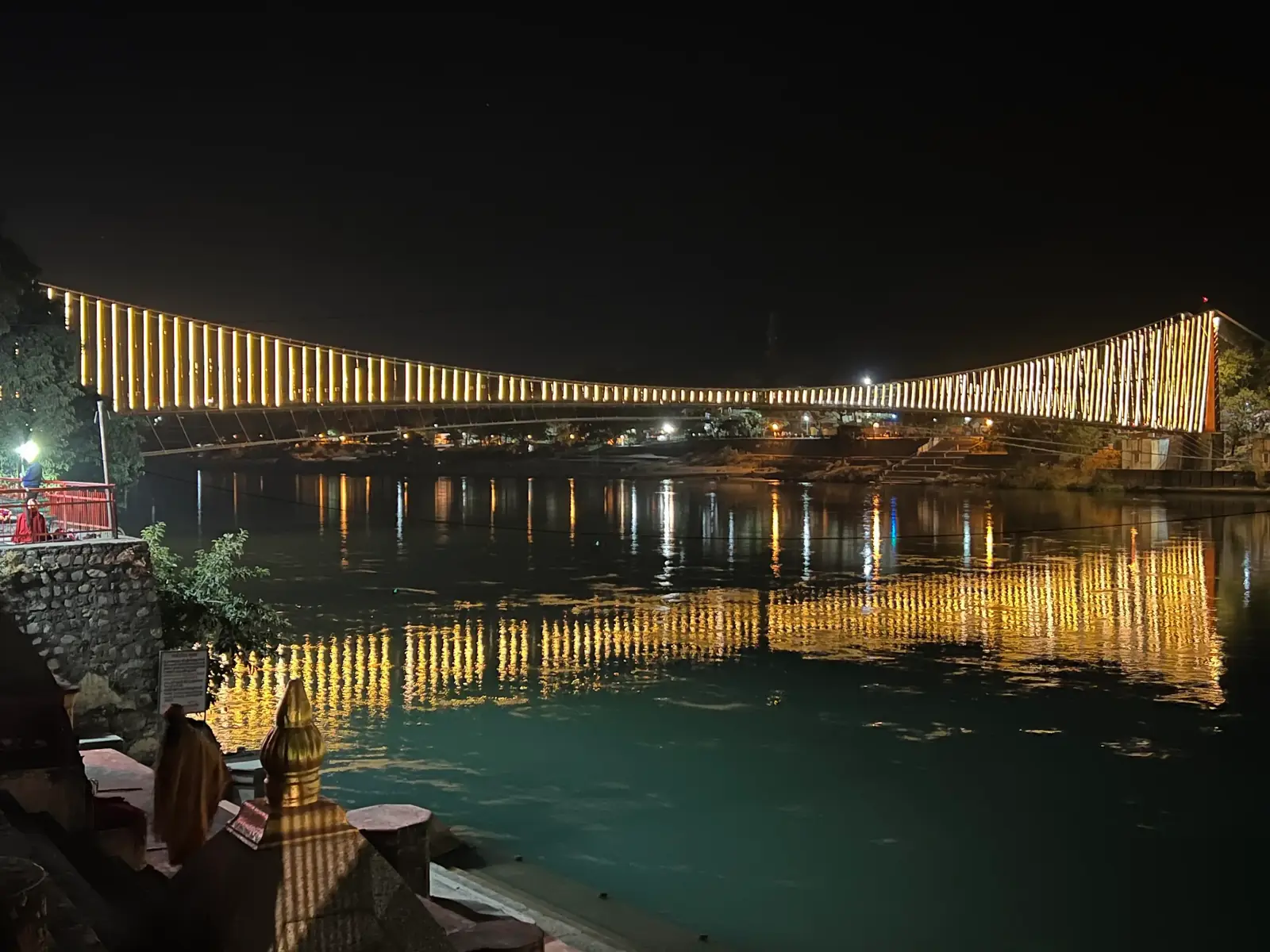
Rishikesh places to visit is complete without its most iconic landmarks. Laxman Jhula is a 450-foot iron suspension bridge that sways gently above the Ganges, offering breathtaking views of the river, the surrounding hills, and the ashrams that cling to both banks. According to Hindu mythology, Lord Laxman crossed the Ganga at this very spot using a jute rope bridge — giving the modern structure its name.
Ram Jhula, built in the 1980s, is a slightly wider companion bridge nearby, connecting the Muni ki Reti area with Swarg Ashram. Both bridges are pedestrian-only (though two-wheelers squeeze through), creating a lively, chaotic, and completely unforgettable experience as sadhus in saffron robes, families, monkeys, and backpackers all navigate the narrow crossing together.
- Entry: Free
- Best time: Early morning or golden hour
- Tip: Watch your belongings — monkeys are bold
2. Triveni Ghat
Triveni Ghat is the spiritual heartbeat of Rishikesh. The name refers to the mythological confluence of three sacred rivers — the Ganga, Yamuna, and the invisible Saraswati — making it one of the holiest bathing spots in the Himalayan region. Pilgrims arrive before dawn for the morning dip, believing the water purifies the soul and washes away lifetimes of karma.
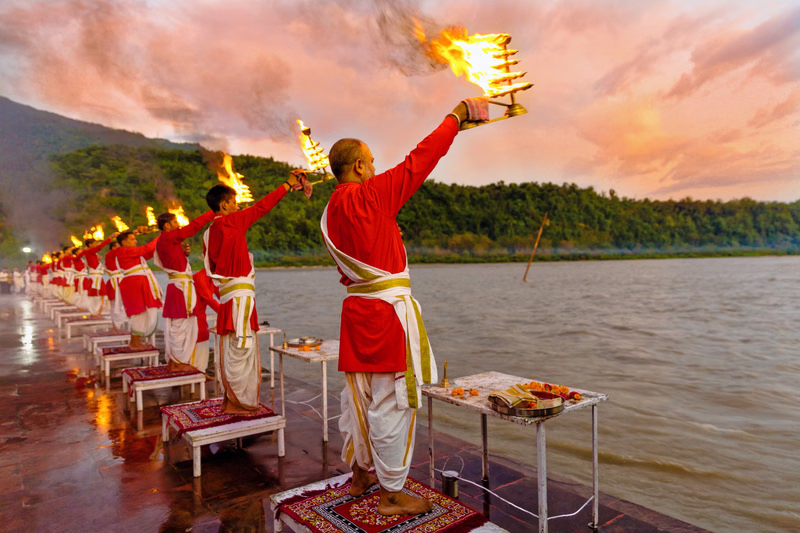
But the real spectacle happens at dusk, when priests gather on the ghat steps to perform the Ganga Aarti. The air fills with the sound of conch shells, bells, and Sanskrit chants as large brass lamps trace fiery arcs above the dark river. Dozens of leaf boats bearing lit diyas drift downstream, and the collective energy — thousands of people united in devotion — is something that genuinely moves even the most secular of travellers.
- Entry: Free
- Aarti time: Around 6:00 PM (varies by season)
- Distance from Laxman Jhula: ~3 km
3. Neelkanth Mahadev Temple
Perched at 1,330 metres above sea level, deep in the forests of the Garhwal Himalayas, the
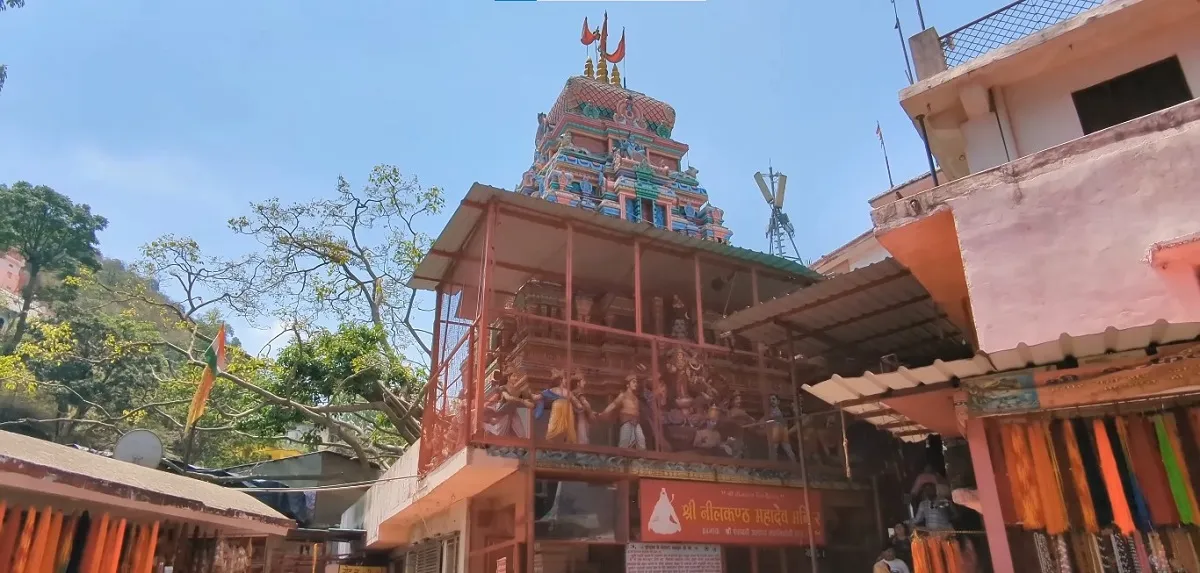
Neelkanth Mahadev Temple is one of the most sacred Shiva shrines in northern India. The temple is dedicated to Lord Shiva in his "Neelkanth" (blue-throated) form. According to Hindu mythology, this is the precise spot where Shiva drank the deadly poison Halahala that emerged during the cosmic churning of the ocean (Samudra Manthan), holding it in his throat to protect creation — turning his neck permanently blue.
The temple sits at the junction of the rivers Pankaja and Madhumati, surrounded by the valleys of Manikoot, Brahmakoot, and Vishnukoot — a setting so dramatic it feels divinely arranged. The architecture blends Dravidian and North Indian styles, with a shikhara (spire) adorned with sculptures depicting the Samudra Manthan story. Inside, a natural Shiva Lingam is the presiding deity, and a sacred hot spring in the complex is used for ritual bathing before entering the inner sanctum.
For the adventurous, a 12-km trek from Ram Jhula (approximately 4–5 hours) winds through dense forest and offers panoramic views of the Himalayan foothills. The drive up is equally scenic, taking about 1.5 hours by taxi through hairpin bends canopied by towering trees.
- Entry: Free
- Distance: 32 km from Rishikesh
- Timings: 5:00 AM – 6:00 PM
- Busiest: Maha Shivratri & Shravan month
4. Beatles Ashram (Chaurasi Kutia)
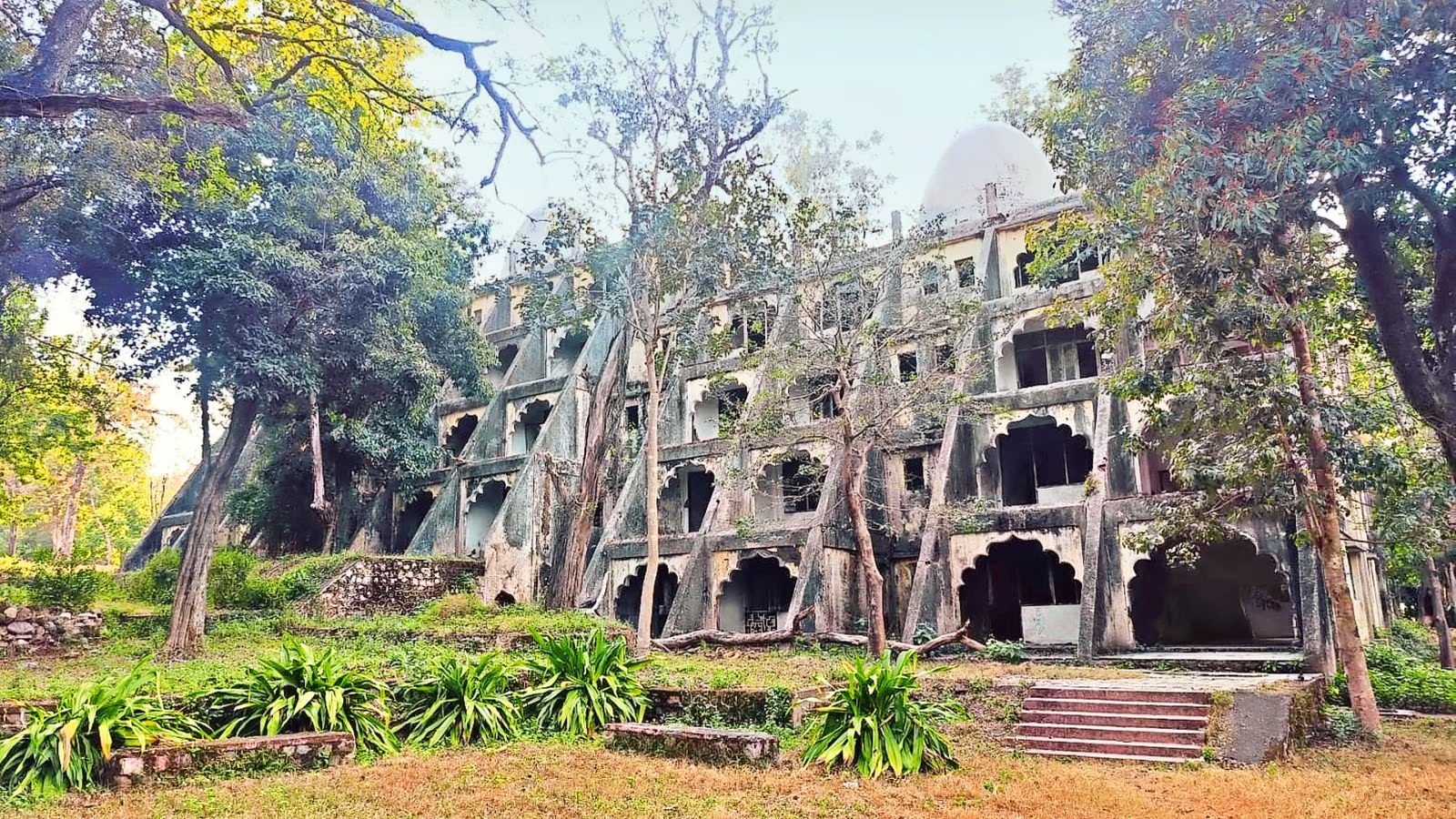
In February 1968, four musicians from Liverpool walked into an ashram on the eastern bank of the Ganges and changed pop history. John, Paul, George, and Ringo spent several weeks here under the guidance of Maharishi Mahesh Yogi, immersing themselves in Transcendental Meditation and writing dozens of songs — many of which appeared on the legendary "White Album." The ashram, officially called Chaurasi Kutia, has since been abandoned, but its walls have become a canvas for some of the most striking graffiti art in India.
Today the site is part of the Rajaji Tiger Reserve and is open to tourists for a small entry fee. Walking through the overgrown meditation huts, the fallen lecture halls, and the distinctive "beehive" meditation domes is a deeply strange and beautiful experience — part ruin, part gallery, part pilgrimage site for music lovers from around the world.
- Entry: ₹150 (Indians), ₹600 (foreigners)
- Timings: 8:00 AM – 5:00 PM
- Tip: Bring water — no facilities inside
5. Parmarth Niketan Ashram
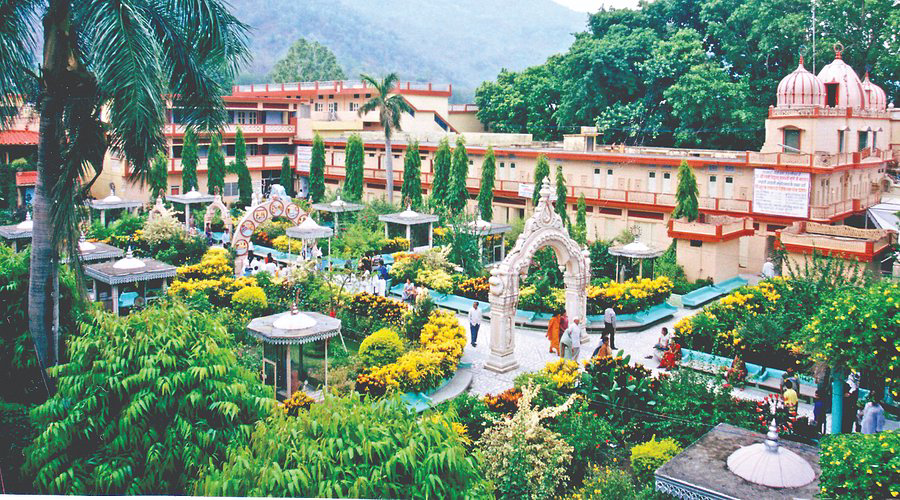
Parmarth Niketan is one of the largest and most respected ashrams in Rishikesh, and arguably the best place to experience the city's spiritual side in a structured, welcoming environment. Sitting directly on the banks of the Ganges, the ashram hosts thousands of pilgrims, yoga students, and international travellers simultaneously — a scale that somehow never undermines its sense of peace.
The ashram offers daily yoga and meditation classes, Ayurveda treatments, spiritual discourses, and Satsang sessions. Its evening Ganga Aarti is considered one of the most atmospheric in the region, performed on the steps leading down to the river. International yoga retreats, wellness programs, and even children's education initiatives all run under the same roof.
- Entry: Free (programs have fees)
- Special: Evening Ganga Aarti at dusk
- Located near: Ram Jhula
6. White-Water Rafting on the Ganges
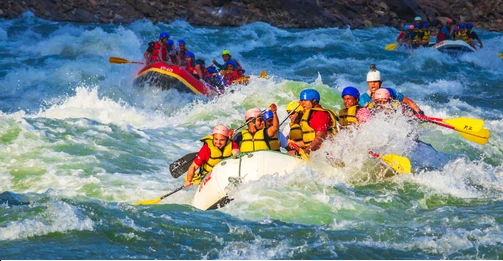
Rishikesh is the white-water rafting capital of India, and the Ganges here provides rapids of varying grades suitable for beginners and experienced rafters alike. The most popular stretch runs from Shivpuri to Rishikesh (16 km), passing through rapids with names like Roller Coaster, Golf Course, and Club House. Longer routes begin as far upstream as Kaudiyala (36 km) for those who want a more serious challenge.
The rafting season runs from mid-September to mid-November and from February to May — outside monsoon, when the river is too dangerous. Many operators include riverside camping and bonfire dinners as part of multi-day packages, turning a rafting trip into a full Himalayan adventure.
- Season: Sep–Nov & Feb–May
- Cost: ₹600–₹2,500 depending on stretch
- Duration: 1.5–4 hours on water
- Base camp: Shivpuri, ~16 km upstream
7. Kunjapuri Devi Temple
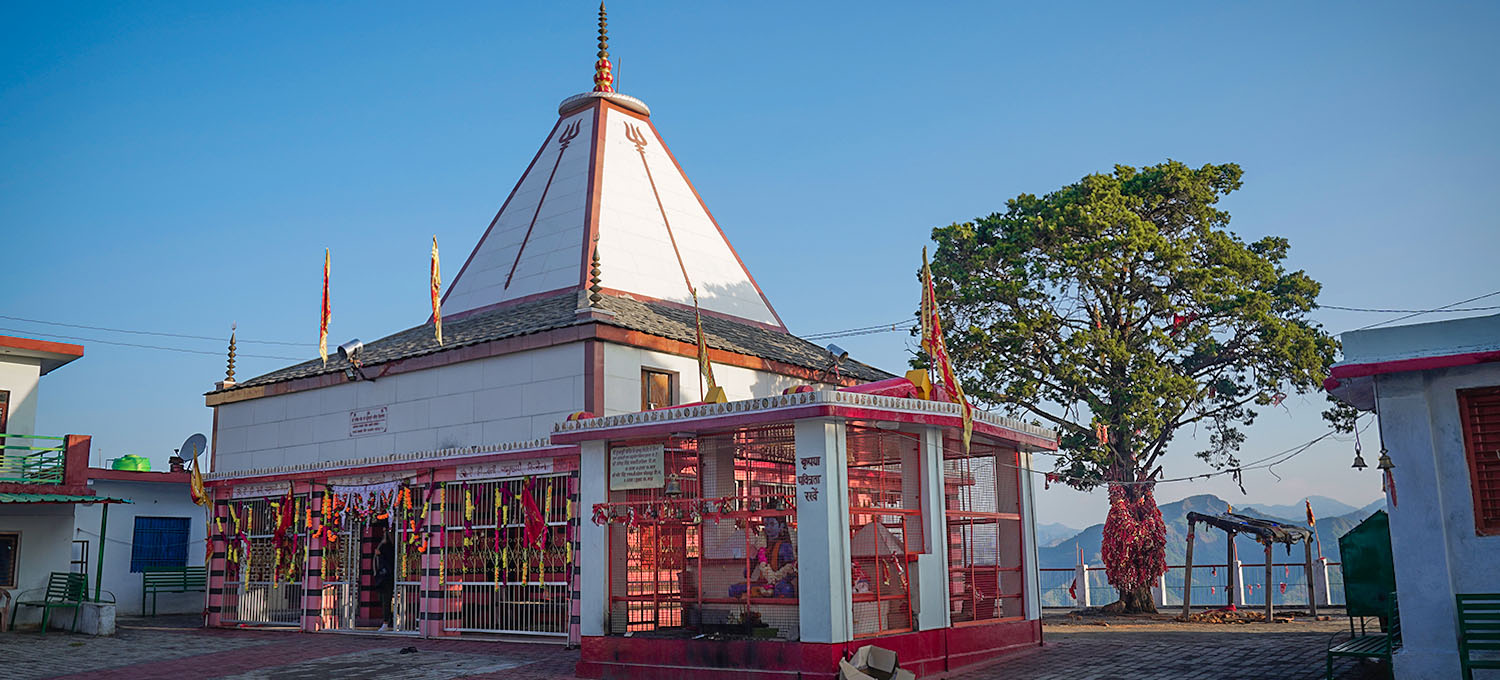
If you are willing to set your alarm for 4 AM, Kunjapuri Temple will reward you with one of the most spectacular sunrise views in the Himalayas. Perched at approximately 1,650 metres above sea level in the Tehri Garhwal district, the temple sits above the clouds on clear mornings, offering a sweeping panorama of the snow-capped Himalayan range — including peaks like Bandarpunch, Kedarnath, and Gangotri — glowing in the first light of dawn.
The temple is dedicated to Goddess Kunjapuri Devi and is one of the three Shakti Peethas in the region (alongside Surkanda Devi and Chandrabadni). The short trek from the roadhead to the temple takes about 30–45 minutes through pine forests, making it accessible to most fitness levels. Many travellers combine this with a sunrise view before heading back to Rishikesh for breakfast.
- Best time: Pre-dawn (winter & spring)
- Distance: 25 km from Rishikesh
- Trek: 1.5 km from parking area
8. Neer Garh Waterfall
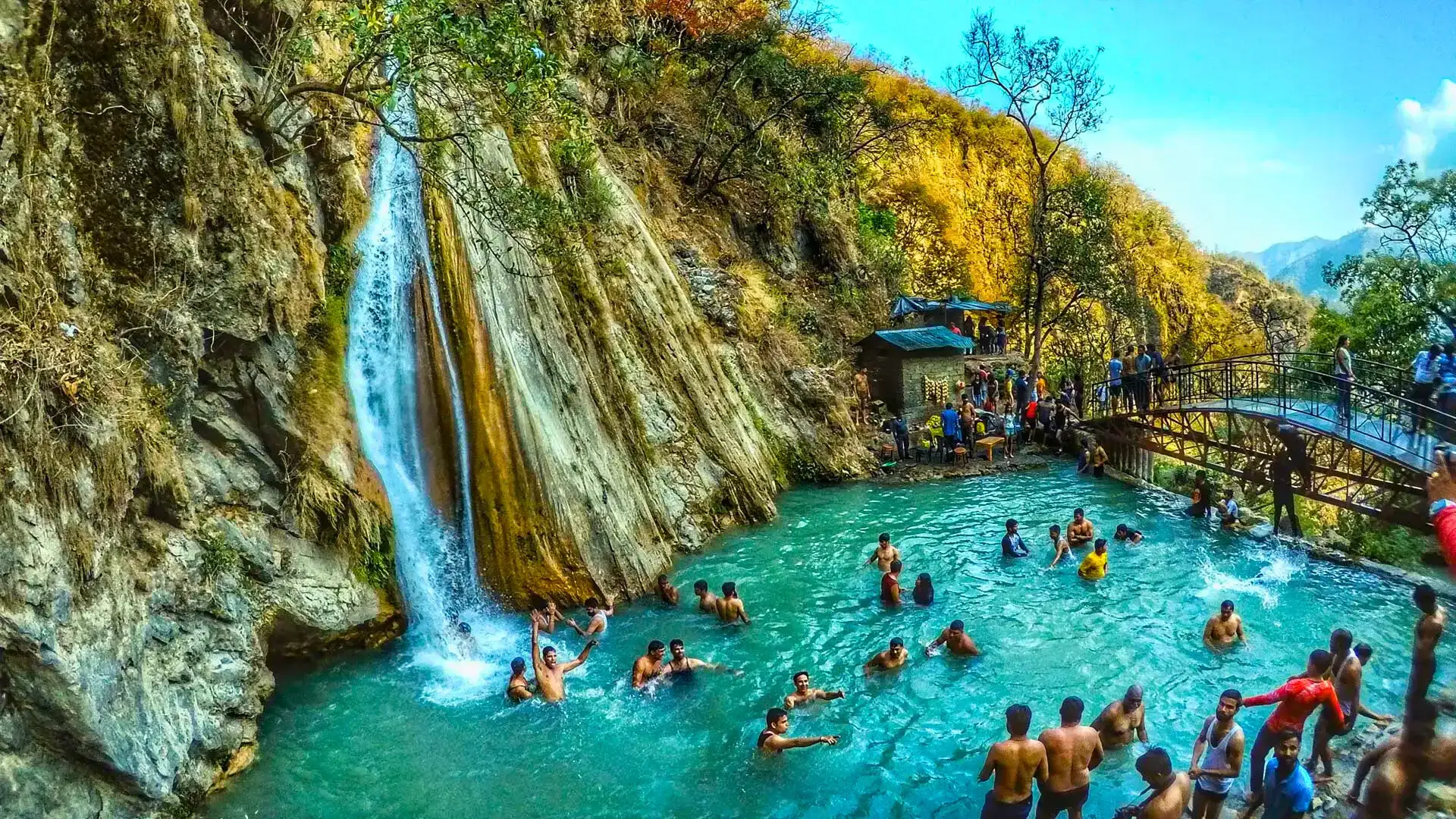
Just 3 kilometres from Laxman Jhula, Neer Garh Waterfall is a beautiful two-tiered cascade that tumbles down through a forested gorge into a clear, shallow pool. The 2-km trek through the jungle is part of the appeal — you'll walk along a rocky path with the sound of birdsong replacing city noise, arriving at a cool, secluded spot perfect for a swim or a picnic.
The waterfall is at its most dramatic during and just after the monsoon season (July–September), when the flow is strongest and the surrounding forest is a deep, vivid green. In winter and spring, the water level is lower but the trek is more comfortable and the pool safer for wading.
- Entry: ₹50–₹100
- Trek: ~2 km one way (45 mins)
- Best season: July–October for flow
9. Rajaji National Park
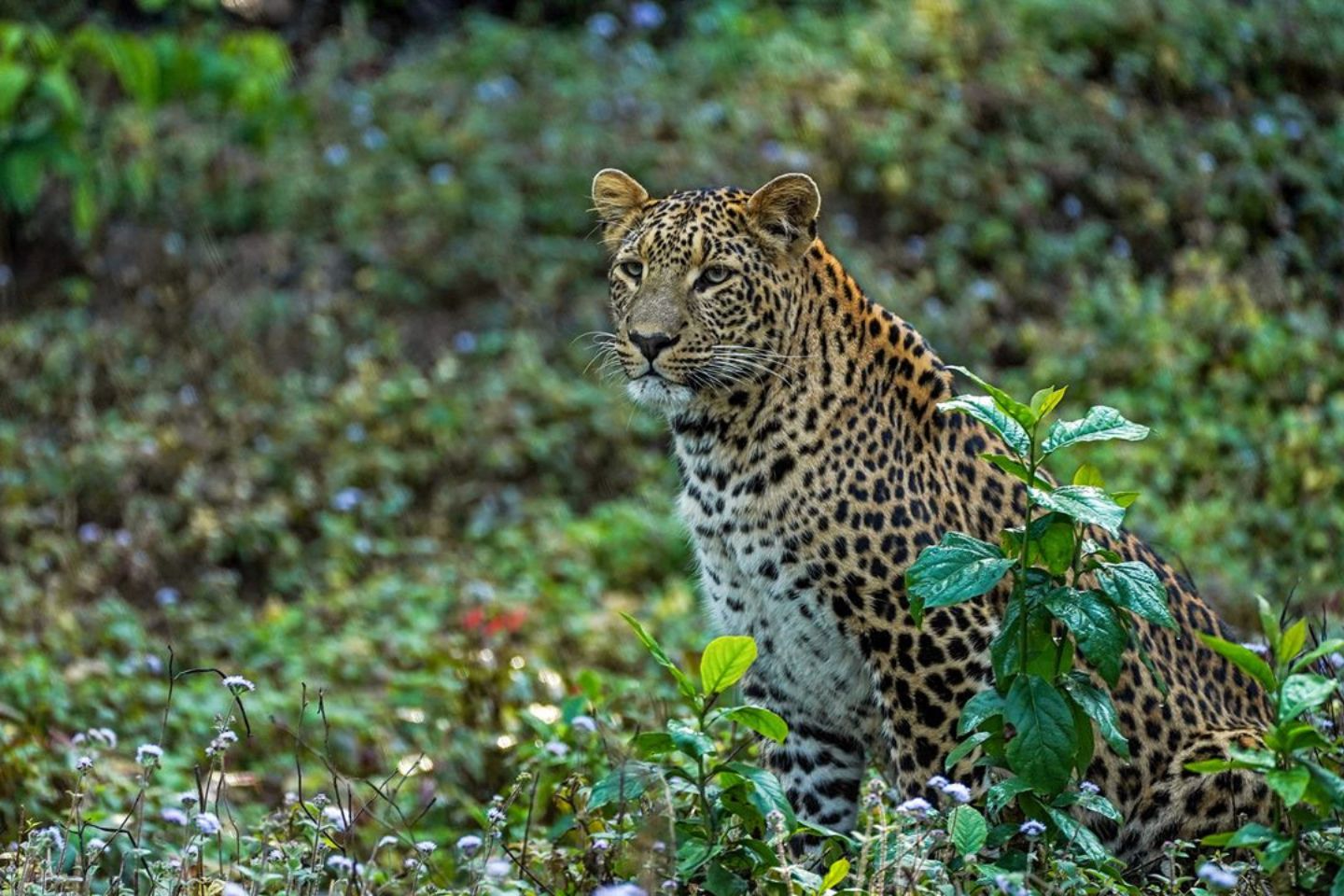
Stretching across 820 square kilometres of Himalayan foothills, Rajaji National Park is a wildlife sanctuary that begins almost at Rishikesh's doorstep. The park is home to Asian elephants, tigers, leopards, king cobras, over 300 species of birds, and the occasional sloth bear. The dense sal forests and river valleys create a striking contrast with the spiritual townscape just a few kilometres away.
Jeep safaris into the Chilla zone of the park are the most popular option for day visitors. Early morning drives (6:00–9:00 AM) offer the highest chance of elephant sightings. The park is also the road you travel through to reach the Beatles Ashram, so even a casual drive provides glimpses of deer and langur monkeys.
- Season: Nov – June (closed monsoon)
- Safari: ₹1,500–₹3,000 per jeep
- Best for: Elephants, birds, leopards
10. Yoga Ashrams & Wellness Centres
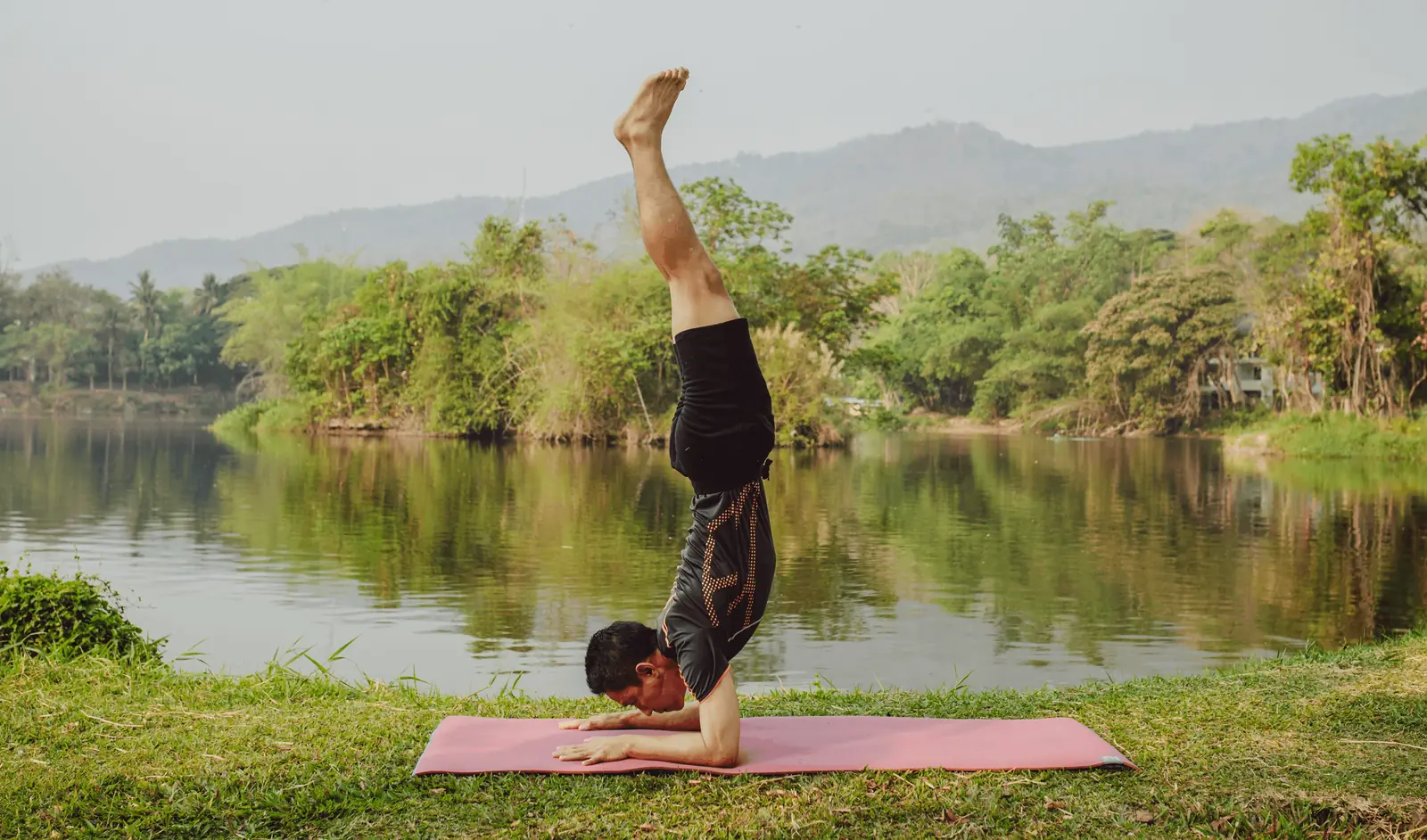
Rishikesh earns its title of Yoga Capital of the World not just from history but from the sheer density of its spiritual infrastructure. The city is home to hundreds of yoga schools, meditation centres, and Ayurveda clinics, ranging from one-day drop-in classes to month-long 200-hour Yoga Teacher Training programmes certified by Yoga Alliance International.
Among the most renowned institutions are Sivananda Ashram (founded by the revered Swami Sivananda, a pioneer of modern yoga), Anand Prakash Ashram (specializing in Akhanda yoga), and Parmarth Niketan. Hatha Yoga is the most commonly taught style, though Kundalini, Vinyasa, and Yin Yoga classes are widely available. For healing-focused visitors, Shirodhara (oil-poured-on-forehead) and Abhyanga (synchronized oil massage) are signature Ayurvedic treatments available at several wellness retreats.
- Drop-in class: ₹300–₹800
- 200-hr TTC: From ₹25,000/month
- Popular styles: Hatha, Kundalini, Vinyasa
Best Time to Visit Rishikesh
Rishikesh is a year-round destination, but each season offers a very different experience. Here's a quick seasonal breakdown to help you plan:
| Season | Months | Temp Range | Verdict |
| Winter | Oct – Feb | 8°C – 25°C | Best Time |
| Spring | Mar – May | 14°C – 35°C | Good |
| Monsoon | Jun – Sep | 14°C – 35°C | Avoid (Rafting closed) |
The sweet spots are October–November (post-monsoon, clear skies, lush greenery) and February–April (ideal weather for yoga retreats, trekking, and temple visits). Maha Shivratri (Feb–Mar) draws enormous crowds to Neelkanth Mahadev and the ghats — an unforgettable experience if you don't mind the company.
How to Reach Rishikesh
Getting to Rishikesh is straightforward from most major Indian cities:
- By Air: The nearest airport is Jolly Grant Airport in Dehradun, approximately 35 km from Rishikesh. Regular flights connect Dehradun with Delhi, Mumbai, and Bangalore. From the airport, taxis take about 45 minutes to an hour.
- By Train: Haridwar Railway Station (24 km) has the best rail connectivity, with trains from Delhi (Shatabdi Express, approx. 4–5 hours), Mumbai, and Kolkata. From Haridwar, shared taxis and buses to Rishikesh run frequently. Rishikesh also has its own station with limited services.
- By Road: Rishikesh is well connected to Delhi by road (~240 km, approximately 5–6 hours). Buses from UPSRTC and Uttarakhand Roadways run from Delhi's ISBT Kashmere Gate and Anand Vihar terminals regularly. Self-driving is also a popular option, as the expressway via Haridwar makes the journey smooth.
Practical Tips for Visiting Rishikesh
- Dress respectfully: Rishikesh is a holy city. Modest clothing — covering shoulders and knees — is appreciated everywhere and required inside temples. Many local shops sell inexpensive kurtas if you haven't packed appropriately.
- Move around on foot or bike: The eastern bank of the Ganga near Laxman Jhula is a pedestrian-only zone — one of the most enjoyable aspects of the city. Renting a bicycle or scooter is easy and gives you freedom to explore at your own pace. Motorbikes can be arranged through most guesthouses.
- Be wary of commission touts: Some cycle rickshaw and auto drivers earn commissions from specific ashrams or tour operators. Book yoga courses and adventure activities directly or through well-reviewed online platforms like Thrillophilia.
- Carry cash: While UPI payments are increasingly accepted, remote areas like Neelkanth Mahadev Temple and the trails around Rajaji National Park have limited digital payment infrastructure.
- Book rafting in advance during peak season: October–November and February–April see extremely high demand. Government-authorized operators are listed on the Uttarakhand Tourism website.
Frequently Asked Questions About Rishikesh
How many days are enough to explore the top places in Rishikesh?
A 3-day trip covers all the major Rishikesh places to visit — the Jhulas, Triveni Ghat, Neelkanth Temple, Beatles Ashram, and a day of rafting. If you want to add a yoga retreat, trek to Kunjapuri, or explore Rajaji National Park properly, plan for 5–7 days.
Is Rishikesh safe for solo female travellers?
Yes, Rishikesh is widely regarded as one of the safer destinations in India for solo female travellers. The city's spiritual character and large international tourist presence create a generally respectful environment. Standard travel precautions apply, especially after dark.
What is the best time to attend Ganga Aarti in Rishikesh?
The Ganga Aarti at Triveni Ghat and Parmarth Niketan happens every evening at sunset (roughly 6:00–6:30 PM in winter, 7:00–7:30 PM in summer). Arrive at least 30 minutes early during peak tourist season to get a good viewing spot.
Can beginners do white-water rafting in Rishikesh?
Absolutely. The Shivpuri to Rishikesh stretch (Grade II–III rapids) is ideal for beginners and requires no prior experience. All equipment and life jackets are provided, and operators are experienced in guiding first-timers.
Is Rishikesh expensive to visit?
Rishikesh caters to every budget. Dormitory beds in hostels start from ₹400 per night, budget guesthouses from ₹800–₹1,500, and quality hotels from ₹3,000 upward. A full day of activities including a yoga class, meals, and sightseeing can cost as little as ₹1,000–₹1,500 per person.
What are the top 10 places to visit in Rishikesh in short?
Laxman Jhula, Ram Jhula, Triveni Ghat, Neelkanth Mahadev Temple, Beatles Ashram, Parmarth Niketan Ashram, white-water rafting at Shivpuri, Kunjapuri Temple (for sunrise), Neer Garh Waterfall, and the yoga ashrams of Rishikesh.
Conclusion: Rishikesh Is Worth Every Kilometre
Rishikesh is one of those rare destinations that delivers on every promise. Whether you come seeking inner peace, physical adventure, cultural immersion, or simply the indescribable experience of watching the Ganges flow at dawn — you will leave changed in some small way. The city wears its ancient soul proudly while welcoming the modern world with open arms.
From the iconic suspension bridges of Laxman and Ram Jhula, to the mythological grandeur of Neelkanth Mahadev Temple, the creative energy of the Beatles Ashram, and the adrenaline of the Ganges rapids — the top places to visit in Rishikesh span every mood and every kind of traveller.
Bookmark this guide, share it with someone you'd like to travel with, and when you do go — leave a comment below. We'd genuinely love to hear which part of Rishikesh moved you most.