
Chorabari Lake, Kedarnath (Gandhi Sarovar): Trek Guide & 2013 Flood Story
Category: Travel | Updated On: July 15, 2026 | Published: November 21, 2023
About Chorabari Lake
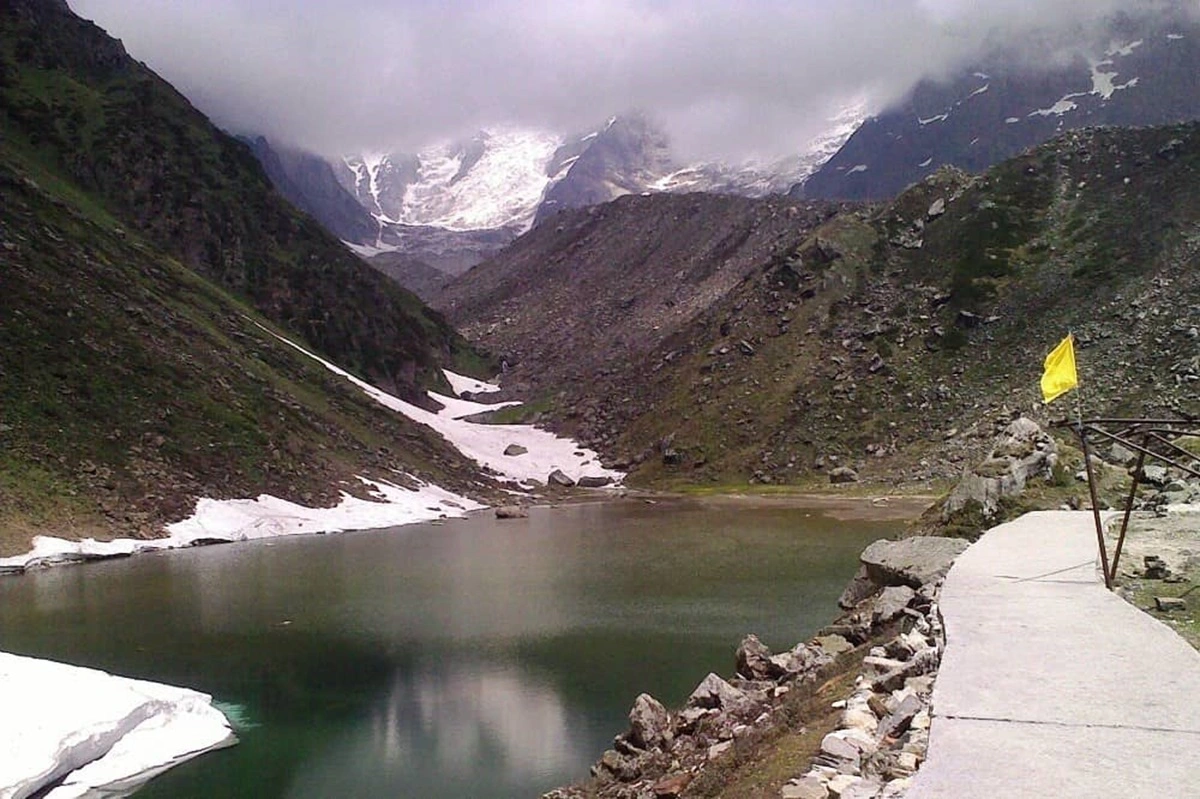
Chorabari Lake (चोराबाड़ी झील) — also called Gandhi Sarovar, and often searched simply as Kedarnath Lake — is a high-altitude glacial lake about 2-3 km from Kedarnath Temple that can still be visited today via a moderate trek, despite the 2013 flood that partially drained it. Situated at an altitude of 12,800 feet (3,900 meters) above sea level, the lake lies at the toe of the Chorabari Glacier and is considered the origin of the Mandakini River.
It is popularly known as Gandhi Sarovar because a portion of Mahatma Gandhi’s ashes was immersed here. According to local legends, this area is also believed to be where Lord Shiva imparted yoga knowledge to the Sapt Rishis, making it spiritually significant for devotees visiting Kedarnath.
On 17 June 2013, Chorabari Lake gained national attention when its embankment collapsed due to heavy rainfall and rising water levels, contributing to the devastating 2013 Kedarnath flood. The sudden outburst released a massive amount of water, debris, and boulders into the Mandakini Valley, causing large-scale destruction around Kedarnath. Following this disaster, scientists from the Wadia Institute of Himalayan Geology established monitoring systems in the region to observe glacier movement and lake water levels.
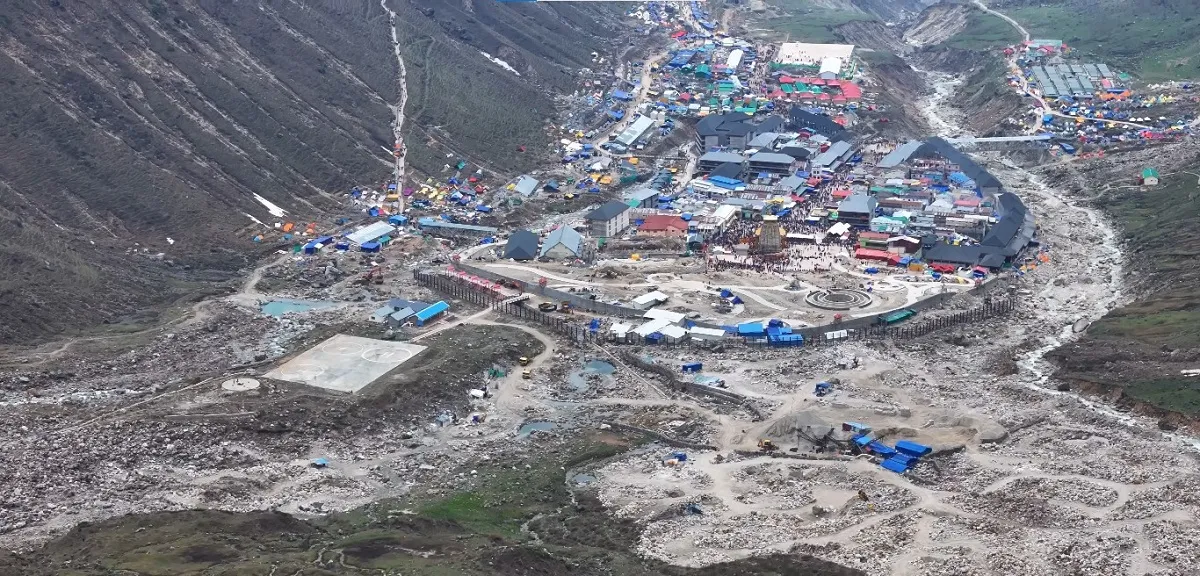
Today, Chorabari Lake near Kedarnath is also gaining popularity as a trekking destination. The trek offers a stunning bird’s-eye view of the Kedar Valley and breathtaking scenery of the snow-capped Himalayan peaks surrounding the glacier. Many pilgrims include this short trek in their Kedarnath private tour package for a memorable experience.
- About Chorabari Lake
- Where is Chorabari Glacier located?
- Chorabari Lake Before 2013
- Chorabari Lake 2013 Kedarnath Flood
- Chorabari Lake After 2013 Flood
- How To Reach Chorabari Lake
- Chorabari Glacier Trek
- Best Time For Chorabari Lake
- Essentials to Carry for the Chorabari Lake Trek
- Important Places To Visit Near Chorabari Lake
- Safety Tips for Chorabari Tal Trek
- Conclusion
- FAQ's
- Is Kedarnath Lake the same as Chorabari Lake?
- Which lake burst in Kedarnath?
- Is Chorabari Lake Still There?
- Which river originates from Chorabari?
- Is it safe to visit Chorabari Lake?
- What was the position of Chorabari Lake before and after?
- What is the view of Chorabari Glacier Lake?
- Is Chorabari Lake Open for Tourists?
- How Much Time Does the Chorabari Lake Trek Take?
- Can I camp near Chorabari Lake? Is there any permit required?
- Is a guide required for Chorabari lake trek?
- Are there washrooms near Chorabari Lake trek route?
- Can I take a horse to Chorabari Lake?
Where is Chorabari Glacier located?
Chorabari Glacier is located at a distance of 2-3 km from Kedarnath Temple in the Rudraprayag district of Uttarakhand, India. It is the main source of water in the lake and it is tucked at an altitude of about 3,900 meters (12,800 feet) above sea level.
Quick Facts about Chorabari Lake
- Location: Above Kedarnath Temple, Uttarakhand
- District: Rudraprayag
- Altitude: 12,800 ft (3,900 meters)
- Distance from Kedarnath: 2-3 km trek
- Also known as: Gandhi Sarovar
- Glacier source: Chorabari Glacier
- River origin: Mandakini River
- Famous for: Connection with the 2013 Kedarnath flood
- Best time to visit: May to June and September to October
- Permit: Kedarnath Registration
Chorabari Lake Before 2013
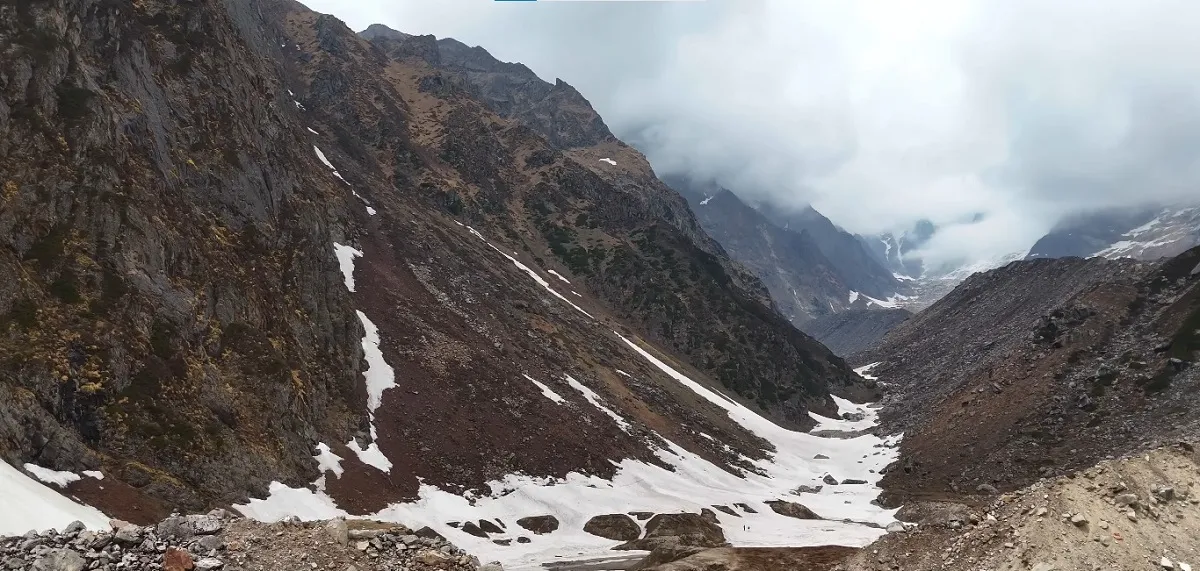
Before 2013, Chorabari Lake, also known as Gandhi Sarovar, was one of the 14 glacial lakes located in the Mandakini River basin in the Kedarnath region of Uttarakhand. The Mandakini River, which originates from Chorabari Lake, is one of the most important tributaries of the Ganga River and flows from the side of Kedarnath temple, holds great religious and geographical significance.
The primary source of water in Chorabari Lake was the melting ice and dripping water from the Chorabari Glacier. For most of the year, the lake remains full, although its water level changes significantly depending on glacier melt and seasonal rainfall. Over the years, climate change has caused the Chorabari Glacier to retreat by more than 200 meters, increasing the catchment area and allowing more water to accumulate in the lake.
According to reports published by the Wadia Institute of Himalayan Geology, which maintains a monitoring camp in the region, the accumulating water was increasing the depth of the lake by approximately 2–3 meters every year. This continuous rise in water level created enormous pressure on the surrounding moraine embankments and mountain slopes.
Chorabari Lake 2013 Kedarnath Flood
On the morning of 17 June 2013, the region experienced extremely heavy rainfall of more than 315 mm, combined with rapid glacier melt. The rising pressure eventually breached the natural embankment of Chorabari Lake, causing the lake to empty within minutes. A massive surge of water carrying boulders, rocks, and glacial debris rushed down the Mandakini Valley, leading to the catastrophic 2013 Kedarnath disaster.
The sudden flash flood caused widespread devastation in the Kedar Valley, destroying settlements, infrastructure, and pilgrimage routes around Kedarnath. Thousands of pilgrims and local residents lost their lives, making the 2013 Kedarnath flood one of the worst natural disasters in the history of Uttarakhand.
Note: Read more about history behind Kedarnath Temple
Chorabari Lake After 2013 Flood
How To Reach Chorabari Lake
By Air
The nearest airport to Chorabari Lake Kedarnath is Jolly Grant Airport in Dehradun, located about 238 km from Kedarnath. Regular flights connect Dehradun with major Indian cities like Delhi, Mumbai, and Bangalore. Airlines such as IndiGo, SpiceJet, and Air India operate frequent flights to this airport.
For international travelers, the nearest major airport is Indira Gandhi International Airport (IGI) in Delhi, from where you can travel to Haridwar, Rishikesh, or Dehradun by road or train.
By Train
The nearest railway station to reach Chorabari Lake is Yog Nagri Rishikesh Railway Station. However, direct trains to Rishikesh may not be available from every city. In that case, you can also travel to Haridwar Railway Station or Dehradun Railway Station, which are well connected with major cities across India.
These three cities, Rishikesh, Haridwar, and Dehradun are located close to each other and serve as the main gateway for the Kedarnath Yatra.
By Road
After reaching Haridwar, Rishikesh, or Dehradun, the remaining journey toward Kedarnath must be completed by road.
Travelers generally have three options:
- Private cab: You can hire a personal taxi that will take you to Sonprayag and remain with you throughout the journey. This option offers comfort but is relatively more expensive.
- Shared taxi: Shared cabs are easily available from Haridwar, Rishikesh, and Dehradun. These taxis usually drop passengers at Sonprayag and are considered the most economical and convenient option for many travelers.
- Government bus: Roadways buses also operate from Haridwar and Rishikesh toward the Kedarnath route. This is the most budget-friendly option, although the mountainous roads may make the journey less comfortable.
Route from Sonprayag to Chorabari Lake
Chorabari Glacier Trek
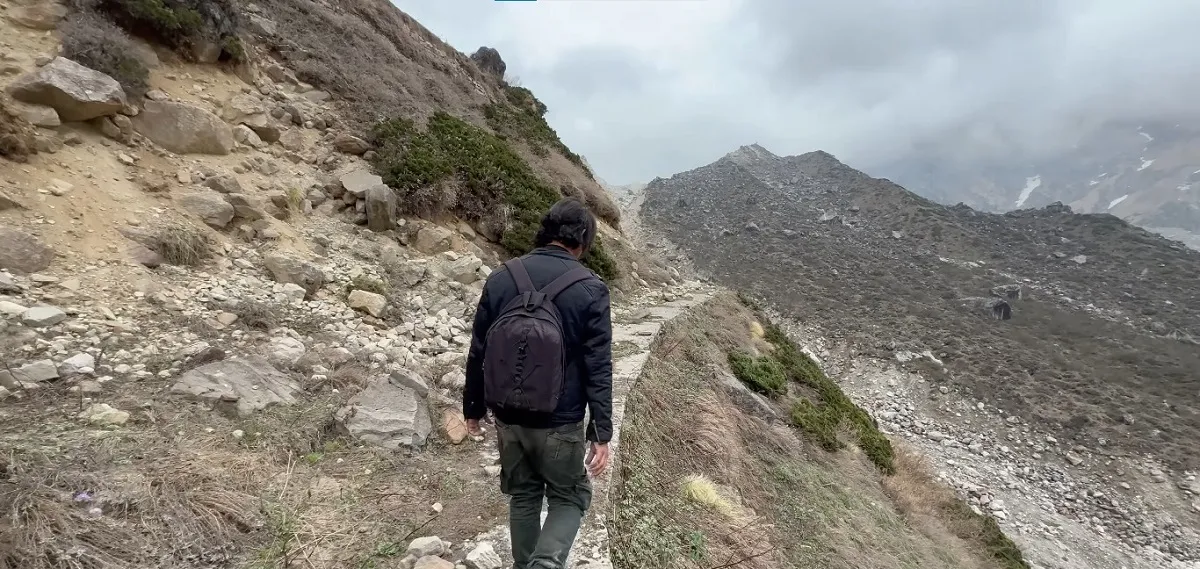
The actual trek route for Chorabari Tal begins from Kedarnath Temple and covers a distance of approximately 2-3 km. Travellers can start the trek from the iron bridge behind the Kedarnath Temple. The trail passes through rocky Himalayan terrain and gradually ascends toward the Chorabari Glacier, offering stunning views of the Kedar Valley and surrounding snow-capped peaks.
The trek is considered moderate to challenging in difficulty, but weather conditions can change rapidly in this region. Starting early in the morning is advisable so that you can return safely before evening. The trek requires around 2 to 3 hours (round-trip), rewarding with the small stream flowing through the boulder-strewn plain, Himalayan landscape, and bird-eye views of Kedarnath.
Overview of Chorabari Tal trek details:
- Kedarnath to Chorabari Tal distance: 2-3 km trek
- Trek Difficulty: Moderate to Challenging
- Duration: 1-2 hours (one-way)
- Starting Point: Iron Bridge behind Kedarnath Temple
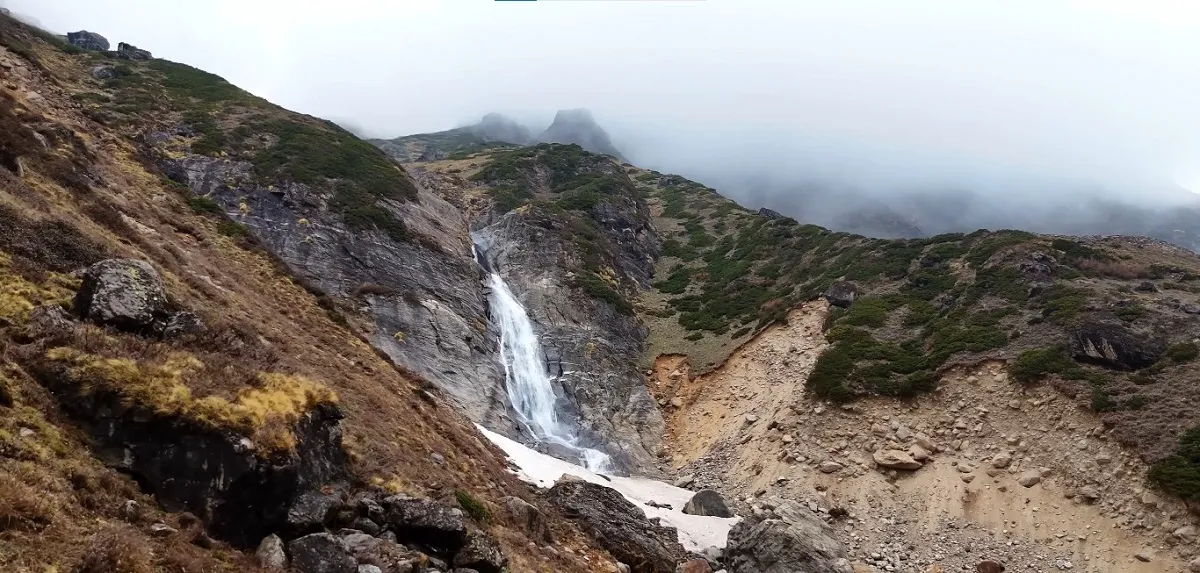
- Trek Route: Iron Bridge behind Kedarnath Temple → Madhuganga Waterfall → Chorabari Tal
- Best Time for Trek: May to June and September to October
Is the Chorabari Lake Trek Difficult?
Factors making the trek challenging:
- High Altitude: Starting with a height of 1982 meters (6502 feet) from Gaurikund and reaching up to 3900 meters at Chorabari Tal, experiencing thinner air, which requires good physical fitness.
- Rugged Terrain: Steep, rocky terrain and navigating with glacial moraine demand stamina and endurance.
- Unpredictable Weather: High winds & freezing temperatures can make the trek more challenging.
Best Time For Chorabari Lake
Chorabari Lake Weather By Season
- Summer (May to June): A pleasant time for trekking as the weather is comfortable with temperature ranges of 5°C to 20°C.
- Monsoon (July-August): Not recommended, as heavy rain leads to landslides and flash floods, making travel extremely difficult.
- Post-monsoon (September to November): Another ideal window, offering a peaceful environment and excellent visibility after the wet monsoon; perfect for trekking.
- Winter (December to April): Not accessible due to heavy snowfall and freezing temperatures dropping to -10°C.
Essentials to Carry for the Chorabari Lake Trek
- Comfortable trekking shoes
- Gloves for cold weather
- Woolen and cotton socks
- A small first-aid kit
- Lightweight backpack
- Good-quality jacket or warm clothing
- Water bottle
- Energy snacks such as protein bars or chocolates
- Dry fruits and nuts
- Packed food
- Trekking pole for stability
- Torch or headlamp
- Camping tent
- Trekking stove and butane cylinder
- Extra warm layers
Important Places To Visit Near Chorabari Lake
Several important pilgrimage sites and trekking destinations are located near Chorabari Lake (Gandhi Sarovar) in the Kedarnath region. Travelers visiting the lake often explore these nearby attractions during their journey.
Madhuganga Waterfall
Madhuganga Waterfall is a scenic and cascading waterfall along the trek route to Chorabari Tal, around 1 km away from the Kedarnath Temple. It is a famous and refreshing site for pilgrims and trekkers on the Kedarnath to Chorabari Tal trek route.
Bhairavnath Temple
Bhairavnath Temple is located about 400 meters from Kedarnath Temple and around 2.3 km from Chorabari Lake. The temple is dedicated to Lord Bhairav, who is believed to be the protector deity of the Kedar Valley. Pilgrims visiting Kedarnath often visit this temple to offer prayers for protection and prosperity.
Vasuki Tal
Vasuki Tal is a beautiful high-altitude alpine lake near Kedarnath and a popular trekking destination. The lake is named after Vasuki Nag, the serpent seen around the neck of Lord Shiva. From here, trekkers can witness stunning views of Himalayan peaks such as Chaukhamba, Shivling Peak, Vasuki Parbat, and Neelkanth.
Kedarnath Temple
Kedarnath Temple, located about 2-3 km from Chorabari Lake, is one of the most sacred temples dedicated to Lord Shiva. It is part of the 12 Jyotirlingas, Panch Kedar, Chota Char Dham Yatra, and Do Dham Yatra. Millions of devotees visit Kedarnath every year to seek blessings and experience the spiritual atmosphere of this Himalayan shrine.
Safety Tips for Chorabari Tal Trek
- Acclimatization: Stay a night in the Kedarnath temple; prepare your body for altitude terrain.
- Start the trek early: Start trek early in the morning, as the weather in the Himalayas changes rapidly, so as to avoid high winds and start the trek early.
- Stay hydrated: Drink plenty of water during the trek to avoid the risk of dehydration.
- Dress in layers: Wear proper warm clothing like a thermal layer and a mid layer to protect from the cold.
- Pack accordingly: Packing should be light and smart; carry all necessary supplies like energy bars, a first aid kit, a power bank, a flashlight, etc.
Conclusion
FAQ's
Is Kedarnath Lake the same as Chorabari Lake?
Yes — Kedarnath Lake, Gandhi Sarovar, and Chorabari Lake all refer to the same glacial lake located about 2-3 km from Kedarnath Temple. Chorabari Lake is the original name (after the Chorabari Glacier that feeds it); Gandhi Sarovar was added after Mahatma Gandhi's ashes were immersed here; Kedarnath Lake is the informal name most visitors search for since it's the lake closest to Kedarnath Temple.
Which lake burst in Kedarnath?
Chorabari Lake, also known as Gandhi Sarovar, burst near Kedarnath during the 2013 Uttarakhand disaster. Heavy rainfall and a cloudburst caused the lake’s moraine embankment to collapse, releasing a massive flow of water, debris, and boulders into the Mandakini Valley. This sudden outburst contributed to the devastating 2013 Kedarnath floods.
Is Chorabari Lake Still There?
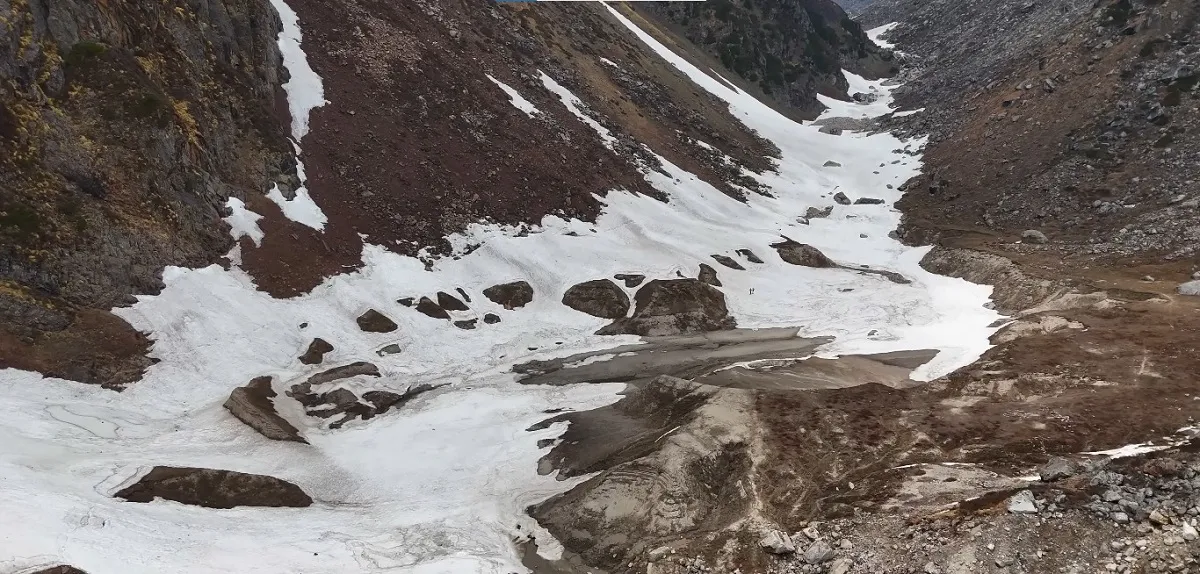
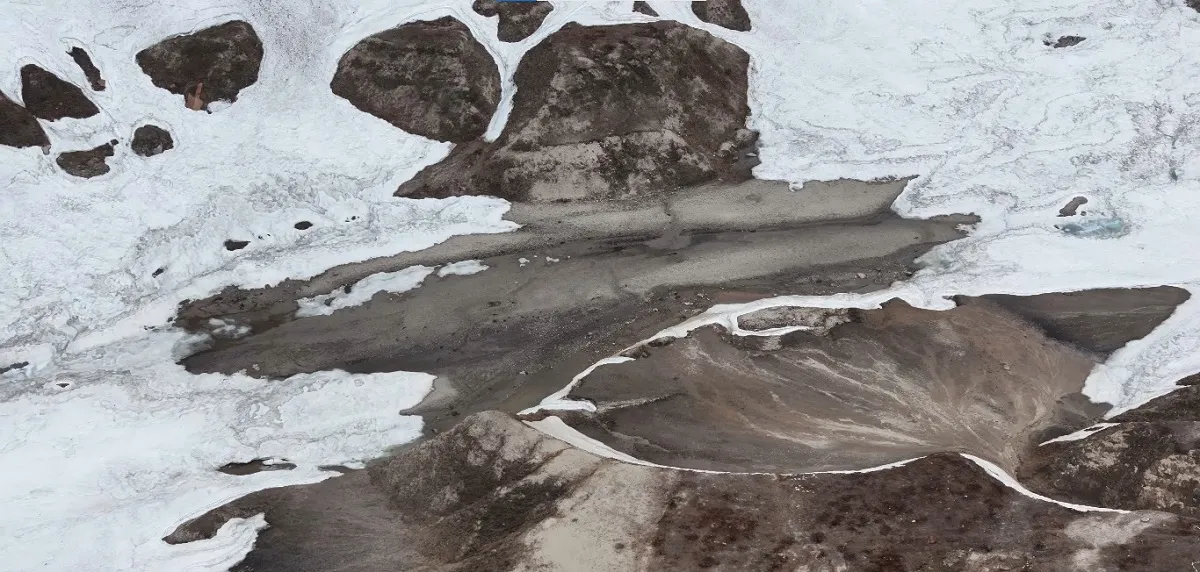
No, Chorabari Lake (Gandhi Sarovar) does not exist now, after the flood the lake could not reform its original size. There is only a small stream flowing through the boulder strewn plains. The lake is considered the origin of the Mandakini River. During the 2013 Kedarnath floods, the moraine embankment of the lake was damaged and much of the debris was washed away. The natural barrier was not rebuilt to prevent similar flood risks in the future.
Which river originates from Chorabari?
The Mandakini River originates from Chorabari Lake (Gandhi Sarovar) near Kedarnath in Uttarakhand. The lake is formed from the melting waters of the Chorabari Glacier. Mandakini flows through the Kedarnath Valley before joining the Alaknanda River, which later becomes part of the sacred Ganga river system.
Is it safe to visit Chorabari Lake?
Yes, it is generally safe to visit Chorabari Lake (Gandhi Sarovar) near Kedarnath during the trekking season from May to June and September to October. However, since it is a high-altitude Himalayan trek, visitors should check current weather conditions, follow local guidelines, and start the trek early in the day. It is also advisable to confirm trail conditions with local authorities or guides in Kedarnath before visiting.
What was the position of Chorabari Lake before and after?
Before 2013, Chorabari Lake (Gandhi Sarovar) was a pristine glacial lake near Kedarnath, known for its clear water and scenic Himalayan surroundings. After the 2013 Kedarnath floods, the lake’s moraine embankment collapsed, significantly altering its structure. Although the lake was damaged, the area still attracts pilgrims and trekkers visiting Kedarnath.
What is the view of Chorabari Glacier Lake?
Chorabari Lake (Gandhi Sarovar) offers breathtaking views of the surrounding Himalayan landscape near Kedarnath. The lake reflects the nearby snow-capped peaks, rocky glaciers, and the Chorabari Glacier, creating a serene and peaceful environment. Its crystal-clear water and quiet alpine setting make it a memorable sight for trekkers and pilgrims visiting the region.
Is Chorabari Lake Open for Tourists?
Yes, Chorabari Lake is open for tourists during the Kedarnath yatra season, but it’s a highly sacred area due to seasonal weather and high altitude. Tourists can visit this site during the summer season (May-June). It's accessible via a short but strenuous trek starting from the Kedarnath temple.
How Much Time Does the Chorabari Lake Trek Take?
The part from Gaurikund to Kedarnath temple takes roughly 6-8 hours. From Kedarnath, the Chorabari Lake side-trip is a 1-2 hour trek each way (2-3 hours round-trip on foot), but budget 3-4 hours total for the full outing once you include time spent at the lake. The total journey can be split over 2 days with proper acclimatization at Kedarnath and frequent breaks during the trek.
Can I camp near Chorabari Lake? Is there any permit required?
No, camping near Chorabari Lake is strictly prohibited, and it’s highly impractical. After the 2013 flash flood in Kedarnath, the site suffered structural damage and avalanche risk, so local authorities strictly restrict overnight stays near the lake for safety reasons.
Is a guide required for Chorabari lake trek?
Yes, an experienced and professional local trek guide is highly recommended for the Chorabari Lake trek, as it will be helpful and a safer option for trekkers to manage several risks like altitude sickness and navigating uneven terrain and glacial moraine.
Are there washrooms near Chorabari Lake trek route?
Yes, Public toilets are available on the Kedarnath route leading to Chorabari lake. However, as you approach the lake, the facilities are hard to find.
Can I take a horse to Chorabari Lake?
No, horses aren't allowed on the Chorabari Lake trek — pony/mule rides only run as far as Kedarnath itself. From there, the final stretch to the lake has to be done on foot.