
Jyotirlinga in Maharashtra: Complete Guide to the Sacred Jyotirlingas of Maharashtra
Category: Travel | Updated On: July 16, 2026 | Published: May 23, 2026
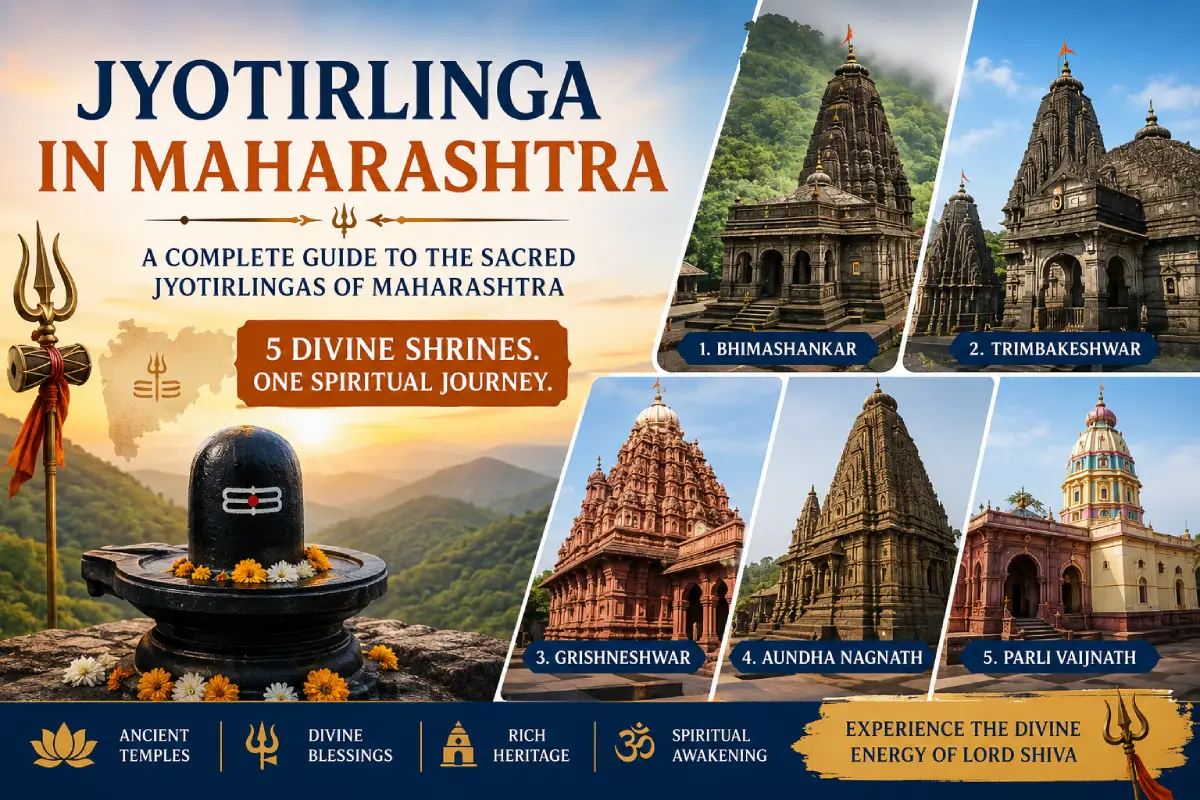
What is a Jyotirlinga?
Is there 3 or 5 Jyotirlingas in Maharashtra?
3 Jyotirlingas in Maharashtra Map
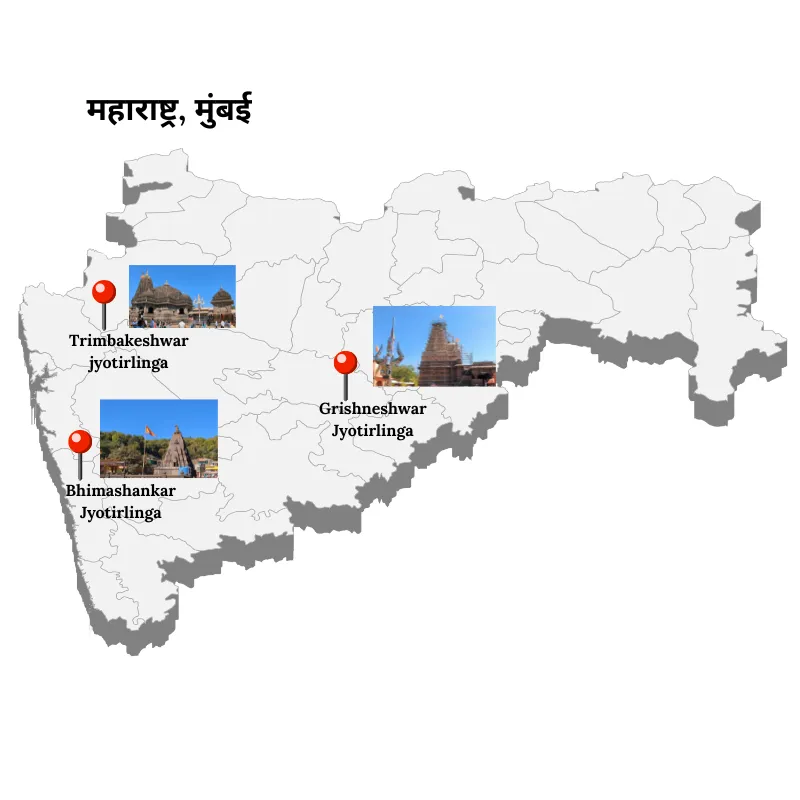
Why the 3 Jyotirlinga in Maharashtra Are So Famous
| Jyotirlinga Temple | Location | Opening - Closing Time | Famous For |
| Bhimashankar Temple | Pune District | 4:00 AM – 9:30 PM | Forest surroundings |
| Trimbakeshwar Shiva Temple | Nashik | 5:30 AM – 9:00 PM | Origin of Godavari River |
| Grishneshwar Jyotirlinga Temple | Chhatrapati Sambhajinagar (Aurangabad) | 5:30 AM – 9:30 PM | Near Ellora Caves |
Important Notes for Devotees
- Temple timings may change during festivals like Mahashivratri, Shravan month, and Mondays dedicated to Lord Shiva.
- Early morning darshan is usually less crowded.
- VIP darshan and special puja slots are available at some temples.
- Traditional dress is preferred in most Jyotirlinga temples.
Jyotirlingas in Maharashtra
1. Bhimashankar Temple
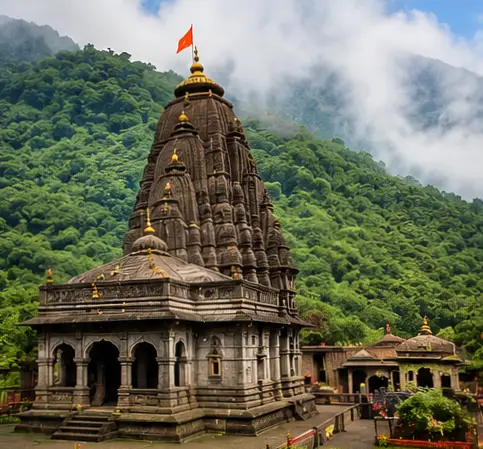
| Location: | Bhorgiri village of Pune District, Maharashtra |
| Nearest Airport: | Pune International Airport |
| Nearest Railway station: | Pune Junction |
| Opening & Closing time: | 4:30 A.M. to 9:30 P.M. |
| Entry Information: | Free for all Devotees |
| Nearby Attractions: | Bhimashankar Wildlife sanctury, Hanuman lake, & Shinagad fort |
- October to March
- Mahashivratri festival season
- Nearest city: Pune
- Distance: Approximately 110 km from Pune
- Accessible by road and local transport
2. Trimbakeshwar Jyotirlinga
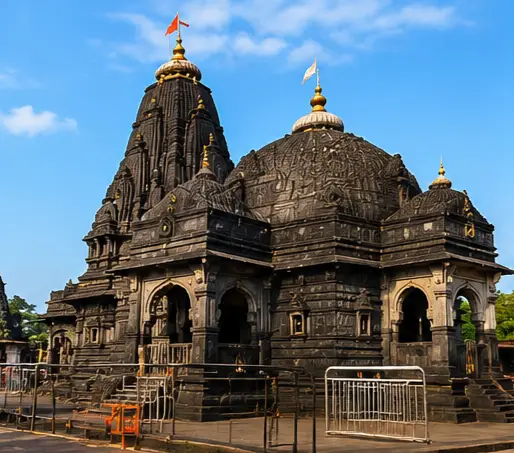
| Location: | Nashik district, Maharashtra |
| Nearest Airport: | Nashik Airport, with Pune and Mumbai airports also nearby |
| Nearest Railway station: | Nashik Road Railway Station |
| Opening & closing time | 5:30 am. to 9:00 p.m. |
| Entry Information: | Free |
| Nearby Attractions: | Brahmagiri hills, Anjaneri hills, & Goraknath Gufa |
- Narayan Nagbali Puja
- Kalsarpa Shanti
- Pitru Dosha rituals
- Black stone architecture
- Sacred Kushavarta Kund
- Ancient spiritual atmosphere
- Monsoon and winter season
- Shravan month
- Mahashivratri
- Brahmagiri Hills
- Godavari River origin
- Nashik vineyards
3. Grishneshwar Jyotirlinga
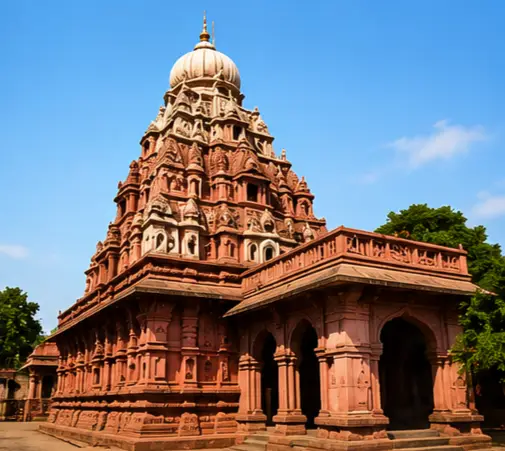
| Location: | Ellora, Chhatrapati Sambhajinagar (formerly Aurangabad), Maharashtra |
| Nearest Airport: | Chhatrapati Sambhajinagar Airport |
| Nearest Railway Station: | Aurangabad Railway station |
| Opening & Closing time: | 5:00 A.M. to 8:00 P.M. |
| Entry Information: | Absolutely Free |
| Nearby Attractions: | Ellora cave, Shivalaya Kund, & Daultabad fort |
- October to March
- During Shravan and Mahashivratri
- Ellora Caves
- Daulatabad Fort
- Aurangabad tourism circuit
Spiritual Importance of Jyotirlinga Pilgrimage
- Remove negative karma
- Bring peace and prosperity
- Help attain moksha (liberation)
- Strengthen spiritual connection with Lord Shiva
Travel Tips for Devotees
- Wear modest traditional clothing
- Carry water and essentials
- Avoid peak crowd timings if possible
- Book hotels early during festivals
- Respect temple photography rules
Final Words
FAQs About Jyotirlinga in Maharashtra
1. Which are the 3 Jyotirlinga in Maharashtra?
- Bhimashankar
- Trimbakeshwar
- Grishneshwar
2. What is the travel route between the 3 Jyotirlingas in Maharashtra?
Ans. All 3 Jyotirlingas of Maharashtra are spread across different parts of the state, and traveling to all three, including Bhimashankar, Trimbakeshwar, and Grishneshwar, requires traveling over 700 km by road. It can be completed in 3-4 days comfortably.
The practical travel flow follows the journey:
Pune to Bhimashankar: Travel to Pune, Maharashtra, first by train or air. From there, travel around 124 km to reach Bhimashankar. Complete your darshan, cover nearby attractions, and stay a night.
Bhimashankar to Trimbakeshwar: start early in the morning and drive 230 km towards Trimbakeshwar, around 30 km from Nashik district. Complete your darshan and take some rest.
Trimbakeshwar to Grishneshwar via Aurangabad: drive around 210-220 km via Aurangabad. Have your darshan at Grishneshwar Jyotirlinga and sit for a little while to get a flashback of a journey completing three Jyotirlingas at once.
3. Which is the most visited Jyotirlinga in Maharashtra?
4. How many days are enough for 3 jyotirling yatra in Maharashtra?
5. What is the best month for Jyotirlinga pilgrimage?