About Tungnath Temple
Tungnath Temple is the highest Shiva temple in the world, located at an altitude of 3,680 meters (12,073 feet) above sea level in the Rudraprayag district of Uttarakhand, India. It is the third temple in the sacred Panch Kedar pilgrimage circuit and is dedicated to Lord Shiva, where his forelimbs (arms) are believed to have appeared according to Hindu mythology.
Surrounded by the Garhwal Himalayas, Tungnath Temple is accessible via a 3.5 km uphill route from Chopta, the nearest motorable point. The Chopta to Tungnath distance is approximately 3.5 km and follows a well-paved stone path that gradually ascends through alpine meadows. The temple remains open for devotees from April or May until October or November, depending on the weather and traditional rituals. During winter, the idol is ceremonially shifted to Makkumath for worship.
Quick Facts About Tungnath Temple
| Detail | Information |
| Temple Name | Tungnath Mahadev Temple |
| Deity | Lord Shiva |
| Temple Type | Hindu Temple |
| Location | Rudraprayag district, Uttarakhand, India |
| Altitude | 3,680 meters (12,073 feet) |
| Famous For | Highest Shiva temple in the world |
| Part Of | Panch Kedar pilgrimage circuit |
| Associated Legend | Mahabharata – Pandavas & Lord Shiva |
| Shiva Form Worshipped | Forelimbs (Arms) of Lord Shiva |
| Chopta to Tungnath Distance | 3.5 km uphill route |
| Trek Difficulty | Moderate |
| Base Village | Chopta |
| Nearest Town | Ukhimath |
| Nearest Railway Station | Rishikesh |
| Nearest Airport | Jolly Grant Airport, Dehradun |
| Opening Months | April/May |
| Closing Months | October/November |
| Winter Seat of Deity | Makkumath (Mukhimath) |
| Best Time to Visit | May–June, September–October |
| Winter Status | Closed due to heavy snowfall |
Where Is Tungnath Temple?
Tungnath Temple is located in the Rudraprayag district of Uttarakhand, India, in the Garhwal Himalayas. It sits at an altitude of 3,680 meters (12,073 feet) above sea level, making it the highest Shiva temple in the world.
The temple is situated in the Tungnath mountain range and is approximately 3.5 km from Chopta, which is the nearest motorable point. Among the five Panch Kedar temples, Tungnath is known as the Tritiya (third) Kedar in the pilgrimage sequence.
Tungnath Temple History
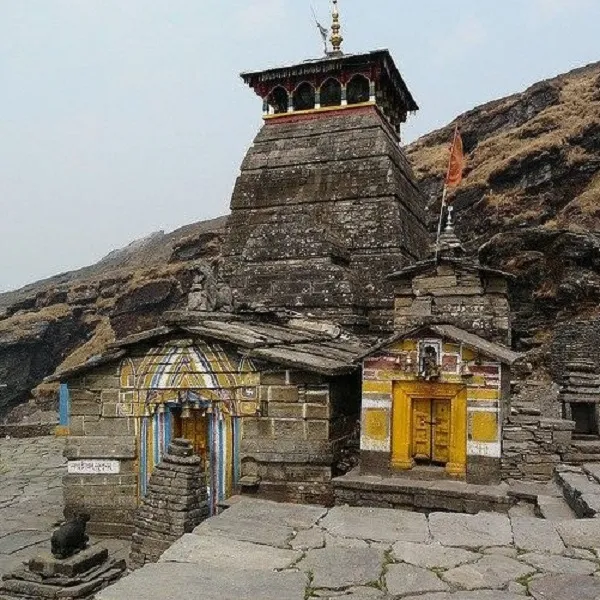
The history of Tungnath Temple is deeply connected to the Mahabharata and the legend of the Pandavas. After the Kurukshetra war, the Pandavas sought forgiveness for the sins committed during the battle. Lord Krishna advised them to pray to Lord Shiva to attain redemption.
However, Lord Shiva was displeased with the destruction caused by the war and did not wish to meet them. To avoid the Pandavas, he disguised himself as a bull (Nandi) and hid in the Himalayan region.
The determined Pandavas followed him to the Kedar region. When Bhima recognized the bull as Lord Shiva and tried to capture him, the bull began to disappear into the earth. It is believed that different parts of Lord Shiva’s bull form reappeared at five separate locations in the Himalayas.
These five sacred sites later became known as the Panch Kedar temples:
- Kedarnath – hump
- Tungnath – arms (forelimbs)
- Rudranath – face
- Madhyamaheshwar – navel
- Kalpeshwar – hair
Tungnath Temple is revered as the place where the arms of Lord Shiva appeared. Among the Panch Kedar temples, it is considered the Tritiya (third) Kedar in the pilgrimage sequence.
Historically, the present stone structure of Tungnath Temple is believed to have been revived or reconstructed by Adi Shankaracharya over 1,200 years ago, strengthening its importance as an ancient Himalayan shrine.
How To Reach Tungnath Uttarakhand
Tungnath Temple is located near Chopta in the Rudraprayag district of Uttarakhand. Since the temple is situated at a high altitude, travelers must first reach Chopta, which is the last motorable point. From Chopta, Tungnath Temple is accessible via a 3.5 km uphill route.
Below are the main ways to reach Tungnath Temple:
By Air
The nearest airport to Tungnath Temple is Jolly Grant Airport, Dehradun, located approximately 250–260 km from Chopta. The airport is well-connected with major cities like Delhi, Mumbai, Bengaluru, and Hyderabad.
From Dehradun Airport, you can hire a private taxi or take a shared cab to Chopta via Rishikesh and Rudraprayag. The road journey typically takes 9–10 hours depending on traffic and weather conditions.
By Train
The nearest railway station to Tungnath Temple is Rishikesh Railway Station, around 230–240 km from Chopta. Other nearby stations include Haridwar and Dehradun.
After reaching Rishikesh or Haridwar, travelers can continue by bus or taxi to Chopta via Rudraprayag and Ukhimath. This option is suitable for budget travelers coming from North India.
By Road
Chopta is well connected by road to major cities in Uttarakhand and North India. You can reach Chopta by:
- State transport buses (till Rudraprayag/Ukhimath)
- Private taxis
- Self-drive vehicles
Major road routes include:
Delhi → Haridwar → Rishikesh → Rudraprayag → Ukhimath → Chopta
Haridwar/Rishikesh → Rudraprayag → Ukhimath → Chopta
From Chopta, the final 3.5 km ascent leads to Tungnath Temple.
For detailed route maps, distance charts, road conditions, and travel planning tips, read our complete guide on How to Reach Tungnath Temple (2026 Guide).
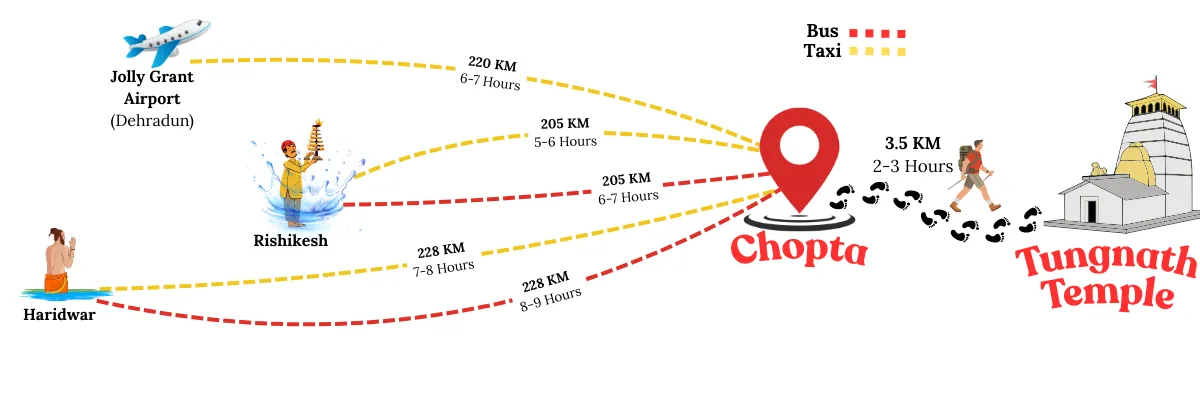
Tungnath Temple Route Overview
Tungnath Temple is accessible via a scenic uphill path starting from Chopta, the nearest motorable point. The Chopta to Tungnath distance is approximately 3.5 km and takes around 2–3 hours to complete at a moderate pace. The stone-paved route passes through rhododendron forests and alpine meadows.
From Tungnath Temple, pilgrims can extend the journey by trekking another 1–1.5 km to Chandrashila Peak, known for its panoramic Himalayan views.
For complete route details, elevation gain, difficulty level, and preparation tips, read our detailed Chopta Tungnath Trek Guide.
Distance to Tungnath from Major Cities
- Rishikesh to Tungnath: ~210 km
- Haridwar to Tungnath: ~225 km
- Delhi to Tungnath: ~455 km
- Ukhimath to Tungnath: ~29 km (road + trek)
Note: For a full distance breakdown including travel time and route suggestions, check our detailed “Tungnath Distance Chart 2026”
Tungnath Weather Overview
Tungnath Temple experiences cold weather throughout most of the year due to its high altitude of 3,680 meters. Summers (May–June) are relatively pleasant, while nights remain cool. Monsoon months (July–August) bring rainfall and slippery trails, making travel risky.
During winter (November to March), heavy snowfall covers the region and the temple remains closed. The idol is shifted to Makkumath for worship during this period.
For a detailed month-wise temperature chart and the best time to visit Tungnath Temple based on weather and crowd conditions, read our complete guide on Best Time to Visit Tungnath.
Tungnath Temple Opening and Closing Date 2026
The opening and closing dates of Tungnath Temple are officially announced each year by the Shri Badrinath–Kedarnath Temple Committee (BKTC) based on traditional rituals and weather conditions.
The temple generally opens around April or early May (on Vaishakh Panchami) and remains accessible until October or early November, before winter snowfall makes the region inaccessible.
During winter, the idol of Lord Tungnath is ceremonially shifted to Makkumath (Mukhimath), where worship continues until the temple reopens.
For the confirmed 2026 opening date, closing schedule, and detailed ceremony information, read our complete guide on Tungnath Temple Opening & Closing Date 2026.
Hotels Near Tungnath Temple
There are no hotels at the main Tungnath Temple due to its high-altitude location. Accommodation options are available in nearby base locations such as Chopta, Ukhimath, and Sari Village.
Chopta is the most preferred stay option as it serves as the starting point for the Tungnath Temple route. Visitors can find:
- Budget guesthouses
- Homestays
- Campsites
- Mid-range resorts
Ukhimath offers slightly better infrastructure with comfortable hotels and year-round accessibility, especially during winter when the deity is shifted there.
Accommodation prices generally vary based on season and demand, with peak months (May–June and September–October) being slightly higher.
For a comfortable visit, it is advisable to book your stay in advance during peak pilgrimage season.
Interesting Facts About Tungnath Temple
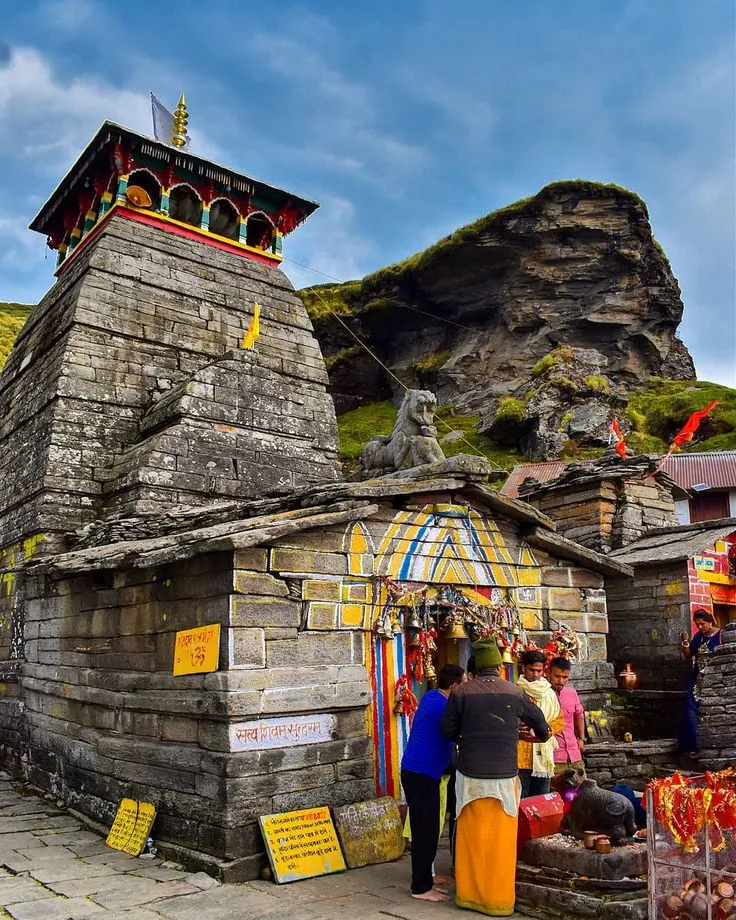
1. Highest Shiva Temple in the World
Tungnath Temple is located at an altitude of 3,680 meters (12,073 feet) in the Garhwal Himalayas of Uttarakhand, making it the highest Shiva temple in the world. Its extreme altitude adds both spiritual depth and adventure value to the pilgrimage.
2. Part of the Sacred Panch Kedar Circuit
Tungnath is one of the five Panch Kedar temples, associated with the legend of the Pandavas and Lord Shiva after the Mahabharata war. It is believed that the forelimbs (arms) of Lord Shiva appeared here.
3. Mythological Origin from the Mahabharata
According to scriptures, Lord Shiva took the form of a bull to avoid the Pandavas. When Bhima tried to stop him, Shiva disappeared and reappeared at five locations — Kedarnath, Tungnath, Rudranath, Madhyamaheshwar, and Kalpeshwar.
4. Short Yet Spiritually Challenging Route
The journey to Tungnath begins from Chopta, popularly known as the “Mini Switzerland of India.” The 3.5 km uphill path is moderate in difficulty and offers breathtaking views of forests, meadows, and Himalayan peaks.
5. Seasonal Temple (Open Only 6 Months)
Due to heavy snowfall, Tungnath Temple remains open only from April/May to October/November. During winter, the idol is shifted to Makkumath (Mukhimath), the winter seat of Tungnath.
6. Ancient Architecture (1000+ Years Old)
Built in Nagara architectural style, the temple features stone walls, a wooden roof, and intricate carvings. A Nandi statue stands at the entrance, and sculptures of various deities adorn the temple complex.
7. Strong Meditation & Spiritual Energy
The serene surroundings, silence, and high altitude make Tungnath a powerful center for meditation, yoga, and inner reflection. Many saints and spiritual seekers visit this place for mental clarity and spiritual awakening.
8. Rich Himalayan Biodiversity
The Chopta–Tungnath region is rich in oak, deodar, rhododendron, and alpine vegetation. Wildlife sightings include the Himalayan Monal, musk deer, and various rare bird species.
9. Chandrashila Peak Extension
Located just 1 km above Tungnath, Chandrashila Peak (around 4,000 m) offers a 360-degree Himalayan view. It is believed that Lord Shiva meditated here and it is a popular sunrise viewpoint today.
10. Tungnath Mahadev Fair
The annual Tungnath Mahadev Fair, held during the temple opening in April or May, attracts thousands of devotees. Rituals, folk music, local handicrafts, and cultural performances mark this auspicious event.
11. Natural Medicinal Wealth
The region is known for medicinal plants like Rhododendron, Ashwagandha, and Chir Pine, traditionally used for stress relief, immunity, and healing purposes.
12. Test of Faith & Devotion
The Tungnath journey is not just a physical climb but a test of faith, endurance, and belief. The physical effort combined with spiritual reward makes it one of the most fulfilling Shiva pilgrimages in India.
Places to Visit In and Near Tungnath
Tungnath is not only a sacred pilgrimage site but also surrounded by scenic Himalayan destinations that offer spiritual, natural, and trekking experiences. Here are the top places to visit near Tungnath Temple:
1) Tungnath Temple
The main attraction of the region, Tungnath Temple is part of the Panch Kedar and is known as the highest Shiva temple in the world.
The journey to the temple begins from Chopta, which serves as the base point. The temple is believed to be over 1,200 years old and was reconstructed by Adi Shankaracharya. Surrounded by panoramic Himalayan views, it offers a spiritually powerful atmosphere.
2) Chandrashila Peak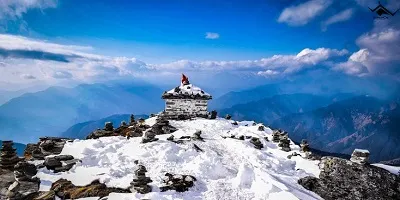
Located about 1 km above Tungnath Temple, Chandrashila Peak stands at approximately 4,000 meters.
The climb is slightly steep but rewards visitors with breathtaking 360-degree views of Himalayan peaks such as Chaukhamba and Nanda Devi. It is especially popular for sunrise views.
3) Chopta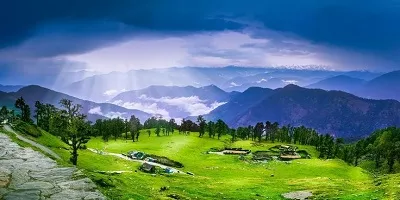
Chopta is popularly known as the “Mini Switzerland of India” due to its lush meadows and snow-covered landscapes.
It is the base village for visiting Tungnath and Chandrashila. Chopta is also ideal for camping, nature walks, and winter travel experiences.
4) Deoria Tal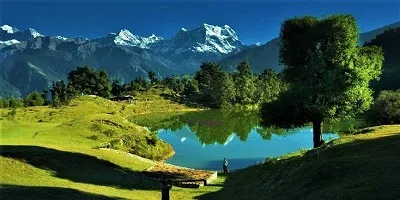
Located near Sari Village, Deoria Tal is a high-altitude lake accessible through a short and easy trail.
The lake reflects the surrounding Himalayan peaks and is known for its peaceful environment, birdlife, and camping opportunities.
5) Rohini Bugyal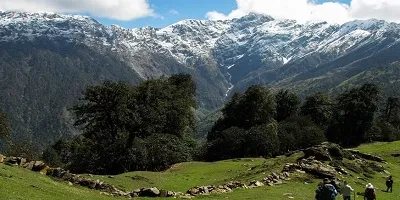
Rohini Bugyal is a scenic alpine meadow offering open grasslands, mountain views, and occasional wildlife sightings.
It is suitable for trekking and nature exploration and is less crowded compared to other nearby destinations.
6) Madhyamaheshwar Temple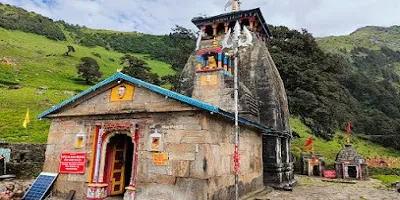
Madhyamaheshwar Temple is another important shrine in the Panch Kedar circuit, dedicated to Lord Shiva.
It is believed that the navel of Lord Shiva appeared here in bull form. Located at an altitude of approximately 3,497 meters, the temple is surrounded by stunning Himalayan scenery and holds great spiritual importance.
Tungnath and its surrounding region combine pilgrimage, Himalayan landscapes, and trekking opportunities, making it one of the most complete spiritual destinations in Uttarakhand.
Things To Do In Tungnath
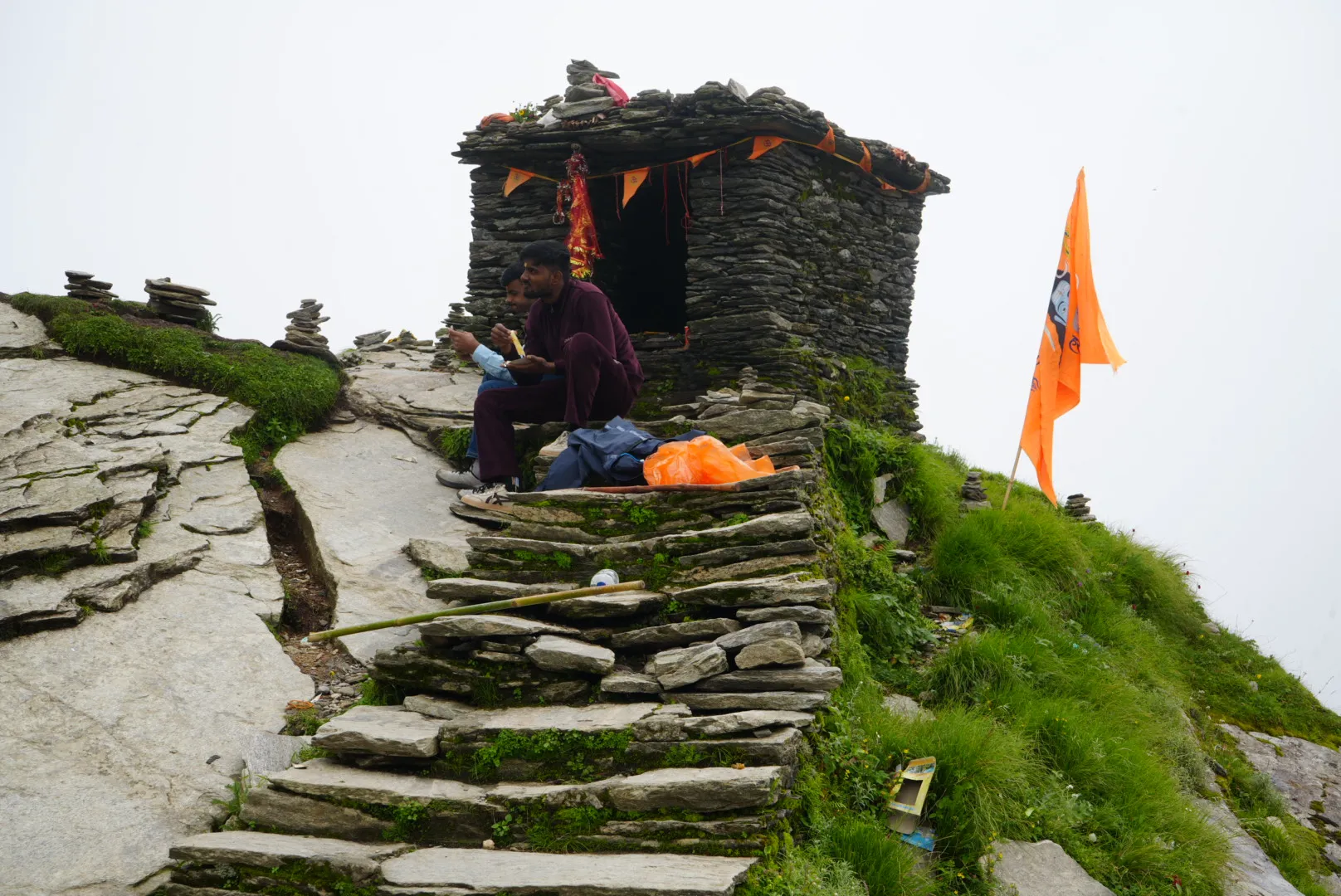
Tungnath is not only a sacred pilgrimage destination but also a perfect place for trekking enthusiasts, nature lovers, and spiritual seekers. Here are the top activities you can experience in and around Tungnath:
1) Visit Tungnath Temple
The primary purpose of visiting Tungnath is to seek blessings at the highest Shiva temple in the world. The spiritual atmosphere, ancient architecture, and Himalayan backdrop make the experience deeply meaningful.
2) Continue to Chandrashila Peak
Located about 1 km above Tungnath Temple, Chandrashila Peak offers breathtaking panoramic views of Himalayan peaks such as Chaukhamba and Nanda Devi. Though slightly steep, the climb is rewarding, especially during sunrise.
3) Camping in Chopta & Deoria Tal
Chopta:
Chopta is the base point for Tungnath and is ideal for camping. Surrounded by alpine meadows and snow-capped mountains, it provides a peaceful overnight stay experience.
Deoria Tal:
This scenic lake near Sari Village is perfect for lakeside camping. The calm water reflecting Himalayan peaks makes it a relaxing and photogenic destination.
4) Explore Wildlife
The nearby Kanchula Korak Musk Deer Sanctuary is home to musk deer, Himalayan birds, and diverse flora. Wildlife enthusiasts and nature lovers can explore the region responsibly.
5) Photography & Nature Walks
Tungnath offers stunning landscapes including green meadows, rhododendron forests, and snow-covered peaks. It is an excellent destination for landscape photography and peaceful nature walks.
6) Spiritual & Meditation Experience
Due to its high altitude and serene environment, Tungnath is considered ideal for meditation and spiritual reflection. The peaceful surroundings enhance inner focus and devotion.
7) Experience Local Culture & Food
Visitors can explore the local culture of the Garhwal region, interact with villagers, and try traditional Uttarakhand cuisine. Small local markets also sell religious items and handcrafted products.
Tungnath Travel Tips
Tungnath, nestled in the Garhwal Himalayas of Uttarakhand, India, is the highest Shiva Temple in the world. Here, you can enjoy 360-degree views of snow-capped mountains and lush grasslands. This place is perfect not only for devotees but also for trekking and nature lovers. Here are some useful travel tips to help you explore Tungnath in the best way:

Visit at the Best Time:
The best time to visit Tungnath is from April to November. During this period, the weather remains pleasant and the paths are clear.
Avoid Winter:
Avoid visiting during the winter months (December to March), as the region experiences heavy snowfall, making the route difficult and the temple usually closed.
Respect the Environment:
Avoid littering. Carry a small bag for your waste and dispose of it properly.
Respect Local Customs:
Be respectful of local traditions and temple customs while visiting.
Avoid Plastic:
Minimize the use of plastic and prefer reusable water bottles and bags.
Check Weather:
Always check the weather forecast before starting your journey and pack accordingly.
Focus on Health:
If you have any health conditions, consult your doctor before planning the trip.
First Aid Kit:
Keep a basic first aid kit with essentials like band-aids, antiseptics, and pain relievers.
Conclusion
Tungnath, one of the most revered Shiva temples in India and recognized as the highest Shiva temple in the world, is located in the Rudraprayag district of Uttarakhand, about 3.5 km from Chopta. The temple is known not only for its deep spiritual importance but also for its breathtaking Himalayan surroundings.
Having visited Tungnath multiple times—once solo, once with family, and once during my Do Dham Yatra—I can confidently say that every journey offers a unique experience. The route from Chopta to Tungnath may be short, but it feels spiritually powerful. The optional climb to Chandrashila further rewards travelers with spectacular views of peaks like Chaukhamba and Nanda Devi on clear days.
Whether you are visiting for devotion, trekking, or both, proper planning is essential—especially checking weather conditions and temple opening dates in advance. With the right preparation, Tungnath becomes more than just a destination; it becomes a meaningful spiritual journey.
For travelers who prefer a guided and well-organized experience, Chopta Tungnath tour packages can help simplify transport, accommodation, and overall travel arrangements.
FAQs About Tungnath Temple
1. Where is Tungnath Temple located?
Tungnath Temple is located in the Rudraprayag district of Uttarakhand, India, in the Garhwal Himalayas. It is situated near Chopta and lies at an altitude of 3,680 meters (12,073 feet) above sea level.
2. What is the height of Tungnath Temple?
Tungnath Temple stands at 3,680 meters (12,073 feet) above sea level, making it the highest Shiva temple in the world and the highest among the Panch Kedar temples.
3. Is Tungnath Temple part of Panch Kedar?
Yes, Tungnath Temple is the third temple in the sacred Panch Kedar pilgrimage circuit. It is believed that the forelimbs (arms) of Lord Shiva appeared here after the Mahabharata war.
4. When does Tungnath Temple open and close?
Tungnath Temple usually opens in April or early May on Vaishakh Panchami and closes around October or November before heavy snowfall. The exact dates are announced each year by the Badrinath–Kedarnath Temple Committee.
5. Why is Tungnath Temple closed in winter?
Due to heavy snowfall and extreme weather conditions, the temple becomes inaccessible during winter (November to April). During this time, the idol is shifted to Makkumath (Mukhimath), the winter seat of Lord Tungnath.
6. How to reach Tungnath Temple?
To reach Tungnath Temple, travelers must first reach Chopta, the last motorable point. From Chopta, a 3.5 km uphill path leads to the temple. Chopta is well connected by road from Rishikesh, Haridwar, and Dehradun.
7. Is the Tungnath Temple path difficult?
The 3.5 km path from Chopta to Tungnath is considered moderate. The trail is stone-paved but includes some steep sections. It is manageable for beginners with basic fitness.
8. What is the best time to visit Tungnath Temple?
The best time to visit Tungnath Temple is from May to June and September to October, when the weather is pleasant and the skies are clear. Monsoon months (July–August) are not recommended due to slippery paths.
9. What is the distance from Chopta to Tungnath Temple?
The distance from Chopta to Tungnath Temple is approximately 3.5 km. It usually takes 2–3 hours to reach, depending on pace and weather conditions.
10. What is special about Tungnath Temple?
Tungnath Temple is special because it is the highest Shiva temple in the world and part of the Panch Kedar circuit. It holds deep mythological significance linked to the Pandavas and Lord Shiva.



.webp?v=15617ff41ba64410feaa36094192201f)