Char Dham is a sacred Hindu pilgrimage circuit in Uttarakhand, India, consisting of four holy Himalayan temples — Yamunotri, Gangotri, Kedarnath, and Badrinath.
Dedicated to Goddess Yamuna, Goddess Ganga, Lord Shiva, and Lord Vishnu, these shrines are believed to grant spiritual purification and moksha. The journey is traditionally completed in a clockwise direction between May and October.
Char Dham in India refers to four sacred Himalayan temples — Yamunotri, Gangotri, Kedarnath, and Badrinath — located in Uttarakhand.
What Does Char Dham Mean?
The literal meaning of Char Dham is “Four Holy Abodes.” In Hindu tradition, it refers to four sacred pilgrimage sites that serve as major spiritual centers of devotion and faith. The term symbolises a devotee’s journey toward spiritual growth, discipline, and self-realisation.
Char = Four
Dham = Sacred Abode
This explains the true Char Dham meaning in Hindu tradition.
What Is the Origin of Char Dham ?
The origin of Char Dham as a structured pilgrimage circuit is traditionally credited to Adi Shankaracharya, the 8th-century Hindu philosopher and reformer. He established these Himalayan shrines to revive Sanatan Dharma and unify spiritual traditions across India. He is also credited with establishing four major mathas (monastic centers) across India.
However, the sacred significance of these sites dates back much earlier. References to Yamunotri, Gangotri, Kedarnath, and Badrinath can be found in ancient scriptures such as the Mahabharata, Skanda Purana, and other Vedic texts.
Long before temples were formally built, these Himalayan regions were regarded as divine meditation grounds where sages and saints performed intense penance. The holy rivers Ganga and Yamuna were worshipped as sacred mothers in Hindu tradition.
Which Are The Four Dhams Of Char Dham ?
The Four Holy Shrines in Uttarakhand are Yamunotri, Gangotri, Kedarnath, and Badrinath, forming a sacred pilgrimage in the Himalayas, which is traditionally visited in a clockwise order.
The four Char Dham names are Yamunotri, Gangotri, Kedarnath, and Badrinath.
| Temple | Dedicated To | District | Altitude |
| Yamunotri | Goddess Yamuna | Uttarkashi | 10,804 ft |
| Gangotri | Goddess Ganga | Uttarkashi | 10,200 ft |
| Kedarnath | Lord Shiva | Rudraprayag | 11,755 ft |
| Badrinath | Lord Vishnu | Chamoli | 10,279 ft |
Here is a brief of the Four Dhams of Chardham Yatra:
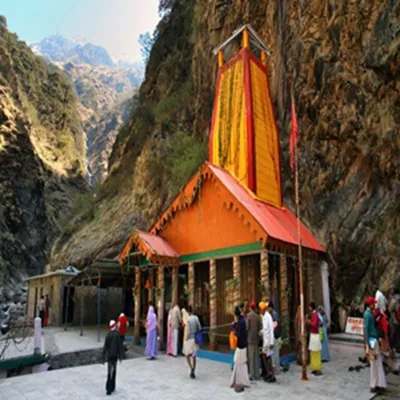
Yamunotri: Origin Of The River Yamuna
Yamunotri Dham is the first stop of the sacred pilgrimage, dedicated to the Goddess Yamuna (twin sister of God Yama), marking the origin of the Yamuna River. The temple is located in the Uttarkashi district at an altitude of 10,804 feet (3,293 meters) above sea level. Spiritual Significance:-Yamunotri Temple holds great significance and is associated with Sage Asit Muni, who lived and bathed in the sacred Yamuna River. Taking a bath in the Yamuna water is believed to cleanse sins and give protection from untimely death.
Key Highlights: -Surya Kund and Divya Shila are major highlights of Yamunotri. Pilgrims usually cook rice and potatoes to offer Maa Yamuna, considered the key part of Yamunotri worship.
Accessibility: The temple is accessible by a 6 km trek that starts from Janki Chatti in Uttarakhand and leads to the Yamunotri temple. Pilgrims can reach Janki Chatti by road from Barkot. Pony, palki, and porter services are available for those who require assistance. The trek is moderate and usually takes 3–5 hours depending on pace.
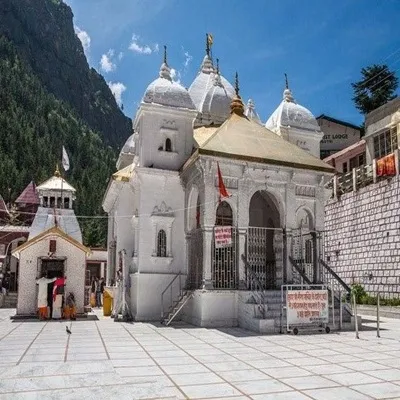
Gangotri: Source Of The River Ganga
Gangotri Dham is dedicated to Goddess Ganga and is popular as the source of the Ganga River (originating from the Gaumukh Glacier). The temple is at an elevation of 10,200 feet (3,200 meters) above sea level, nestled in the Garhwal Himalayas. Spritiual Significance:-Holding spiritual importance, linked with King Bhagirath's penance and the descent of Goddess Ganga. According to Hindu mythology, King Bhagirath performed an instance of penance for the descent of Goddess Ganga from Heaven to liberate his ancestors.
Key Highlights: -Bhagirath Shilla, Jalmagna Shivlinga, Ganga Aarti, and the surrounding beauty are major attractions of the Gangotri temple.
Accessibility :Gangotri Temple is directly accessible by road. Pilgrims can drive up to the temple town from Uttarkashi. There is no trekking required for the main temple visit, making it one of the more accessible shrines among the four Dhams.
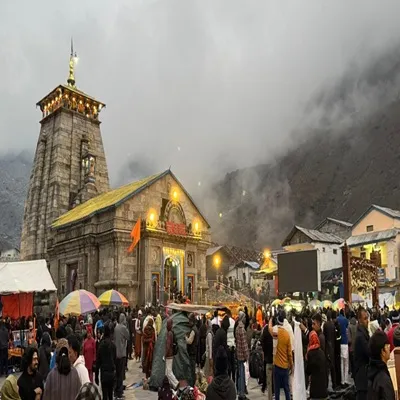
Kedarnath: Sacred Abode Of Lord Shiva
Among the four Char Dhams, Kedarnath is dedicated to Lord Shiva, one of the 12 Jyotirlingas and one among the Panch Kedar Temples. Located in the Rudraprayag district of Uttarakhand, it sits at an elevation of 11,755 feet (3,583 meters) above sea level and is surrounded by snow-capped peaks.
Significance:-According to Hindu legend, the temple was built by the Pandavas, who were seeking forgiveness for the sins of killing their kinsmen in the Mahabharata war. According to legend, Lord Shiva avoided the Pandavas by taking the form of a bull and later manifested as the sacred Shivlinga at Kedarnath
Highlights: -Bheem Shila, the Bhairavnath temple, and majestic Himalayan peaks are the main highlights of the Kedarnath Dham.
Accessibility: The temple is accessible with a 16 km trek to Kedarnath starting from Gaurikund, The route includes steep ascents and high-altitude terrain, making it moderately to physically demanding. Pony, palki, and helicopter services from designated helipads (such as Phata and Guptkashi) are available for pilgrims seeking easier access.
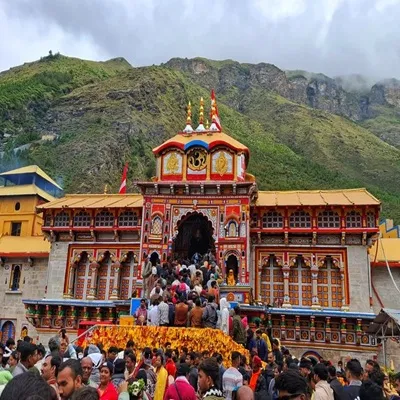
Badrinath: Abode Of Lord Vishnu
Badrinath Temple is the final spot of the sacred Yatra, dedicated to Lord Vishnu, one of the Panch Badri and 108 Divya Desam, located in the Chamoli district of Uttarakhand at an altitude of 10,279 feet (3,133 meters) above sea level, surrounded by Nar-Narayan ranges.
Spiritual Significance -Badrinath Yatra holds significance, believed to be a place where Lord Vishnu meditated for world peace and Goddess Laxmi took the form of a Badri tree to protect Lord Vishnu from the harsh climate, which gave the place its name.
Key Highlights: -Tapt Kund, Neelkanth Peaks, Charan Paduka, Mana Village, and Bheem Pul are major highlights of Badrinath Dham.
Accessibility: Badrinath Temple is directly accessible by motorable road. Pilgrims can reach the temple town by vehicle from Joshimath. Due to its road connectivity, Badrinath is considered one of the most convenient shrines to visit in the Char Dham circuit.
Where Is Char Dham Located?
Char Dham in India is located in the Garhwal Himalayas of Uttarakhand, India. These four sacred temples are situated in the upper Himalayan region across three districts — Uttarkashi, Rudraprayag, and Chamoli. The pilgrimage begins from gateway cities such as Haridwar and Rishikesh and follows a traditional clockwise route.
Here are the locations of each Char Dham Temple:
| Temple Name | Location |
| Yamunotri | Uttarkashi District, Uttarakhand |
| Gangotri | Uttarkashi District, Uttarakhand |
| Kedarnath | Rudraprayag District, Uttarakhand |
| Badrinath | Chamoli District, Uttarakhand |
The journey to these sacred shrines begins from the gateway cities like Haridwar (Dev Bhoomi) and Rishikesh (Yoga Capital) and is traditionally completed in a clockwise route, starting from Yamunotri and ending at Badrinath.
What Is the History of Char Dham ?
The history of Char Dham is deeply rooted in ancient Hindu scriptures and mythology. These Himalayan sites were considered sacred meditation grounds long before formal temples were built. Over centuries, their spiritual significance grew, and they became an important pilgrimage circuit in Hindu tradition.
Each temple has its own unique historical and mythological background:-
Evolution of Char Dham Over the Years
The evolution of Char Dham reflects its transformation from remote Himalayan meditation sites to one of Hinduism’s most revered pilgrimage circuits.
Role of Adi Shankaracharya
In the 8th century, Adi Shankaracharya is credited with organizing these sacred sites into a structured pilgrimage circuit, helping revive Sanatan Dharma and unify different spiritual traditions.
Traditional Challenges
Historically, reaching the temples required long, foot-based journeys through rugged mountain terrain. Only ascetics and highly devoted pilgrims undertook this demanding route.
Modern Developments
Today, improved road connectivity, accommodation facilities, and helicopter services have made Char Dham more accessible while preserving its spiritual essence.
Why Is Char Dham Considered Sacred?
The four shrines connect devotees with Lord Shiva, Lord Vishnu, and the sacred rivers Ganga and Yamuna. Their serene Himalayan setting enhances spiritual reflection, meditation, and inner peace.
Char Dham holds deep spiritual significance in Hinduism. The pilgrimage is believed to cleanse sins, strengthen devotion, and guide devotees toward spiritual growth and self-realization. To explore this in greater depth, read our detailed guide on the Significance of Char Dham.
Why Do Pilgrims Visit Char Dham Yatra Every Year?
Pilgrims visit Char Dham each year seeking spiritual purification, divine blessings, and inner peace. The journey is believed to cleanse sins, strengthen faith, and guide devotees toward salvation (moksha). Beyond its religious importance, the serene Himalayan environment offers mental clarity and physical rejuvenation.
Char Dham is considered a path toward spiritual growth and self-realization. Devotees believe that completing the pilgrimage purifies the soul and strengthens devotion.
Each temple is dedicated to a major deity — Lord Shiva, Lord Vishnu, Goddess Ganga, and Goddess Yamuna — and is believed to grant protection, prosperity, and peace.
Mentioned in ancient scriptures, Char Dham holds immense importance in Hindu tradition and is often regarded as a once-in-a-lifetime spiritual goal.
- Natural & Healing Environment
Surrounded by the Himalayas, sacred rivers, and hot springs like Tapt Kund in Badrinath, the journey offers physical refreshment and mental calmness.
Is Char Dham Considered a Path to Moksha?
Yes, Char Dham is widely considered a path to moksha (liberation) in Hindu tradition. It is believed that visiting the four sacred shrines — Yamunotri, Gangotri, Kedarnath, and Badrinath — helps cleanse past sins, purify the soul, and strengthen one’s spiritual connection with the divine. Devotees undertake this sacred journey with the faith that sincere prayer and devotion at these Himalayan temples guide them toward spiritual liberation and inner peace.
Is Char Dham Suitable for First-Time Pilgrims?
Yes, the Char Dham Yatra is suitable for first-time pilgrims with proper planning. Beginners should follow the traditional clockwise route, travel between May–October, prepare physically for trekking, book accommodation in advance, and complete official registration to ensure a safe and spiritually fulfilling experience.
Things To Know Before Starting Char Dham For Beginners

- Right order of Yatra: the very first thing that all the first-timers know is that the Yatra follows a traditional clockwise Chardham route starting from Yamunotri, then Gangotri, Kedarnath, and finally ending at Badrinath.
- Best time to visit: Late April to June and September to October are considered the best times to visit Char Dham, especially for first-timers, as it provides pleasant weather and clear skies, and roads. Avoid the monsoon due to the risk of landslides and road closures. Before visiting chek weather and temprature guide and then decide what is your “Best Time To Visit Char Dham”.
- Mandatory Registration: All the pilgrims must complete the Char Dham registration process before travel, as it ensures pilgrim safety and provides them with emergency assistance. It can be done online through the Tourist Care Uttarakhand Portal or offline at designated registration centers.
- Booking of Transportation & Accommodation: Transportation and hotels are booked during the peak season, so book ahead to avoid last-minute hassle.
- Physical and Mental Preparation: First-timers should be prepared at least one month before their journey, which requires trekking to Kedarnath and Yamunotri. So, prepare yourself well in advance, physically and mentally.
- Packing Essential Checklist: Carrying all the essential things, including warm clothes, footwear, a medical kit, a flashlight, a power bank, and sturdy backpacks, is considered an essential checklist.
Note: For more details on this, read our blog on “Things To Carry For Char Dham Yatra 2026”.
Key Tips For First-Timers-
Here are some must-know key tips for pilgrims who are visiting Chardham for the first time:
Acclimatization: Properly acclimate yourself at lower altitudes to prevent the risk of altitude sickness.
Stay hydrated: drink plenty of water throughout your journey to prevent dehydration.
Eat light: stick to vegetarian food, simple and light meals, avoid alcohol and street & junk food.
Be Respectful in Your Behavior: Stay in a mannerly way, don't touch the idols, and follow the customs and rituals of the holy shrine.
Add buffer days: Include one or two extra days in your tour itinerary due to weather delays.
Carry Cash: Cash is king in remote areas, as ATMs are limited in this region, so carry sufficient cash for your trip.
Be Flexible: Check the weather forecast daily and be ready for rapid change. Don’t panic at sudden change, and just focus on enriching your spiritual experience.
Where To Get Official Information About Char Dham ?
For accurate and up-to-date information about Char Dham, pilgrims should rely only on official government and administrative sources. These platforms provide verified updates related to registration, travel guidelines, safety advisories, weather alerts, and route conditions.
1) Uttarakhand Government & Tourism Department
The Char Dham pilgrimage is managed by the Uttarakhand Government. The official Tourism Department portal publishes:
- Registration notifications
- Official route maps
- Seasonal advisories
- Safety instructions
- General pilgrimage updates
This is the primary and most reliable source for official information.
2) IRCTC Heli Services Portal
Helicopter services for Kedarnath and other approved sectors operate under government authorization. The official IRCTC heli portal provides:
- Authorized helicopter booking details
- Approved flight schedules
- Official guidelines and policies
Pilgrims should avoid third-party or unauthorized booking platforms.
3) District Administration Websites
District websites such as Uttarkashi, Rudraprayag, and Chamoli provide:
- Real-time weather alerts
- Road and route conditions
- Emergency notifications
These updates are especially important during monsoon or adverse weather conditions.
4) Official Helplines & Government Announcements
During the pilgrimage season, the Uttarakhand Government releases official helpline numbers for:
- Registration assistance
- Travel disruptions
- Emergency support
Pilgrims should follow only verified government announcements and official social media channels.
What Is the Difference Between Char Dham and Chota Char Dham?
The main difference between Char Dham and Chota Char Dham lies in their geographical scope and traditional significance.
Char Dham (All-India Circuit)
The original Char Dham refers to four sacred pilgrimage sites located in different parts of India:
- Badrinath (Uttarakhand – North)
- Dwarka (Gujarat – West)
- Puri (Odisha – East)
- Rameshwaram (Tamil Nadu – South)
This all-India circuit was established by Adi Shankaracharya in the 8th century to unify Hindu spiritual traditions across the country. Visiting these four temples is considered highly auspicious in Hinduism.
Chota Char Dham (Uttarakhand Circuit)
Chota Char Dham, also known as the Himalayan Char Dham, refers to four temples located in the Garhwal Himalayas of Uttarakhand:
- Yamunotri
- Gangotri
- Kedarnath
- Badrinath
This pilgrimage is completed in a traditional clockwise order and is popularly undertaken between May and October. Today, when people search for “Char Dham,” they often refer to this Uttarakhand circuit.
Conclusion
Char Dham is more than a pilgrimage — it is a spiritually transformative journey deeply rooted in Hindu tradition. Visiting the four sacred Himalayan shrines — Yamunotri, Gangotri, Kedarnath, and Badrinath — offers devotees an opportunity for inner reflection, spiritual purification, and a deeper connection with the divine.
With proper planning, physical preparation, and guidance from official sources, this sacred journey can become a safe, meaningful, and life-enriching experience.
FAQs of Chardham
1. What is the purpose of Char Dham ?
The primary purpose of the Char Dham is spiritual purification and devotion. It is believed to help devotees progress toward moksha while strengthening their faith and discipline.
2. What is the significance of doing the Char Dham ?
The Chardham holds deep spiritual significance in Hinduism as a sacred journey dedicated to Lord Shiva, Lord Vishnu, and the holy rivers Ganga and Yamuna. It is considered a path toward inner transformation and spiritual fulfillment.
3. Which Char Dham should I visit first?
The Char Dham traditionally follows a clockwise route, starting from Yamunotri, then Gangotri, Kedarnath, and ending at Badrinath. Yamunotri is visited first as part of this sequence.
4. Who started Char Dham?
The Chardham was established as a pilgrimage circuit by Adi Shankaracharya in the 8th century. He promoted these shrines to unify Hindu traditions and revive spiritual practices.
5. What is the history of Char Dham?
The history of Char Dham is rooted in ancient Hindu scriptures like the Vedas and Puranas. The pilgrimage gained structured recognition in the 8th century through Adi Shankaracharya, making it one of Hinduism’s most sacred journeys.
6. What Are the 4 Char Dham Names in Order?
The 4 Char Dham names in traditional visiting order are:
- Yamunotri
- Gangotri
- Kedarnath
- Badrinath
The pilgrimage traditionally begins from Yamunotri and proceeds clockwise to Gangotri, then Kedarnath, and finally concludes at Badrinath. This order is followed according to Hindu tradition and geographical alignment in the Garhwal Himalayas of Uttarakhand.
In Simple Terms:
Char Dham = Four sacred temples across India
Chota Char Dham = Four Himalayan temples in Uttarakhand
Related Guide
Char Dham VIP Darshan 2026
Travel Tips For Chardham Yatra In India 2026 Guide
Char Dham Yatra Registration 2026
Preparation Tips For Chardham Yatra
Char Dham Yatra Trekking Guide
Top 12 places to visit during Char Dham Yatra
Make your Char Dham pilgrimage safe and convenient with our curated packages. Choose from
1) Char Dham Package (9days/8Night)
2) Do Dham Yatra Package (5days/4Night)
3) Kedarnath Tour Package (4days/3Night)
4) Badrinath Tour Package (3days/2Night)
that include guided travel, comfortable accommodation, and reliable transportation — perfect for first-time pilgrims and seasoned travelers alike.