
Kedarkantha Trek Difficulty: How Hard Is It for Beginners?
Category: Travel | Updated On: August 9, 2026 | Published: September 14, 2024
Introduction
Kedarkantha, a majestic peak in the Garhwal Himalayas, offers a breathtaking trekking experience with panoramic views of the surrounding mountains. It is well known as a winter trek and a dream destination for both regular and seasonal trekkers alike. However, like any high-altitude trek, it presents its own set of challenges. This guide will dive deep into the top 7 challenges you may encounter on the Kedarkantha trek , helping you prepare and overcome them.
Quick Verdict: Kedarkantha Trek Difficulty
Difficulty: Easy to Moderate | Distance: 22 km round trip | Max Altitude: 12,500 feet | Duration: 5 Days / 4 Nights | Best For: Beginners with basic fitness
Understanding Kedarkantha
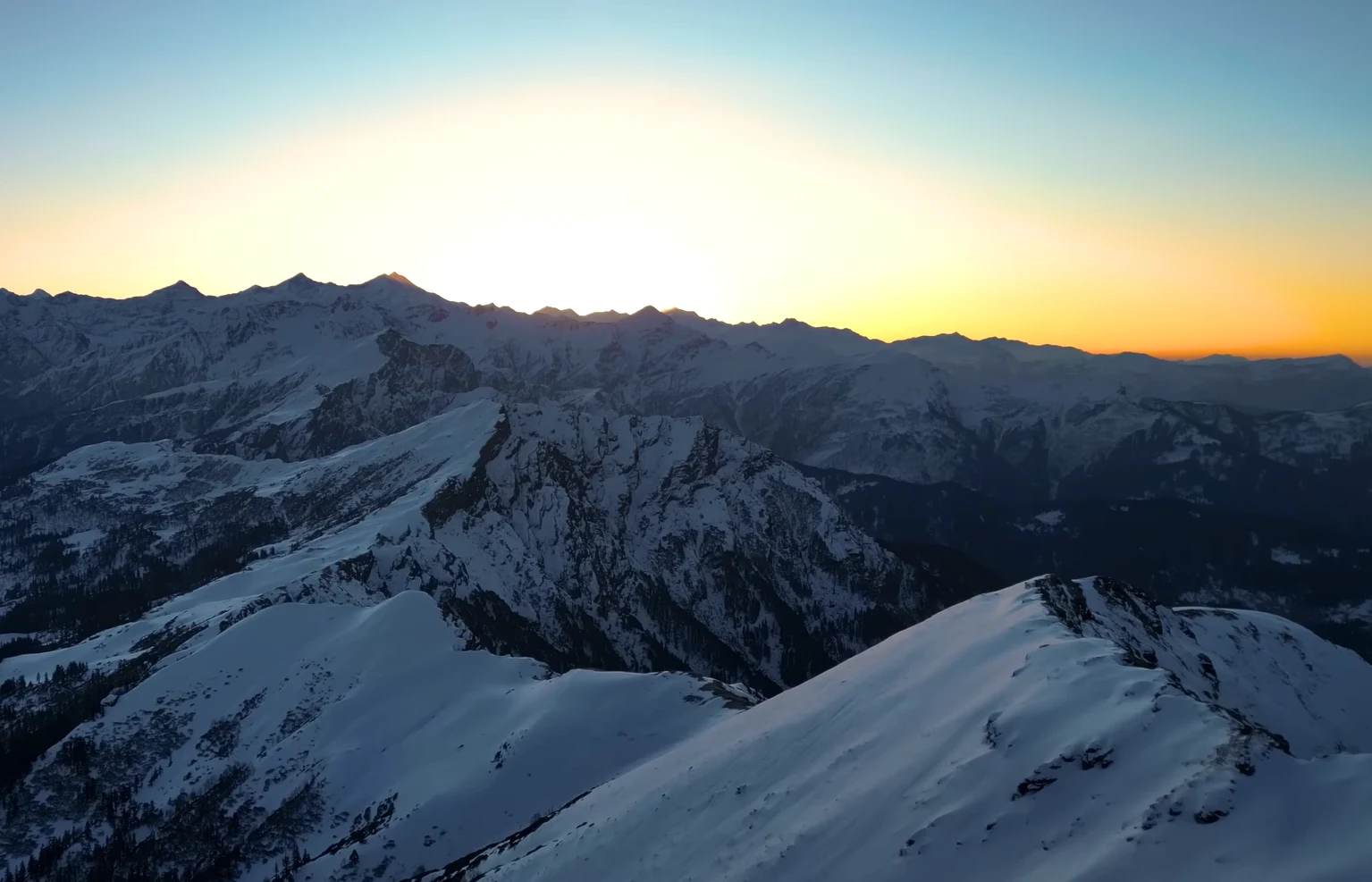
Located at an altitude of 3,810 meters (12,500 feet) above sea level, Kedarkantha is fully covered in snow during the winter trekking season, making it a perfect trekking destination for Diwali holidays. Here's a comprehensive guide to help you understand what to expect from this popular trek. Also, the site is famous for the Kedarkantha story and mythology.
Location and Geography
Kedarkantha is located in the Uttarkashi district of Uttarakhand, India, inside the Govind Wildlife Sanctuary. The peak rises to an altitude of 12,500 feet (3,812 meters), offering stunning views of the surrounding peaks like Bandarpoonch, Swargarohini, and Black Peak. The trek starts from Sankri village, the last motorable point on this route and the base camp for several other Himalayan treks in the region.
Difficulty Level
The Kedarkantha trek is considered easy to moderate, making it one of the most beginner-friendly high-altitude winter treks in India. While it doesn't require technical climbing skills, the high-altitude terrain, steep ascents, and snow-covered sections can still be demanding for those who are not physically fit or accustomed to high-altitude trekking.
Best Time to Visit
The ideal time to trek Kedarkantha is from December to April, when heavy snowfall blankets the trail and turns it into a classic winter trek in Uttarakhand. That's exactly why it's counted among the best winter treks in India. The peak is also accessible during the summer and autumn months, but without the snow, it loses the experience it's best known for.
Trek Itinerary and Day-by-Day Difficulty
The Kedarkantha trek is a linear route (not circular) covering 22 km round trip over 5 days, starting and ending in Dehradun. Here's how the difficulty builds up day by day:
| Day | Route | Altitude | Difficulty |
|---|---|---|---|
| Day 1 | Drive from Dehradun to Sankri | 6,500 ft | Easy (travel day) |
| Day 2 | Trek: Sankri to Juda Ka Talab (4 km) | 9,100 ft | Easy to Moderate |
| Day 3 | Trek: Juda Ka Talab to Kedarkantha Base Camp (4 km) | 11,250 ft | Moderate (steeper ascent) |
| Day 4 | Summit push and back to Base Camp | 12,500 ft | Moderate to Challenging (pre-dawn start, coldest stretch) |
| Day 5 | Descend to Sankri, drive back to Dehradun | 6,500 ft | Easy to Moderate |
This gradual, staged altitude gain (6,500 ft → 9,100 ft → 11,250 ft → 12,500 ft over three days) is what makes Kedarkantha manageable for beginners despite reaching a genuine high-altitude summit.
Acclimatization
Acclimatisation is crucial for high-altitude trekking to prevent altitude sickness. On the Kedarkantha trek, this happens through a gradual, staged ascent rather than a separate pre-trek stay: the itinerary gains altitude in three steps over three days (6,500 ft to 9,100 ft to 11,250 ft) before the final summit push to 12,500 ft, giving your body time to adjust at each stage.
Permits and Regulations
To trek to Kedarkantha, you'll need to obtain the necessary permits from the Forest Department. The permit fees may vary depending on the season and the number of trekkers. It's essential to follow the regulations and guidelines set by the authorities to protect the environment and ensure a safe and enjoyable trek.
Things to Carry
Packing the right gear is essential for a comfortable and safe Kedarkantha trek. Remember to pack warm clothing, waterproof gear, sturdy trekking boots, a sleeping bag, a first-aid kit, and other necessary items. For more details, you can also read our article on things to pack for the Kedarkantha trek
Safety Tips
Hire a local guide for assistance and to ensure your safety.
Inform your family or friends about your itinerary.
Pack enough food and water.
Be mindful of the weather conditions.
Respect the local culture and environment.
By understanding these key aspects of the Kedarkantha trek, you can plan your adventure effectively and enjoy a memorable experience in the Himalayas.
Preparing for the Challenges
By understanding the challenges of the Kedarkantha trek and preparing accordingly, you can increase your chances of a successful and enjoyable adventure. This guide will provide you with valuable information and tips to help you overcome these challenges.

Physical Fitness: The Kedarkantha trek requires a moderate level of physical fitness. It's important to train before embarking on the trek to ensure you are physically prepared for the challenges ahead. Engage in activities like hiking, running, or cycling to improve your cardiovascular endurance, strength, and stamina.
Acclimatisation: Acclimatisation is crucial to prevent altitude sickness. Follow the trek's staged ascent pace rather than rushing ahead of the group, and stay hydrated at each stop. This will help reduce the risk of altitude sickness and ensure a more comfortable and enjoyable experience.
Packing Essential Gear: Packing the right gear is essential for a comfortable and safe trek. Remember to pack warm clothing, waterproof gear, sturdy trekking boots, a sleeping bag, a first-aid kit, and other necessary items. A detailed packing list will be provided later in this guide.
Mental Preparation: The Kedarkantha trek can be mentally demanding, especially when faced with challenges like altitude sickness or difficult terrain. It's important to have a positive mindset and be prepared to overcome obstacles. Visualise yourself completing the trek and focus on the rewards of the journey.
Group Size: Consider the size of your trekking group. Smaller groups can be more flexible and easier to manage, but larger groups may provide more support and camaraderie.
Local Guides: Hiring a local guide can provide valuable insights, assistance, and knowledge of the trail. They can also help you navigate challenging sections and provide information on local customs and culture.
Insurance: It's recommended to purchase travel insurance that covers trekking activities, including medical expenses and emergency evacuation.
By carefully considering these factors and preparing accordingly, you can embark on a memorable and rewarding Kedarkantha trek.
7 Challenges of the Kedarkantha Trek: A Trekker's Perspective
Despite its beginner-friendly reputation, the Kedarkantha trek presents its own set of challenges: altitude sickness, steep ascents and descents, unpredictable weather, difficult terrain, crowded trails, sub-zero night temperatures, and limited facilities. Here's a closer look at each:

Altitude Sickness
Symptoms: The trek involves reaching altitudes of around 12,500 feet (3,812 meters). This can lead to altitude sickness, with symptoms like headache, nausea, fatigue, difficulty breathing, loss of appetite, and, in severe cases, confusion and swelling. It's a serious condition that can be life-threatening if not treated promptly.
Prevention: Follow the trek's staged ascent (the itinerary is designed to gain altitude gradually), drink plenty of fluids, and avoid alcohol and caffeine. If you experience symptoms, inform your guide immediately, descend if advised, and seek medical attention.

Steep Ascents and Descents
Physical Demanding: The Kedarkantha trek involves steep ascents and descents, which can be physically demanding. It requires a good level of fitness, endurance, and strong lower-body strength.
Knee Strain: The steep descents can put strain on your knees. Using trekking poles can help alleviate pressure on your knees and improve stability. Proper technique and pacing are also essential to minimise knee strain.

Weather Uncertainty
Unpredictable Weather: The weather in the Himalayas can be unpredictable, with sudden changes in temperature, wind, and precipitation. Be prepared for all weather conditions by packing appropriate clothing and gear, including a waterproof jacket, pants, and gloves.
Snowfall: During the winter months, the trail may be covered in snow, making the trek more challenging and requiring additional precautions. Snow can make the terrain slippery and increase the risk of falls.

Difficult Terrain
Rocky Terrain: The trail can be rocky and uneven, requiring good footwork and balance. Loose rocks can be slippery, and uneven terrain can increase the risk of ankle injuries.
Snow Patches: In the winter months, you may encounter snow patches, which can be slippery and increase the risk of falls. Snow patches can also make navigation more difficult, especially in low visibility conditions.

Crowded Trails
Peak Season: The Kedarkantha trek is quite popular, especially during the peak season (October to March). This can lead to crowded trails and campsites, making it challenging to find peaceful spots and enjoy the solitude of the mountains.
Limited Camping Space: During peak season, finding a suitable camping spot can be challenging, especially near popular viewpoints. It's important to arrive early to secure a good camping spot. If you'd prefer a quieter, less-crowded winter trek instead, see how Kedarkantha compares to the Brahmatal trek.

Sub-Zero Night Temperatures
Freezing Nights: Temperatures at the Kedarkantha base camp (11,250 ft) regularly drop well below freezing at night during the December-to-April trekking season. Staying warm through the night is as much a challenge as the trekking itself.
Cold-Weather Gear: A good sleeping bag rated for sub-zero temperatures, thermal layering, and keeping your extremities (hands, feet, head) covered at all times are essential. This is also why the summit push starts hours before sunrise, in the coldest part of the day, so trekkers reach the top in time for sunrise before temperatures and winds pick up further.

Limited Facilities
Basic Amenities: The Kedarkantha trek is a remote adventure, and facilities along the trail are limited. Be prepared to carry your own food, water, and camping equipment.
Limited Medical Assistance: In case of a medical emergency, access to medical facilities may be limited. It's essential to pack a comprehensive first-aid kit and be prepared to handle minor injuries yourself.
By understanding these challenges and preparing accordingly, you can increase your chances of a successful and enjoyable Kedarkantha trek. Remember to listen to your body, acclimatise gradually, and enjoy the breathtaking views that await you.
Conclusion
The Kedarkantha Trek is a popular adventure in the Himalayas, offering stunning views and a thrilling experience. However, it's not without its challenges. Be prepared for physical exertion, as the trek involves steep inclines and rocky terrain. Unpredictable weather can also pose difficulties, so pack appropriately. Altitude sickness is a concern at high altitudes, so ascend gradually and acclimatise properly.
Having the right equipment, including sturdy hiking boots and warm clothing, is crucial for a comfortable and safe trek. Avoid crowding by planning your trip during off-peak seasons or early mornings. Respect the environment by avoiding littering, respecting wildlife, and minimising your impact. By being aware of these challenges and preparing adequately, you can enhance your chances of a successful and enjoyable Kedarkantha Trek. Remember to prioritise your safety, embrace the beauty of the Himalayas, and leave no trace.
FAQs
Is the Kedarkantha trek difficult for beginners?
No, Kedarkantha is rated Easy to Moderate and is considered one of the most beginner-friendly high-altitude winter treks in India, thanks to its gradual, staged ascent.
How many kilometers is the Kedarkantha trek?
The Kedarkantha trek covers 22 km round trip from Sankri to the summit and back, spread across 5 days.
What is the highest altitude on the Kedarkantha trek?
The Kedarkantha summit sits at 12,500 feet (3,810 meters), reached via a staged ascent through Juda Ka Talab (9,100 ft) and Base Camp (11,250 ft).
Is the Kedarkantha trek safe in winter?
Yes, with proper precautions. Winter (December to April) is when the trek is at its most popular and scenic, with heavy snowfall. Trekkers should be prepared for sub-zero night temperatures and follow their guide's acclimatisation pace to avoid altitude sickness.