What Things To Pack For a 5-Day Himalayan Trek?
Category: Travel | Updated On: November 6, 2026 | Published: November 6, 2026

Introduction
Trekking is a great way to explore the mountain landscapes, rhododendron forests, beautiful meadows, & snow-covered trails, especially in the higher Indian Himalayas.
But to experience all these things, or for your first adventure trek, the right packing plays a vital role in making your experience safe and memorable.
Unlike regular travel, trekking requires carrying essential equipment, belongings, and arranging them in a backpack, which a trekker must carry for several hours a day during the trek.
A Trekker must pack suitable clothing, proper trekking shoes, personal medicines, toiletries, & other miscellaneous items. But packing too much can make your experience stressful, while leaving necessary things behind can create difficulties.
That’s why having a better understanding of what things to pack for a 5-day Himalayan trek is important. If you are planning for any trek, such as Kedarkantha, Dayara Bugyal Trek, etc., this guide will help you prepare an ultimate packing list of what to avoid and what things to pack for a 5-day Himalayan Trek.
- Introduction
- Why Packing is Important for Himalayan Trekking
- Clothing Checklist for a 5-day Himalayan Trek
- Trekking Footwear for Himalayan Trek
- Backpack & Essential Trekking Accessories
- Toiletries & Personal Hygiene Items for a 5-day trek
- First-Aid & Personal Medicines
- Hydration & Nutrition Essentials
- Document & Other Essentials
- What Things To Avoid Carrying?
- How To Keep a Backpack Lightweight for Trekking?
- Conclusion
- FAQs
Why Packing is Important for Himalayan Trekking
We all know that trekking in the Himalayan region, whether you plan for treks in Uttarakhand or treks in Himachal Pradesh, involves long hours of walking on rugged terrain and unpredictable weather conditions.
Therefore, a trekker's backpack must contain items like:
- Warm clothes to stay warm during a cold night
- A walking stick to walk comfortably on slippery trails
- Items for personal hygiene during trekking & camping
- Medical items to handle major injuries & common trekking issues
- Sufficient water & food for hydration & nutrition
So it derives the idea that you should not pack everything but carry essentials that serve a practical purpose for your journey.
Now, let’s take a look at the complete checklist of what things to pack for a 5-day Himalayan trek.
Clothing Checklist for a 5-day Himalayan Trek
Clothing is an important part of your trekking preparation. Instead of packing bulky clothes, prefer lightweight and comfortable clothes that can be layered. A woolen layer is important to tackle cold night temperatures.
| Clothing Item | Suggested Quantity (5-day trek) |
| Quick-dry T-shirts | 2-3 Pcs |
| Thermal innerwear | 1-2 Sets |
| Trekking pants | 2 Pc |
| Fleece jacket | 1 Pc |
| Down Jacket for Insulation | 1 Pc |
| Regular Underwear | 4-5 Pairs |
| Sun Cap & Woolen Cap | 1/1 Pc |
| Gloves | 1-2 Pairs |
| Neck Warmer | 1 Pc |
| Socks | 3-4 Pairs |
Pro Tip: Layering is key for Himalayan trekking; a base layer helps manage sweat, a fleece jacket provides insulation, and an outer layer helps with rain & wind protection.

Trekking Footwear for Himalayan Trek
Footwear can shape your overall trekking experience. A high-altitude trek means walking on rocky paths, muddy trails, & tackling steep mountain sections.
The following is the footwear items to carry for Himalayan Trek:
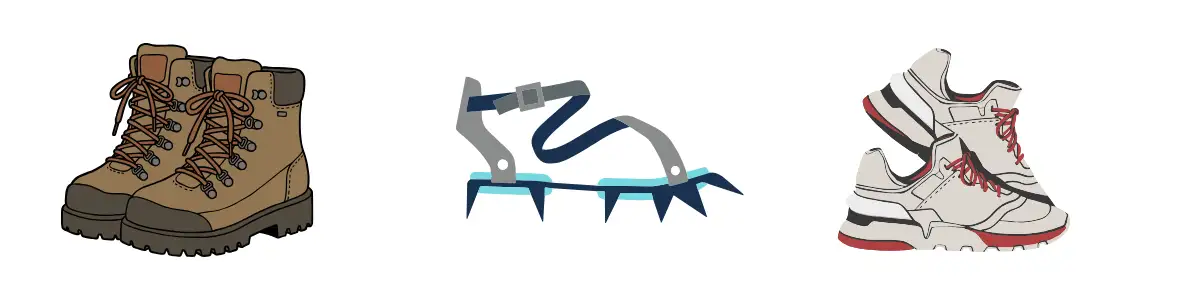
- Trekking Shoes: Choose sturdy trekking shoes with good grip and ankle support, depending on the trail and season.
- Flip-flops for Camp: See, wearing shoes all the time can be painful and a little uncomfortable. That’s why carrying one pair of slippers is useful for walking around the campsite.
- Gaiters: Only required if you have a plan for a longer snow-trek expedition in India, like the Triund and Laka Glacier Trek or the Chopta Chandrashilla trek. Gaiters will help to prevent snow patches.
Backpack & Essential Trekking Accessories
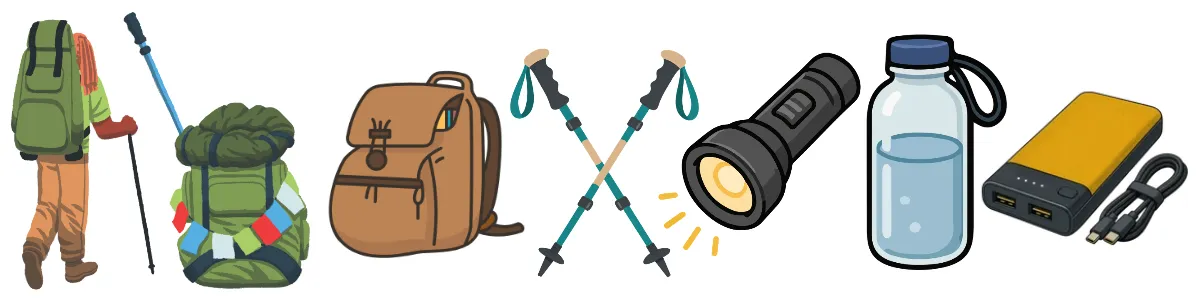
A backpack with a capacity of around 40-50 liters is a basic requirement for carrying all your personal equipment. A small daypack is essential if you plan to offload.
Below is a list of trekking equipment/accessories with quantity and suggested brands:
| Items | Qty | Suggested Brand |
| Trekking Rugsack/Bagpack (50-60 ltr) | 1 | Decathlon/Osprey |
| Daypack (20-30 ltr) | 1 | Decathlon/Osprey |
| Trekking Pole | 1 | Leki or Decathlon |
| Headlamp/Torch | 1 | Petzl & Black Diamond |
| Reusable Water Bottle | 1 | – |
| Power Bank | 1 | Anker with 10000 mAh |
Toiletries & Personal Hygiene Items for a 5-day trek
It is challenging to maintain hygiene on high-altitude trails where resources are limited, but carrying small personal hygiene essentials helps a lot, especially at campsites.
A small personal hygiene kit must include:
- Toothbrush & small toothpaste or mouth freshener
- Hand Sanitizer
- Biodegradable toilet roll
- Paper soap
- Sunscreen (SPF 50 or higher)
- Moisturizer & Lip Balm
- Small, quick-dry towel
- Personal sanitary product if required
- Small waste carrying bag

First-Aid & Personal Medicines
Health must be a priority for everyone. A first-aid kit is a key essential of a trekking backpack. On high-altitude trails, trekkers can experience minor cuts, blisters, or fever/headache, which is important to prevent before it becomes a major issue.
The following are the medical items that must be in a kit that you carry:
| Item | Purpose |
| Band-aids | Minor cut |
| Antiseptic cream/wipe | To apply on wounds |
| ORS Packets | Prevent dehydration |
| Personal medicines | Medical needs |
| Pain relief spray | To prevent joint & muscle strain |
| Tablets for cold & fever | To prevent fever, cold, & AMS |

Hydration & Nutrition Essentials
Varying lightweight energy food items are helpful to get instant energy during the trek when needed.
You can pack such items like:
- Dry Fruits like Almonds, walnuts, raisins, or cashews
- Energy Bars & chocolates
- Glucose Biscuits
- ORS or electrolyte sachets

Document & Other Essentials
- Any government-issued ID card, like an Aadhaar card or passport
- Trek Registration, Permit slip where applicable
- Some cash for personal expenses
- Emergency contact details
Pro Tip: Mobile networks are very poor & batteries can drain quickly in the mountains, so keep an offline copy of your documents in your bag.

What Things To Avoid Carrying?
It is not necessary to carry all the things/trekking equipment in your backpack. There are some items that you can rent on a Himalayan trek.
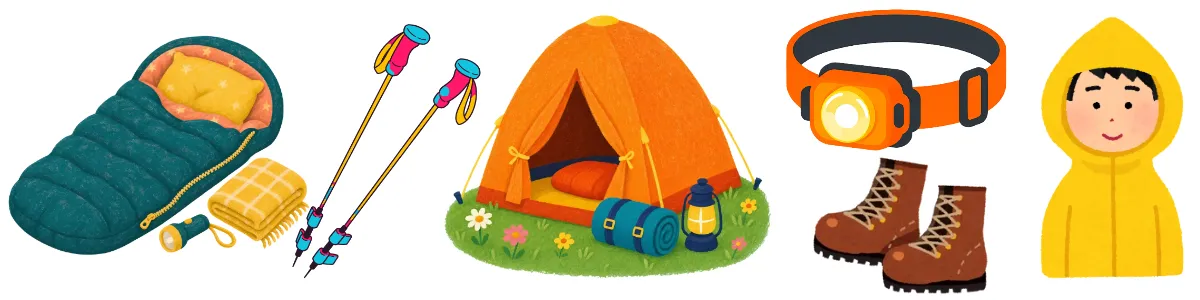
- Sleeping bag/sleeping mat
- Down Jacket
- Trekking Pole
- Gaiters & Microspikes for snow trekking
- Headlamp
- Rain Poncho
- Camping Rent
You can rent these items from the base village of any trek at local shops.
How To Keep a Backpack Lightweight for Trekking?
Keeping your trekking backpack light is the best way to protect your knees from pain and to enjoy a trek. Because a heavy backpack that you carry can make walking on trails difficult and affect your experience.
Below are some tips to keep your backpack light.
- Choose Multipurpose Clothing: Avoid packing clothes separately for every day. Choose layered clothing like quick-dry T-shirts & trekking pants. A fleece jacket is enough for insulation instead of bulky sweaters.
- Avoid Unnecessary Items: Avoid packing too many toiletries like a shaving kit or skin care products. Carry only what you actually need.
- Use a Compression Bag: A compression bag can help organise clothes and reduce the space they take up.
- Check what your travel operator provides: Before packing, check & ask what your trek operator provides; generally, sleeping bags, mats, tents, and gaiters are included, which you can leave.
- What you can rent: If you have a good budget, you can also rent items such as gaiters, microspikes, sunglasses, rain poncho, etc. It helps you to keep your backpack lightweight.
- Weigh your backpack before departure: Most importantly, weigh your backpack before travel for the trek. Your backpack should be 10% of your body weight or must be 7-8 kg.
Conclusion
So this is how a packing list for a Himalayan trek should be balanced for comfort, safety, and convenience. An appropriate trekking pack list must include essential clothing, trekking shoes, personal medicines, documents, cash, toiletries, personal hygiene items, and belongings.
But remember to keep your stuff lightweight; avoid overloading, which can create challenges & difficulties. Keep these things in mind for a memorable and safer trekking experience.
FAQs
Which size of backpack suits a 5-day Himalayan Trek?
Generally, a 40-50 L capacity backpack is suitable & a smaller day pack for day’s trekking. Choose a backpack with a rain cover, high grip support, & multiple compartments. Decathlon & Osprey work better.
What clothes should you carry for a 5-day Himalayan trek?
Layering is key for a Himalayan trek. You should carry around 2-3 quick-dry T-shirts, trekking pants, thermal innerwear, a fleece jacket for insulation, 2-3 pairs of socks, and gloves. Avoid carrying bulky clothes.
Do I need waterproof trekking shoes, or can sports shoes work?
Yes, a pair of waterproof, high-grip, supportive trekking shoes is important to protect you from rugged terrain and snowy & muddy trails. No, sport shoes can not work for high altitude himalayan trek.
Do I need to carry a sleeping bag for a 5-day trek?
No, not required. Many tour operators provide sleeping bags and sleeping mats, or you can also rent them from nearby local shops at the base.
Which treks in India are best for a 5-day trek expedition?
Below are popular 5-day trekking destinations:
- Hampta Pass trek
- Kauri Pass trek
- Triund Laka Trek
- Kedarkantha Trek
- Dayara Bugyal Trek