
Himalayan Vs Western Ghats Treks: How Are They Different?
Category: Travel | Updated On: September 10, 2026 | Published: September 10, 2026
Introduction
India is globally renowned for its diversity, not just social & cultural diversity but also for geographical (landscape) diversity.
This feature makes trekking a great adventure in many different ways. The northern Himalayan region is popular for snow-covered mountain peaks and alpine meadows with high-altitude trails.
Further, the Western Ghats treks are famous for lush green grasslands, misty waterfalls, dense forests & rich biodiversity.
Both regions attract millions of trekkers & adventure enthusiasts; choosing between them depends on your fitness level, time of the year, and your desired experience.
Ultimately, Himalayan vs Western Ghats trekking offers completely different experiences. To help you choose, we've put together this complete comparison of Himalayan vs Western Ghats Treks.
Himalayan trekking offers rugged terrain and thrilling adventure with panoramic views, including the popular snowy trails like the Brahmatal trek & Kedarkantha trek and lush meadows like the Dayaya Bugyal Trek and Valley of Flowers Trek.
On the other hand, Western Ghats treks offer slow-paced trekking through misty grassy lands and waterfalls. Treks like the Kudremukh trek, the Rajmachi trek, and the Chembra peak trek are renowned for their dramatic natural beauty. For 15 top treks across both regions, including Kudremukh in the Western Ghats, see our best treks in India.
Explore the Best mountain treks in India, from thrilling Himalayan treks to Western Ghats trekking, and learn about terrain, weather, difficulty, and experience.
- Introduction
- Quick Comparison: Himalayan Vs Western Ghats Trek
- Himalayan Treks: Trails Where Mountains Meet The Sky
- Kashmir Great Lakes Trek
- Hampta Pass Trek
- Kedarkantha Trek
- Goecha La Trek
- Triund Trek
- Chopta Chandrashilla Trek
- Western Ghat Treks: Gateway to Green Wonderland
- Kudremukh Trek
- Kumara Parvata Trek (Karnataka)
- Rajmachi Trek (Maharashtra)
- Chembra Peak Trek (Kerala)
- Harishchandragad Fort Trek (Maharashtra)
- Meesapulimala Trek (Kerala)
- Key Difference: Himalayan Vs Western Ghats Trek
- Himalayan Vs Western Ghats Treks: Which One is Better?
- A Common Thing in Both Regions: Responsible Trekking
- Conclusion
- FAQs
- What is the difference between the Western Ghats and Himallayan treks?
- Which is better Himalayan or Western Ghat trekking for beginners?
- Is Himalayan trekking more difficult than Western Ghat trekking?
- Which region is better for snow trekking in India?
- How to trek responsibly in the Himalayas & Western Ghats?
- Which is better for a short weekend trekking trip?
Quick Comparison: Himalayan Vs Western Ghats Trek
Let’s take a look at the key differences between Himalayan and Western Ghats treks.
| Factor | Himalayan Trekking | Western Ghat Trekking |
| Landscape | Himalayan Valleys, Peaks & Meadows | Rolling grasslands, forests, & waterfalls |
| Approx. Altitude | Moderate to Extreme | Generally Lower |
| Weather | Dramatically changing, with snowy winters and cool summers | Humid tropical with heavy rainfall |
| Terrain | Rocky, snowy, & steep ridges | Forest Paths & Muddy Trails |
| Difficulty | Beginner to Extremely Challenging | Easy to Moderate |
| Wildlife | Rich Flora & Fauna | Rich Tropical Biodiversity |
| Cultural Experience | Local Himalayan villages & rich Kumaon and Garhwal cultures | Rural & Regional Culture |
| Major Highlights | Views of snow-covered peaks & alpine landscapes | Waterfalls, lush green hills, & rainforests |
Himalayan Treks: Trails Where Mountains Meet The Sky
Trekking in the Himalayas is an expedition to the World’s highest peaks that requires proper physical preparation and mental resilience for such a rewarding experience.
Featuring high-altitude landscapes, snow-covered trails, alpine meadows, and dramatic valleys. Attracts trekkers, backpackers, and nature and adventure enthusiasts alike.
Let’s take a look at some of the best Himalayan treks:
Kashmir Great Lakes Trek
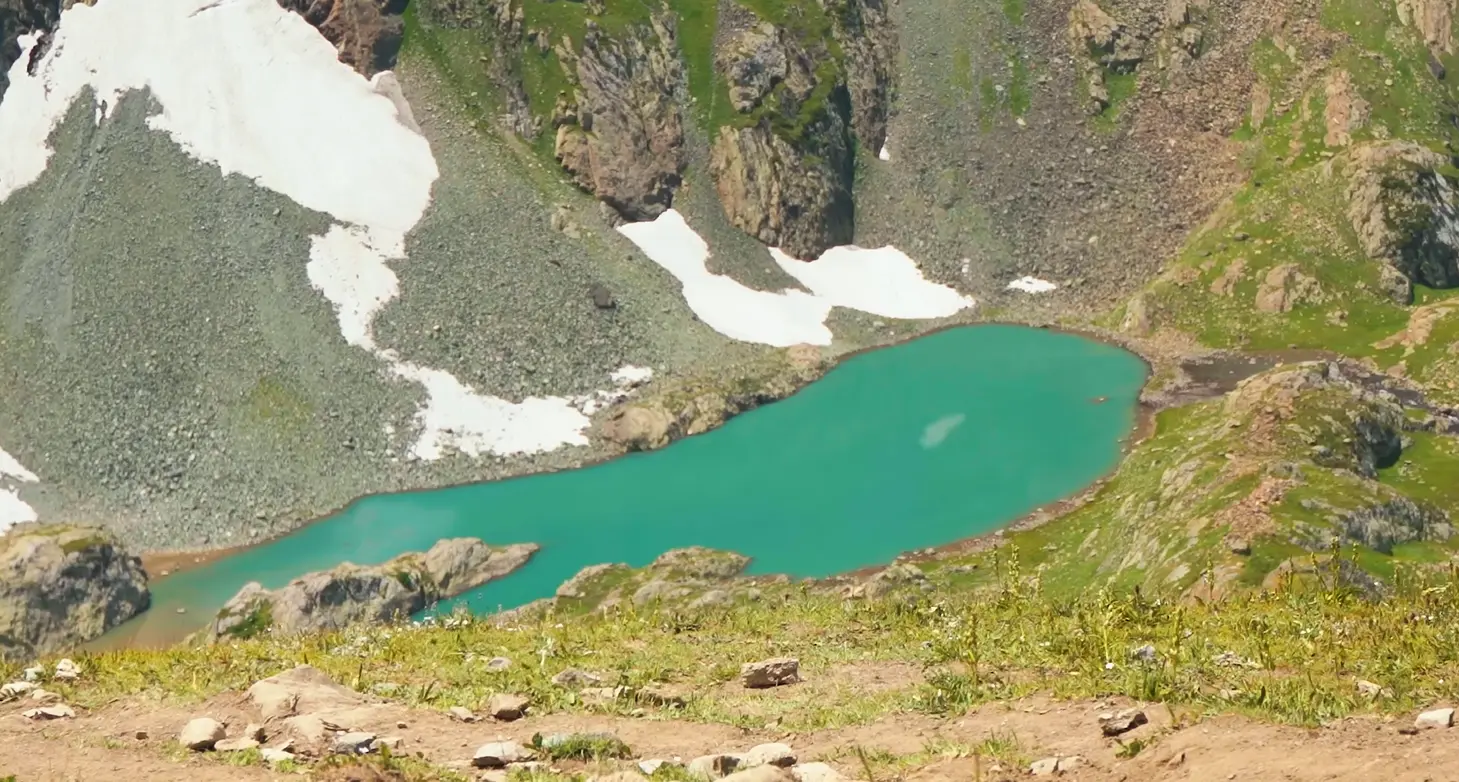
The Kashmir Great Lakes trek is a popular high-altitude lake trek in Jammu & Kashmir, India. It is renowned for its stunning natural beauty, featuring alpine water bodies and scenic landscapes.
The trek covers around 60-70 km round trip, starting from Sonamarg base camp and ending at Naranag Village. It leads to India’s most popular alpine lake, surrounded by endless rolling hills and dense forests.
It is considered a moderate to challenging trek due to its longer distance and uneven terrain that requires good physical fitness.
- Location: Srinagar, Jammu & Kashmir
- Altitude: Approximately 13,750 feet
- Distance: 60-70 km
- Duration: 7-8 days
- Difficulty: Moderately challenging
- Starting Point: Sonamarg Village, near Srinagar
- Best Time To Visit: Mid-July to September
- Highlights: Massive views of Alpine water bodies like Vishnasar, Krishnasar & rolling meadows
Hampta Pass Trek
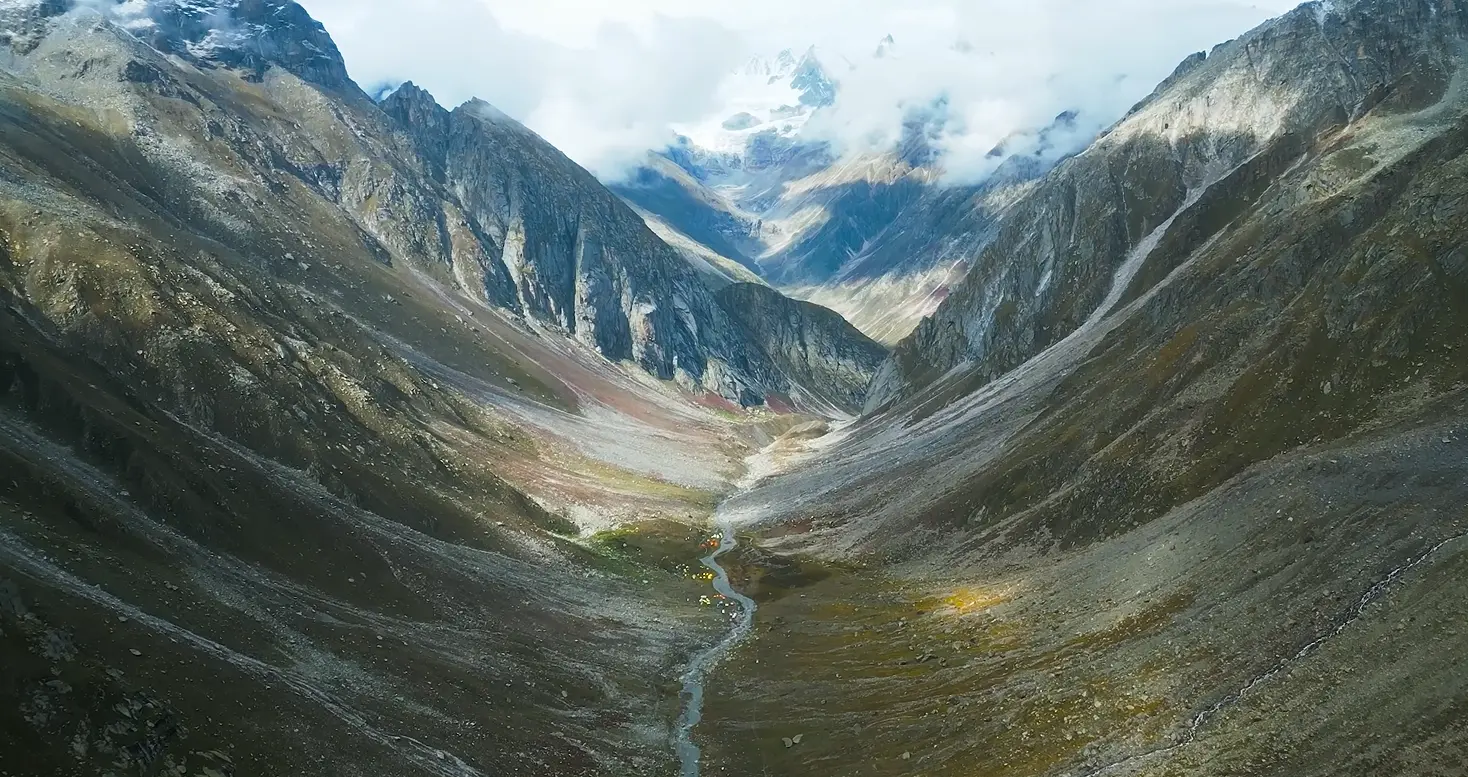
Hampta Pass Trek is a popular mountain expedition trek in Himachal Pradesh, India. Located in Manali, Hampta Pass is one of the most beautiful campsites in Himachal that offers cross-over ridge walks through the lush green meadows.
The trek is celebrated for its dramatic shifts from alpine meadows to a moon-like desert of the Spiti Valley. It covers a distance of around 25 to 30 km; the round trek takes roughly 4-5 days.
Starting from Jobra base camp near Manali, it reaches upto 14,100 feet, considered a moderately difficult trek. Highlighted by the legendary Chandratal lake and Diverse flora-fauna of this region.
- Location: Manali, Himachal Pradesh
- Altitude: 4,300 meters (14,100 feet)
- Distance: Around 25-30 km
- Duration: 4-5 days
- Difficulty: Moderate
- Starting Point: Jobra, short drive from Manali
- Best Time To Visit: June to September for a peaceful expedition
- Highlights: Beautiful views of Kallu Valley & Spiti Valleys
Ready for a summit after Hampta? Our Friendship Peak expedition (5,289 m) starts from the same Manali base.
Kedarkantha Trek
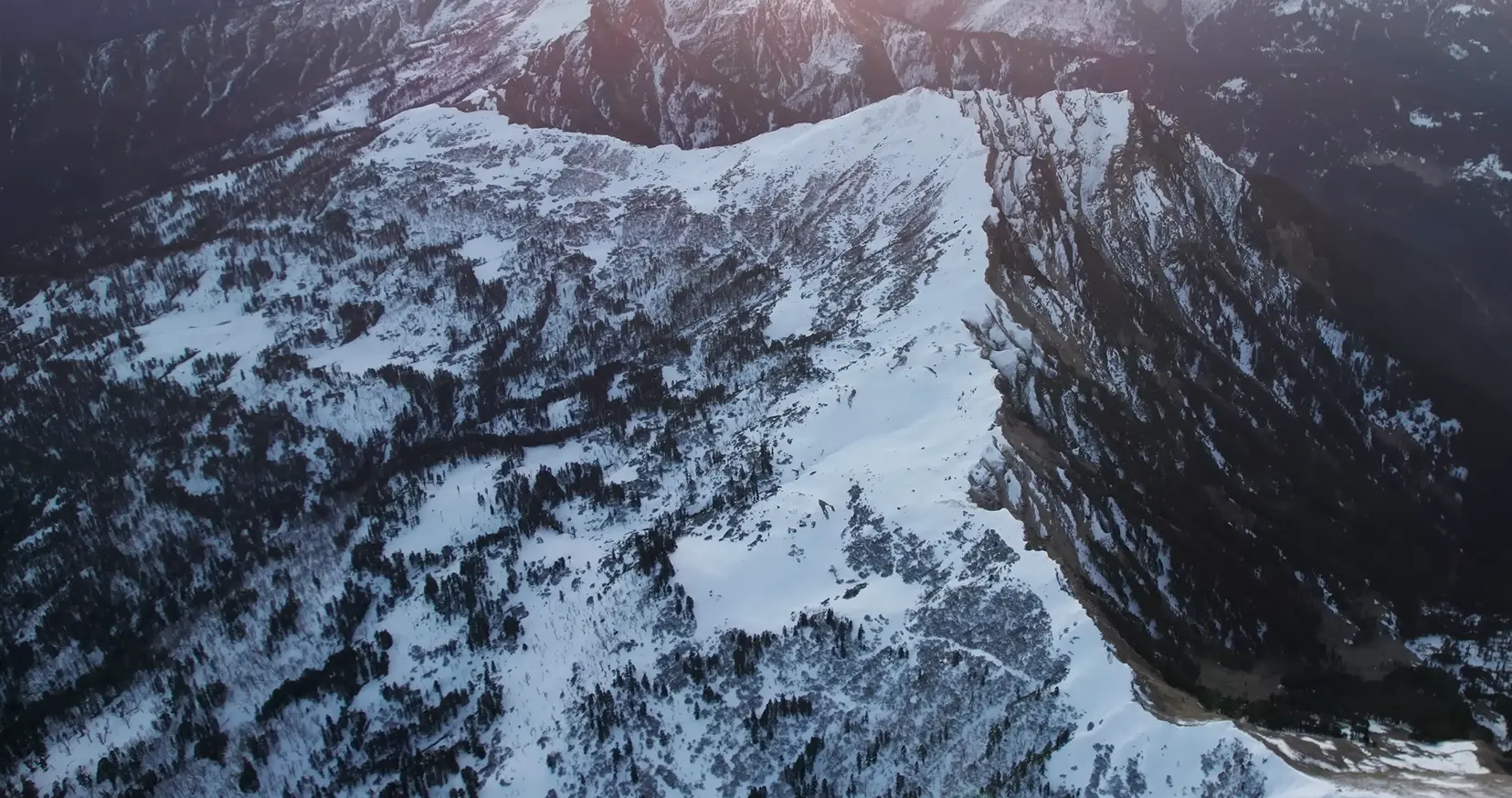
Kedarkantha is a legendary Himalayan winter trek in Uttarakhand, within Garhwal region. Located in the Uttarkashi district, it leads up to 12,500 feet with snow-covered peaks.
Surrounded by dense oak forests & deep valleys, Kedarkantha covers around a 20-22 km round-trip trek. It is highly popular among beginners & experienced trekkers as well because of its gradual ascents & well-marked trails.
Highlighted by the beautiful campsite like Juda Ka Talab & summit peak views of Mt Gangotri & Swargrohini ranges. Mostly trekkers book Kedarkantha trek package to experience the beautiful peak trekking experience.
- Location: Garhwal Himalayas, Uttarakhand
- Altitude: 12,500 feet
- Distance: Around 22-24 km
- Duration: 4-5 days
- Difficulty: Easy to Moderate
- Starting point: Sankri village in Uttarakhand
- Best Time to Visit: June to September for a peaceful expedition
- Highlights: Beautiful views of Kallu Valley & Spiti Valleys
Goecha La Trek
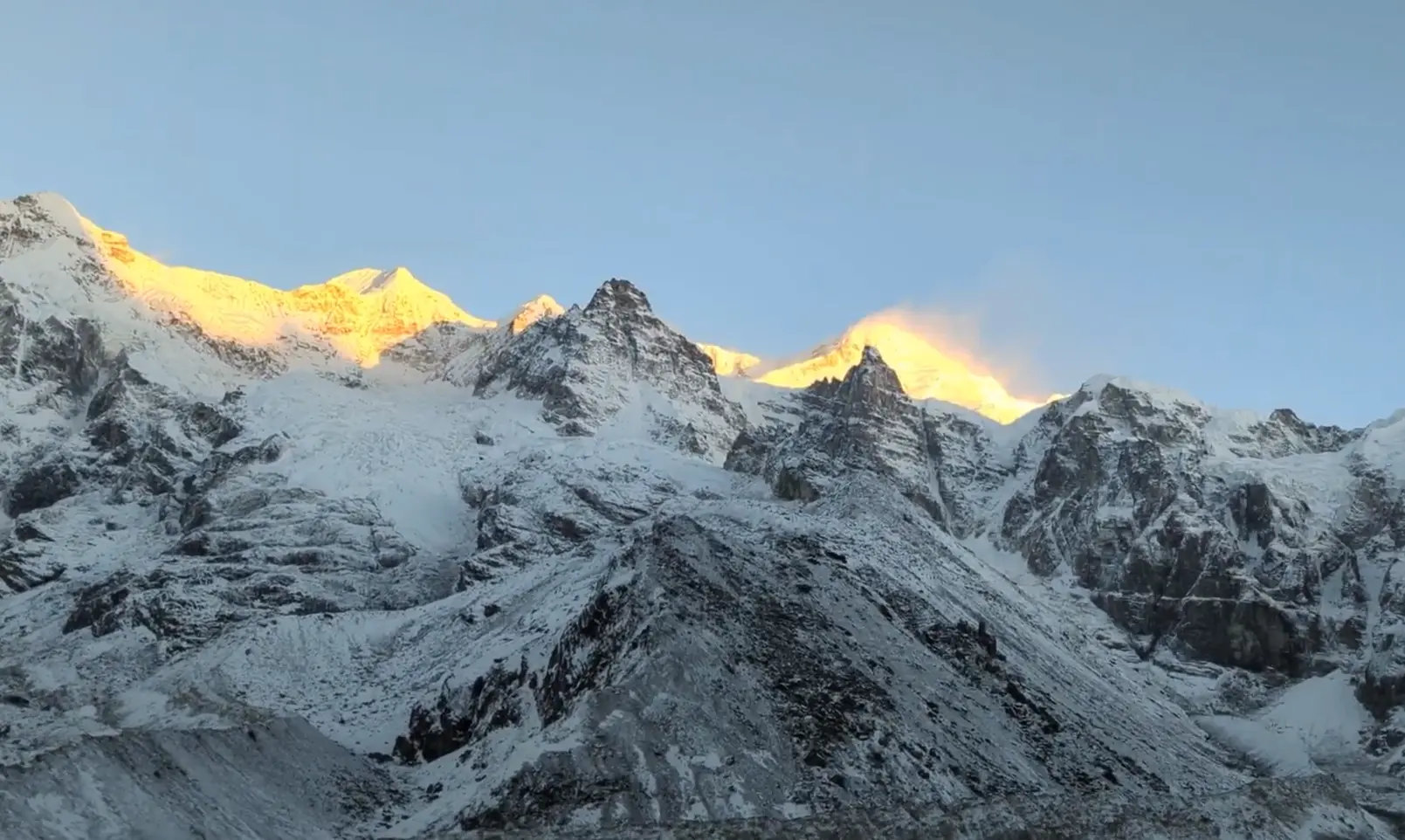
India’s one of the most challenging treks in the Kanchanjunga National Park, West Sikkim. Reaching up to 4,600 meters, the trek passes through the scenic mountain tops & lake like Samiti Lake.
It covers a distance of around 70-80 km round trip; it’s a multi-day trek that starts from Yuksum village. It requires long, strenuous ridge walks, and the summit peak offers close-up views of the Kanchanjunga ranges.
But it is highly suitable only for experienced trekkers due to the challenging terrain.
- Location: Yuksum, Sikkim, the Kanchanjunga National Park
- Altitude: 4,600 meters (1,500 feet)
- Distance: 70-80 km
- Duration: 8-10 days
- Difficulty: Extremely Difficult
- Starting Point: Yuksum base camp
- Best Time to Visit: April to May & September to November
- Highlights: Pristine lake & massif views of the Kanchanjunga range
Triund Trek
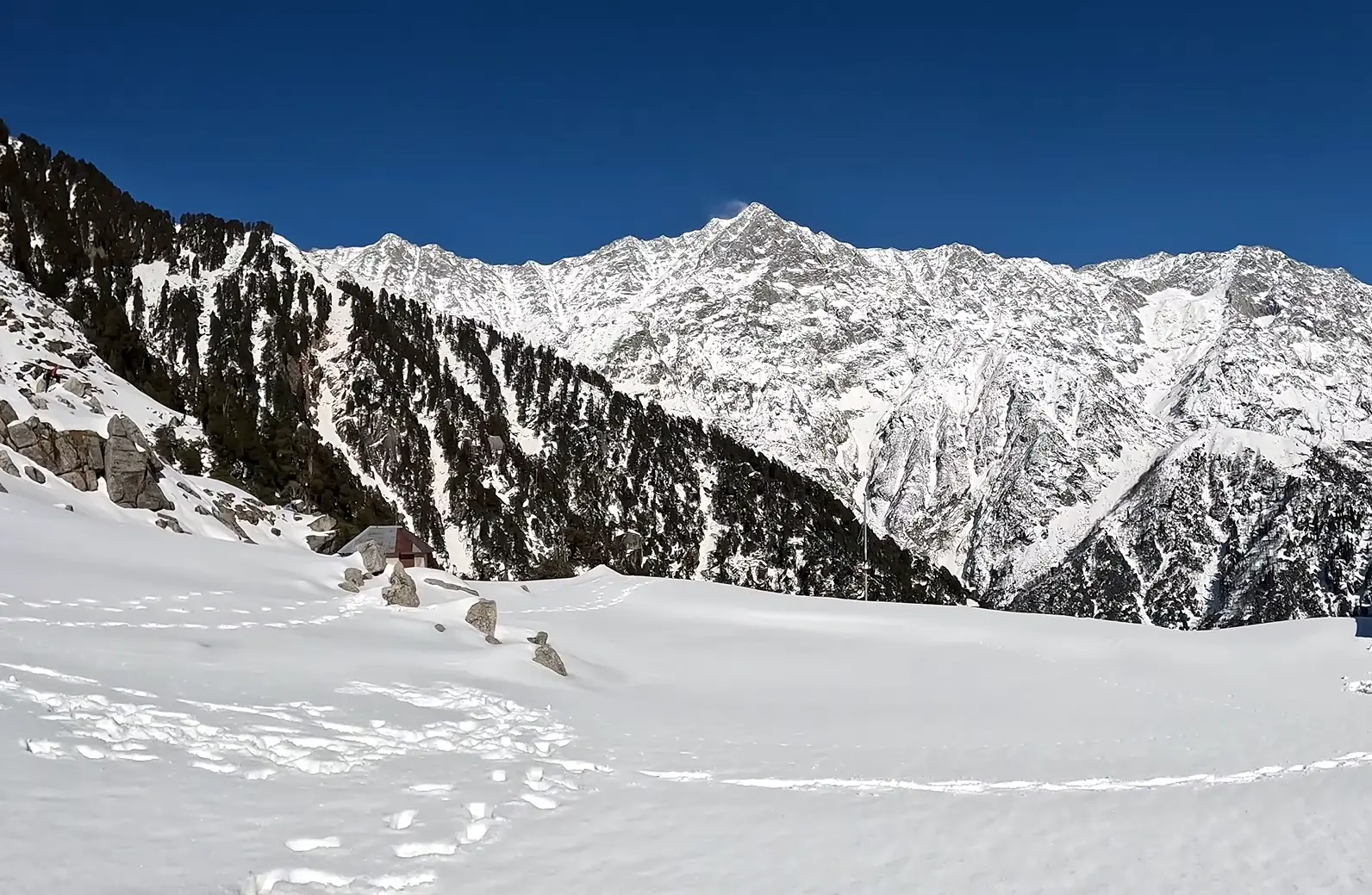
Triund Trek is a popular winter trek in Dharamshala, Himachal Pradesh. Located in the Kangra district and sitting at an altitude of 9,278 feet, Triund is a beginner-friendly trek.
It covers roughly 9 km one way, passing through the beautiful forest of maple & rhododendron. The trek offers great views of the Dhauladhar mountain range & beautiful valleys.
It is easily accessible via local transport to Dharamshala, from where the trek starts. It allows trekkers to interact with culture and nature, also the Triund Trek Package cost are generally budget-friendly, making it perfect for backpackers and students.
- Location: Dharamshala, Himachal Pradesh
- Altitude: 2,850 meters (9,278 feet)
- Distance: 9 km one way
- Duration: 2-3 days
- Difficulty: Easy to Moderate
- Starting Point: Gallu Devta Temple near Macleodganj
- Best Time To Visit: March to June & September to December
- Highlights: The iconic 22-curve stretch
Chopta Chandrashilla Trek
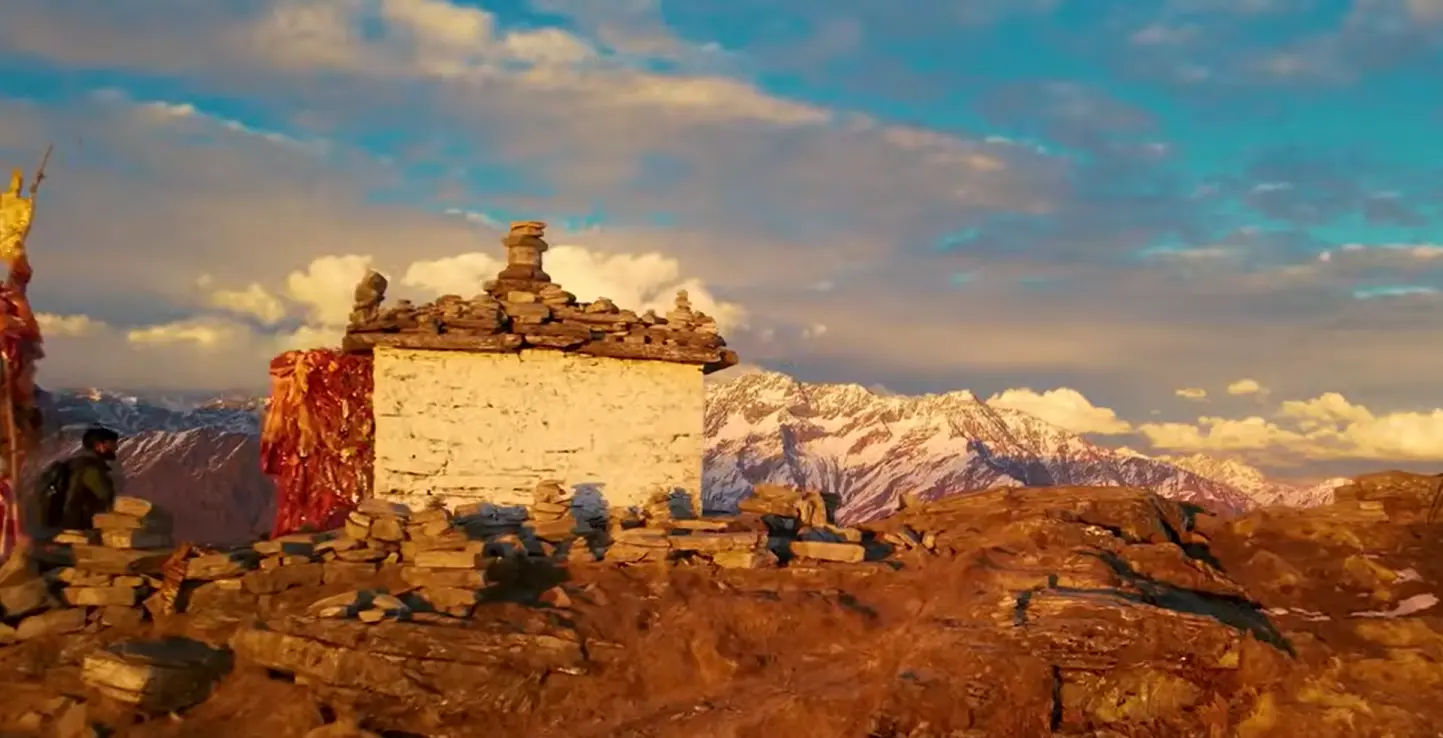
Located in the Rudraprayag district of Uttarakhand, Chopta Chandrashilla Trek is a beginner and budget friendly Himalayan trek in India. Covering around 3.5 to 5 km, starting from Chopta Valley.
The trek is highly celebrated for its stunning natural beauty, surrounded by snow-covered mountain peaks & lush green meadows.
It reaches an altitude of 4,000 meters at the higher Chandrashilla summit peak, which offers 360-degree views of Mt. Nanda Devi, Chaukhamba, and Trishul peaks. The region is rich in diverse biodiversity; it is an ideal destination for nature lovers & peace seekers.
- Location: Rudraprayag district, Uttarakhand
- Altitude: Ranges between 2,680 meters (at Chopta) to 4,000 meters (at Chandrashilla peak)
- Distance: 3.5 - 5 km one-way trek
- Difficulty: Easy to Moderate
- Starting Point: Chopta Valley Uttarakhand
- Best Time to Visit: May to October for lush greenery & December to February for winter snowfall experience
- Highlights: Snow-covered mountain, lush alpine meadows, rich biodiversity
Western Ghat Treks: Gateway to Green Wonderland
The Western Ghats are famously known as Biodiversity hubspot & UNESCO World Heritage site. Trekking here is featured via weekend escapes to misty waterfalls & lush green mountain ranges.
The region is famous for iconic trails like the Kudremukh trek, Rajmachi Trek, & Chembra peak trek of Kerala.
Dramatic monsoon transformations, ancient Shola Forests, and alpine ridge walks are the main highlights of Western Ghats treks.
Kudremukh Trek
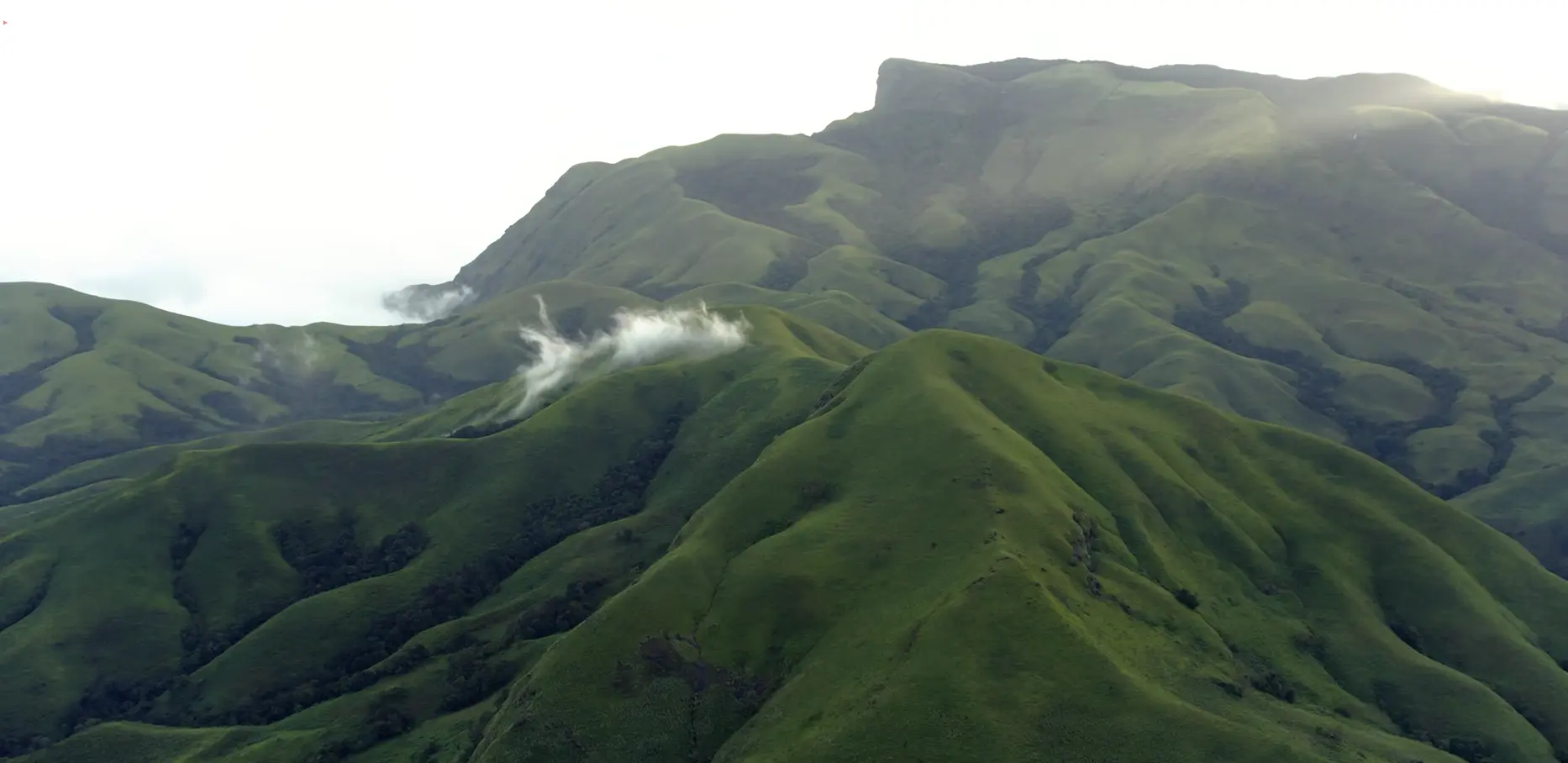
The Kudremukh trek is one of the most scenic trekking experiences in the Western Ghats of India. Located in the Chikkamagaluru district of Karnataka at an altitude of 6,214 feet.
The trek covers roughly 20-22 km round trek which leads up to the third-highest peak of Karnataka, Kudremukh Peak, which means “Horse Face” due to its unique structural shape resembling a horse face.
It’s a moderate trek that passes through the dense forests & forest hilla; suitable for beginners & first-timers. But trekkers must obtain an official permit through the official portal of Karnataka Forest Department website.
- Location: Chikkamagaluru district, Uttarakhand
- Altitude: 6,214 feet (1,834 meters)
- Distance: 20-22 km
- Duration: 3-4 days
- Difficulty: Moderate to Challenging
- Starting Point: Mullodi Village
- Best Time to Visit: October to February
- Highlights: Views of horse-face peaks (Kudremukh peaks) & stream crossings
Kumara Parvata Trek (Karnataka)
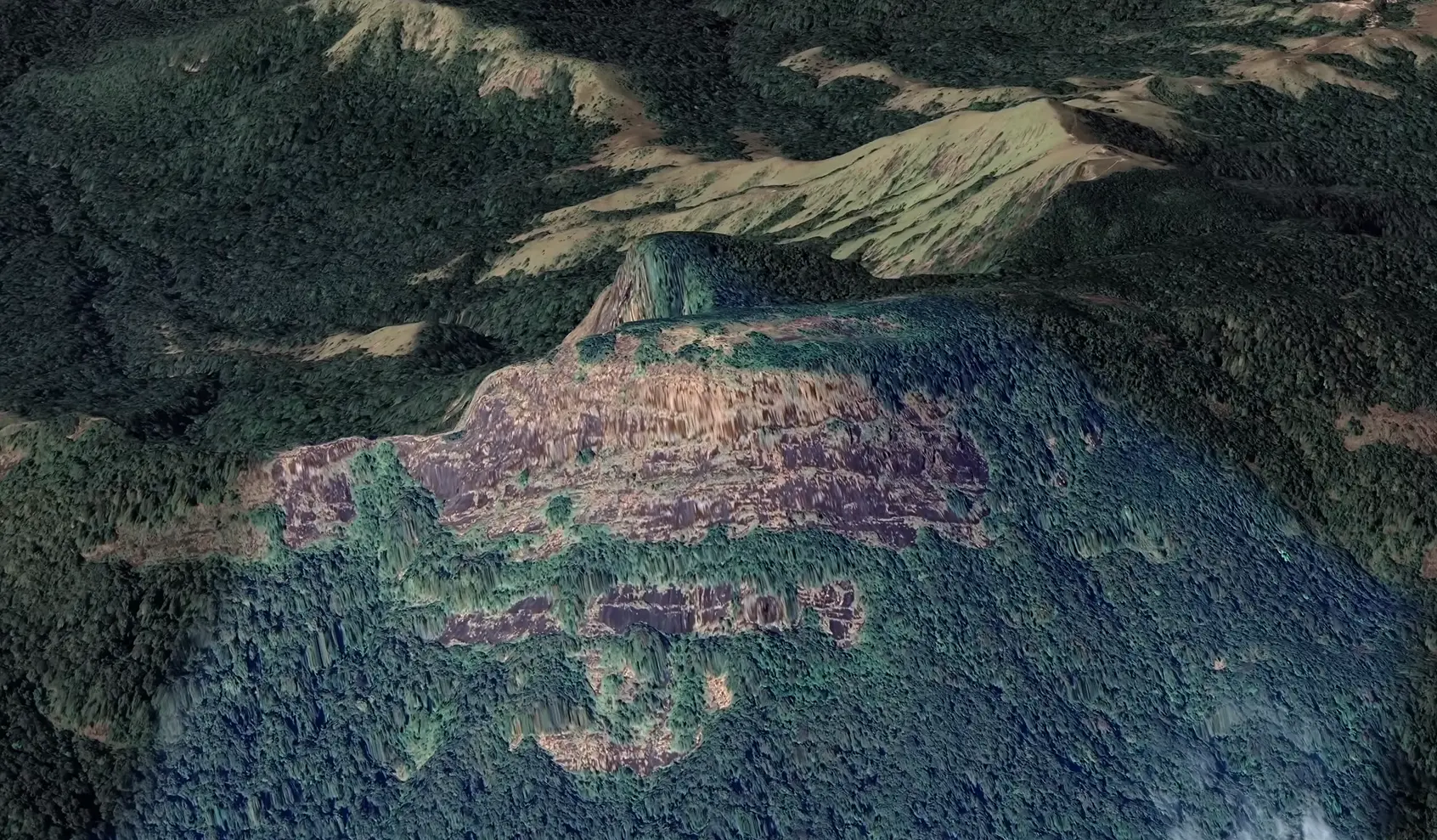
Located in the Pushpagiri wildlife sanctuary of the Western Ghats, Kumara Parvata is a highly popular trek. Standing at an altitude of 1,712 meters (5,617 feet), it is popularly renowned as the “King of the treks in Karnataka.
It covers a distance of around 20-22 km, passing through the iconic Shesha Parvata ridges & Grassland trails. The trail starts from the Kukke Subramanya town, considered moderately difficult due to steep, continuous ascents.
It’s a fragile area; that’s why overnight camping is strictly prohibited here, and the trek requires an official permit from the Forest Department of Karnataka.
- Location: Pushpagiri Wildlife Sanctuary, Karnataka
- Altitude: 1,712 meters (5,617 feet)
- Distance: 20-22 km, depending on where you start
- Duration: 3-4 days
- Difficulty: Moderate to Difficult
- Starting Point: Kukke Subramanya Town in Kodagu district
- Best Time to Visit: October to May
- Highlights: Mesmerizing views of lush green forests & peaks
Rajmachi Trek (Maharashtra)
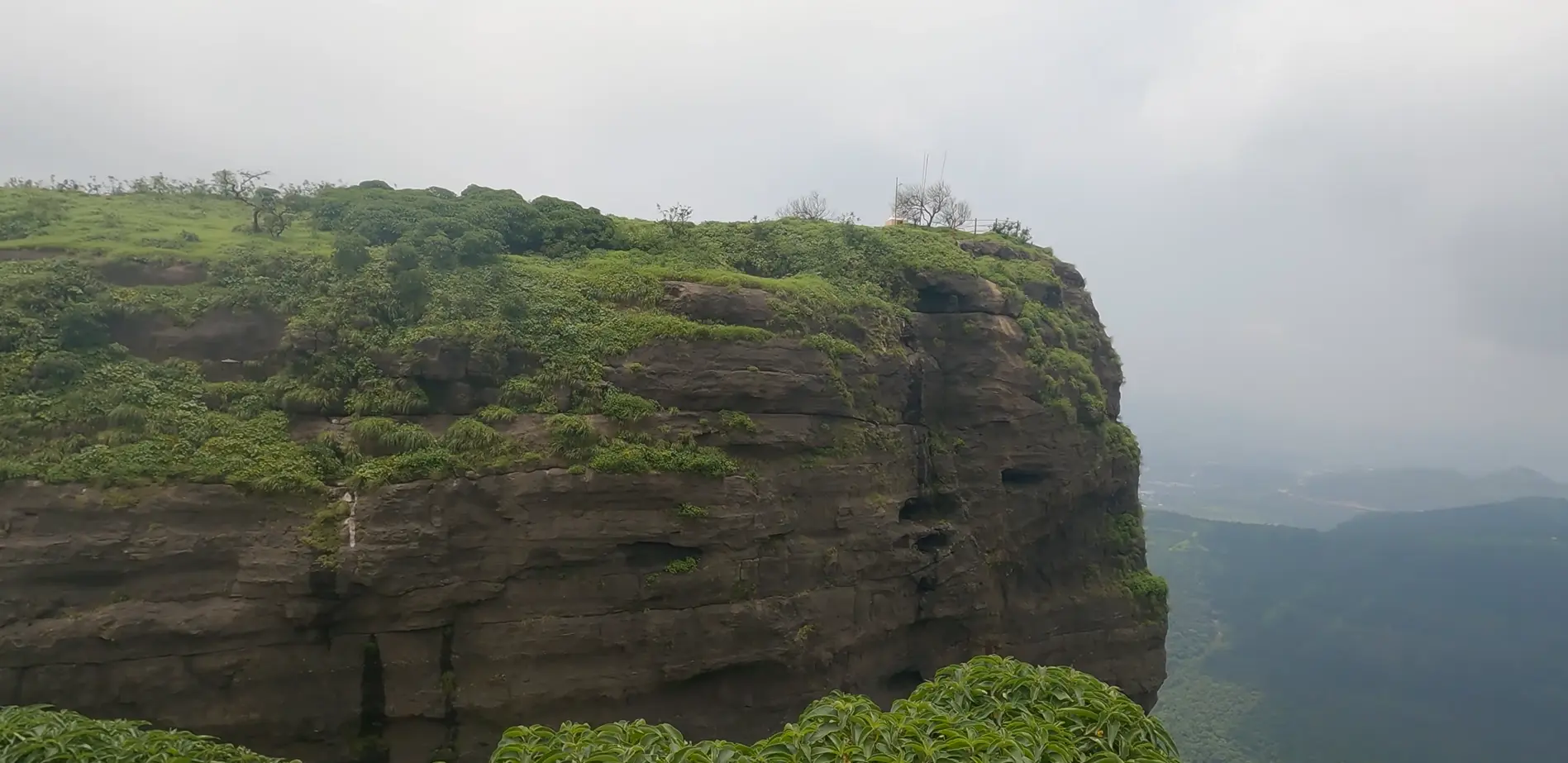
Rajmachi is one of the most popular scenic weekend treks in the Sahyadri mountain range of Maharashtra. Situated between the two scenic stations, Lonavala & Karjat.
It spans a 12-15 km trek, leading to the two historic forts: Srivardhan & Manaranjan. Starting from the quiet Udhewadi village, the trek is a perfect destination for a quick adventure.
It is highlighted by the ancient water tanks & breathtaking scenery. During the May to June period it naturally lights up with millions of fireflies after dark, ideal for night trekking.
- Location: Between Lonavala & Karjat hill stations
- Altitude: 2,700 meters
- Distance: 22-24 km, depending on where you start
- Duration: 2-3 days
- Difficulty: Easy to Moderate
- Starting Point: Udhewadi village
- Best Time to Visit: May-June & Monsoon season
- Highlights: Local culture, beautiful scenery & majestic waterfalls
Chembra Peak Trek (Kerala)
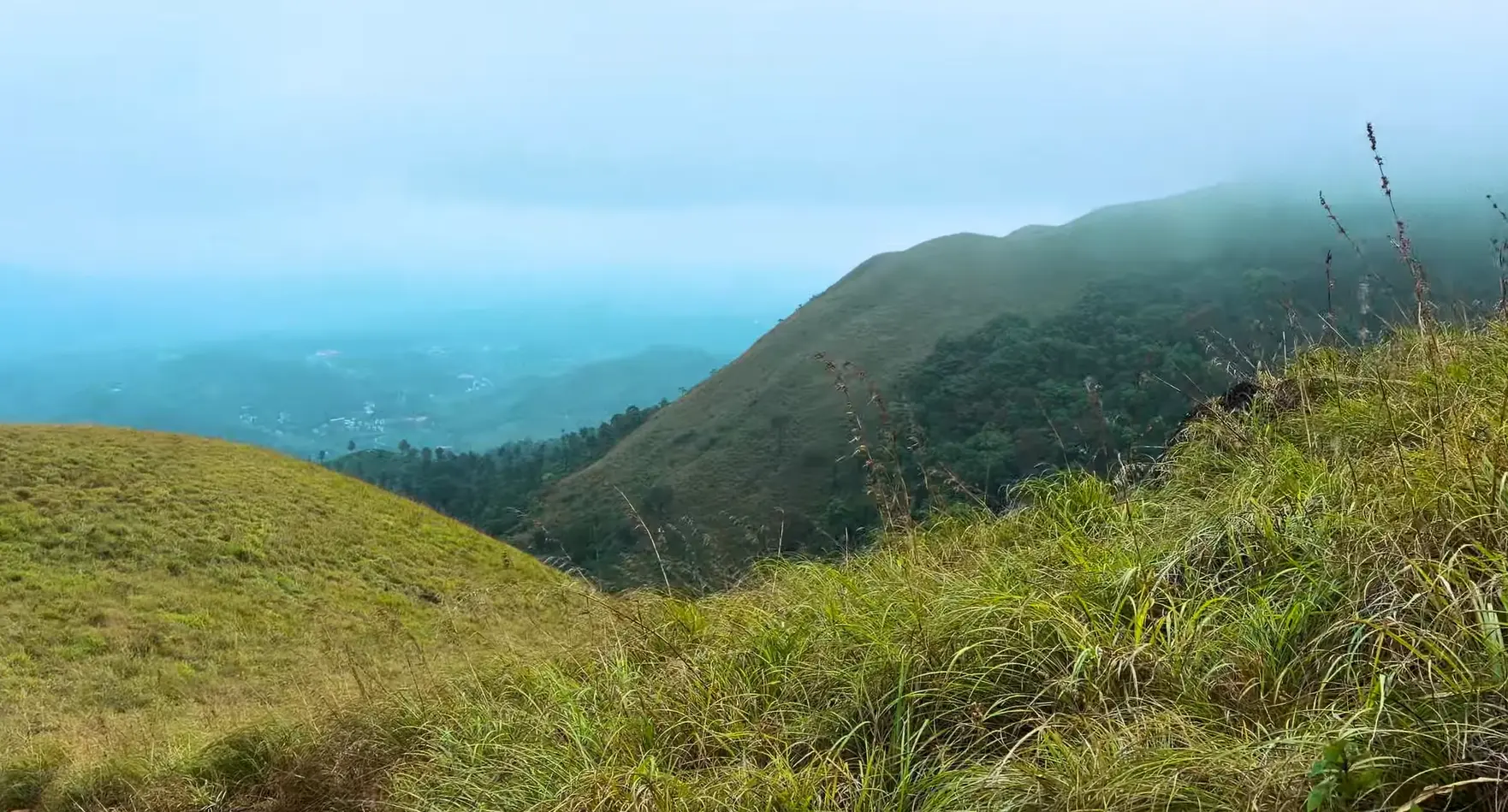
Another popular trek in the Western Ghats of India. Chembra is the second-highest peak trek in the Wayanad district of Kerala. It is celebrated for its rolling tea estates and misty valleys.
Standing at an elevation of 2,100 meters, the trek is also highlighted by the iconic natural jewel, a heart-shaped lake called Hridyasaras. It covers around a 3-4 km trek and runs under strict government regulations.
- Location: Wayanad District, Kerala
- Altitude: 2,100 meters
- Distance: 3-5 km
- Duration: 3-4 hours, cab split over to 2-3 days
- Difficulty: Moderate
- Starting Point: Kukke Subramanya Town in Kodagu district
- Best Time to Visit: October to May
- Highlights: Pristine environment & unique heart-shaped lake called “Hridayasarassu”
Harishchandragad Fort Trek (Maharashtra)
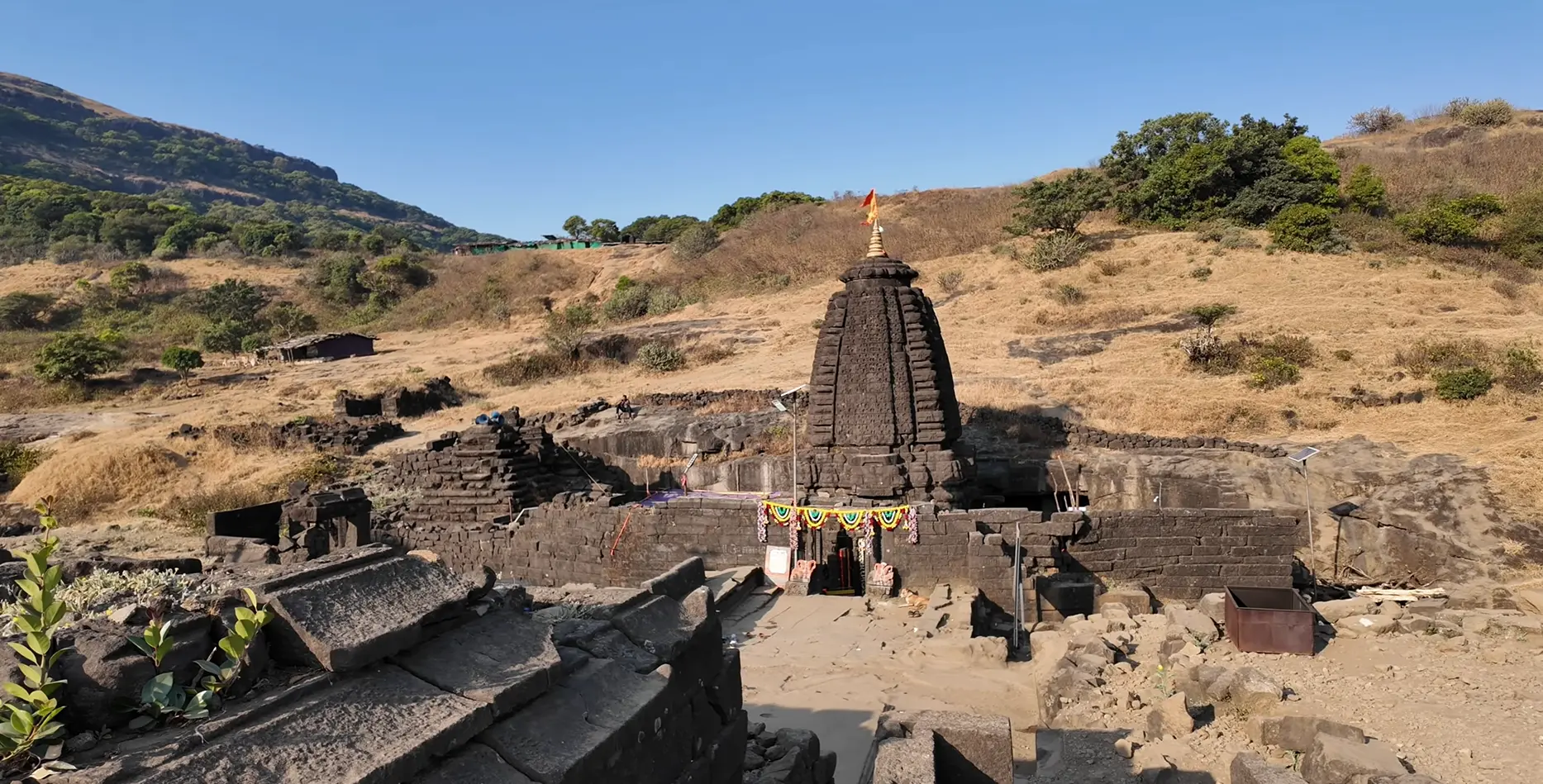
A popular historic fort trek, the Harishchandragad Forest trek is located in the Shayadari mountain range of Maharashtra. Situated at an altitude of 4,671 feet (1,424 meters), it is one of the most popular and rewarding trekking experiences in the Western Ghats.
This ancient destination is famous for its Konkan cliff ridges, caves named Kedareswar, and a temple dedicated to King Harshvardhana.
- Location: Western Ghats of Maharashtra
- Altitude: 4,671 feet (1,424 meters)
- Distance: 20-22 km, depending on where you start
- Duration: 3-4 days
- Difficulty: Moderate to Difficult
- Starting Point: Kukke Subramanya Town in Kodagu district
- Best Time to Visit: June to September & October to February
- Highlights: Scenic viewpoints like Kokanada, ancient Kedareshwar cave, & peaks
Meesapulimala Trek (Kerala)
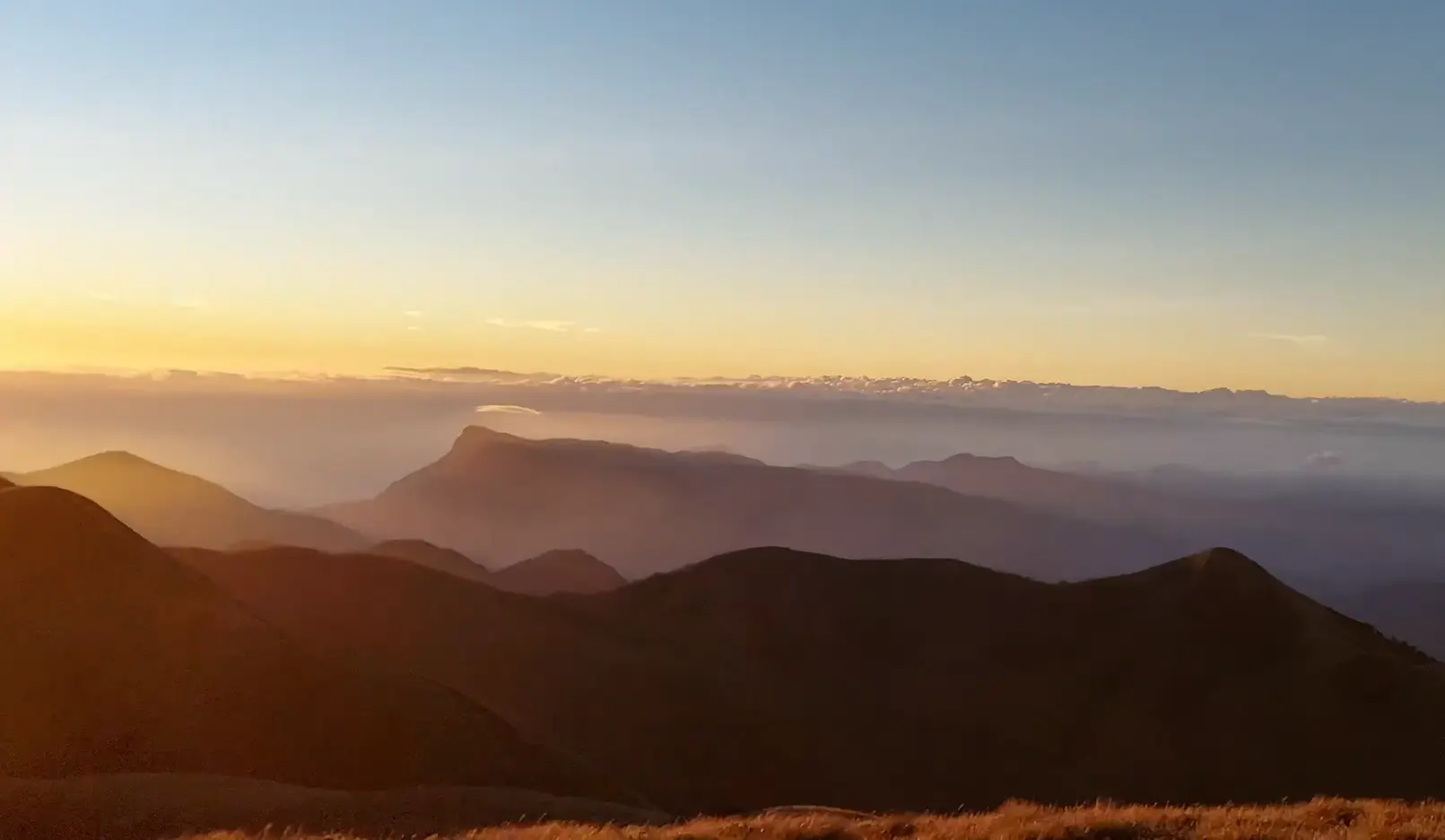
Meeshapulimala, the second-highest peak in Kerala, is a popular trekking destination in the Idukki District of Kerala. Situated at an altitude of around 8661 feet, it is located roughly around 24 km away from Munnar. The trek is widely celebrated for its breathtaking walking above the clouds, beautiful sunrise views & endless grasslands.
But the most important thing to know before planning is that the trek runs under strict regulations by the state government that obtaining a forest permit is mandatory by the Kerala Forest Department, and hiring a guide is also compulsory because independent trek cannot be allowed.
- Location: Idukki District, Kerala
- Altitude: 8,661 feet
- Distance: 9-15 km
- Duration: 6-8 hours, can be split over 3-4 days
- Difficulty: Moderate to Challenging
- Starting Point: Rohodo Valley, near Mannar
- Best Time to Visit: October to March
- Highlights: Rich wildlife, including the rare tiger, gaurs, & wild elephants
Key Difference: Himalayan Vs Western Ghats Trek
Himalayan Treks: The experience of trekking in the Himalayas is an expedition on longer mountain trails. That requires proper physical fitness and mental preparedness. Here, the experience is isolated; walking through the alpine ridges and snowline edges is such a wonderful experience.
Changeable weather here is a bigger challenge that leads to such risks as altitude sickness, nausea, and fatigue.
These treks require significant planning, proper technical gear, and organized support from a trekking agency to manage campsites, food, and other logistics.
Western Ghats Treks: On the other hand, the Western Ghats are characterized by a rich, tropical, and diverse biological environment. Trekkers are passing through the dense shola forests, misty water streams, & climbing on Volcanic rocks.
What makes Western Ghats treks unique from others is that altitude sickness doesn't exist here, but it doesn't mean that they are easy hikes. Some treks are featured by steep vertical climbs.
Also, the treks here are easily accessible and require minimal gear, making them perfect for beginners, first-timers, backpackers, and nature enthusiasts.
Himalayan Vs Western Ghats Treks: Which One is Better?
The better choice depends on your fitness, time, and desired experience.
Choose Himalayan Treks If:
- You want a thrilling snowy mountain expedition
- You want to look for dramatic peaks & alpine landscapes.
- Looking for a snowfall experience
- If you are physically fit and able to trek in changeable weather conditions
Choose Western Ghats if:
- If you are short on time and looking for a quick adventure
- Want to explore a completely different side of nature featuring lush greenery & waterfalls
- If you are looking for an easier-to-access trip
- If you want to experience nature and trails with its historic roots
- Want a monsoon trekking adventure
A Common Thing in Both Regions: Responsible Trekking
The northern Himalayas & Western Ghats are both eco-sensitive zones, so responsible travel is essential to protect the fragile ecosystems.
Following are the tips that must be followed by every trekker.
- Avoid using single-use plastic on trekking trails
- Follow the Leave No Trace principle and carry your waste back
- Avoid Littering & disturbing wildlife
- Always stay on marked trails
- Follow the regulations of local authorities
- Respect Local communities & be aware of weather forecasts and alerts
Conclusion
If you are looking for a raw nature adventure that tests your stamina and limits, the Himalayas are better for challenging, higher expeditions. If you are looking for an easy-to-access and quick-refreshing weekend in lush tropical nature, then the Western Ghats are a perfect choice for you.
In the end, for the trekker, both regions can provide a much broader perspective of mountain trekking diversity in India.
FAQs
What is the difference between the Western Ghats and Himallayan treks?
The main difference between Himalayan treks and the Western Ghats landscape is altitude gain and experience. Himalayan treks are featured via gained altitude, snow-capped peaks, and thrilling adventure. While the Western Ghats are characterized by lush green grasslands, lower altitude, and scenic experience.
Which is better Himalayan or Western Ghat trekking for beginners?
Neither one can be better or superior. The better choice depends on your fitness level, the time you have, and the experience you are looking for. If you are looking for such an experience that tests your stamina and strength & provides you a raw nature adventure experience, then Himalayan trekking can be a good choice. While if you are looking for an easier and scenic experience with little effort it is better for you.
Is Himalayan trekking more difficult than Western Ghat trekking?
Yes, Himalayan trekking is comparatively more difficult than western Ghats. Because the unpredictable weather conditions, gaining altitude, and uneven rugged terrain make it physically demanding. Risks such as altitude sickness are common in Himalayan treks, so prepare well.
Which region is better for snow trekking in India?
For the best snow trekking experience in India, the Himalayan region is best with some iconic trails like:
- Kedarkantha trek in Uttarakhand
- Brahmatal trek in Uttarakhand
- Triund Trek in Himachal
- Goicha La trek
These treks turn into snowy wonderlands in winter and offer a great view of the Himalayas.
How to trek responsibly in the Himalayas & Western Ghats?
Responsible trekking is necessary because both are sensitive fragile ecosystems to protect this, environment friendly travel is must. Follow some regulations like:
- Avoid Littering
- Follow the local trek rules & regulations
- Carry all your wastage from treks
- Avoid single-use plastic
- Respect the wildlifes
Which is better for a short weekend trekking trip?
There are several treks in the Western Ghats and Himalayan regions for quick weekend trips including Chopta Tungnath trek, Rajmachi trek, Triund trek, and Kudremukh trek, which can be completed in 2-3 days due to their shorter distance and well-markedness. See our full guide to weekend treks near Delhi for more options.