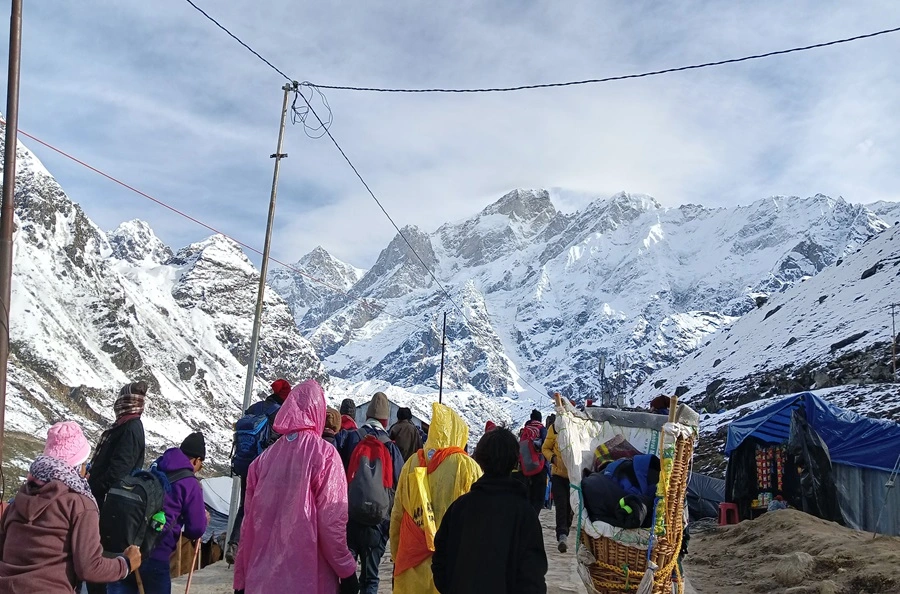
However, due to its altitude, limited accessibility, and unpredictable weather conditions, proper awareness and planning are essential before starting your journey.
In this guide, we will explain the most important things you should know before visiting Kedarnath Temple, including temple opening period, registration rules, weather conditions, fitness requirements, and travel options.
Important Things to Consider Before Visiting Kedarnath Temple
1. Spiritual Significance of Kedarnath Temple
Kedarnath Temple is one of the twelve Jyotirlingas of Lord Shiva and holds immense importance in Hindu mythology. It is also part of the Chota Char Dham Yatra and the Panch Kedar pilgrimage circuit.
According to legend, the temple is associated with the Pandavas from the Mahabharata, who sought forgiveness from Lord Shiva after the Kurukshetra war. The temple stands as a symbol of devotion, faith, and penance in the Himalayan region.
Pilgrims visit Kedarnath not only for religious reasons but also to experience spiritual peace in the serene mountain environment.
2. Temple Opening And Closing Period
Kedarnath Temple remains open only for a limited period each year due to extreme winter conditions. Generally, the temple opens between April and May and closes around October or November, depending on religious calendar decisions.
During winter months, heavy snowfall blocks access routes, and the deity is ceremonially shifted to Ukhimath for worship.
Before planning your visit, always check the Kedarnath Temple official opening date for the current year to avoid inconvenience.
3. Mandatory Registration Process
Registration is compulsory for all pilgrims visiting Kedarnath. The registration system helps authorities manage crowd control, ensure safety, and monitor pilgrim movement.
Pilgrims must carry valid ID proof and a registration slip during the journey, as verification may take place at checkpoints along the route.
Those opting for helicopter services must also complete Kedarnath Yatra registration before booking their travel.
Proper documentation ensures a smooth and hassle-free yatra experience.
4. Weather And Best Time to Visit
Weather in Kedarnath can change rapidly due to high altitude. Even during summer months, mornings and evenings remain cold, and sudden rainfall is common.
The summer season (May–June) is considered the most comfortable time for visiting, as temperatures remain moderate and trekking conditions are stable.
Monsoon months (July–September) bring heavy rainfall and potential landslide risks, while late October sees a significant drop in temperature.
Checking weather Update of kedanath before starting the journey is strongly recommended.
5. Physical Fitness Requirement
Reaching Kedarnath Temple involves a 16 km uphill trek from Gaurikund. Due to the high altitude and reduced oxygen levels, pilgrims may experience fatigue or mild altitude-related symptoms. Proper physical preparation is essential before starting the journey. If you are unsure about your fitness level, you can follow a structured routine explained in our detailed guide on how to prepare for Kedarnath trek.
Basic stamina, leg strength, and breathing capacity are important for completing the trek comfortably. Pilgrims with heart conditions, respiratory problems, or other medical issues should consult a doctor before planning the trip.
6. Travel Options to Reach Kedarnath
Pilgrims can reach Kedarnath Temple through different modes depending on their health condition and preference.
- Trekking (16 km from Gaurikund)
- Pony or Palki services
- Helicopter services from nearby helipads
While trekking offers a traditional and immersive experience, pony and palki services are suitable for elderly pilgrims. Helicopter services provide a quicker and less physically demanding option.
Selecting the right travel mode ensures a safer and more comfortable journey.
Related Guide |
Concusion
Kedarnath Yatra requires proper awareness, planning, and preparation. From understanding temple opening dates to completing registration and preparing physically for the trek, each step plays a vital role in ensuring a safe pilgrimage.
With the right preparation and respect for mountain conditions, your visit to Kedarnath Temple can become a deeply spiritual and fulfilling experience.
If you prefer a hassle-free journey with transportation, stay, and guided assistance, you can also explore our well-planned Kedarnath tour package From Delhi designed for a smooth pilgrimage experience.






.webp?v=15617ff41ba64410feaa36094192201f)