About Jageshwar Temple Uttarakhand
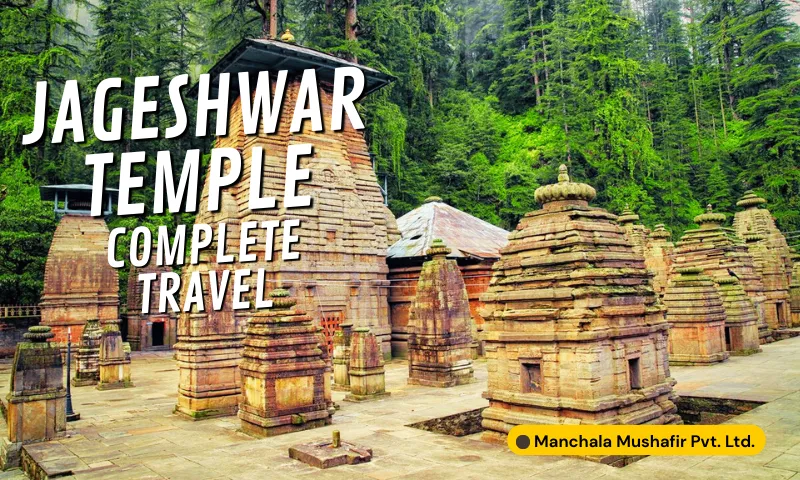
Jageshwar Dham Uttarakhand, is a sacred town known for its historic complex of over 125 stone Temples dedicated to Lord Shiva, nestled in the Almora district of the Kumaon region, and is protected by the Archaeological Survey of India.
Visiting Jageshwar Dham is an incredible experience for every visitor, with the divine darshan of multiple shrines, ancient history, beautiful architecture, and nearby attractions in one place. This site holds both spiritual and national importance, making it a must-visit place in Uttarakhand.
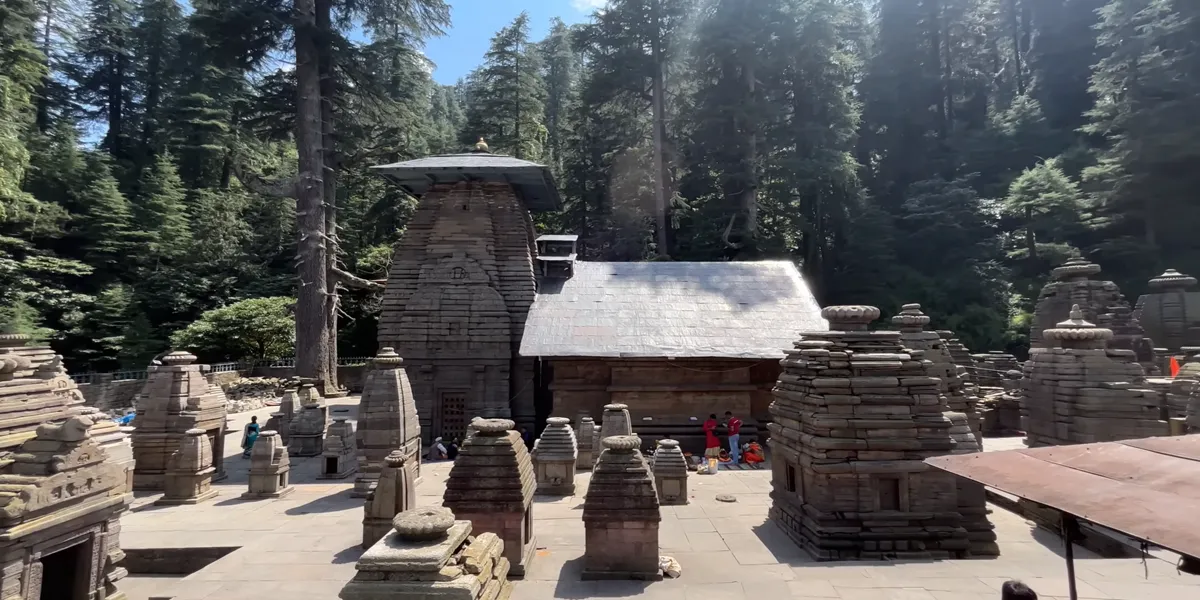
Table of Contents
- About Jageshwar Temple Uttarakhand
- Why Is Jageshwar Dham Famous?
- Where is Jageshwar Temple Located?
- Jageshwar Temple History
- Significance of Jageshwar Temple
- Jageshwar Temple Architecture
- Main Temples Inside Jageshwar Dham
- How To Reach Jageshwar Temple
- Jageshwar Distance From Major Cities Or Towns
- Jageshwar Dham Temple Timings
- Special Puja List With Price Detail
- Best Time To Visit Jageshwar Dham
- Jageshwar Dham Temperature Monthly Chart
- Jageshwar Dham Hotels
- Places To Visit Near Jageshwar Dham
- Things To Do In Jageshwar Uttarakhand
- Travel & Safety Tips For Visiting Jageshwar Temple
- Conclusion
- FAQs
Why Is Jageshwar Dham Famous?
Jageshwar Dham is a famous complex housing a cluster of over 125 ancient stone temples and renowned for its historical and national significance, reflecting the Post-Gupta era, from the 9th to the 13th century.
The temple is associated with Lord Shiva, making it a sacred destination for spiritual seekers and nature lovers. It is one of the most famous Shiva temples in Uttarakhand, holding great spiritual significance similar to the Kedarnath Yatra.
Where is Jageshwar Temple Located?
Quick Facts About Jageshwar Dham Uttarakhand
- Jageshwar Temple Location: Almora district, Uttarakhand
- Region: Kumaon
- Jageshwar Altitude: 1,870 meters (6,135 ft)
- Deity: Lord Shiva
- Age: Over 2500 years (as per ASI)
- Total Temples: 125 stone temples
- Nearest Town: Almora
- Nearest Airport: Pantnagar Airport, Uttarakhand
- Nearest Railway Station: Kathgodam Railway Station
- Best time to visit: March To June and September to October
Jageshwar Temple History
Jageshwar Temple near Almora is one of the oldest and most significant Shaivite circuits of Uttarakhand. The history of Jageshwar Dham Uttarakhand, dates back to the post-Gupta and pre-medieval eras.
According to the evidence of the Archeological Survey of India, the temple was built over several centuries, from the 7th to the 13th century, by different dynasties and rulers, like the Katyuri and Chand dynasties. Like Lakhamandal Temple, Adi Badri, and Jageshwar reflects the evolution of Shaivism during the post-Gupta era.
Ancient roots: According to ASI, the temple is nearly over 2500 years old. The temples are built and revived by the Katyuri dynasty and the Chand dynasty of Kumaon. Another belief suggests that Adi Shankaracharya visited Jageshwar Uttarakhand and re-established the sanctity of the temples in the 8th century.
Source: Jageshwar-Almora
Significance of Jageshwar Temple
Importance In Shaivism
Jageshwar Dham Uttarakhand, is a significant pilgrimage site, especially for Shaivites (devotees of Lord Shiva), as the site is dedicated to Lord Shiva; it is believed to be a meditation spot of Lord Shiva and the Sapt Rishis.
-
Meditation Spot of Lord Shiva: According to Hindu legend, Jageshwar Dham is the meditation abode of Lord Shiva, where he meditated. For many years, the site also served as a spot for tapasya for sages.
-
Legend of Nagesh Jyotirlinga: According to the legend of Skanda Purana, the Nageshwar Temple of Jageshwar resembles the “Nagesh Darukwane,” which is considered one of the 12 Jyotirlingas in India, which is another addition to its spiritual significance.
-
Spiritual center of Lakulisha Shaivism: Jageshwar Dham was a main spiritual hub of Lakulisha Shaivism (ancient Shiva devotees), who worshiped lord shiva’s 28th incarnation as Lakulisha, between the 7th and 12th centuries.
-
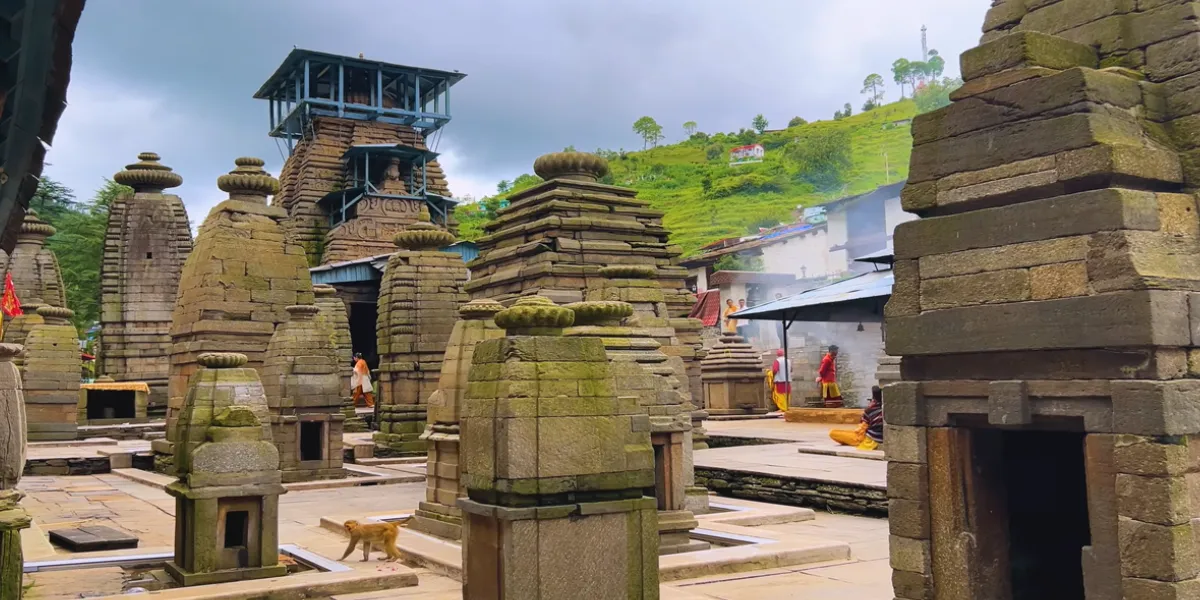
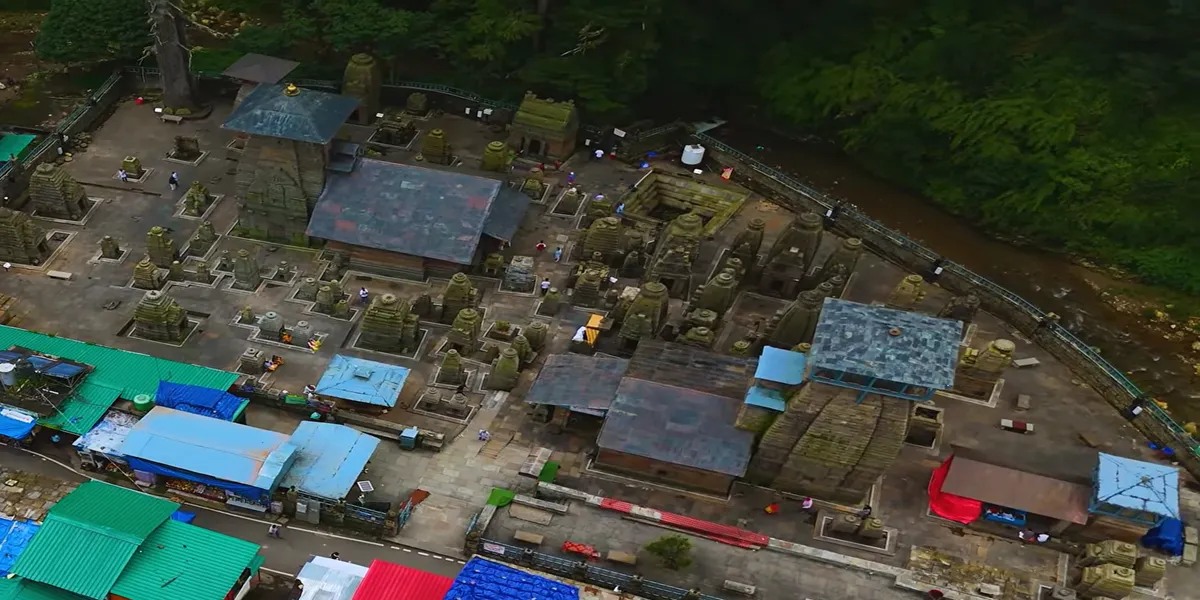
Valley of ancient temples: Jageshwar Dham is often called the “Valley of ancient temples or Valley of gods,” because the temple is a dense cluster of over 125 stone-carved temples, nestled in a deep deodar forest with the Jadganga valley stream, making it a mystical spiritual center of meditation and pilgrimage. Temples like Mahamrityunjaya, Jageshwar, Dandeshwar, etc., are dedicated to Lord Shiva.
Jageshwar Temple Architecture
Jageshwar Dham comprises 125 temples built over many centuries, from the 7th to 13th centuries. The Temple was built in Nagara architecture, but also exhibits unique regional styles and variations.
Features of Jageshwar Dham Architecture are:
-
Tall Sire Shikhar is at the top, above the sanctum, called amalaka.
-
The main sanctum of the temples houses self-manifested Shivalinga, representing the cosmic energy of lord shiva.
-
Valabhi and Phamsana Style, built with simple, elegant grey stones.
-
Main temples like Mahamrityunjaya, Kuber, and Dandeshwar temple are known for their natural rock lingams and stone carvings.
Architectural Importance
Jageshwar Dham is considered one of the best temple clusters in the Himalayas, and the site is protected by the Archeological Survey of India (ASI).
ASI Museum
A Museum near the complex, which houses over 150 sculptures and artifacts, including Uma Maheshwar and Navgrahas sculptures, dating from the 9th to the 13th century, making it a perfect spot for history enthusiasts.
Main Temples Inside Jageshwar Dham
There are various ancient shrines in the Jageshwar temple complex, dedicated to lord shiva and other deities. But the main and most significant temples are Jageshwar Mahadev Temple, Dandeshwar temple, Mrityunjaya Temple, Sri Kuber temple, Surya Mandir, and Pushti Mata Mandir. Here is a breakdown of the main temples.
-
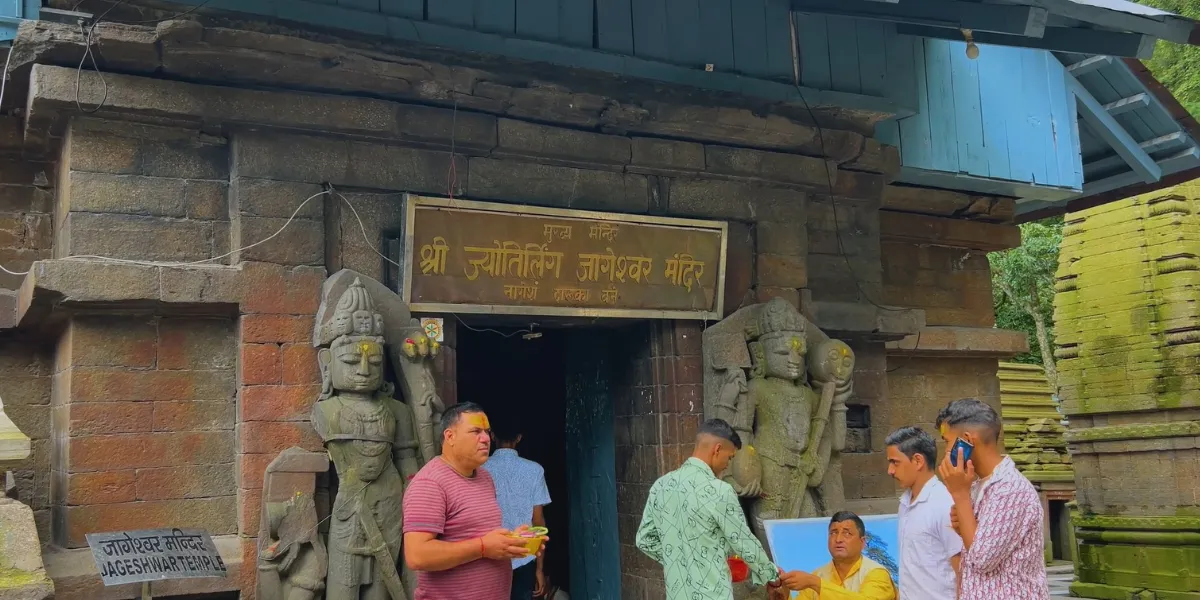
Jageshwar Mandir: Jageshwar Mahadev Temple, also known as Bal Jageshwar, is the main temple among the complex, dedicated to lord shiva, who is worshipped in the form of a child.
-
Dandeshwar Temple: Dandeshwar, another large temple, is located just slightly to the main complex, dedicated to lord shiva and housing a large black stone Shivlinga.
-
Sri Mrityunjaya Mandir: Mahamrityunjay Jageshwar Temple is considered the oldest and largest temple, where lord shiva is worshipped as the conqueror of death (Mrityunjaya). One of the main temples of daily worship, holding significance as the site of granting liberation (freedom from the fear of death).
-
Vridh Jageshwar Temple: Another main temple, located 3 km uphill from the main Jageshwar Mahadev Temple, which is also known as Jageshwar Baba Temple or Old Shiva temple.
-
Kuber Temple: Kuber Temple is located at a short walk from the temple complex and is dedicated to Kuber Dev (the god of wealth) and holds a vital place in Jageshwar.
-
Surya Temple: Surya Temple is dedicated to the sun god, Surya, an integral part of the Jageshwar Dham temple complex, located just to the right of the main temple.
How To Reach Jageshwar Temple
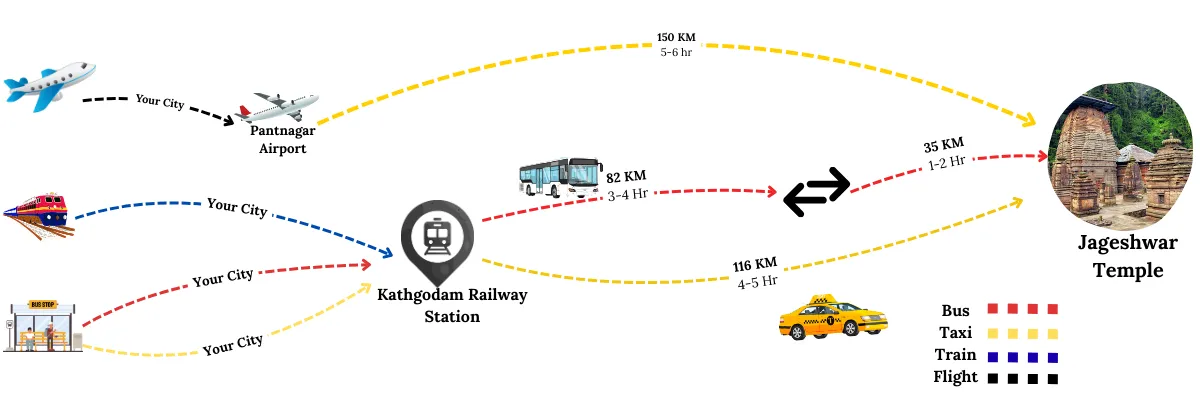
To reach Jageshwar, you must travel to Almora (the gateway town to Jageshwar temple) by air, train, road, or a mix of those. From Almora, take a taxi or bus for the final leg of the journey. Here is a detailed breakdown of how to reach Jageshwar Dham Uttarakhand.
By Air:
Pantnagar Airport is the nearest airport to Jageshwar temple; it has regular flights from major cities, like Delhi. From the airport, you can take a bus to Almora, and from there, take a shared jeep to reach the temple.
- Pantnagar Airpot to Jageshwar Dham Distance: 150 km
- Travel Time: 6-7 hours
By Train:
The Kathgodam railway station is the nearest railway station to Jageshwar, which is approximately 115 km away. Kathgodam railway station has great connectivity to the major cities, like Delhi, Dehradun, etc. From the railway station, take a bus or a private taxi to reach Jageshwar temple.
Travel Tips: There is no direct bus to the Jageshwar temple itself. From Almora or Haldwani, you may need to take a shared taxi to reach the temple complex. Local buses are also available from Almora to Jageshwar.
By Road:
Jageshwar has great connectivity by road via scenic Kumaon hills roads. You can take a state-run bus from your city to Haldwani or Almora. From there, transfer to another bus or taxi to reach Jageshwar.
Jageshwar Distance From Major Cities Or Towns
Almora to Jageshwar Temple Distance
Almora serves as a gateway to the Jageshwar temple, and it connects via major cities, like Delhi, Dehradun, and Nainital.
Distance: The distance from Almora to Jageshwar Temple is approximately 36 km by road.
Travel Time: 1 to 1.5 hours,
Travel options: Take a private taxi or shared taxi to reach Jageshwar from Almora. Local buses are also available from Almora to Jageshwar, which is the most economical option.
Delhi to Jageshwar Temple Distance
Travelers from Delhi can reach Jageshwar by air, train, or road. Here is a brief of it.
Distance: Approximately 380 km.
Travel Time: 10-12 hours
Travel Options: Air, train, or road.
By Air + road: Fly to Uttarakhand’s Pantnagar Airport from Delhi’s IGI Airport. From the airport, take a taxi to reach Jageshwar Dham.
By Train + road: Take a train to Kathgodam Railway Station from Old Delhi or New Delhi Railway Station. From Kathgodam, hire a private taxi to reach Jageshwar directly. Alternatively, for a more budget option, take a bus towards Almora or Haldwani; from there, take a taxi for the final leg of the journey.
By Road: Take a bus to Almora, which is easily available from Delhi’s ISBT Kashmiri Gate. From Almora, take a taxi to complete the remaining distance of around 36 km. For a more comfortable experience, you can reach Jageshwar by private taxi or car.
Nainital to Jageshwar Temple Distance
Nainital is a scenic stop point for the Jageshwar route.
Distance : The distance from Nainital to Jageshwar Temple is approximately 95 km by road.
Travel Time : Jageshwar temple distance from Nainital takes 3–4 hours.
Travel Options : Bus or taxi from Nainital to Almora; from there, hire another taxi or bus to reach Jageshwar.

Jageshwar Distance from other locations
- Jageshwar to Kedarnath distance: 300-350 km
- Mukteshwar to Jageshwar dham distance: 77.2 km
- Rudrapur to Jageshwar distance: 158 km
- Tanakpur to Jageshwar dham distance: 175 km
- Haridwar to Jageshwar dham distance: 340 km
- Kashipur to Jageshwar dham distance: 184 km
- Aligarh to Jageshwar dham distance: 368 km
- Rishikesh to Jageshwar dham distance: 361 km
- Meerut to Jageshwar dham distance: 371 km
Jageshwar Dham Temple Timings
Baba Jageshwar Nath Temple follows a general schedule of darshan and Aarti of Jageshwar Temple timings, which can vary by season. Below is a table of Jageshwar Dham timings of Darshan and Aarti.
Pro tips: The best time for darshan is from 6:00 p.m. to 8:00 p.m., with a midday break between 12:00 p.m. and 4:00 p.m., including midday aarti from 12:00 p.m. to 12:30 p.m. devotees can visit anytime for darshan.
What is Jageshwar Dham Opening Time?
What is Jageshwar Dham Closing Time?
Special Puja List With Price Detail
Improtant Note: Prices are subject to change by season; it is recommended to confirm through the temple office or trust.
Booking Details:
-
Online Puja Booking at Jageshwar Dham: Visit the official portal of Jageshwar Temple and follow the instructions for booking online Pooja.
-
On-site Booking: Visit the official counter of the temple and inquire with the priest about the special puja at Jageshwar. Choose the puja service that you want to perform and pay to get a receipt for the chosen puja.
Best Time To Visit Jageshwar Dham
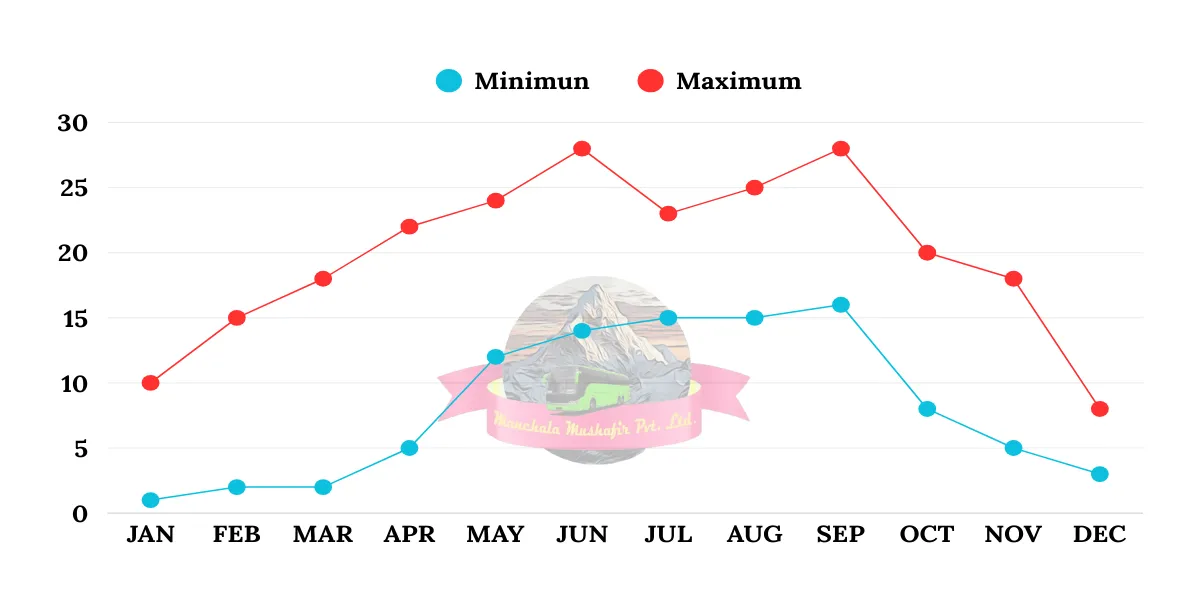
Jageshwar Dham Shivling is accessible all year round and is considered an all-season pilgrimage site. The best time to visit depends on the individual’s preference.
While the summer and autumn months provide pleasant and mild weather, ideal for sightseeing and temple visits, and winters are cold but beautiful with potential snow, ideal for those who love to explore snow-capped temple views.
Safety Tips: Check weather before visiting during monsoon and winter, as the Kumaon region experiences harsh weather, making the travel risky and hectic with possible landslides and mishaps.
Here is a brief of the best months to visit Jageshwar with different experiences:
April to June (summer months): One of the most ideal times to visit, considered as peak tourist season, with pleasant weather and clear skies, offering great accessibility and visibility, making it ideal for temple visits and trekking.
Sep to Oct (autumn season): Another most recommended time to visit Jageshwar, offering lush green and vibrant landscapes with excellent accessibility, making it ideal for peaceful exploration.
Other seasons:
July to August (Monsoon months): The region experiences heavy rainfall, making roads slippery and travel difficult, but this period hosts annual festivals such as Shravan Mela with lush greenery, attracting many devotees.
Nov to Mar (winter months): Jageshwar Dham in winter is cool with freezing temperatures and occasional snowfall. The temple is open and recommended for those who want to enjoy a peaceful and mystical experience with snow, but be prepared for chilly conditions.

Jageshwar Dham Temperature Monthly Chart
Jageshwar Dham Hotels
Jageshwar Temple Uttarakhand offers a wider range of stay options, including resorts, guesthouses, homestays, and government-run rest houses. Towns like Almora and Haldwani offer a wide range of accommodation options, catering to different services and budgets. Here are some suggested hotels near Jageshwar Dham.
Places To Visit Near Jageshwar Dham
1) Dandeshwar Temple
Dandeshwar is a significant temple among the Jageshwar Dham complex. It is dedicated to lord shiva, built in the ancient Phamsana Temple.
2) Mahamrityunjaya Temple
The oldest and largest in the group of temples, dedicated to lord shiva as Mrityunjaya. It holds great spiritual significance; devotees believed that chanting the Mahamrityunjay Mantra (powerful mantra of lord shiva) brings health, prosperity, and freedom from the fear of death. The open eye-shivlinga is a major highlight of the temple.
3) Jageshwar Museum
An archaeological museum established by ASI is another key attraction, holding significance for ancient sculptures and artifacts. Visit the museum and explore the ancient roots of the temple complex.
4) Vridh Jageshwar Temple
It is an older and high-altitude temple, located 3 km uphill from the main Jageshwar temple. It is also known as the “Old Shiva” temple, surrounded by snow-capped Himalayan peaks, offering a serene environment for meditation and inner reflection.
5) Mirtola Ashram
A peaceful spiritual center, located near the temple complex, surrounded by towering Himalayan peaks, making it a perfect spot for nature lovers and peace seekers.
6) Almora
Almora is a scenic town situated in the Kumaon hills of Uttarakhand. It is a significant site, serving as a gateway to Jageshwar temple, known for its stunning natural beauty and rich culture, often as the cultural heart of Kumaon. It sits at an altitude of 1,651 meters and is surrounded by deep pine forest, attracting travelers for its serene beauty and cultural traditions.
Pro Tips: If you visit Almora then explore the colorful bazaars and nearby temples, including Kasar Devi Temple, and Katarmal Sun Temple.
7) Mukteshwar Temple
Mukteshwar Temple is an ancient shrine of lord shiva, located in the Nainital district of Uttarakhand. The temple is famous for its spiritual significance, believed to be a site of Moksha (Liberation), featuring an ancient black stone Shivlinga along with the idols of lord Brahma and Vishnu. Reaching the main shrine involves climbing over 100 stairs.
8) Patal Bhuvneshwar Temple
Patal Bhuvneshwar is an ancient cave temple located in the Pithoragarh district of Uttarakhand. It is mainly known for its naturally formed limestone shivlinga in a 90-foot-deep and 160-meter-long cave and is linked with the legends of the Sthala kanda Purana. It is easily accessible by road via taxi or bus, but the main shrine may involve a short walk.
9) Bageshwar Temple
Bageshwar Temple, also known as Bagnath Temple, is located in the Bageshwar town of Uttarakhand, on the confluence of the Saryu and Gomati rivers. It is primarily known for its significance, where lord shiva appeared in the form of a Tiger (Bagh) to bless a sage, Markandeya, who worshipped lord Shiva here. The temple attracts devotees during the Mahashivratri and Utrayan (January), and it is accessible by road via Nainital road, which is about 150 km away.
Source: Jageshwar - Travel guide at Wikivoyage
Things To Do In Jageshwar Uttarakhand
The site offers various things to explore the temple, including temple, museum, and cave visits, nature walks, and short hikes through the deodar forest. Here are the activities listed to do in Jageshwar Temple.
- Temple Visits: Explore the vast complex of ancient stone temples, dedicated to lord shiva, such as the main Jageshwar Mahadev temple, Dandeshwar temple, and Mahamritunjaya temple.
- Nature Walks: Jageshwar temple is a part of the Binsar Wildlife Sanctuary, offering an opportunity to explore the diverse flora and fauna of this region through nature walks.
- Short Hikes: There are temples in the Jageshwar complex, like Dandeshwar and Nageshwar temples, that allow for short hikes through the dense forest, offering views of Himalayan peaks.
- Visit the Museum: There is an archaeological museum in Jageshwar. Visit there and see the sculpture and artifacts of this region.
- Explore Historic Caves: Also visit nearby caves or cave temples, like Airavat Cave and Patal Bhuvneshwar Temple.
- Other Outdoor Activities: The area is a perfect spot for nature photography; enjoy the breathtaking views of the Himalayas and capture the beauty of this region.
Travel & Safety Tips For Visiting Jageshwar Temple

-
Check Weather: Weather is the first precaution taken by every traveler, so don’t avoid it. Check the weather before planning a trip and be ready for any change, such as sudden rain.
-
Modest Dress: Jageshwar is a holy site, not a picnic spot, so dress modestly and follow the local customs and guidelines of each shrine.
-
Start Early: Start your trip early to explore the vast temple complex.
-
Stay hydrated: Jageshwar is the biggest temple of Uttarakhand; a cluster of 124 temples demands stamina to explore, so stay hydrated throughout your whole journey to reduce the risk of dehydration.
-
Carry water bottles and light snacks: Dining options might be limited in this area, so pack light snacks and carry water bottles to get instant.
-
Carry Cash: ATMS are limited in this area, so carry enough cash for your trip.
-
Respect the environment and site: Be mindful of the surroundings, keep the place clean, and maintain the serene environment.
-
Book your accommodation in advance: Pre-booking of accommodation is recommended to avoid any hassle or stress.
Conclusion
Jageshwar Temple is not just a destination; it is located in the Almora district (the queen of Kumaon hills) of Uttarakhand and is a perfect blend of spiritual and natural beauty, surrounded by snow-capped peaks and dense deodar forest. It’s a cluster of 125 ancient temples, and walking among these temples connects to nature and divinity.
Thus, visiting Jageshwar Dham Uttarakhand leaves every devotee with inner peace, faith, and blessings. It’s an all-year-round temple, accessible by a scenic road via the Alomora or Haldwani route.
FAQs
-
What is the Jageshwar temple famous for?
Jageshwar Dham is a cluster of 125 small stone shrines, dedicated to lord shiva, located in the serene Jataganga Valley (known as the Valley of God) and surrounded by dense deodar forest and peaks, known for its stunning natural beauty, religious and historic significance, and houses of sacred historic caves.
-
How many years old is Jageshwar Dham?
As per the surveys of the Archeological Survey of India, which protects the site, suggests that the temple is around 2500 years old, dating back from the post-Gupta period to the pre-medieval era, from the 7th to the 13th century. Built and revived by many rulers and devotees, such as the Katyuri and Chand dynasties.
-
Is Jageshwar Dham a Jyotirlinga?
Yes, according to the Mythology of the Skanda Purana, Jageshwar is considered one of the 12 Jyotirlinga . Nageshwar temple, one among 125 temples of Jageshwar Dham, is considered the 8th Jyotirlinga. But there is a debate between Nageshwar in Gujarat, which also claims the same title.
-
How to visit Jageshwar Dham?
You can visit Jageshwar by air and train, but the final leg to the temple complex must be completed by road travel. Firstly, fly to Pantnagar airport or take a train to Kathgodam Railway Station; from there, take a taxi or bus towards Almora, and from there, transfer to another taxi or bus to Jageshwar Dham.
-
Which is the nearest railway station to Jageshwar Dham?
The Kathgodam Railway Station is the nearest railway station to Jageshwar Dham, which is approximately 115 km away and connected to major cities such as Dehradun, Delhi, Lucknow, Kolkata, etc.
-
Which airport is near Jageshwar Dham?
The Pantnagar Airport is the nearest airport to Jageshwar Dham, which is about 150 km away. From the airport, you can take a taxi to reach the temple complex.
-
How much is a taxi from Almora to Jageshwar?
The fare of a taxi from Almora to Jageshwar ranges from ₹1,000 to ₹3,000, depending on the type of taxi, like sedan or SUV, and the operator. It is recommended to confirm with local drivers or services.
-
How far is Jageshwar from Kedarnath?
Jageshwar and Kedarnath are two revered temples located in two different regions of Uttarakhand. While Jageshwar is situated in the Kumaon hills, Kedarnath sits in the Garhwal region. The distance between Jageshwar and Kedarnath Temple is approximately 300 km by road, which takes almost 10-12 hours.
-
What is the best time to visit Jageshwar temple?
Jageshwar temple is an all-season pilgrimage site; you can visit anytime of the year. But the summer season (April to June) and autumn season (Sep-Oct) are ideal months to visit Jageshwar, as it experiences pleasant weather with mild temperatures and clear skies, also providing great accessibility, making it an ideal time for temple visits and sightseeing.
Planning A Uttarakhand Trip? Let Us Help
If you’re planning Kedarnath, Badrinath, Char Dham Yatra, or any other Uttarakhand yatra, you can explore our verified pilgrimage packages below.
For any doubts related to temple timings, darshan process, routes, weather, or custom travel plans, feel free to contact us — we’re happy to guide you.
You May Like
Katarmal Sun Temple Uttarakhand: Guide 2026
Top 12 Places to visit during
Char Dham Yatra | Uttarakhand
Top Nine Places to Visit in Uttarakhand
Lakhamandal Temple Uttarakhand: An Ancient Shiva Temple




.webp?v=15617ff41ba64410feaa36094192201f)