
Best time to visit Badrinath: Summer (May to June) & Autumn (Sep to Oct)
Time to avoid: Monsoon (July to August)
Closing time: Winter (November to April)
Introduction
The best time to visit Badrinath Temple is from May to June and September to October. During these months, the weather remains pleasant, roads stay open, and darshan conditions are safe and comfortable for pilgrims.
Monsoon months (July–August) should be avoided due to landslides and road blockages, while the temple remains closed in winter due to heavy snowfall. November in Badrinath is extremely cold, with temperatures dropping to around –8°C. While young travellers may still manage, it is not a safe or comfortable time for infants and elderly pilgrims due to the harsh weather.
Safety Tips: If you are visiting during peak season in summer then book your accommodation in advance, and you can also check out our Badrinath Tour Package to avoid the responsibilities of bookings, registration, and other.
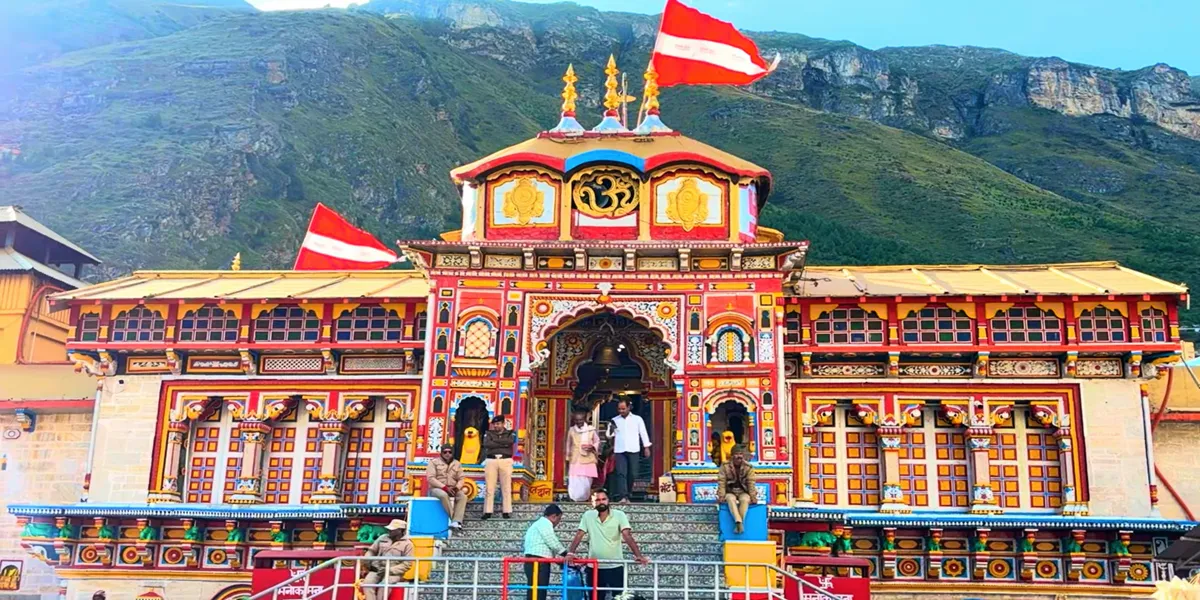
Table of Contents
- Introduction
- Overview of Best Time To Visit Badrinath
- Badrinath Weather Guide By Season
- Month-Wise Badrinath Weather & Temperature Chart
- Where To Check Badrinath Weather Live Updates?
- Travel & Safety Tips for Visitors for Different Seasons
- Best Time To Visit Badrinath For Snowfall
- Best Time To Visit Badrinath For Photography
- FAQs: Best Time To Visit Badrinath Temple
Overview of Best Time To Visit Badrinath
The table below gives a quick season-wise overview of Badrinath weather, crowd levels, and travel suitability, along with Badrinath temperature to help you decide the best time to visit Badrinath.
Badrinath Weather Guide By Season
Summer Season in Badrinath (May to June)
Badrinath in May: The weather is pleasant and comfortable, with cool temperatures and excellent views. The temple opens at the end of the month for the pilgrimage season.
Temperature: 5°C to 18°C
Conditions: Snow gets melted, skies are clear, and the surrounding scenery is also vibrant, ideal for sightseeing and pilgrimage. But it is experiencing a huge crowd, as the yatra season is starting.
Badrinath weather in June: June offers pleasant, mild weather with cool temperatures, clear skies, and stunning views of the surroundings.
Temperature: Ranges from 15°C to 25°C
Conditions: Warm and sunny, but nights are still chilly, and crowds are high. It is considered the ideal time to visit for family travellers.
Monsoon Weather (July to August)
During the monsoon, the entire area of Badrinath experiences moderate to heavy rain and high humidity. Heavy rain makes the weather cloudy and causes landslides and thunderstorms.
Temperature: from 10°C to 16°C
Conditions: muddy, slippery trails; a cloudy atmosphere; and the potential for landslides affect accessibility and make travel risky.
Autumn Weather (September to October)
Badrinath weather in September: During September, the rains began to retreat, the weather became pleasant again, and the landscape became lush green.
Temperature: 10°C to 20°C
Conditions: Clear skies, well-maintained paths, and excellent visibility, making it an ideal time for pilgrimage.
Badrinath weather in October: It's cold and pleasant, ideal for devotees seeking peace and paranomic views, with picturseque surroundings.
Temperature: 5°C to 10°C
Conditions: clear skies, excellent visibility, and an ideal time for darshan before the closing of the temple.
Winter Weather (November to March)
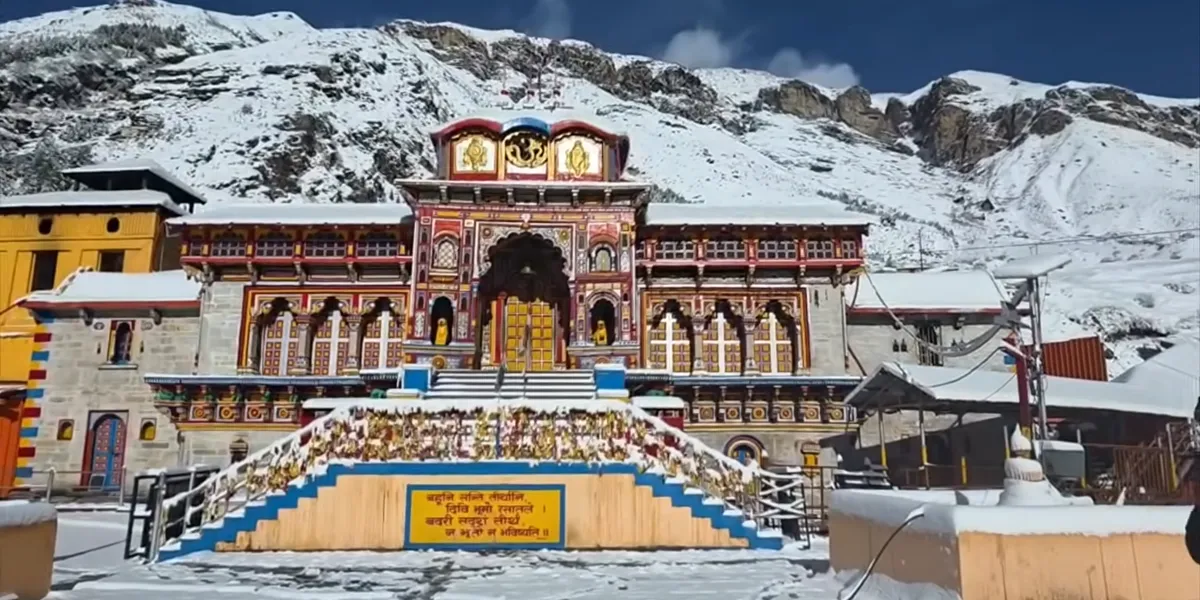
Winter in Badrinath is freezing with cold temperatures and heavy snowfall, making roads difficult to navigate. The temple remains closed to the general public during these months, and the deity's idol has been shifted to the Narsingh Temple in Joshimath.
Temperature: ranges from -2°C to -18°C
Conditions: days and nights are freezing, and the entire region is covered with thick layers of snow.
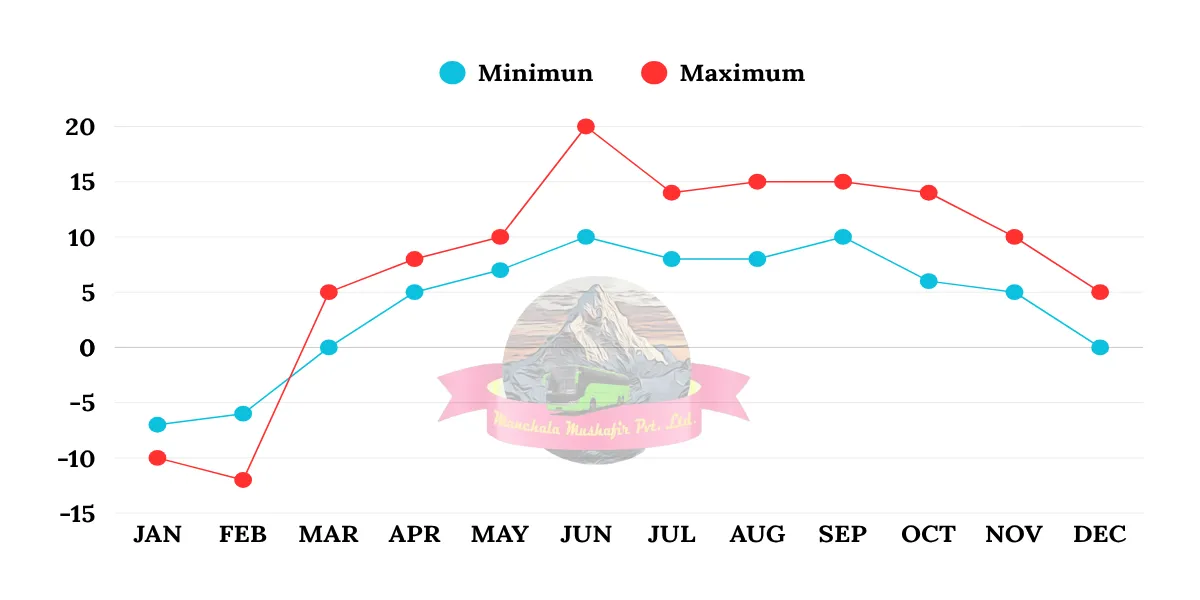
Month-Wise Badrinath Weather & Temperature Chart
Where To Check Badrinath Weather Live Updates?
You can check the live Badrinath weather and temperature forecast on various weather platforms to determine the best time to visit Badrinath, such as the India Meteorological Department (IMD) and Skymet Weather. These platforms provide current conditions, hourly forecasts, and extended predictions.
How To Check The Badrinath Weather On Platforms?
Visit the Website, like Skymet Weather
Search for Badrinath
Check the live conditions on temperature, wind speed, and humidity
Check the hourly forecast, which helps in planning travel
Looking for warning and alert signs.
Travel & Safety Tips for Visitors for Different Seasons
For Summer and Autumn Visit
Pack light, warm clothes, including fleece jackets and sweaters.
Steady trekking shoes
Safety Precautions:
Stay hydrated: Badrinath is at a high altitude, so drink plenty of water to avoid dehydration.
Acclimatize: Acclimatize yourself in a lower-altitude town, like Joshimath.
Medical kit: a small medical kit along with your prescribed medicines and other safety items.
Compass: Carry a compass for better direction-finding.
For Monsoon Visit (July-August)
Packing essentials: Clothing: Quick-dry clothing, raincoat, Waterproof shoes
Backpack : Waterproof backpack covers
Safety: Be cautious of landslides and road blockage
Medical kit: a small medical kit along with your prescribed medicines and other safety items.
General Tips:
Respect the Site: Badrinath is a holy Site, so be respectful in your behaviour and follow local customs and guidelines.
Clothing: Dress modestly when visiting the temple. Cover shoulders and legs properly.
Best Time To Visit Badrinath For Snowfall
Snowfall in Badrinath usually occurs during the winter months from November to March, when the region receives moderate to heavy snow. During this period, the main Badrinath Temple remains closed due to extreme cold and heavy snowfall.
While the temple is not accessible, nearby destinations like Joshimath, Auli, and Pandukeshwar remain open and can be visited for a winter experience. Auli is especially popular for skiing and snow activities, while Joshimath serves as the winter seat of Lord Badrinath.
Note: Winter travel is suitable only for experienced travellers and snow lovers. It is not recommended for families with children or senior citizens due to extreme weather conditions.
Best Time To Visit Badrinath For Photography
The post-monsoon season, from September to October, is the best time to visit Badrinath for Photography, as it offers clear skies and lush landscapes. Conditions are suitable for capturing the temple with the surrounding scenery.
Reasons why September and October are ideal for Photography:
Clear weather: clear skies offer excellent visibility of the peaks.
Ideal Light: The natural golden light in the early morning and late evening adds depth to your shot of the Badrinath temple.
Fewer Crowds: The crowd is minimal at this time, making photography easier.
Vibrant Scenery: landscapes become lush green after the monsoon, offering excellent photo opportunities.
Tips for Photography:
Choose Golden hours: Capture during the sunrise and sunset times when the sunlight touches the temple.
Choose the right lenses: Wide-angle lenses are perfect for dynamic shots.
Protect your gear: Use waterproof cover bags to shield it from mountain weather.
Conclusion
FAQs: Best Time To Visit Badrinath Temple
What is the best time to go to Badrinath?
May-June in summer and September-October in autumn are the best times to visit Badrianth, as they provide favourable weather and excellent accessibility, with serene surrounding views of the Nar Narayan ranges.What is the temperature in Badrinath in October?
October in Badrinath is pleasant and calm; the weather turns cold. Provides great views and fewer crowds, making it an ideal time for peaceful darshan before winter closure.Is September a good time to visit Badrinath?
Yes, September is a really good time to visit Badrinath, as it offers comfortable weather, cool temperatures, clear skies, and excellent accessibility. It also experiences fewer crowds, making it the ideal time for quieter experience seekers.How cold is Badrinath in May?
May in Badrinath is calm and pleasant with mild temperatures. Daytime in May is warm, but evenings and nights are chilly. The Temple is open at this time, and it is peak pilgrimage season, so the crowd levels are higher.In which month is there snowfall in Badrinath?
You may experience snowfall from late November through March; the temple is closed during this period due to heavy snowfall. Heavy snow often closes roads, making the temple inaccessible.In which month is Badrinath less crowded?
September to October are the least crowded months in Badrinath, offering a serene atmosphere, clear roads, and pleasant views, making it an ideal time for peace seekers.






.webp?v=15617ff41ba64410feaa36094192201f)