
Narsingh Temple Joshimath, Uttarakhand: History & Guide 2026
Category: Travel | Updated On: September 21, 2026 | Published: January 9, 2026
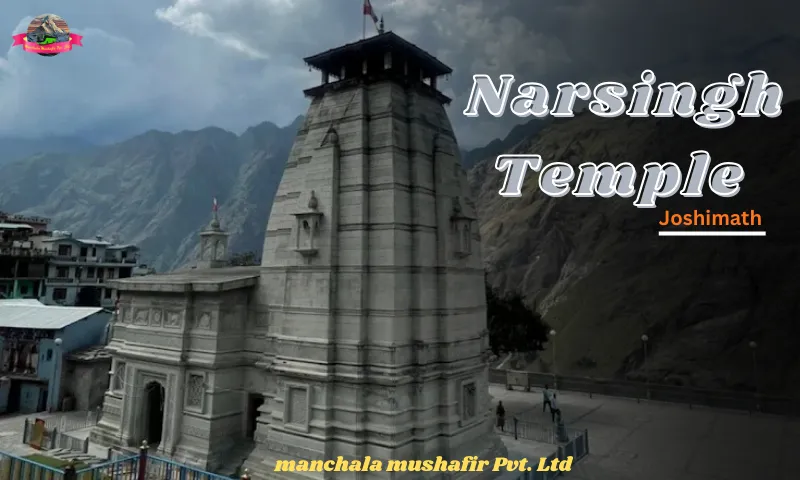
About Narsingh Temple In Joshimath, Uttarakhand
The Narsingh Temple Joshimath, Chamoli District, Uttarakhand, is a highly revered temple, also known as Narsingh Badri, dedicated to Lord Narsingh, an incarnation of Lord Vishnu.
Visiting this temple is an incredible experience in itself, owing to its great spiritual significance as the winter abode of Badrinath, and as a crucial stop on the Char Dham Yatra and Sapta Badri pilgrimage circuits. Many pilgrims often visit this sacred temple during their Badrinath trip, as it is just 43 km away from the Shri Badrinath temple.
Here is a comprehensive guide to the Narsingh Devta Temple in Joshimath Uttarakhand, covering its location, history, Temple timings, the best time to visit, accessibility, and more, along with some beautiful photos.
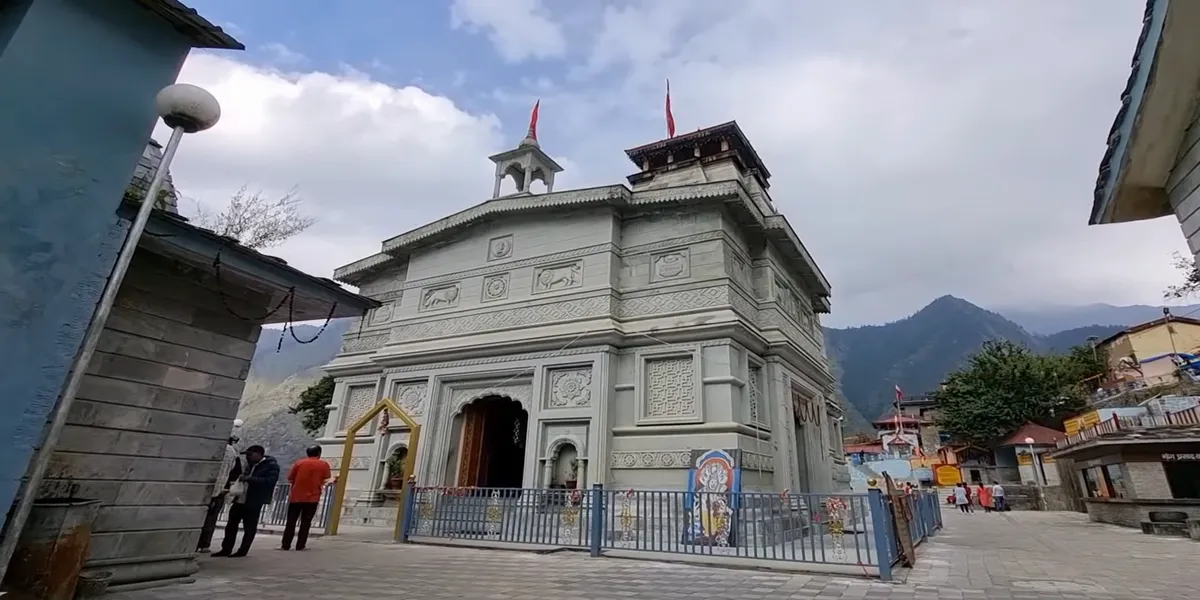
Quick Facts About Narsingh Temple In India
Location | Joshimath in Chamoli District, Uttarakhand |
Deity | Lord Narsingh (incarnation of Lord Vishnu) |
Significance | Winter abode of Badrinath Dham |
Establishment | Sage Adi Shankaracharya |
Best Time to Visit | April to November |
Temple Timings | 5:00 AM to 8.00 PM |
Highlights | Shankaracharya math, Kalpavriksha tree, and architecture |
Major Festivals | Narsingh Jayanti |
Table of Contents
- About Narsingh Temple In Joshimath, Uttarakhand
- Where Is The Narsingh Temple Located?
- Festivals & Rituals At Narsingh Bhagwan Temple In India
- How To Reach Narsingh Temple Uttarakhand
- Narsingh Temple Joshimath Timings
- Narsingh Temple Puja Booking & Price List
- Best Time To Visit Narsingh Temple
- Places To Visit Near Narsingh Ji Temple
- Narsingh Temple Joshimath Accommodation & Food Options
- Travel & Safety Tips To Visit Narsingh Temple Joshimath
- Conclusion
- FAQs
Where Is The Narsingh Temple Located?
The Narsingh Temple is located in the Chamoli district of Uttarakhand, on Narsingh Mandir Marg, Joshimath. It is a significant stopover point on the Char Dham Yatra route. The Temple sits in the lower market area of Joshimath town, easily accessible from the town’s bus stand.
Narsingh Temple Location
- State: Uttarakhand, India
- District: Chamoli
- Town: Joshimath
- Altitude: 1,875 meters (6,150 feet)
| |
History Of Narsingh Temple In Joshimath
The history of Narsingh Temple Joshimath is dedicated to Lord Narsingh (half man and half lion), who was the fourth incarnation of Lord Vishnu. The temple is believed to be extremely ancient, with its origins deeply rooted in Hindu traditions and early historical references.
According to Hindu legends, the Temple was established by Adi Shankaracharya, the 8th-century philosopher. He installed the deity’s idol of Shaligram stone. The historical records, such as the Rajatarangini, show that the main idol of the Temple of Lord Narsimah, about 25 cm high, sitting on a lotus, was constructed during the reign of King Lalita Aditya Mukatpida in the 8th century.
Source: Joshimath-Narsingh Temple
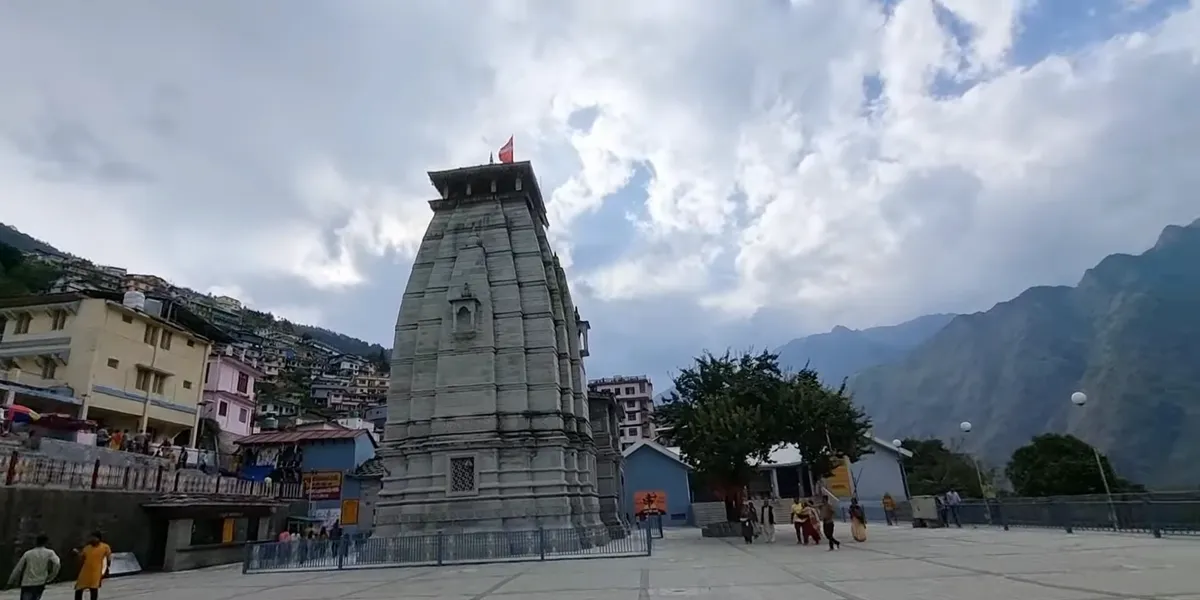
Mythological Significance Of Narsingh Bhagwan Temple
The Prophecy related to the idol says that the left arm of Narsimah is progressively thinning over time. Legends state that, when this arm is broken, a catastrophic landscape will occur, blocking the current route to Badrinath Temple and destroying it, and it also symbolises the end of the Kalyuga. Following the event of the Temple, Lord Badri predicted in the Bhavishya Badri Temple.
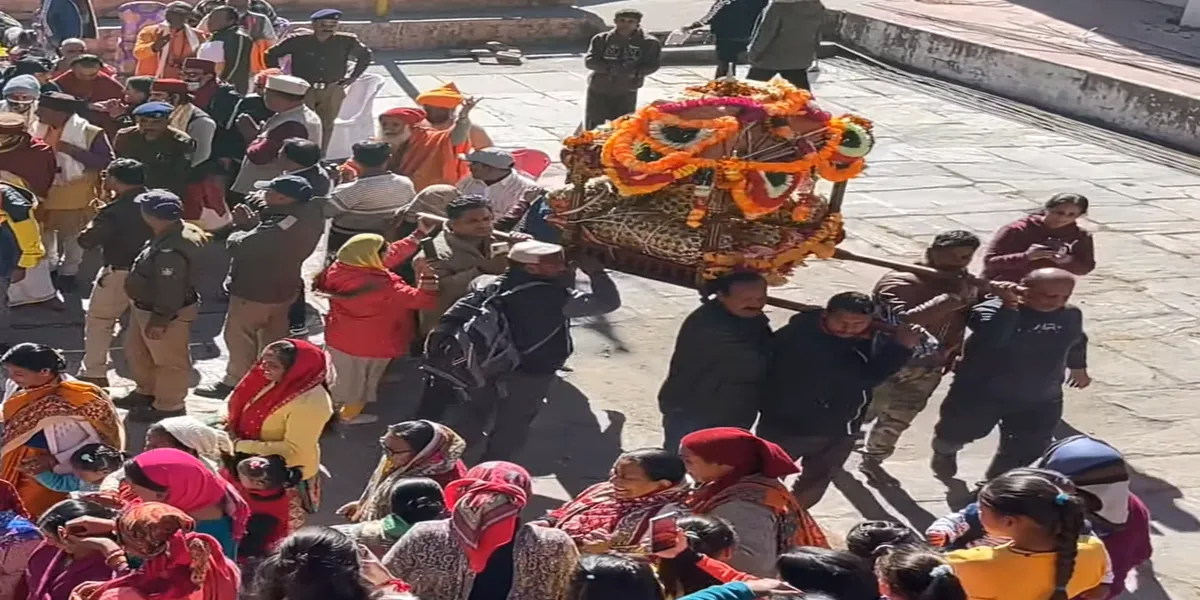
Winter Abode of Badrinath: The Narsingh Temple holds great significance as the winter residence of the Badrinath Temple. During the winter period, the main Badrinath Temple becomes inaccessible due to harsh weather and heavy snowfall. So the idol of Lord Badri is brought into the Narsingh Temple for winter worship with huge pomp and show.
Narsingh Temple Joshimath to Badrinath Distance – 43.1 kilometres
Festivals & Rituals At Narsingh Bhagwan Temple In India
The Narsingh Temple Joshimath celebrated several festivals, most notably the Narsimha Jayanti, and also followed a schedule of daily rituals, including Abhishek and Aarti.
Major Festivals are:
- Narsimha Jayanti: One of the most significant annual festivals, which is celebrated in April or May (on Shukla Chaturdashi of the Vaisakh Hindu month). On this day, special puja, such as Narsingh strorta Path, Havans, and the community puja rituals take place.
- Utsav Murti Mela: A grand procession takes place during the opening and closing of the Badrinath Temple. The idol of Lord Badri is carried in a decorated palki to be shifted to the Narsingh Temple in Joshimath. Many rituals and traditions are performed during the ceremony of Utsav Murti Mela.
Why is Narsingh Temple Joshimath is the Winter Seat of Badrinath?
How To Reach Narsingh Temple Uttarakhand
You can reach Narsingh Temple in Uttarakhand by air, train, and road, but there is no direct air or train connectivity to the Temple itself. So for the final stretch, you need to complete it by road travel. Here is a breakdown of how to reach the Narsingh Temple step-by-step.
Step -1 Reaching Joshimath First, which is the base town for the Narsingh Temple.
By Air:
The nearest airport to Joshimath is Jolly Grant Airport in Dehradun city, approximately. 270 km away. Take a flight to the Dehradun Airport, and from there, you can hire a taxi to reach Joshimath.
By Train:
Haridwar (276 km away) and Rishikesh (263 km away) are the nearest railheads to Joshimath, so you can take a train to any of these railway stations. From there, take a bus to Joshimath. For comfortable access, hire a private taxi to reach Joshimath.
The road journey from Haridwar/Rishikesh to Joshimath takes almost 10-11 hrs, depending on road conditions.
By Road:
Joshimath has great road connectivity to the major cities and towns, like Delhi, Dehradun, Haridwar, and Rishikesh. You can take a state-run bus or hire a private taxi to Haridwar or Rishikesh. From there, transfer to another bus or taxi to reach Joshimath.
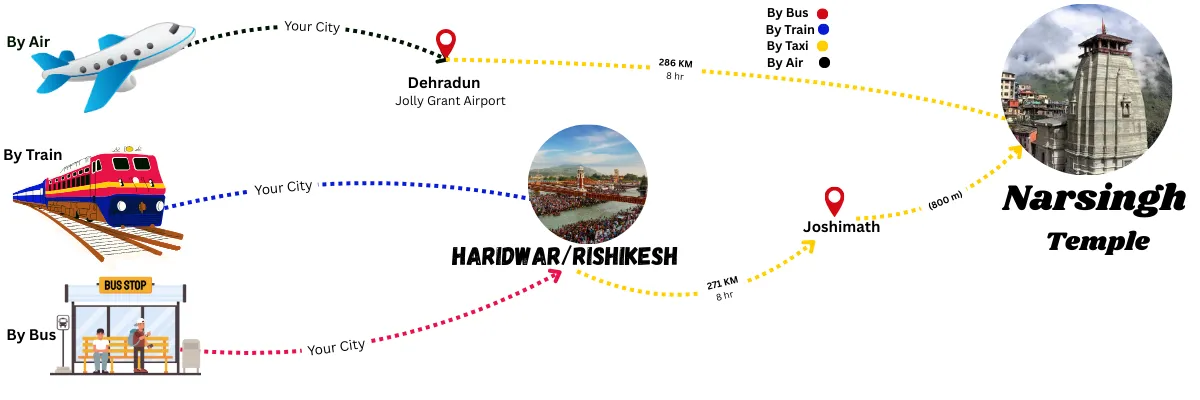
Step -2 Reaching Narsingh Temple From Joshimath
After heading to Joshimath, you can easily reach the Narsingh Temple by local transport or on foot.
By local transport: From Joshimath bus stand, you can take a shared jeep or a local rickshaw to reach the Temple. This temple is located in a main market area, at a short distance of around 800 meters.
By shuttle walk: You can easily reach the Temple by a shuttle walk from the Joshimath bus stand, as the paths are well-defined.
Narsingh Temple Joshimath Timings
Generally, the Narsingh Temple Joshimath is open around 6:00 AM and closes at 8:00 PM every night and day, offering free darshan for all devotees. Here is a table of aarti and darshan timings of the Narsingh Temple.
Event | Timings |
Kapat Open | 5:00 AM |
Morning Aarti | 6:00 AM |
Darshan Timings | 6:30 AM to 12:00 PM |
Evening Darshan | 4:00 PM to 8.00 PM |
Evening Aarti | 7:30 p.m |
Kapat Close | At 8 PM |
Note: Timings can vary by season or during the festival time.
Darshan Tip for visitors: Visit in the early morning or late afternoon for a peaceful darshan experience with fewer crowd levels.
Narsingh Temple Puja Booking & Price List
Narsingh Temple accepts paid puja bookings through the same official portal used for Badrinath and Kedarnath — the Badri-Kedar Temple Committee (BKTC) online puja booking system. Unlike Badrinath and Kedarnath, Narsingh Temple's puja list isn't split into tabs — it's one straightforward price list.
| Puja Name | Price | Timing |
|---|---|---|
| Daily Bhog | ₹1,000 | 11:00 hrs |
| Kapoor Aarti | ₹350 | 19:30 hrs |
| Abhishek Puja | ₹1,500 | 6:45–7:45 AM |
| Shri Vishnusaheshtranam Path | ₹650 | After 7:45 AM, before Kapoor Aarti |
| Shri Vishnusaheshtranamawali Path | ₹700 | After 7:45 AM, before Kapoor Aarti |
| Special Puja for Shri Narsingh (Lord Narsimha) | ₹2,500 | After 7:45 AM, before Kapoor Aarti |
Prices sourced directly from badrinath-kedarnath.gov.in, last verified September 21, 2026. A separate donation for temple renovation (₹500) and a seat/gaddi offering (₹100) are also listed on the official portal but aren't pujas in the usual sense.
Best Time To Visit Narsingh Temple
The Temple is accessible all year round, and the best time to visit the Narsingh Temple depends on the individual. Many devotees are here along their Char Dham and Panch Badri pilgrimage journey, and many visit during winters, as the Temple serves as a winter abode of the Badrinath Temple, to witness the winter rituals of the Lord Badri deity.
Important Tips for Travellers:
Visit during the summer and autumn months for a pleasant and comfortable weather experience.
To witness winter rituals and festivals of Lord Badri, visit during the winter period (Nov-Mar).
Avoid the monsoon season, as it leads to landslides and roadblocks, making it an avoidable time.
Here is a seasonal overview of Narsingh Temple weather, which helps you to plan a safer and memorable journey.
Summer Season (April - June)
Summer remains pleasant and mild in this region, experiencing pleasant weather with comfortable temperature ranges, making it ideal for sightseeing and Temple visiting.
Temperature: ranges from 12°C to 32°C
Conditions: days are sunny with crisp air, mild temperature, clear skies, but nights remain chilly. This time is considered the peak season, experiencing a huge crowd, which may affect the travel experience.
Monsoon Season (July - September)
Monsoon brings heavy rainfall in this region, which makes trails slippery, and travel is not recommended during this period due to the risk of landslides and roadblocks.
Temperature: 13°C to 22°C
Conditions: trails are muddy and slippery, days are pleasant and mild with high humidity. Slippery paths make travel difficult to navigate.
Post-Monsoon Season (October - November)
Post-Monsoon season is another ideal time to visit Narsingh Temple, as it experiences pleasant weather and fewer crowds, providing a peaceful darshan experience.
Temperature: 10°C to 20°C
Conditions: Days are mild, but the nights are chilly, and the scenery is vibrant, making it an ideal time for outdoor activities, such as sightseeing and trekking.
Winter Season (December - March)
Winter is freezing and chilly with significant snowfall. This period holds immense spiritual importance, as the Temple serves as the winter home for Lord Badri when the Badrinath Temple becomes inaccessible due to heavy snowfall.
Temperature: 2°C to 10°C
Conditions: days and nights are chilly and freezing. It is the ideal time for a unique pilgrimage experience to witness the local festivals and winter puja rituals of Lord Badri.

Places To Visit Near Narsingh Ji Temple
1) Shankaracharya Math
Shankaracharya Math, also known as Jyotirmath, is a cardinal monastery established by Adi Shankaracharya in the 8th century and located in the main area of Joshimath town, near Narsingh Temple.
2) Kalpavriksha
It’s a 1,200-year-old sacred mulberry tree, located within the Narsingh Temple complex, along with an ancient Temple of Lord Shiva in its base, named Jyotireshwar Mahadev Temple. This legendary tree holds significance, as it is believed to grant wishes.
3) Tapovan
Tapovan is a scenic village located at a short distance from Joshimath, known for its picturesque beauty, including natural hot springs and peaks, providing an opportunity for trekking and nature walks.
4) Nanda Devi National Park
Nanda Devi National Park is a UNESCO World Heritage Site, located in the Chamoli District of Uttarakhand on Joshimath Road. This site is known for its natural charm, including rare flora and fauna, providing opportunities for trekking, and offering views of Mt. Nanda Devi, the second-highest peak of India.
5) Valley of Flowers
Valley of Flowers is another natural scenic trail known for its stunning natural beauty and charm, accessible by a scenic trek from Govindghat. Many travelers combine this trek with a Valley of Flowers package, making it a must-visit destination along the Narsingh Temple and Badrinath route.
6) Mana Village
Mana Village Uttarakhand is the last inhabited village near the Indo-Tibetan border, close to Badrinath. It is known for its traditional Himalayan architecture, ancient temples like Vishnu Temple, and the natural stone bridge Bhim Pul, offering a glimpse into local culture and mythology.7) Vasudhara Falls
Vasudhara Waterfall is a spectacular waterfall near Mana Village, dropping from a height of around 145 meters, surrounded by lush green meadows and snow-covered peaks. The site is ideal for trekking, photography, picnics, and nature walks, offering a serene environment for visitors.8) Badrinath Temple
Badrinath Temple is one of the Char Dham pilgrimage sites, dedicated to Lord Vishnu, and is located near the banks of the Alaknanda River. The temple is surrounded by majestic Himalayan peaks, creating a serene and spiritual ambiance.
Tips: Continuos travel during Badrinath Yatra can cause travel fatigue, dizzines, and motion sickness. To avoid these issue you can stay at Joshimath to acclimatize and then continue the journey.
9) Tapt Kund
Tapt Kund is a natural hot water spring located near Badrinath Temple, believed to have medicinal and spiritual benefits. Devotees take a holy dip here before visiting the temple, as the warm waters are said to cleanse both body and soul.10) Neelkanth Peak Viewpoint
A short trek or drive from Joshimath leads to the Neelkanth Peak viewpoint, offering panoramic views of the surrounding Himalayan range. It is an ideal spot for photography, nature walks, and enjoying the vastness of the mountains near the Char Dham route.Narsingh Temple Joshimath Accommodation & Food Options
Where To Stay In Narsingh Temple?
You can easily find various accommodation options near the Narsingh Temple in Joshimath, ranging from budget-friendly guesthouses to luxury resorts and family-friendly restaurants. Here are some suggested hotels in Narsingh Temple.
Hotel Name | Price range |
The Tattva Resort | ₹ 3000 to ₹ 5000 |
Odysseys stays Joshimath | ₹ 1000 to ₹1500 |
GMVM Joshimath Narsingh tourist complex | ₹ 1000 to ₹ 2000 |
Hotel Panchvati Inn | ₹ 2000 to ₹ 2500 |
Vasudev Homestay | ₹ 1,500 to ₹ 2,000 |
Note: The prices of the accommodation options can vary by season and availability of the rooms.
Food Options:
There are so many food options, including dhabas, restaurants and small eateries.
Bawarchi, the family restaurant in Joshimath.
Chauhan’s diner, located on Narsingh Mandir Marg. popular for serving indian food options in a range from ₹200 to ₹400.
JMS restaurant, another family-friendly restaurant, serves local dishes such as Pahadi Dal and Mandhua roti at affordable prices.
Negi Dhaba, a roadside eatery located on the Joshimath highway, serves simple veg thalis with a price range from ₹200 to ₹ 300.
Pro Tip: If you want to explore the traditional food here, then stick to the local dhabas and small eateries for an authentic taste of the Garhwali cuisine.
Travel & Safety Tips To Visit Narsingh Temple Joshimath
Best Time to Go: For a peaceful experience, visit during the summer (April-June) and autumn (September-October), or to witness the ritual of Lord Badri worship, visit during the winter (November-April).
Book Hotels in Advance: Book your stay in advance to avoid any hassle with last-minute booking and to get the best deals on early booking.
Dress Modestly: Narsingh Temple Joshimath is a holy shrine, not a picnic spot, so dress modestly and wear comfortable clothes.
Photography Etiquette: Photography is strictly prohibited inside the Temple and monastery, so follow photography etiquette.
Carry Essentials: Pack essentials, such as warm clothes, a medical kit, essential documents, a power bank, etc, for altitude discomfort.
Stay Hydrated: To reduce the risk of dehydration, drink plenty of water and carry sachets of glucose.
Conclusion
Visiting the Narsingh temple Joshimath is a journey of profound spiritual experience into the history and traditions, and an ancient spiritual journey to the site, which is deeply connected to the Badrinath Dham, as it serves as the winter home of Lord Badrinath.
It is the most common stopover of Char Dham and Do Dham Yatra, so whether you are a spiritual explorer or a traveller to Badrinath, Narsingh temple Joshimath is a peaceful stop ahead before heading to the main temple, as it stands as a powerful reminder of Lord Vishnu presence in the form of Narsingh Devta (half-man and half-lion).
FAQs
What is the story of Narsingh Temple in Joshimath?
The story of the Narsingh Temple Joshimath recounts the divine intervention of Lord Vishnu, who took the Narsingh Avatar (part lion, part man) to protect his devotee, Prahalada. It also holds a prophecy that the crumbling idol of Lord Narsingh signifies the end of the Kalyuga.
Which rituals are performed in Narsingh Mandir?
In the Narsingh mandir rituals performed by devotees and Pujaris are:
- Abhishekam
- Aarti and Bhajan
- Mantras like Narsimha Strot
During the celebration of Narsingh Jayanti, special rituals are performed, including Yajna and fasting.
How do I go to the Narsingh Temple in Joshimath?
To reach the Narsingh Ji Temple, first, you need to reach Joshimath, which is well-connected by road via major cities. The Jolly Grant airport in Dehradun is the nearest airport, Haridwar and Rishikesh are the nearest railheads to Joshimath town. From the railway station or airport, you need to complete the remaining journey by road travel. From Joshimath, you can reach the Narsingh Temple by a shuttle walk or by a shared jeep or taxi.
What is Narsingh famous for?
The Narsingh temple in Joshimath is widely famous as the winter abode of the Badrinath Temple and for the ancient idol of Lord Narsimha, along with a shrinking arm linked to Hindu mythology, associated with a prophecy of the Bhavishya Badri temple. It also serves as a key stop for the Sapta Badri pilgrimage circuit.
Which is the nearest railway station to Narsingh Temple?
The nearest railway station to Narsingh temple in Joshimath is Rishikesh Railway Station, which is about 263 km from Joshimath. Haridwar is the second nearest railway station to Joshimath, approximately 276 km away. Both railway stations have great connectivity to the major cities of India, so you can take a train to any of these cities and from there, complete the remaining journey by road travel. Many travellers starting from Haridwar or Rishikesh combine this trip with our Do Dham Yatra package, which covers Kedarnath and Badrinath together.
Is Narsingh Temple one of the Panch Badri or Sapta Badri temples?
The standard Panch Badri (five) temples are Badrinath (Badri Vishal), Yogdhyan Badri (Pandukeshwar), Bhavishya Badri, Vridha Badri, and Adi Badri, while the Sapta Badri (seven) list adds Ardha Badri and Dhyan Badri. Narsingh Temple, also called Narsingh Badri, is not part of the standard Panch Badri or Sapta Badri list, though some regional traditions include it in place of Ardha Badri or Dhyan Badri due to its close link to the Bhavishya Badri legend. What is consistently agreed upon across sources is its role as the winter seat of Badrinath worship.