.webp)
Introduction
Brahma Kapal Badrinath is considered one of the most prominent sites for performing ancestral rituals, such as Pind Daan and Tarpan, believed to grant instant Pitra Moksha to departed souls.
Nestled on the banks of the serene Alaknanda River and just a short walk from the Badrinath Temple, Brahma Kapal is one of the most vital sites for Hindu pilgrimage due to its deep spiritual connection to ancestral rites. It holds a special place for those seeking peace for their ancestors.
The rituals of liberating souls from the cycle of birth and death are performed to grant them moksha. Thousands of pilgrims visit here, along with Badrinath, believing it to be incomplete without offering at the sacred site.
I have completed the ancestral rituals here in 2025, and as an experienced devotee, I am guiding you on what you need to know about Brahma Kapal pind daan and more, including its location, religious significance, places to visit, and travel tips.
Check out our Badrinath Tour Package, including Brahma Kapal as the sightseeing
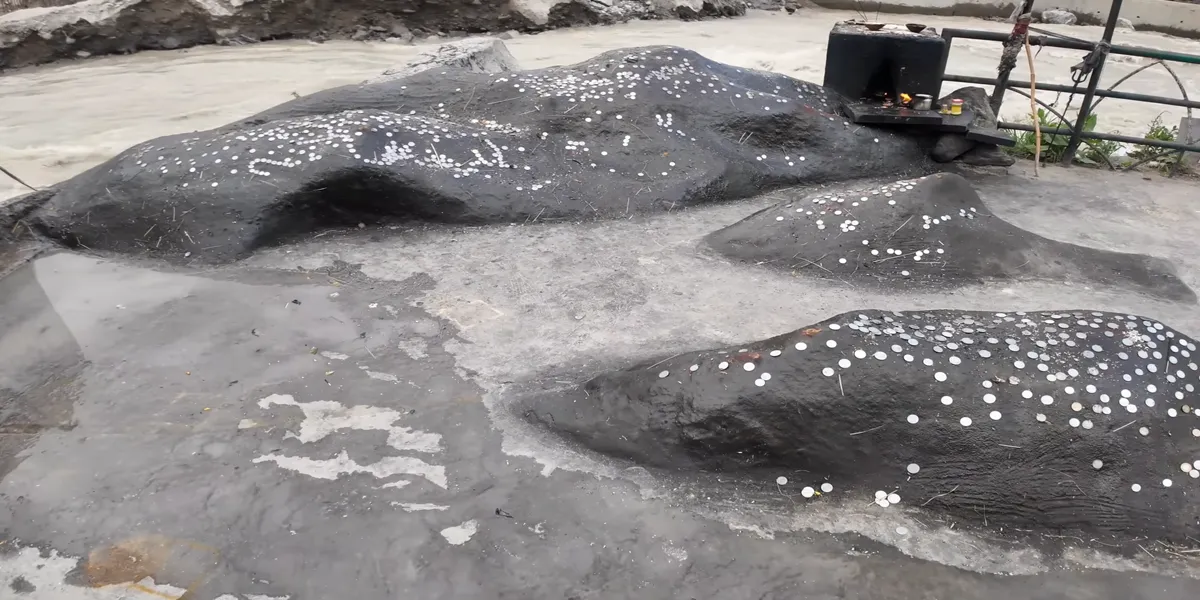
Table of Contents
- Introduction
- What Is Brahma Kapal?
- Where is Brahma Kapal Located?
- Badrinath Brahma Kapal Story & Mythological Origin
- How To Reach Brahma Kapal Badrinath
- Best Time To Visit Brahma Kapal
- Rituals At Brahma Kapal
- Places To Visit Near Brahma Kapal
- Pro Tips For Pilgrims Visiting Brahma Kapal
- Conclusion
- FAQs
- May Like List
What Is Brahma Kapal?
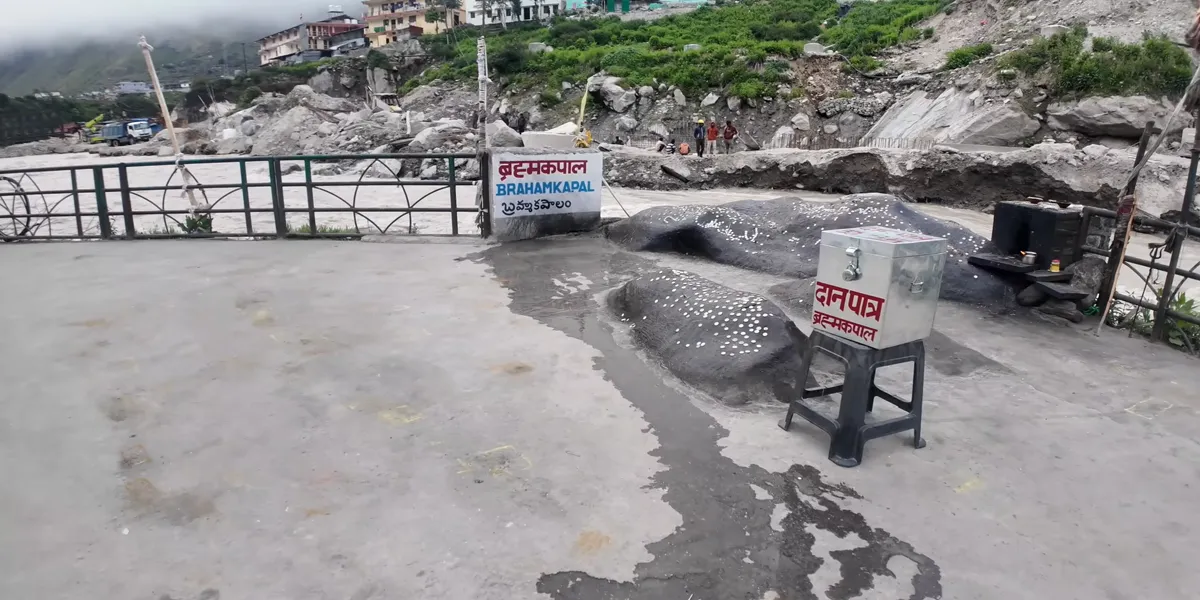
Brahma Kapal Badrinath is a sacred flat stone platform situated just beside the Alaknanda River. According to Hindu belief, the site is known as the “Moksha-sthal” (place of salvation), where devotees perform rituals like Pind Daan and Tarpan to liberate the souls of their departed ancestors.
Brahma Kapal Ghat is traditionally regarded as the most sacred and spiritually significant place in Badrinath for performing Pind Daan rituals.
Quick Facts About Brahma Kapal Badrinath
- Location: In the Badrinath Town, Chamoli district, Uttarakhand
- Altitude: 3,133 meters (10,279 ft)
- Distance: 200 meters away from Badrinath
- Highlights: Alaknanda River and surrounding views
- Significance: Associated with rituals like Pind Daan and Tarpan
- Best Time: May to June and September to October
- Nearby Places: Badrinath Temple, Tapt Kund, Charan paduka, & Mana Village
Where is Brahma Kapal Located?
Brahma Kapal is located in the holy town of Badrinath in the Chamoli district of Uttarakhand, India. It sits on the banks of the Alaknanda River near the Badrinath temple at an elevation of 3,133 meters (10,279 ft) above sea level. The distance is just 200 meters away from Badrinath to Brahma Kapal, accessible by a short walk from the temple.
Badrinath Brahma Kapal Story & Mythological Origin
Brahma Kapal Badrinath is one of the most prominet locations to perform rituals for ancestors, such as Pind Daan and Tarpan. The site is known for its great significance associated with Lord Shiva and Brahma, making it a significant spot to perform rituals.
Origin Of Brahma Kapal
The origin of Brahma Kapal Badrinath is deeply rooted in Hindu mythology, which is associated with Lord Shiva, Brahma, and the concept of liberation.
The word Kapal means skull; unlike many other spiritual sites, Brahma Kapal doesn’t have a large structure. Its power lies in its spiritual vibrations, beliefs, and the faith of pilgrims. As per the Brahma Kapal story and scriptures, it is the place where Lord Shiva was liberated from the sin of Brahma Hatya.
Mythological Significance Of Brahma Kapal
According to Hindu legends, Lord Shiva severed the fifth head of Lord Brahma with his trishul. As Brahma was the supreme Brahmin, so Shiva was cursed by the sins of killing, and the severed head became stuck in his hand.
After wandering the world as a mendicant, Shiva arrived at this sacred spot in Badrinath. Performed penance, and finally, the Kapal of Brahma fell from his hand, freeing them from his sin. This even gives the site its name, “Brahma Kapal”.
Spiritual Importance of Brahma Kapal in Char Dham Yatra
The Char Dham Yatra is a deeply spiritual path of purification, gratitude, and liberation. Generally, it’s believed that the yatra is considered incomplete without a visit to Brahma Kapal. While Badrinath, one of the sacred Char Dham, represents the divine grace of Lord Vishnu, Brahma Kapal symbolizes the fulfillment of devotees' duty toward their ancestors.
Performing rituals here brings spiritual closure, making the journey whole in both devotional and a karmic sense. It is a key site of Lord Shiva’s liberation from the sin of Brahma Hatya.
How To Reach Brahma Kapal Badrinath
Brahma Kapal is very close to the Badrinath Temple. Reaching Brahma Kapal becomes easy once you reach Badrinath.
Read our detailed guide on How to Reach Badrinath to understand the travel routes, distance, and travel options.
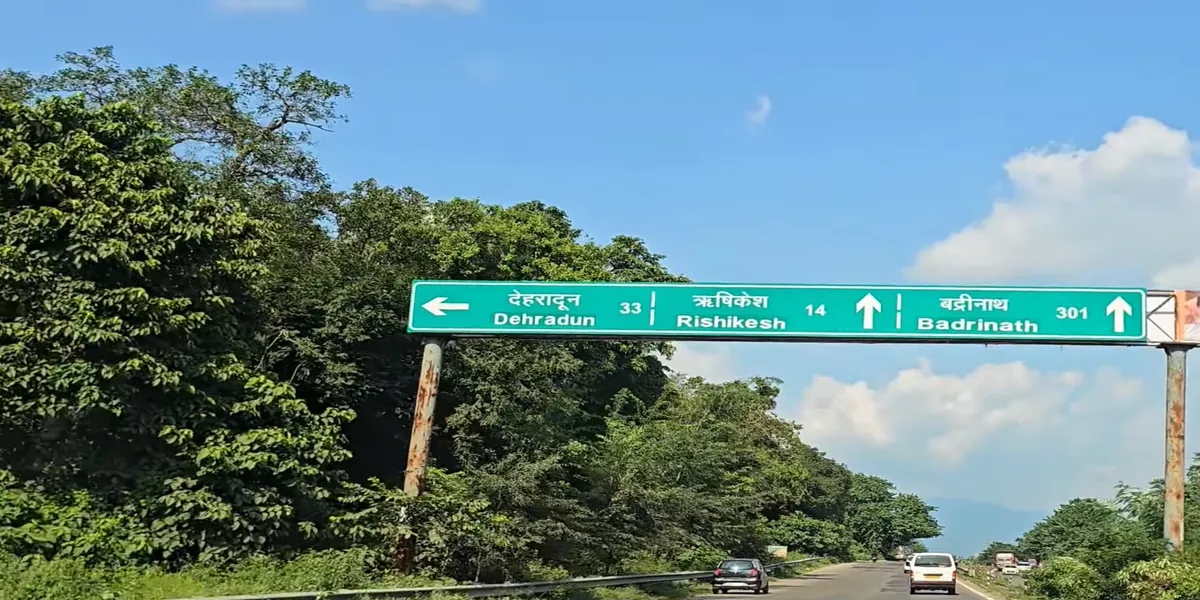
Step 1: Reach Badrinath from Haridwar/ Rishikesh
- By Air + Road: The Jolly Grant Airport in Dehradun is the nearest airport to Badrinath. Many direct flights run daily from major cities, including Delhi, Mumbai, and more to the Dehradun Airport. From there, you can hire direct taxi/cab to reach Badrinath.
- By Train + Road: Haridwar and Rishikesh are the nearest railway stations to Badrinath. Daily direct trains are available from major cities, such as Delhi, Mumbai, Dehradun, and more. From the railway station, you can take bus, cab, or taxi to reach Badrinath.
Check out our blog on "How to reach Badrinath from Haridwar and Rishikesh" for complete guide.
- By Road: Badrinath is well-connected to major cities by road route passing through Joshimath Uttarakhand. You can reach here by driving or either by bus or taxi/cab.
Pro Tips: Long road travel can cause motion sickness, dizziness, and fatigue. Stay at Joshimath to acclimatize, then continue further Joshimath to Badrinath distance by road comfortably.
Step 2: Reaching Brahma Kapal from Badrinath temple
Once you reach Badrinath, take an exit from the temple complex. Walk towards the Alaknanda River. Follow the signboard of Brahma Kapal in Badrinath. A short walk of around 10-15 minutes leads you to the site. Brahma Kapal from Badrinath distance is just 200 meters.
The path to the sacred site is well-maintained and suitable for all the visitors, especially for elderly pilgrims.
Best Time To Visit Brahma Kapal
The best time for Brahma Kapal is aligned to the best time to visit Badrinath, from May to June and September to October, when the shrine and surrounding sites are accessible.
Ideal Time To Visit
- Summer season (May to June): It is considered the peak pilgrimage season, with pleasant weather and clear skies, an ideal time to perform rituals like Pind Daan and Tarpan. But it is expected to receive a rush of pilgrims due to the Char Dham Yatra.
- Autumn season (Sep-Oct): Another pleasant time of the year, offering clear weather after the monsoon and fewer crowds compared to summer, perfect for a peaceful ritual and darshan experience.
Season/Months To Avoid
- Monsoon season (July-August): Receives heavy rainfall, leading to landslides, road blocks, and flash floods, affecting accessibility. Rituals are performed during this time, but travel is not recommended due to safety reasons.
- Winter Season (Nov-Apr): This region experiences extremely harsh weather and heavy rainfall, making it inaccessible, including the Badrinath temple and Brahma Kapal.

What is the best time to perform rituals at Brahma Kapal Badrinath?
Early Morning to Noon: The most auspicious time is early morning after the Badrinath darshan, to perform ancestral rituals. Priests mostly prefer this time for ritual completion.
Pro Tips: The whole ritual during the puja usually takes 1 to 1.5 hours, including recitations of mantras, offerings, and final prayer rituals, so visit early to avoid rush.
Rituals At Brahma Kapal
Brahma Kapal is a primary spot for performing ancestral rituals. It is a core belief that rituals performed here help ancestors attain salvation and peace.
Key Rituals that are performed at Brahma Kapal:
- Pind Daan: It is the primary ritual performed at Brahma Kapal. It includes a ritual of seven spherical pinds of rice, barley flour mixed with ghee, and sesame seeds, which are offered to ancestors.
- Tarpan: A ritual of offering water mixed with black sesame seeds and accompanied by Vedic mantras to satisfy the souls of ancestors.
- Associated Offering: It often includes Brahmin Bhojan, Daksheena, and Vastra Daan to enhance the merit of the ceremony.
- Special Pujas: Special rituals like Pitra Dosha Nivaran are conducted to remove Karmic ancestral blocks and bring peace to the family.
What is the Cost of Pind Daan at Brahma Kapal Badrinath?
The cost of performing Pind Daan at Badrinath generally ranges from ₹3,000 to ₹7,000, depending on the performed rituals, timings, offerings, and priests.
Places To Visit Near Brahma Kapal
There are several spiritual and scenic attractions to explore near Brahma Kapal Badrinath after performing sacred rituals. Here are some nearby places to the site.
Badrinath Temple
A sacred abode of Lord Vishnu, located just a short distance of around 200 meters from Brahma Kapal. Visiting the Badrinath temple after performing the Badrinath rituals is considered highly auspicious and spiritually fulfilling. The Badrinath Temple is the main site and an integral part of the Himalayan pilgrimage circuit.
You can also check out our blog on "Places to visit near Badrinath Temple" for more information.
Tapt Kund
Tapt Kund, a sacred natural hot water spring located at the entrance of the Badrinath Temple. Holding significance, believed that taking a bath in its holy water relieves devotees from any pain and heals them due to its medicinal properties. Pilgrims often take a dip before entering the shrine to cleanse sins and purify soul.
Mata Murti Temple
A sacred temple dedicated to Mata Murti, believed to be the mother of Lord Narayan. Located just 3 km from the main Badrinath temple and associated with Mata Murti Ka Mela, an annual fair. It reflects the divine motherhood and devotion, making it a significant site for the devotees visiting Badrinath.
Mana Village
Mana Village is a picturesque village often called the first village of India, sits on the Indo-Tibetan Border, just 4.3 km from Badrinath. It is widely known for sacred caves, including Vyas Gufa and Ganesh Gufa, a rich tibetan culture, and unique flora and fauna. The village features the first tea shop of India and the giant rock, Bheem Pul over the Saraswati River.
Charan Paduka
Charan Paduka is a sacred rock footprint of Lord Vishnu, located just 3 km away from the Badrinath temple. It is believed Lord Vishnu placed his first step on earth during their descent from his celestial home, Vaikunth Dham. It is accessible by a short but strenuous trek via Rishiganga waterfall, offering serene views of surroundings.
Vasudhara Falls
Vasudhara Falls is a majestic waterfall near Mana village. Located 9 km away from Badrinath. It cascades from 400 feet and holds significance as a belief that the water of Vasudhara waterfall falls only on people with pure hearts and turns away from sinners. It is accessible by a 6 km trek from Mana Village.
Pro Tips For Pilgrims Visiting Brahma Kapal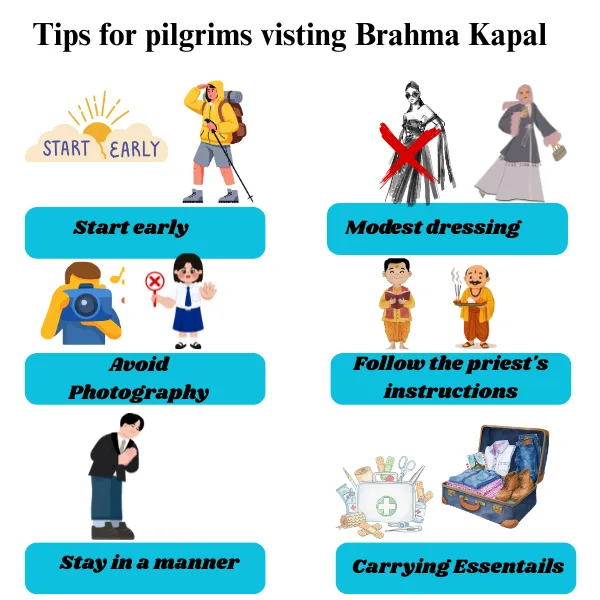
- Start Early: Begin your journey early to cover nearby places with comfort.
- Modest Dressing: Wear simple and modest attire, ensuring to cover knees and shoulders. Avoid Western attire and short clothes.
- Avoid Photography: Don’t click pictures during the rituals, as it creates disturbance during the puja rituals.
- Follow Instructions: Follow the rules and instructions given by the priests.
- Maintain Decorum: Maintain silence, don’t make any noise during the rituals.
- Carrying Essentials: Pack warm clothes, light snacks, cash, a medical kit, etc.
- Health & Safety Tips: Do not push yourself, stay hydrated, and acclimate properly to avoid altitude sickness.
Conclusion
Brahma Kapal Badrinath is a deep spiritual and emotional place where faith, devotion, and Moksha come together. Performing rituals at this sacred spot is believed to free the souls of ancestors.
The site is surrounded by the divine presence of Lord Vishnu and the serene Himalayan landscape, offering an opportunity for deep reflection and surrender. A visit to Brahma Kapal during the Badrinath yatra leaves devotees with a sense of inner peace and spiritual fulfillment.
FAQs
1. What is the significance of Brahma Kapal?
The Brahma Kapal in Badrinath holds immense significance, believed to be a site of ancestral liberation (Pitra Moksha), where prayers, rituals, and offerings are performed to the departed souls, to free them from the cycle of birth and death.
2. Is Pind Daan compulsory at Brahma Kapal?
No Pind Daan is compulsory at Brahma Kapal, but it is considered a religious obligation and auspicious duty to free the souls of departed ancestors.
3. What to wear during pind daan?
Wear traditional and modest attire during Pind daan. Avoid western clothes and choose comfortable clothing to perform rituals. Make sure to cover your legs and shoulders properly.
4. Can Women perform rituals at Brahma Kapal?
Yes, women can visit and perform rituals with the guidance of a priest at this sacred site. There is no restrictions on womens for performing rituals at Brahma Kapal Badrinath.
5. Is Brahma Kapal open throughout the year?
No, Brahma Kapal is not open throughout the year. It is accessible only during the opening of Badrinath temple, from May to June and September to October, and is closed during the winter from November to April.
May Like List |