
Nestled in the Garhwal Himalayas of Uttarakhand, Kedarnath Temple is one of the most sacred shrines dedicated to Lord Shiva. Standing at an altitude of 3,583 meters (11,755 feet), it is part of the Panch Kedar and an important pilgrimage site in the Char Dham Yatra circuit.
These 10 interesting facts about Kedarnath Temple reveal why this ancient stone shrine is far more than just a religious destination. From surviving the devastating 2013 floods to being buried under snow for centuries, the temple carries stories of resilience, mystery, and deep spiritual significance. Every year, millions of devotees and travelers visit to witness its divine aura and breathtaking Himalayan setting.
Those planning their pilgrimage can explore the complete Kedarnath tour package details, including travel itinerary and stay arrangements.
Before exploring these amazing and unknown facts about Kedarnath Temple, let’s take a quick look at some essential highlights of this sacred site.
Quick Facts About Kedarnath Temple
| Facts | Detail |
| Location: | Rudraprayag district of Uttarakhand |
| Height | 11,755 feet (3583 meters) |
|
Flowing river:
|
Mandakini River |
|
Opening period:
|
May to October (peak pilgrimage season) |
| Closing period: | November to April (winter period) |
| Temple Darshan Timing: | 6:00 A.M to 12:00 p.m., noon, and 3:00 p.m to 9:00 p.m. |
| Highlights: | Adi Shankaracharya Samadhi, Bhairavnath temple, and snow-capped peaks. |
10 Amazing and Unknown Facts About Kedarnath Temple
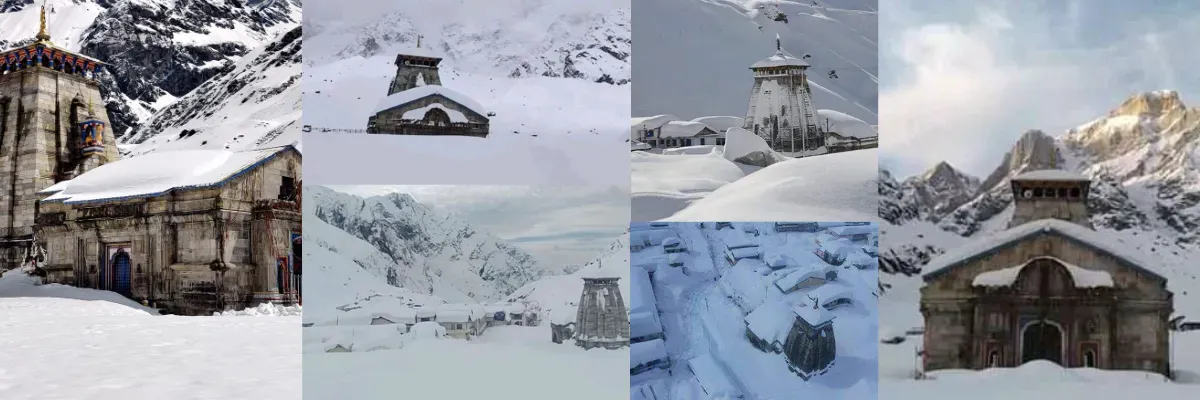
1. Kedarnath Temple Was Buried Under Snow for Over 400 Years
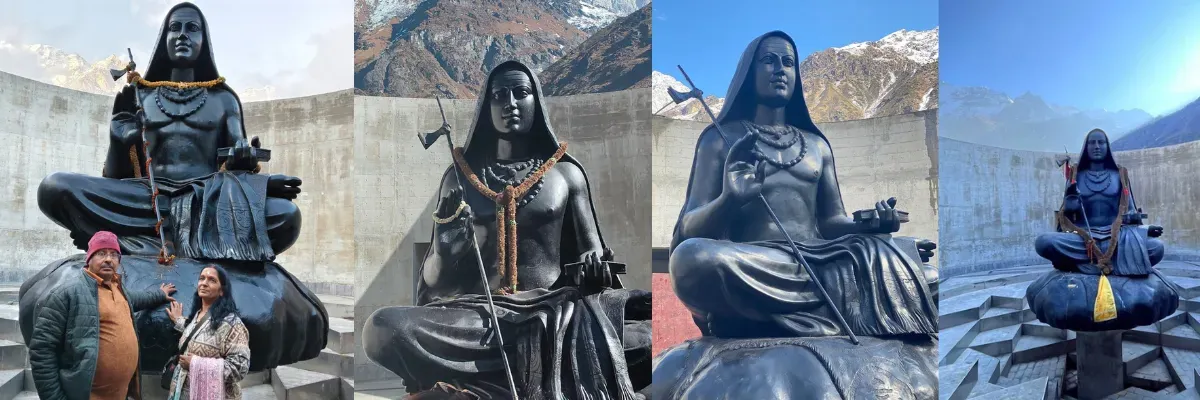
2. Built by the Pandavas and Revived by Adi Shankaracharya
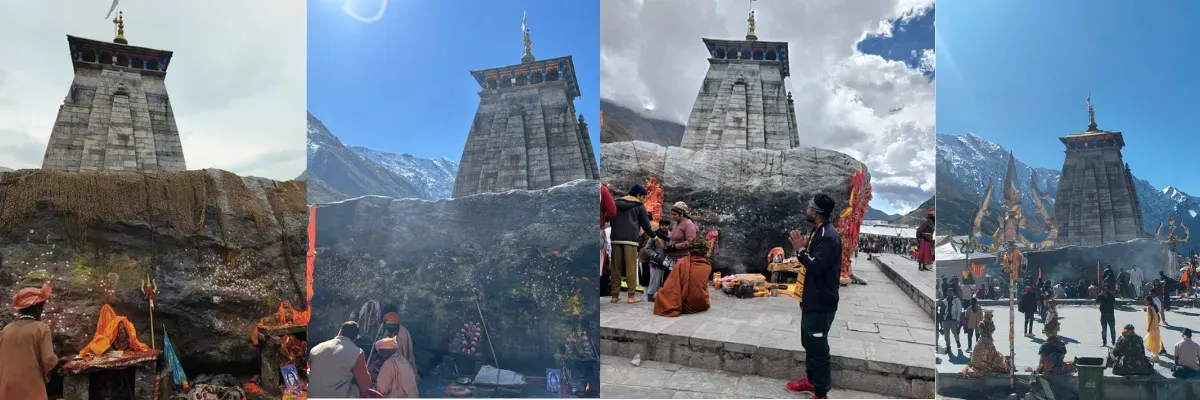
3. The Divine Protector – Bhim Shila and the 2013 Flood
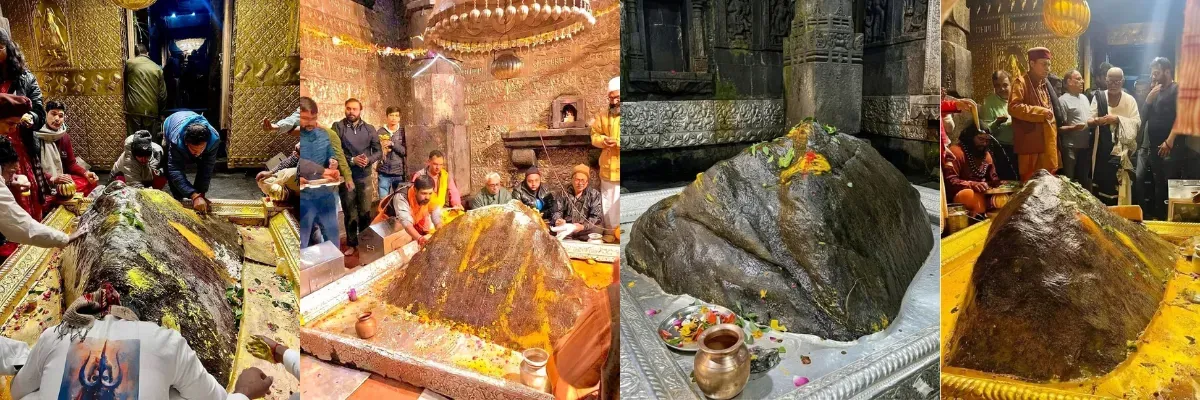
4. Unique Triangular Hump-Shaped Shivling
5. The Head Priest Comes from Karnataka
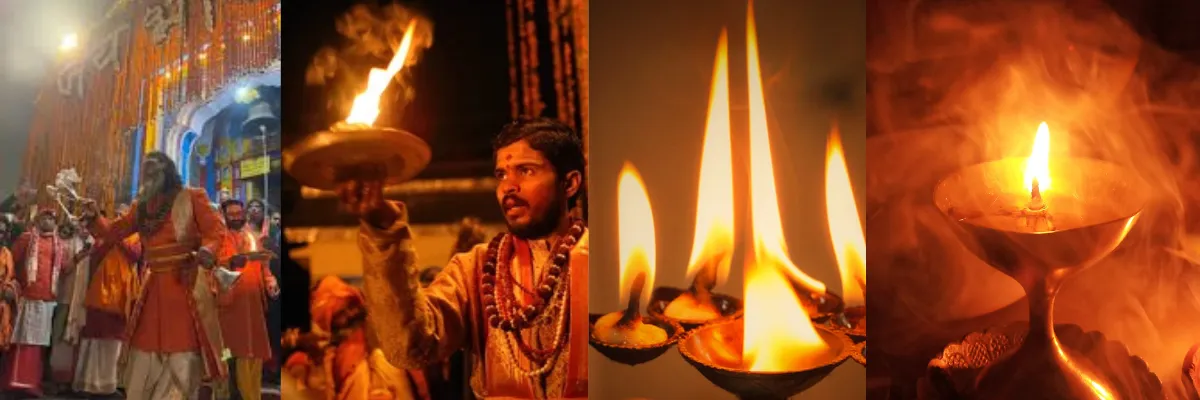
6. Rituals Are Performed in Kannada
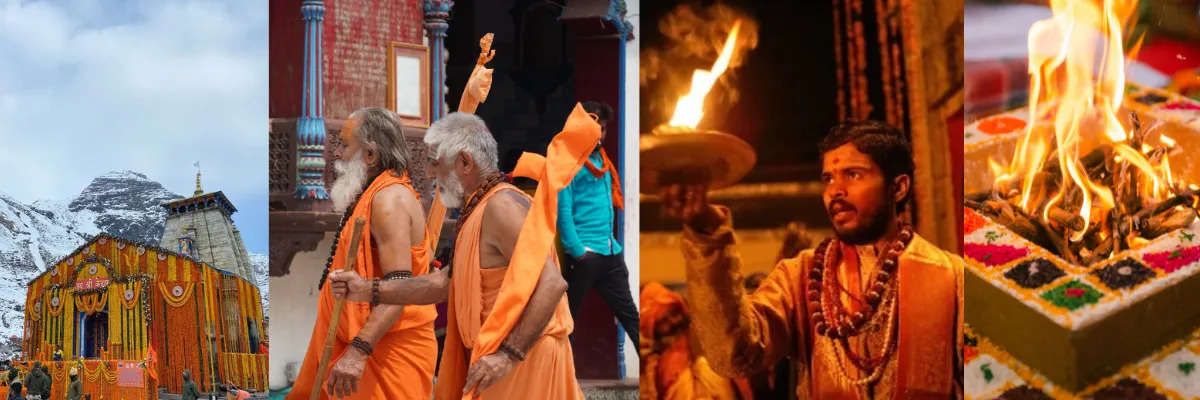
7. One of the Highest Jyotirlingas
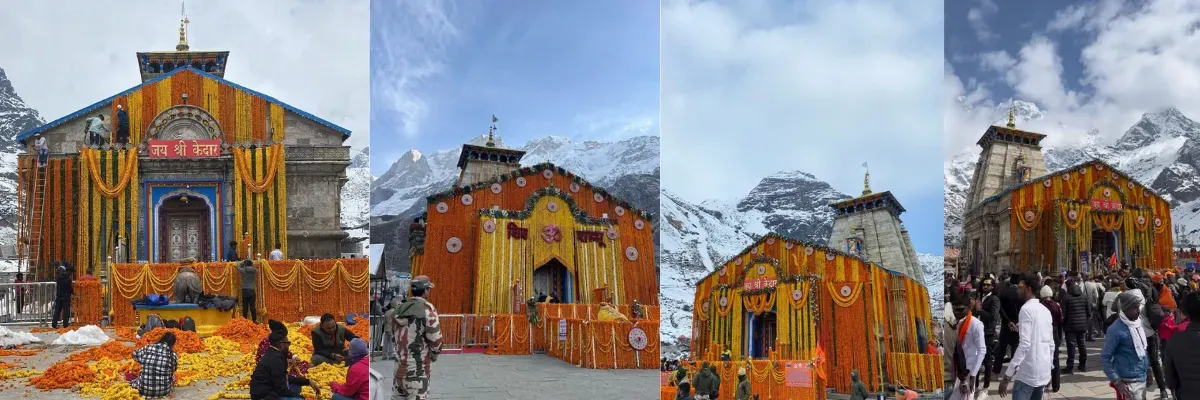
8. Six-Month Winter Migration of the Idol
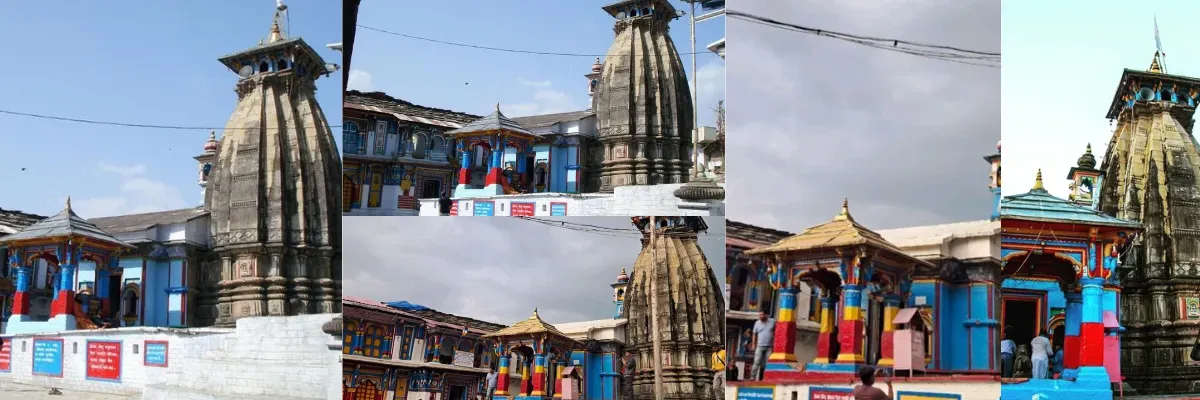
9. The Akhand Jyoti – The Eternal Flame
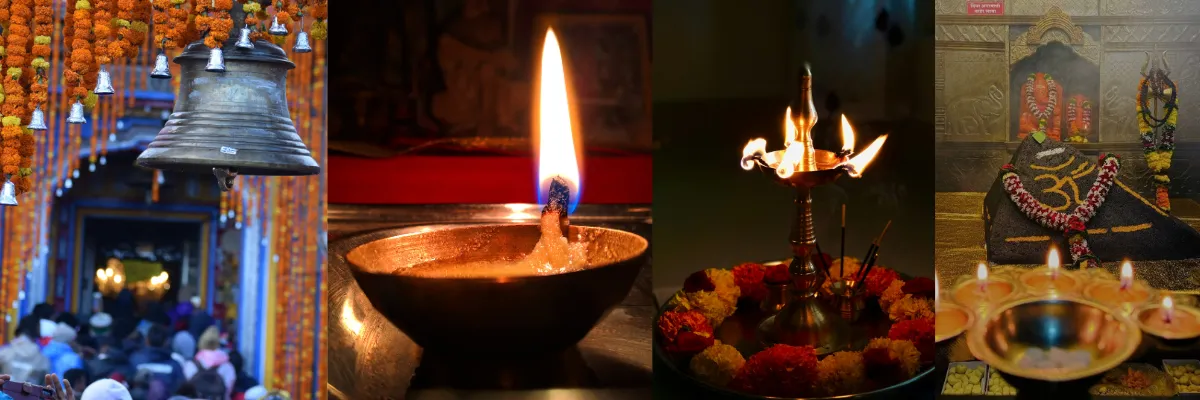
10. Bhairavnath – The Guardian of Kedarnath
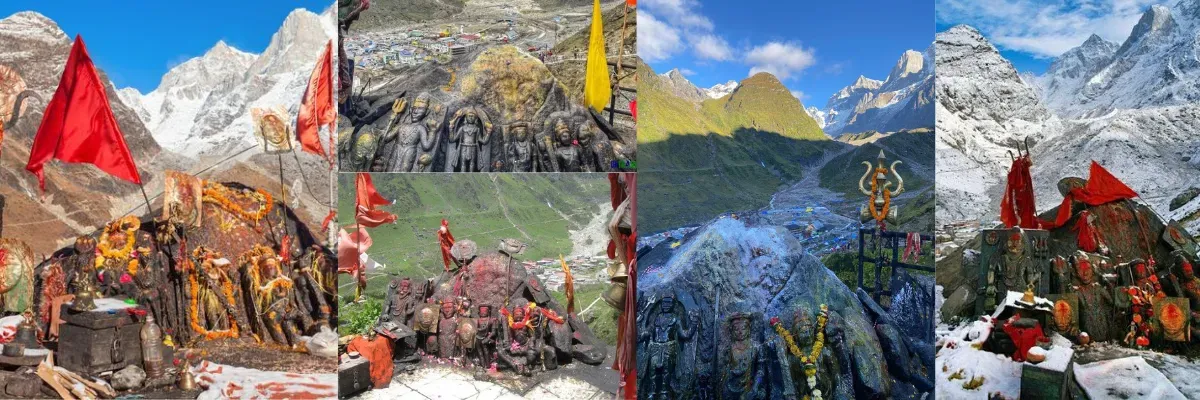
FAQs- Related To Kedarnath Facts
1. What is special about the Kedarnath temple?
Kedarnath Temple is special because it is one of the 12 Jyotirlingas of Lord Shiva and part of the Panch Kedar pilgrimage. Located at 11,755 feet in the Himalayas, it is also one of the highest and most sacred Shiva temples in India.
2. Who is the guardian of the Kedarnath temple?
The guardian deity of Kedarnath Temple is Lord Bhairavnath. His temple, located about 500 meters uphill, is believed to protect the Kedar Valley during the harsh winter months.
3. Who is the main pandit of the Kedarnath temple?
The chief priest of Kedarnath Temple is known as the Rawal. He belongs to the Veerashaiva community of Karnataka and oversees the temple’s religious traditions and rituals.
4. Where is the Kedarnath idol kept in winter?
The idol of Kedarnath is shifted to the Omkareshwar temple of Ukhimath during the winter, when the main temple is closed.
5. How did the Kedarnath temple survive the 2013 flood?
Kedarnath Temple survived the 2013 Uttarakhand floods when a massive boulder, known as Bhim Shila, stopped behind the shrine and diverted the flow of floodwaters, preventing major structural damage.
6. Why Is Kedarnath Temple Famous?
Kedarnath Temple is famous for being one of the 12 Jyotirlingas of Lord Shiva and a key shrine in the Char Dham Yatra. Located at an altitude of 11,755 feet in the Garhwal Himalayas, it is one of the highest and most sacred Shiva temples in India. The temple is also renowned for its ancient stone architecture, its connection to the Pandavas, and its remarkable survival during the 2013 Uttarakhand floods.
7. Why Is the Shivling Different in Kedarnath?
The Shivling at Kedarnath is different because it is naturally triangular in shape, unlike the typical cylindrical Shiva lingams found in most temples. It is believed to represent the hump of Lord Shiva in his bull form (Nandi), which makes it spiritually unique among the 12 Jyotirlingas.