
Brahmatal Temperature, Weather and Best Time to Go
Category: Travel | Updated On: August 9, 2026 | Published: September 8, 2025

Introduction
Planning for the Brahmatal trek, but worried about the snowfall or extreme climatic conditions? Here are the complete details about Brahmatal temperature, weather conditions, and the best time to go.
The beautiful Brahmatal trek reaches an altitude of 12,250 feet at its summit, in the Chamoli district of Uttarakhand, in the lap of the Himalaya. You can visit this trek any time of year, and each season has its own character, but it's most famous as a winter trek. If you're planning to visit this winter, you should be well aware of Brahmatal's temperature and weather conditions. If you book your trek with Manchala Mushafir, you don't need to worry - our team keeps a regular check on Brahmatal's climatic conditions and will suggest the best time to visit based on current temperature, weather forecasts, and our data from previous years.
Month-Wise Brahmatal Temperature
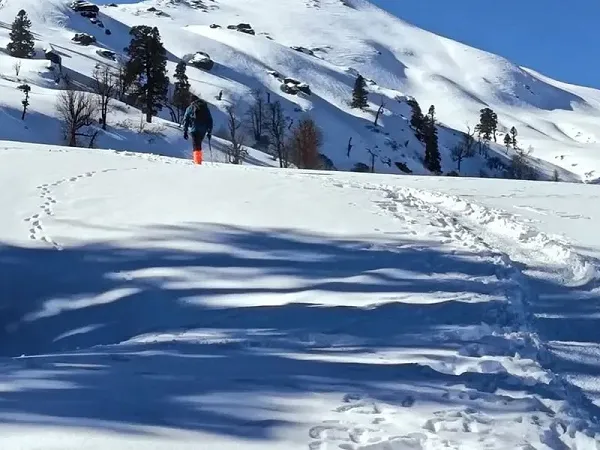
Brahmatal's temperature fluctuates significantly throughout the year, especially between day and night - the higher you climb, the colder it gets. Here is the month-wise breakdown of Brahmatal trek temperature:
| Month | Day (Max) | Night (Min) | Snow | Recommended for Trekking |
| January | 5°C | -8°C | Heavy | Yes - peak winter |
| February | 6°C | -5°C | Heavy | Yes - peak winter |
| March | 10°C | -2°C | Patchy, melting | Yes |
| April | 15°C | 0°C | Minimal at altitude | Yes |
| May | 18°C | 5°C | None | Not recommended |
| June | 23°C | 10°C | None | Not recommended |
| July | 22°C | 9°C | None (heavy rain) | No - monsoon |
| August | 17°C | 6°C | None (heavy rain) | No - monsoon |
| September | 20°C | 4°C | None | Not recommended |
| October | 18°C | 0°C | None, early season | Yes |
| November | 13°C | -2°C | First snowfall possible | Yes |
| December | 8°C | -3°C | Moderate to heavy | Yes |
January is the coldest month on the Brahmatal trek, with nights dropping to around -8°C. Note that from December to February, wind chill at the exposed summit ridge can make it feel considerably colder than these air temperatures alone suggest.
Brahmatal Temperature by Altitude
Temperature on the Brahmatal trek drops noticeably as you gain altitude along the route. Using the standard mountain cooling rate of roughly 2°C per 1,000 feet gained, here's what to expect at each stage during peak winter (December-January) - treat these as estimated ranges rather than precise readings, since actual conditions vary with wind, cloud cover and time of day:
| Location | Altitude | Winter Night Temperature (estimated) |
| Lohajung (base camp) | 7,600 ft | -3°C to -8°C (as recorded) |
| Bekaltal | 9,900 ft | Roughly 4-5°C colder than Lohajung |
| Brahmatal Lake | 10,450 ft | Roughly 5-6°C colder than Lohajung |
| Brahmatal Top (summit) | 12,250 ft | Often -12°C to -15°C on clear winter nights, before wind chill |
For more on the trail itself at each of these stages, see our Brahmatal Trek Package itinerary, or check current conditions at the base camp on our Lohajung village guide.
Brahmatal Trek Winter Conditions: Daylight, Wind Chill & Snow
Beyond the raw temperature, a few practical factors shape what a winter Brahmatal trek actually feels like on the ground.
Sunrise, Sunset and Daylight Hours at Brahmatal
Winter days are short at this latitude and altitude, which affects how early you need to start each day's trek. Here's the daylight window at Brahmatal (30.18°N, 79.59°E) through the winter and spring trekking season:
| Date | Sunrise | Sunset | Daylight |
| 1 January | ~7:09 AM | ~5:23 PM | ~10h 14m |
| 1 February | ~7:04 AM | ~5:48 PM | ~10h 44m |
| 1 March | ~6:41 AM | ~6:11 PM | ~11h 30m |
In January, you have only around 10¼ hours of daylight - noticeably less than the ~11½ hours by early March. Plan winter trekking days, especially the summit push, to start early and finish with a safety margin before dusk, since snow and ice can slow walking speed. Twilight continues a while after sunset, but on a snow-covered mountain trail it's best to be back at camp well before dark.
Source: location-specific sunrise/sunset calculations for Brahmatal, Chamoli district, via sunrise.maplogs.com - verified against the trek's actual coordinates rather than nearby cities like Dehradun.
How Cold Does Brahmatal Feel in Winter? (Wind Chill)
The air temperature alone doesn't tell the whole story. On an exposed ridge, wind increases how fast your body loses heat, which is why it can feel far colder than the thermometer suggests - this is wind chill. As an illustration of the effect (not a measured Brahmatal reading): air at -5°C with a 30 km/h wind can feel closer to -13°C on exposed skin. Brahmatal's upper sections, particularly the summit ridge, are exposed to wind, so pack for how cold it can feel, not just the stated air temperature - a proper insulated jacket, thermal base layers, a windproof outer shell, warm gloves, and a woollen cap are essential for the summit push.
How Much Snow Does Brahmatal Get?
We don't publish a fixed "X inches per month" figure here, because we couldn't find a reliable, publicly available snow-depth record measured at Brahmatal itself - and snowfall and snow depth aren't the same thing anyway. How much snow sits on the trail depends on recent snowfall, melting, wind redistribution, and altitude, not just the calendar month. What's reliably true: December through February is when winter weather systems are most likely to bring significant snow to this altitude range, snow becomes more consistent the higher you climb above Lohajung, and conditions can vary meaningfully from one year - or one week - to the next. Trekking with an operator who tracks current conditions (rather than relying on a fixed seasonal average) matters more here than an exact number would.
Can Water Freeze at Brahmatal Campsites?
Yes. Water freezes at 0°C, and overnight temperatures at Brahmatal's higher camps regularly fall well below that in winter. Exposed water bottles, pipes and shallow water sources can freeze solid overnight. Keep drinking water insulated (inside your sleeping bag or jacket overnight works well) and don't rely on an exposed water source being usable first thing in the morning.
Brahmatal Weather Breakdown
It is crucial to understand the Brahmatal trek weather and vibe of every month for an enjoyable journey, because conditions can change dramatically from one season to the next. Here is a proper breakdown of Brahmatal weather:
January to February: These months are considered the heart of winter for trekkers. The entire landscape converts into a white wonderland, covered in thick snow, with Brahmatal temperature in January reaching -8°C at night and around 5°C in the day. Brahmatal trek temperature in February rises slightly, with day temperatures around 6°C and nights down to -5°C - still a chilling temperature. The entire trail is buried in knee-deep snow, and both Brahmatal and Bekaltal are completely frozen. Days are short and the air is crisp, but trekking through a snow-covered forest is truly magical.
March to April: These months are the spring season, when the weather is a delightful mix of cool and pleasant. Snow starts to melt, revealing the vibrant greens of the meadows. The main highlight of this season is the blooming rhododendron flowers, covering the forest in shades of red and pink. The atmosphere feels fresh and alive, and the mountains are generally clear. These months are best for trekkers who want to experience both a little snow at higher altitudes and blossoming flora. Brahmatal weather in April is more pleasant and stable, with clear views of the snow-capped peaks.
May to June: These are the summer months - by now the snow is almost completely gone and the weather is quite pleasant and sunny. The trekking paths are filled with lush green scenery and blooming wildflowers, and the lakes are no longer frozen. Here at Manchala Mushafir, we never recommend the Brahmatal trek during the summer season. If you're looking to trek at this time, you can plan for the Valley of Flowers trek, Har Ki Dun trek, Hampta Pass trek and more. Contact us on 9311052232 and we'll help you plan the best trek.
July to August: The peak of monsoon. Heavy rainfall is frequent and trails are slippery and prone to landslides. The environment is misty and lush, but trekking is risky and difficult, with mountain views often obscured by cloud and rain. Not recommended for trekking.
September to October: After the monsoon, autumn brings clear skies and comfortable conditions. The air is crisp with breathtaking Himalayan views, and the meadows show a beautiful mix of green and brown. Perfect for photographers and those who prefer clear mountain views over snow.
November to December: As winter approaches, the weather gets colder. Meadows start to dry up, and the first snowfall often happens in December. This is a great transition period from autumn to winter, with clear skies and a high chance of snow, with Brahmatal temperature falling to around 8°C in the day and -3°C at night.
You can also refer to our guide on the best company for Brahmatal trek.
Best Time to Go on Brahmatal Trek
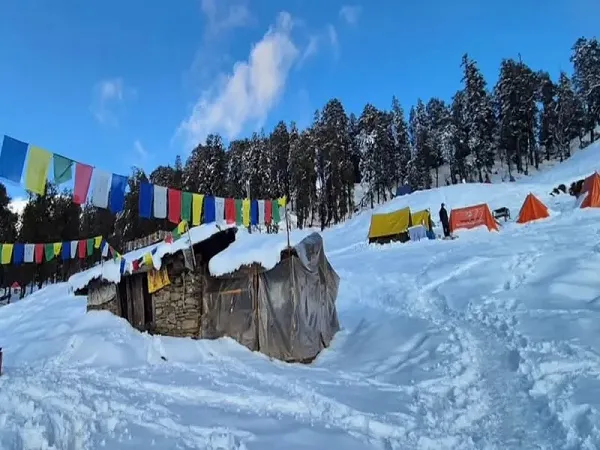
The best time for the Brahmatal trek depends entirely on your preference.
For a snow trek and frozen lake experience: If you're looking for a hardcore winter trek with heavy snowfall and knee-deep snow on the trails, then Brahmatal in winter is the best option for you. This is when the trek lives up to its reputation, and thousands of adventure lovers consider it the best time to visit for the remarkable beauty of the trails and the mesmerising view of the snow-capped peak. But Brahmatal temperature in December and January can fall to -8°C at night, with chilling wind especially at the summit, so pack carefully and be prepared.
You can also check our complete packing list for the Brahmatal trek.
For wildflowers and a mix of snow and green: March and April are ideal. You'll witness the forest floor covered in rhododendrons and still find snow patches at higher elevations.
For clear, panoramic mountain views and a comfortable trek: September and October are the best. The post-monsoon air ensures stunning, unobstructed vistas. The monsoon months of July and August should be avoided due to heavy rainfall and landslide risk - they're the most unfavourable time to visit Brahmatal.
Preparation Tips for Brahmatal Trek
Just imagine being in the middle of the Brahmatal trek when snowfall starts, but you don't have a good-quality jacket or a raincoat. Or you've walked just 2 km and you're already exhausted - you won't be able to enjoy your trek to the fullest.
Trekking is an adventure activity that takes you to tough terrain with minimal connectivity and facilities. Weather on most treks is unpredictable, and temperatures on the Brahmatal trek fall drastically at night during the winter season, so good preparation is necessary to enjoy the trek and stay fit throughout. Here are a few tips to help you enjoy your Brahmatal trek even in the worst climatic conditions.
Layered Clothing
To keep your body comfortable and protected from extreme weather while trekking in the mountains, wear layered clothing. Pack a thermal base layer, shirts, an insulating fleece jacket, and a waterproof or windproof outer layer so you can handle even sub-zero temperatures on the Brahmatal trek.
Essential Gear
Pack a good pair of waterproof trekking shoes with high ankle support to help you handle sturdy mountain terrain. Also carry a trekking backpack with a rain cover, a headlamp, and trekking poles for stability. If you're trekking in December or January, you'll also need crampons and gaiters to protect your legs from snow and give you good grip on slippery ground. If you're booking your Brahmatal trek package with Manchala Mushafir, you don't need to worry - we provide crampons and gaiters as part of the package at no extra cost. If you're not travelling with us and don't have some or all of these items, you can also rent them from the shops at Lohajung village.
Stay Hydrated and Nourished
For the Brahmatal trek or any other high-altitude trek, always carry high-energy snacks like nuts, dry fruits and energy bars. Drink plenty of water throughout the day to keep your body hydrated.
Medical Kit
Pack a basic first-aid kit with pain relievers, bandages, and any personal medications. It's also wise to be aware of altitude sickness symptoms, especially if you're prone to them - speak to a doctor before the trek if you have any concerns.
Conclusion
The Brahmatal trek is very beautiful and famous as a winter trek, but climatic conditions can be unpredictable, especially in December and January, when Brahmatal temperature can fall to around -8°C at night. It's wise to stay updated on the trek's weather conditions before planning your trip. We've tried to create a detailed guide on Brahmatal temperature, weather and the best time to visit, but if you still have any doubts, feel free to contact us on 9311052232 and we'll help you choose the best time for the Brahmatal trek as per your preference.
FAQs
Is there snowfall in Brahmatal?
Yes, Brahmatal receives heavy snowfall from December through February, which is exactly why it's one of India's most popular winter treks. Snow can also appear as early as November and linger into March at higher altitudes.
What is the climate in Brahmatal?
Brahmatal has a cold, high-altitude Himalayan climate. Winters (December-February) are sub-zero at night with heavy snow, spring (March-April) is mild with melting snow and blooming rhododendrons, summers (May-June) are pleasant but not recommended for trekking, and monsoon (July-August) brings heavy rain and landslide risk.
How difficult is Brahmatal Trek?
Brahmatal is rated a Moderate-difficulty trek, suitable for reasonably fit beginners and intermediate trekkers. The trail gets more demanding from Day 3 onward, with a steep, snow-covered summit push that requires crampons in winter.
Which is better, Kedarkantha or Brahmatal?
Both are good winter treks in their own right. Kedarkantha is easier, more crowded, and better suited as a first winter trek. Brahmatal is slightly tougher, quieter, and offers more solitary views of frozen lakes and peaks. See our detailed Kedarkantha vs Brahmatal comparison to decide.
What is the coldest month on Brahmatal trek?
January is the coldest month on the Brahmatal trek, with night temperatures dropping to around -8°C at Lohajung and considerably colder at higher camps and the summit.
How cold does it get at night on Brahmatal?
At the Lohajung base camp, winter nights drop to around -3°C to -8°C depending on the month. Higher up, at Brahmatal Lake and the summit, night temperatures in peak winter can fall well below -10°C, especially with wind chill.
Does Brahmatal lake freeze completely, and in which month?
Yes, Brahmatal lake typically freezes over during peak winter, usually by late December through February, when night temperatures at that altitude consistently stay well below freezing.