
Lohajung Village Uttarakhand: Gateway to Himalayan Treks
Category: Travel | Updated On: July 15, 2026 | Published: October 16, 2023
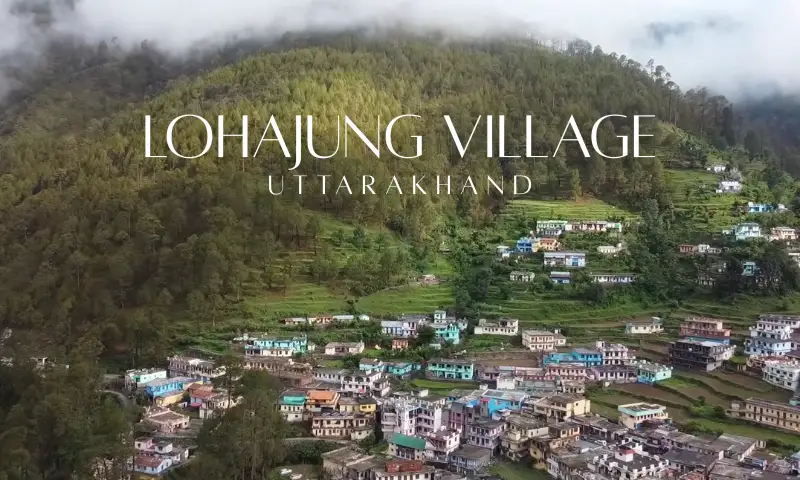
About Lohajung Uttarakhand
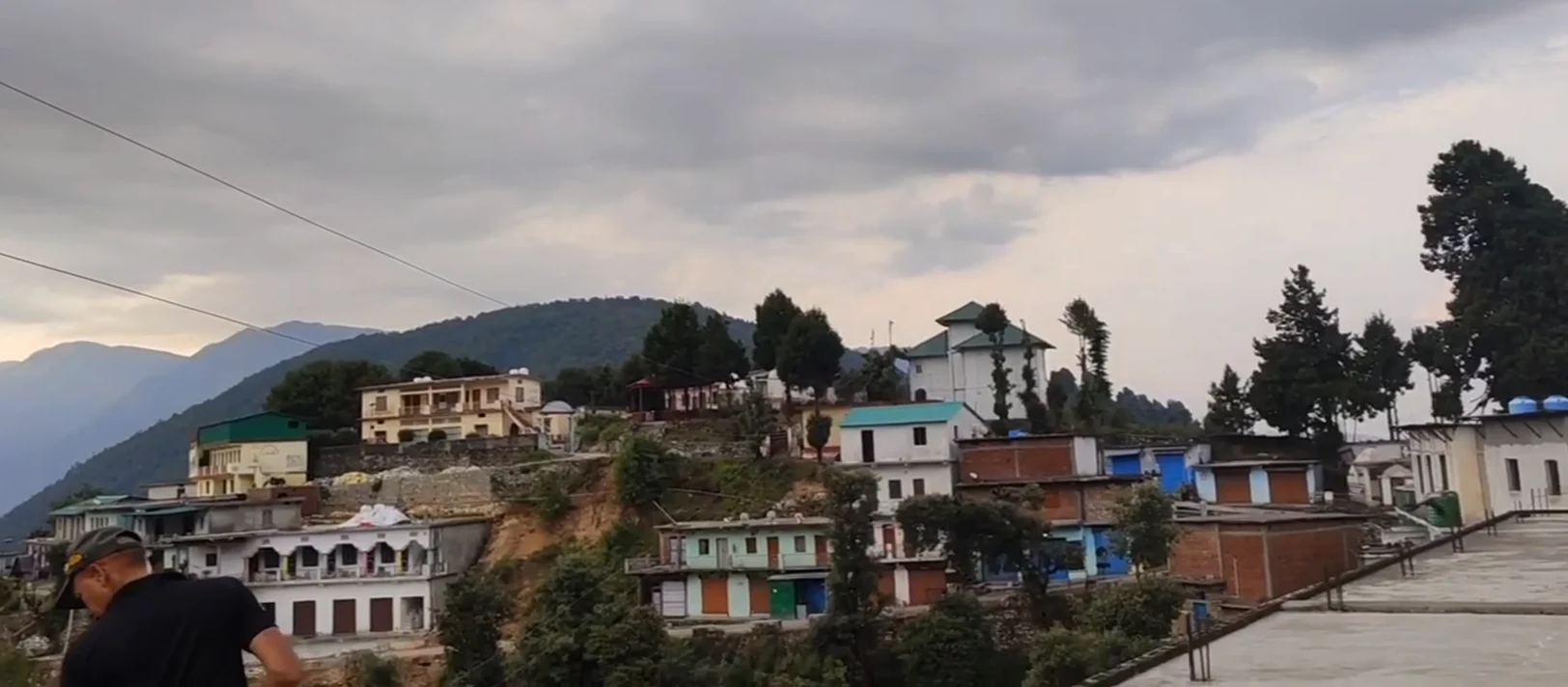
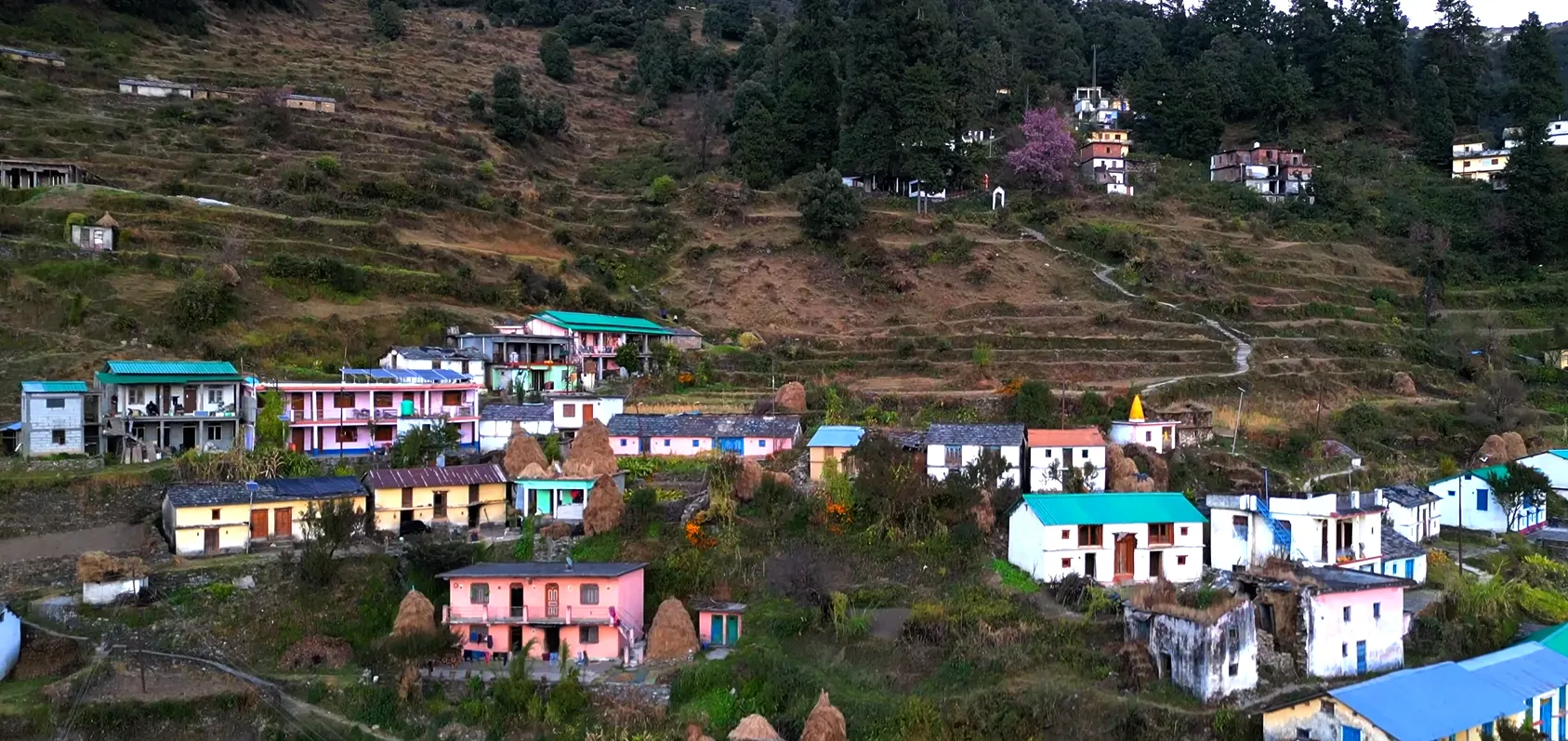
Lohajung is a small hamlet in the Chamoli district of Uttarakhand, popular as the "Mini Mussoorie of Uttarakhand" due to its beautiful landscape, but with a much more tranquil and uncommercialised experience. This small village is known for its beautiful spread of pastures and the cultivation of Chaulai (amaranth) crops. This crop grows in three different colour variants: pink, red, and yellow, making the village look even more beautiful.
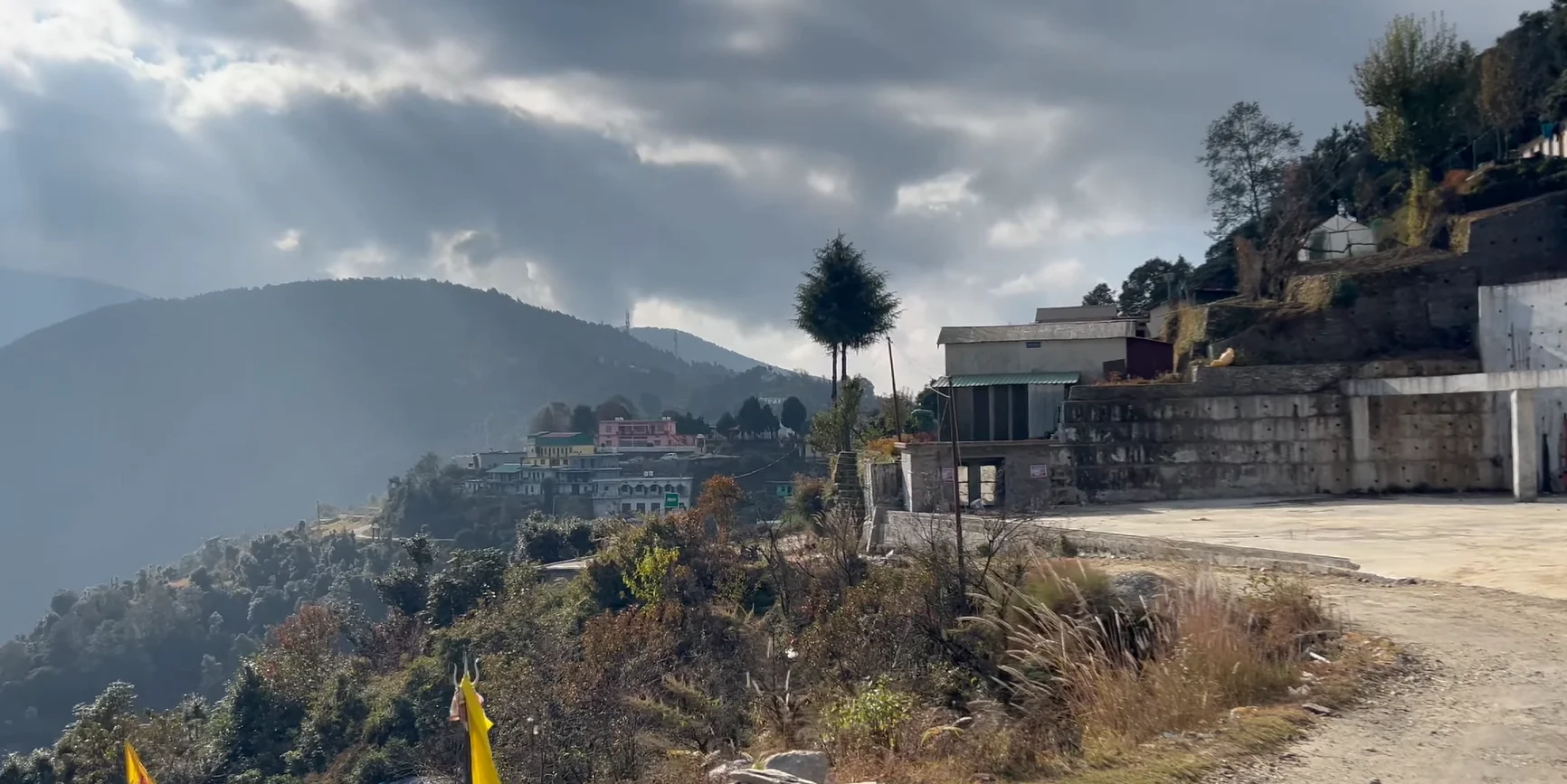
Lohajung village in Uttarakhand is also famous as a base camp for several famous trekking destinations, including Ronti Saddle, Ali Bedni Bugyal, Roopkund Trek, and Brahmatal Trek. This small town offers various facilities, including homestays, campstays, and good-quality North Indian cuisine, tea, and snacks, making it an ideal base camp for trekkers.
If you are planning any of these treks or want to explore this small Himalayan village, you should know some important things - location, best time, temperature, weather, local stories, how to reach, where to stay, and more - for a comfortable experience. So let's start.
Quick Facts about Lohajung Village
| Location | Within the Garhwal Himalayas of Chamoli District in Uttarakhand, India |
| State | Uttarakhand, India |
| District | Chamoli District |
| Altitude | 2,300 meters (7,545 feet) |
| Meaning of Lohajung | "Battle of Iron" (associated with Goddess Parvati and the demon Lohasur) |
| Nearest Village (last supplies) | Deval (last shops, fuel and reliable mobile signal on the road in) |
| Highlights | Mountain views of Trishul and Nanda Ghunti ranges |
| Best Time to Visit | Depends on your goal — see Best Time to Visit Lohajung below |
| Nearest Railway Station | Kathgodam Railway Station (210 km) |
| Nearest Airport | Jolly Grant Airport, Dehradun (270-293 km) |
| Ideal For | Trekking, camping, birdwatching & Himalayan photography |
| Starting Point | Base camp for Brahmatal, Roopkund, Ali Bedni Bugyal and Ronti Saddle treks |
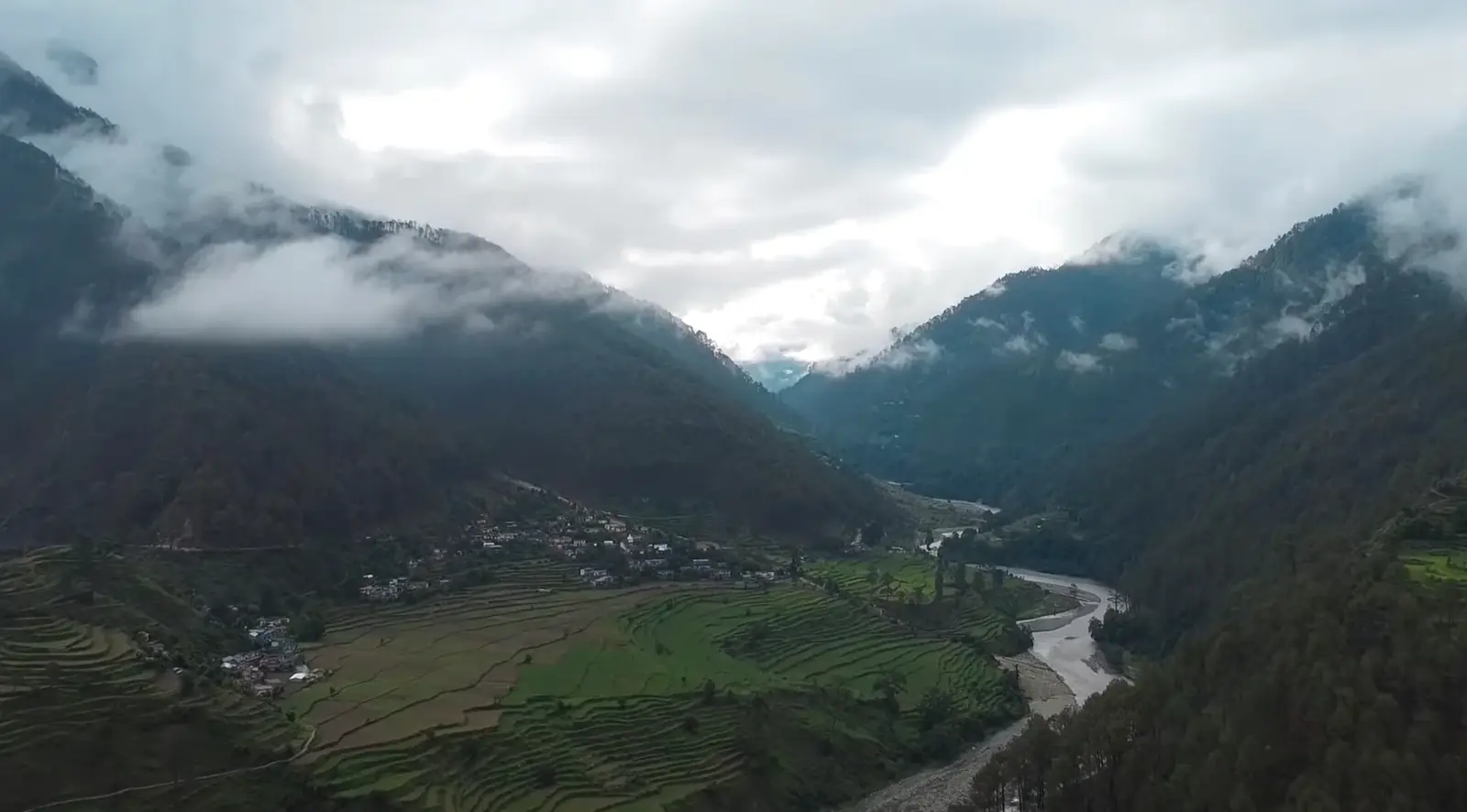
Table of Contents
- About Lohajung Uttarakhand
- What is Lohajung famous for?
- History of Lohajung Uttarakhand
- What is the story of Lohajung?
- Lohajung Weather & Temperature
- How To Reach Lohajung Uttarakhand
- Famous Treks That Start From Lohajung Village
- Where to Stay in Lohajung
- Places to Visit In and Around Lohajung
- Travel & Safety Tips for Lohajung Uttarakhand
- FAQs
- How far is Rishikesh from Lohajung?
- Does it snow in Lohajung?
- Which district is Lohajung in?
- How far is Lohajung from Delhi?
- Which treks start from Lohajung?
- Is there an ATM or mobile network in Lohajung?
- Where can I stay in Lohajung?
- Which railway station is closest to Lohajung?
- What is Lohajung known for?
What is Lohajung famous for?
Lohajung Village is famous for serving as a primary base camp for famous treks, including Brahmatal, Ali Bedni Bugyal, Ronti Saddle and the Roopkund Trek. It's also known for its peaceful environment, less-crowded hill-station feel, and beautiful tranquil Himalayan landscape. The chaulai crops grow here in three colours - pink, red and yellow - offering a colourful landscape that's part of why the village is called the "Mini Mussoorie of Uttarakhand," attracting peace-seekers and nature lovers.
Beyond this, trekkers stay here in homestays and camps under starry nights in beautiful meadows, and get a chance to experience the local culture, traditions and festivals. Lohajung is one of the most beautiful destinations in Uttarakhand and a memorable stop for many travellers, whether or not you're headed further up into the mountains.
History of Lohajung Uttarakhand
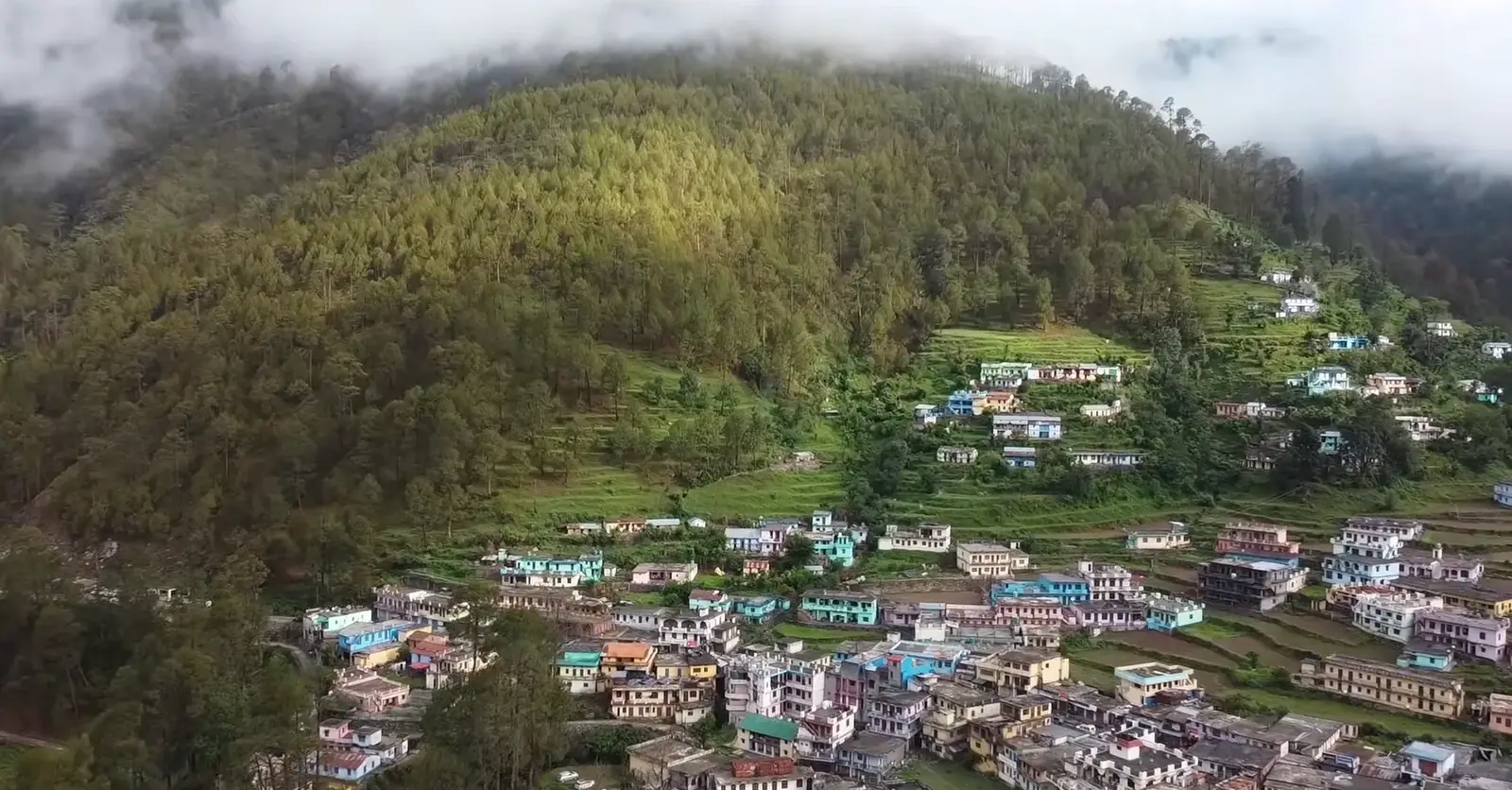
Lohajung Village wasn't always a central hub for trekkers - it used to be a transit point for trekkers and shepherds heading further into the mountain ranges, with the nearby Wan village once serving as the last stop. Over time, Lohajung gained attention for its better amenities and road accessibility as Himalayan treks, especially Brahmatal and Roopkund, grew in popularity.
As these trekking destinations gained popularity, Lohajung saw continuous development for better facilities and connectivity. Today, it's considered a major base camp and a bustling hub for trekkers, offering comfortable accommodation, Himalayan cafes, and modern facilities for travellers.
What is the story of Lohajung?
According to local folklore, Lohajung is believed to be the place where Goddess Parvati fought and defeated a demon named Lohasur at this very spot. The name "Lohajung" itself reflects this story - the "battle (jung) with the demon Lohasur." Another local legend holds that heavy rainfall during the monsoon in this region causes rust (jung) on iron (loha) left out in the open, giving the village its name a more literal origin.
Lohajung Weather & Temperature
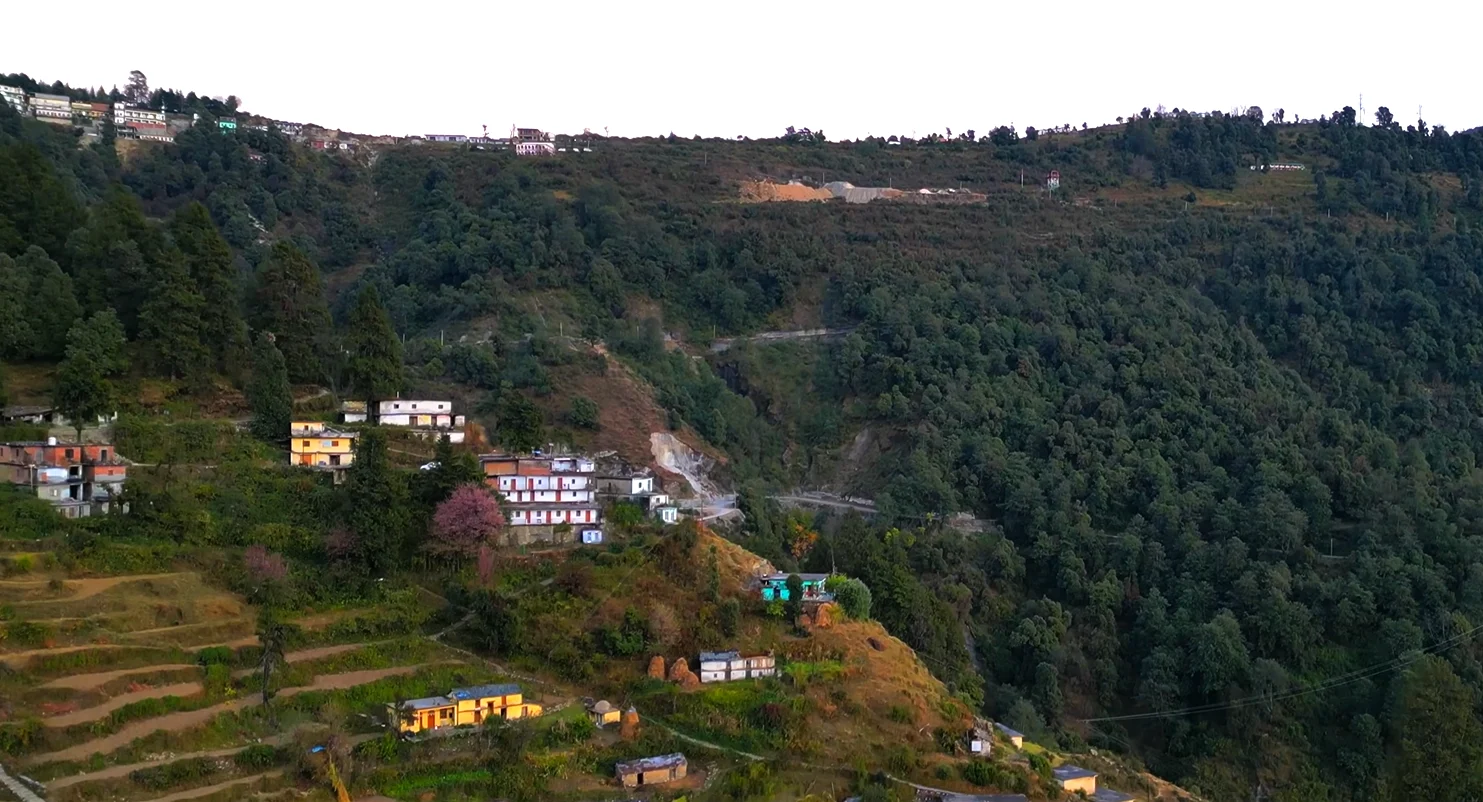
Lohajung's weather stays pleasant for most of the year, with two clear exceptions: the monsoon (wet, risky for road travel) and peak winter (cold, but exactly when trekkers come for the snow). Here's the month-by-month breakdown for the base camp itself, at 7,545 feet:
| Month | Day (Max) | Night (Min) | Conditions |
| January | 5°C | -8°C | Peak winter, heavy snow |
| February | 6°C | -5°C | Peak winter, heavy snow |
| March | 12°C | -2°C | Snow melting, spring begins |
| April | 16°C | 2°C | Mild, clear skies |
| May | 20°C | 8°C | Warm, pleasant |
| June | 20°C | 10°C | Warm, pre-monsoon |
| July | 18°C | 12°C | Monsoon - avoid road travel |
| August | 17°C | 11°C | Monsoon - avoid road travel |
| September | 18°C | 8°C | Monsoon tapers off by mid-month |
| October | 16°C | 4°C | Clear, crisp, ideal |
| November | 12°C | -2°C | Cold sets in, first snow possible |
| December | 8°C | -3°C | Winter begins, snow likely |
January is the coldest month, with nights dropping to around -8°C. Note that the monsoon in this part of Uttarakhand routinely runs into mid-September, not just July-August, so early-September travel still carries landslide risk on the approach roads. For a detailed look at conditions higher up the Brahmatal trail itself, see our Brahmatal temperature and best time guide.
Best Time to Visit Lohajung
- For snow and winter trekking (Brahmatal): late December to February, when Brahmatal and Bekaltal lakes are frozen and the meadows are under snow.
- For clear trails and long-range mountain views: March to June, once the winter snow has started melting and skies stay clear for the Trishul and Nanda Ghunti views.
- For quiet village life, photography, and the chaulai bloom: late September through November, once the monsoon clears — this is also when the pink, red and yellow amaranth crops are most visible.
- Avoid: early July to mid-September. As above, this stretch runs later than most guides admit, and the approach roads carry real landslide risk into mid-September.
How To Reach Lohajung Uttarakhand
Lohajung acts as a primary base for many popular treks, but there is no direct air or train connectivity to the village itself. There are two main routes in, depending on where you're starting from.
| Route | Via | Distance | Time |
| Garhwal route (from Rishikesh) | Devprayag → Rudraprayag/Karnaprayag → Tharali → Deval → Lohajung | ~278 km | 10-12 hours |
| Kumaon route (from Kathgodam) | Bhowali → Almora/Ranikhet → Kausani → Gwaldam → Deval → Lohajung | ~210 km | 8-10 hours |
By Air: The nearest airport is Jolly Grant Airport in Dehradun, 270-293 km away, with direct flights from major cities including Delhi and Mumbai. Pantnagar Airport (255 km) is an alternative with more limited flights. From either airport, continue by road via the Kumaon or Garhwal route above.
By Train: Kathgodam (KGM) is the nearest railway station at 210 km, well connected to Delhi and other major cities, and feeds into the Kumaon road route. If you're coming via Haridwar or Rishikesh instead, those stations feed into the Garhwal road route.
By Road: Both routes above pass through Deval, the last village with reliable shops, fuel and mobile signal before Lohajung - stock up here if you need anything. Shared jeeps and private taxis are available from Kathgodam, Gwaldam and Rishikesh; a private taxi for the final Deval-to-Lohajung stretch typically costs more than a shared vehicle but saves significant time.
Famous Treks That Start From Lohajung Village
| Trek | Difficulty | Duration | Distance | Max Altitude |
| Brahmatal | Moderate | 6 days / 5 nights | ~22 km | 12,250 ft (3,734 m) |
| Roopkund | Moderate–Difficult | 7–9 days | ~53 km | ~16,500 ft (5,029 m) |
| Ronti Saddle | Difficult | Varies by route | Up to 104 km (full circuit) | ~17,060 ft (5,200 m) |
| Ali Bedni Bugyal | Easy–Moderate | 5–6 days | ~30–35 km | ~12,550 ft (3,825 m) |
- Brahmatal Trek: One of the most popular winter treks in India. Lohajung is the base camp, and the trek is at its best when Lohajung's own weather turns cold and snowy. It offers stunning views of Trishul and Nanda Ghunti, and the trail is covered in snow through peak winter - snow trekking and camping near the frozen Brahmatal and Bekaltal lakes are the main draws. See our Brahmatal Trek package for the full itinerary, or our Brahmatal packing guide to prepare.
- Roopkund Trek: Known for its mysterious human and horse skeletons scattered around Roopkund Lake, which has earned it the nickname "Mystery Lake." Lohajung is the base camp for this trek, and the route passes through the alpine meadows of Bedni Bugyal along the way.
- Ronti Saddle: A saddle between the Nanda Ghunti and Trishul peaks, on a route that shares part of the Roopkund trail. This is a newer, less-explored trek from the same Lohajung base camp, with the same striking views of the two peaks.
- Ali Bedni Bugyal Trek: The meadows of Ali and Bedni Bugyal are considered among the most beautiful alpine meadows in the Himalayas, sitting on the border of the Garhwal and Kumaon regions. The trail passes through grasslands and conifer forests to reach Bedni Kund, a small sacred lake.
Where to Stay in Lohajung
Accommodation in Lohajung is simple by design - this is a trekking base camp, not a resort town - but it covers what you actually need before and after a trek.
- Homestays: The most common option, run by local families, typically offering a bed, home-cooked North Indian meals, and a warm place to acclimatise before setting off. Hot water is usually available on request rather than round the clock, so ask when you book in.
- Guesthouses: A step up in privacy from homestays, with attached rooms, found in the main part of the village.
- Campstays: Common for larger trekking groups, set up in and around the village with tents, sleeping bags and a shared dining area.
If you're booking a Brahmatal Trek package with an operator, your Lohajung stay (usually a homestay or guesthouse on the way up, back to it on the way down) is typically included in the package cost - worth confirming with whoever you book with, since it saves arranging accommodation separately in a village with limited options.
Places to Visit In and Around Lohajung
- Wan Village: The historic last stop for trekkers and shepherds before Lohajung took over that role - still worth a look for a quieter, more traditional Himalayan village experience.
- Deval: The last village with shops, fuel and mobile signal before Lohajung, on both the Garhwal and Kumaon approach routes.
- Gwaldam: A hill town on the Kumaon approach route, known for its own views of Trishul and Nanda Devi, and a reasonable stop to break up a long drive.
- Ali & Bedni Bugyal: The high-altitude alpine meadows reached via the Ali Bedni Bugyal trek, among the most beautiful bugyals (meadows) in Uttarakhand.
- Bedni Kund: A small, sacred glacial lake along the Ali Bedni Bugyal and Roopkund routes.
Travel & Safety Tips for Lohajung Uttarakhand
- Carry Cash and Fuel: Lohajung doesn't have ATM booths or petrol pumps - Deval, the last village on the way in, is your final chance for both. Carry enough cash and fuel (if self-driving) from there.
- Check Weather & Road Conditions: Conditions change quickly here, especially in winter and monsoon - check both before you set out.
- Start Early: Mountain roads are slow and winding, so an early start gives you a comfortable buffer before dark.
- Travel in a Group: Avoid trekking alone in unfamiliar terrain - it can be genuinely dangerous if something goes wrong.
- Respect the Site: Don't litter, and respect local culture and traditions.
- Altitude: At 7,545 ft, Lohajung itself is low enough that altitude sickness is uncommon, but give yourself a little time to acclimatise before heading up to Bekaltal and beyond, where it becomes more relevant.
FAQs
How far is Rishikesh from Lohajung?
Rishikesh to Lohajung is about 278 km by road, generally taking 10-12 hours. This is the Garhwal route, via Devprayag, Rudraprayag/Karnaprayag, Tharali and Deval.
Does it snow in Lohajung?
Yes, Lohajung sees snowfall during the winter months from November to February, with freezing night temperatures. It also serves as the base camp for several high-altitude snow treks in Uttarakhand.
Which district is Lohajung in?
Lohajung is in the Chamoli district of Uttarakhand, within the Garhwal Himalayan region, at a height of 2,300 meters (7,545 feet) above sea level.
How far is Lohajung from Delhi?
Delhi to Lohajung is approximately 490-520 km by road, generally taking 13-15 hours.
Which treks start from Lohajung?
Four well-known treks start from Lohajung:
- Brahmatal Trek
- Roopkund Trek
- Ronti Saddle
- Ali Bedni Bugyal Trek
Is there an ATM or mobile network in Lohajung?
No, Lohajung has no ATM or petrol pump - Deval, the last village on the road in, is your final stop for both. Mobile network is limited and unreliable in the village itself, so carry cash and let someone know your plans before you arrive.
Where can I stay in Lohajung?
Lohajung has homestays, guesthouses and campstays, mostly run by local families offering home-cooked meals and basic but comfortable rooms or tents. If you're booking a trek package, accommodation here is usually included.
Which railway station is closest to Lohajung?
Kathgodam (KGM) is the nearest railway station, about 210 km away, and is well connected to Delhi and other major cities. It feeds into the Kumaon route (Bhowali → Almora/Ranikhet → Kausani → Gwaldam → Deval → Lohajung).
What is Lohajung known for?
Lohajung is best known as the base camp for the Brahmatal, Roopkund, Ali Bedni Bugyal and Ronti Saddle treks, and for its tranquil, less-commercialised feel compared to more touristy hill stations — locals call it the "Mini Mussoorie of Uttarakhand." It's also known for its colourful chaulai (amaranth) fields, which grow in pink, red and yellow.