About Ukhimath
Ukhimath is not just a town situated in Uttarakhand. It is the winter abode of Lord Madhyamaheshwar and Kedarnath, where devotion continues even when the snow covers the Himalayas. Nestled in the Rudraprayag district, this spiritual town serves as the gateway to Kedarnath, Madhyamaheshwar, Tungnath, and Deoria Tal.
As an explorer, I have witnessed the closing ceremony of the temples in Uttarakhand. When the Kedarnath and Madhyamaheshwar Temples are closed for six months during the winter, the idols are transported to the Omkareshwar Temple town and continue to be worshipped here for six months.
Note: You can check out our blog on the winter seats of the Panch Kedar Temples.
In addition to this destination, the famous Omkareshwar Temple Ukhimath is home to several other ancient temples, including the Maheshwari Temple, dedicated to Goddess Parvati, and the Chandreshwar Temple, which honours Lord Shiva in his form as Chandreshwar. These temples not only serve as centers of worship but also as custodians of the region’s cultural and religious traditions.
This site is designated a “significant tourism spot” by the Uttarakhand Government due to its stunning natural beauty and great spiritual significance. It also serves as the gateway for many nearby trekking sites, such as the Chopta Tungnath Trek and the Deoria Tal trek.
Where Is Ukhimath Located?
Ukhimath is a sacred town in Rudraprayag district of Uttarakhand, famous as the winter seat of Lord Kedarnath and Madhyamaheshwar. Located at 1,317 meters, it serves as a base for treks to Tungnath, Deoria Tal, and Chopta.
State: Uttarakhand, India
Region: Garhwal Region
District: Rudraprayag district
Ukhimath Altitude: 1,317 meters (4,300 feet)
Pin Code: 246469
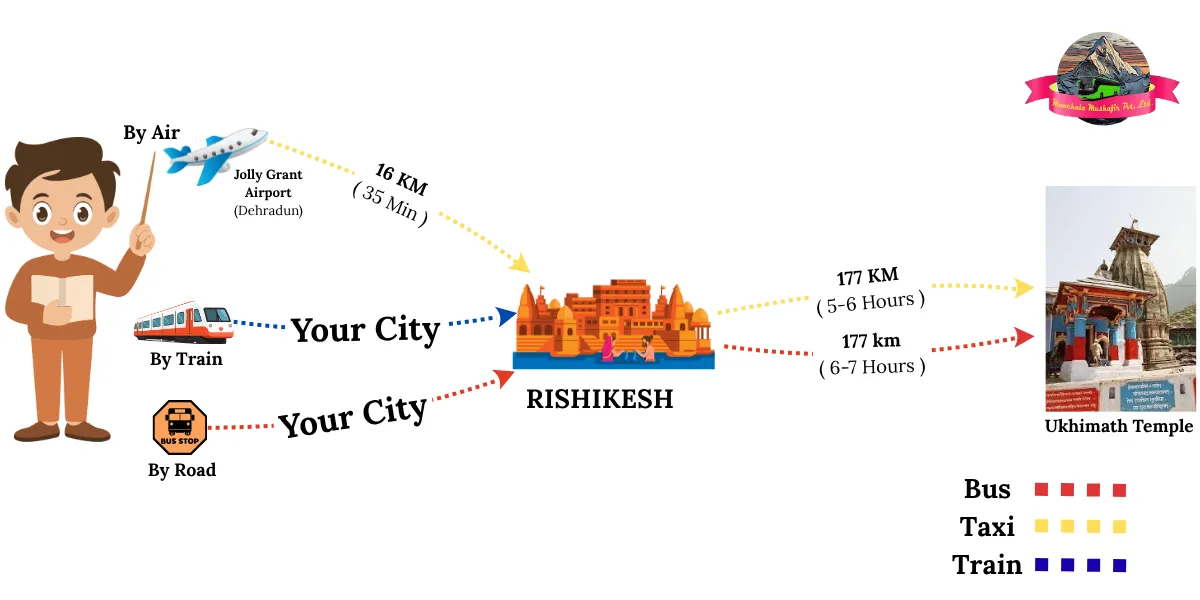
Nearest Airport: Jolly Grant Airport, Dehradun
Nearest Railway Station: Rishikesh
Cultural Heritage & Local Traditions
Ukhimath Uttarakhand, is not just a destination for spiritual seekers and nature enthusiasts; it is also a treasure of cultural heritage and local traditions. The town and its surrounding areas are renowned for their vibrant festivals, traditional music, dance forms, and local crafts.
One of the most significant cultural events at the winter seat of Kedarnath is the annual winter festival, which coincides with various local and religious occasions. During this time, the town comes alive with colorful processions, traditional dances, and devotional music. The festival is a unique opportunity for visitors to witness the rich cultural tapestry of the region and participate in the festivities.
Local crafts, including handwoven textiles, traditional woodwork, and intricate jewelry, are an integral part of its cultural heritage. Visitors can explore local markets and craft shops to purchase these unique items, supporting local artisans and taking home a piece of the region’s craftsmanship.
Origin of the Name and Usha’s wedding spot: According to the mythology, it is believed that Usha (daughter of demon king Banasura) and Anirudha (the grandson of Lord Krishna) got married at this sacred spot, and the place got its name from Usha; formerly, it was known as Ushamath.
Penance of King Mandhata: Legend states that King Mandhata (the ancestor of Lord Rama) performed penance here on one leg for 12 years to be pleased with Lord Shiva's blessings. Lord Shiva was impressed by his devotion and appeared to him in the form of Omkar, giving the Omkar Temple its name.
Festivals & Rituals:
Doli Yatra: A Grand Procession ceremony, hosted during the winter season when the Idol of Lord Shiva is carried in a Doli (palanquin).
Deoria Tal Mela: held in Deoria Tal on the occasion of Shri Krishna Janmashtami.
Other regional festivals: Makar Sankranti, Holi, Diwali, and Shravani Ankoot Mela are also celebrated in this area.
Ukhimath Omkareshwar Temple
The Rudraprayag to Ukhimath distance is approximately 43 km, situated at an elevation of about 1,317 meters (4,300 ft). The Omkareshwar Temple is dedicated to Lord Shiva. The temple's history is woven into the rich tapestry of Uttarakhand's religious heritage.
Believed to have been constructed during the 8th century by the Katyuri kings, the Omkareshwar Temple showcases traditional Kumaoni architectural elements, including intricate woodwork and stone carvings that reflect the region's artistic richness.
It is well known as the winter seat of Lord Kedarnath. It is approximately 2 kilometers away from the Taxi Stand. One of the oldest peeths in India, the Omkareshwar Temple, also known as Omkareshwar Peeth, hosts the deities of Kedarnath and Madhyamaheshwar throughout the winter months (November to April).
The Kedarnath and Madhyamaheshwar Temple remain closed. The deities are transported here to be worshiped for six months (the winter season) after Diwali. In May, the idols are returned in a parade to their native temples.
There is a Mandhata statue at the Temple. According to mythology, this emperor traveled to Ukhimath in his final years and performed a 12-year penance by standing on one leg and giving up everything, including his kingdom.
At the conclusion, Lord Shiva arrived at the sound "Omkar" and bestowed his blessing. Now this location is known as Omkareshwar.
The Omkareshwar Temple is not only a spiritual haven but also a cultural landmark. During the annual winter festival, which coincides with the local festivals of the region, the temple comes alive with vibrant celebrations, traditional dances, and devotional music, creating a lively and spiritually enriching atmosphere.
How To Reach Ukhimath From Delhi?
You can reach here from Delhi by road, train, and air. The best way to reach Ukhimath from Delhi is by road via bus or cab/taxi. Delhi is one of the common locations, 430 km away, chosen by pilgrims visiting the Garhwal region in Uttarakhand.
Here’s how to reach the winter seat of Kedarnath easily–
By Air
Delhi offers both national and international flights to the Jolly Grant Airport in Dehradun (the nearest airport) for passengers visiting Uttarakhand.
From the airport, you can take the Dehradun to Ukhimath bus or hire a cab/taxi to reach the town. The drive from the airport offers beautiful views of the mountains and valleys.
By Train
The nearest railway station is Rishikesh, around 178 km away. Other stations include Haridwar and Dehradun. Many direct trains are available from Delhi. From the railway station, you can take a Rishikesh to Ukhimath bus or hire a taxi. It’s a scenic journey through the hills.
The Rishikesh/Haridwar to Ukhimath bus is available daily; you can take the UTC bus or a Private operator.
By Road
Delhi is well-connected by road from various cities in Uttarakhand and other parts of India. There is no direct Delhi to Ukhimath bus. You can take a connecting bus or hire a taxi from Delhi to places like Haridwar, Rishikesh, and Dehradun, and continue further by UTC or private bus to reach the destination.
Temple Distance From:
Haridwar distance– 201 km.
Rishikesh distance– 178 km.
Dehradun distance– 216 km.
Key Distances
What Are The Places To Visit In Ukhimath?
1) Kedarnath Temple
Location: Rudraprayag district of Uttarakhand, in the Garhwal Himalayas.
Height/Altitude: situated on the banks of the Mandakini River at an altitude of 3,583 metres (11,755 feet) above sea level.
Distance: the distance to the Kedarnath Dham is 81 km by road, including a 16 km trek from Gaurikund.
Why to visit: To seek the divine blessing of lord Shiva and enrich your soul and peace, as the temple is one of the 12 Jyotirlingas and Panch Kedar Temples of Lord Shiva.
Entry Fees: There is no fee for general darshan, but Kedarnath VIP Darshan and Special puja are paid.
Timing: Darshan timings are from 7:00 a.m. to 3:00 p.m., and from 5:00 p.m. to 7:00 p.m.
Travel option: You can hire a private taxi/cab or take a local bus to Gaurikund. From Gaurikund, head on the trek to reach the Temple.
Kedarnath Temple is one of the most visited and famous temples of Uttarakhand. Being a part of the Panch Kedar, 12 jyotirlinga, Char Dham yatra of Uttarakhand, and the Do Dham yatra. It is located at a distance of just 60 km from winter seat of Kedarnath, with a 44 km road journey and a 16 km trek.
After the closing of the Kedarnath Temple, the Utsav murti from Kedarnath is being carried to the Omkareshwar Temple. Most devotees prefer to club a visit to the Omkareshwar Temple town with their Do Dham yatra package.
2) Madhyamaheshwar Temple
Madhyamaheshwar Temple is one of the Panch Kedar Temples, at an altitude of 3,497 metres (11,473 feet) above sea level in the Goundhar village of the Garhwal Himalayas. It is situated 52 km away from the Omkareshwar Temple, with a 16 km trek from Ransi village.
The holy scriptures state that the central body part of Lord Shiva had appeared at this place, which is being worshipped here as the Shivlinga.
This is also the reason why this temple is called the Madhyamaheshwar Temple.
Location: Mansoona village of Rudraprayag district.
Height/Altitude: situated at an elevation of 3,497 metres (11,473 feet) above sea level.
Distance: The distance to the Temple is 52 km away, including a 16 km trek from Ransi village.
Why to visit: Madhamaheshwar is a perfect blend of spiritual pilgrimage and adventure experience, and is part of the Panch Kedar Temples of Lord Shiva, making it a significant pilgrimage site for devotees seeking blessings.
Entry Fees: There is no direct entry fee for the Madhyamaheshwar Temple; a Permit fee is paid for entering the Kedarnath Wildlife Sanctuary.
Timing: General Darshan timings are 6:00 AM to 9:00 PM, with some afternoon closing rituals.
Travel option: You can hire a shared jeep or taxi from the taxi stand to reach Ransi village (base camp for Madhyamaheshwar Temple trek).
3) Chopta
Chopta is one of those stunning locations in Uttarakhand that adventure and environment enthusiasts, as well as Hindu worshippers, must not miss. It is home to the revered Tunganath Temple and a thrilling hike.
Chopta is 2,849m (9,347 ft) above sea level in Uttarakhand's Rudraprayag district, is a verdant valley offering a breathtaking view of the Himalayan peaks.
However, the fact that Chopta is the starting point of the Chopta trek to Tungnath, which will take you to the Tungnath Temple with a Chopta to Tungnath distance of just 3.5 km, the highest Shiva Temple in India, is what really makes it a popular tourism destination in Uttarakhand.
Location: Rudraprayag district of Uttarakhand and part of the Kedarnath Wildlife Sanctuary.
Height/Altitude: Approximately 8,556 feet above sea level.
Distance: Around 45 to 50 km by road.
Why to visit: to explore the natural wonder of this scenic sight, as it is surrounded by the alpine meadows and peaks, which offer a pristine environment.
Entry Fees: Generally, there is no entry fee to visit Chopta.
Travel Options: By private taxi, shared jeep, or public transport(bus).
4) Deoria Tal
Another beautiful alpine lake located near the town is Deoria Tal Lake, which is tucked in the lap of the Himalaya at an altitude of 2438 meters (8000 feet) above sea level.
Most of the time, Deoriatal is clubbed with the Tungnath Temple trek and is well known for the perfect view of Chaukhamba, Nilkantha, Bandarpunch, Kedar Range, and Kalanag peaks. If you are visiting this region in the winter season, then it is recommended to include this place in your itinerary. Manchal Mushafir includes it in the Tungnath Trek Package.
Location: Mastura and Sari villages of Rudraprayag district, Uttarakhand, on Ukhimath-Chopta Road.
Height/Altitude: The lake is situated at an elevation of 2,438 meters above sea level.
Distance: Sari is the base camp for the Deoria Tal trek, 12 km from the winter seat of Kedarnath.
Why to visit: to enjoy the sunsets and sunrise view over the mountains, and to enjoy the breathtaking views of the peaks and the lake.
Entry Fees: Some forest entry fees may be applicable for trekkers, as the lake is part of the wildlife sanctuary.
Travel option: Travel to Sari Village by taxi or jeep, and trek 2 km from the village to Deoria Tal.
5) Tungnath
Near the captivating hill station of Chopta is another lovely location called Tungnath. The tallest temple in the world dedicated to Lord Shiva is Tungnath, and it is located at an elevation of 12,073 feet (3,680 meters) above sea level.
Anyone will be amazed by the unmatched Himalayan scenery from the Tungnath Temple's meadows. It is highly advised for anyone traveling to Chopta to stop by Lord Shiva's residence at Tungnath.
At Tungnath Temple, one of Uttarakhand's well-known five Panch Kedar Temples, the natural beauty is at its most exquisite.
Typically, the Panch Kedar journey, which starts in Rishikesh and covers all five temples over a distance of 170 km (road plus trek length), includes a pilgrimage to Tungnath.
According to mythology, Arjuna of the Pandavas constructed the Temple Tungnath, which is one of the Panch Kedars. Later, it was reconstructed.
Location: Chopta region of Uttarakhand in the Garhwal Himalayas.
Height/Altitude: approximately 12,073 feet (3,680 meters) above sea level.
Distance: Approximately 33 km.
Why to visit: to explore the serene and peaceful atmosphere of the shrine and seek the divine blessings of Lord Shiva, as it is renowned as the World’s Highest Temple of Lord Shiva.
Entry Fees: No
Timing: For Darshan, the temple is open from 6.00 a.m. to 7.00 p.m. The pilgrimage season starts from May to October.
Travel option: Travel to Chopta, 30 km away, by shared taxi or jeep, and head on the trek from Chopta to Tungnath Temple.
Ukhimath Weather And Temperature
Best time: Ukhimath temperature and weather in Summer and Autumn stay warm and pleasant, with mild temperatures and clear skies, making it an ideal time for trekking and sightseeing.
Summer (March to June)
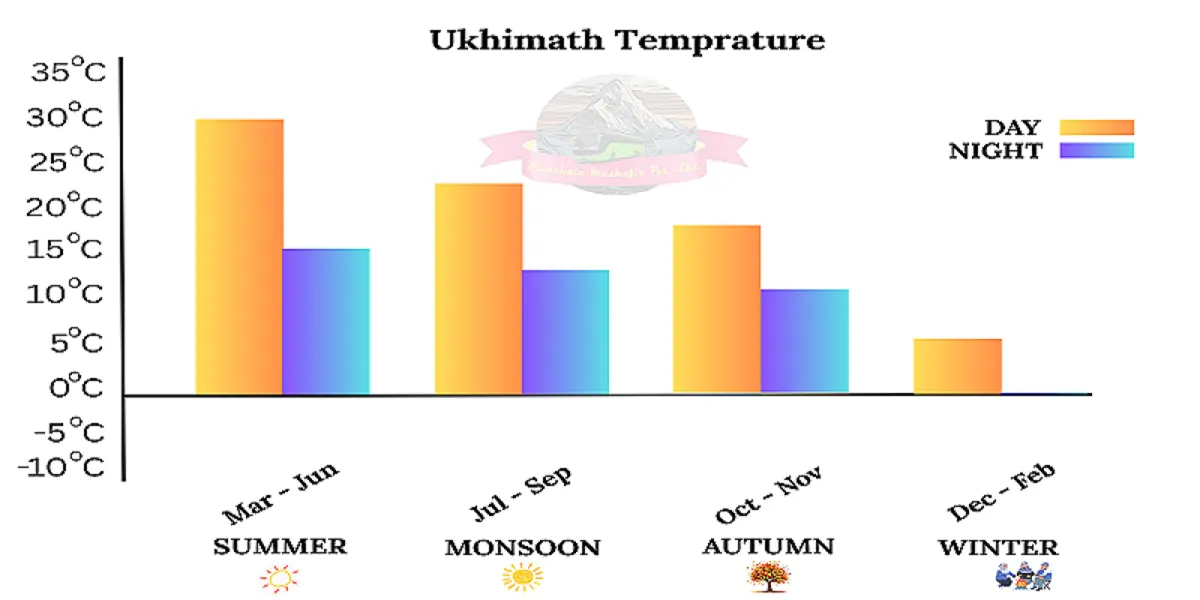
The summer months are considered the best time to visit the Omkareshwar Temple. The weather is pleasant, with temperatures ranging from 15°C to 30°C. This makes it ideal for sightseeing, trekking, and exploring the town and its surroundings. The clear skies and comfortable weather allow you to enjoy the scenic views of the Himalayas and visit the temples without feeling too hot or cold.
Temperature: Ranges from 15 °C to 30°C.
Conditions: Days are warm and sunny, but evenings and nights are chilly. This is the peak season for visiting and trekking to the surrounding areas.
Monsoon (July to September)
The monsoon season can be challenging. From July to September, the region receives heavy rainfall, which can make travel difficult and increase the risk of landslides. Roads may become slippery, and the trails may be dangerous for trekking. It is best to avoid visiting during these months unless you are prepared for the rainy weather.
Temperature: ranges from 12 °C to 22 °C.
Conditions: heavy rain can overcast the skies and obscure the views of the peaks. This area experiences less crowding at this time.
Autumn (October to November)
Autumn is another good time to visit. The weather is cool and pleasant, with clear skies and moderate temperatures. This is the time when the monsoon rains have ended, and the region is lush and green. If you prefer fewer crowds and a peaceful atmosphere, autumn is an ideal time for a visit.
Temperature: from 10 °C to 18 °C with high humidity.
Conditions: Rains start retreating, and skies are clear, making it an ideal time to explore the stunning Himalayan scenery of the surroundings.
Winter (December to February)
Winter is cold, with temperatures often dropping below freezing. Snowfall is common, especially in January and February. If you enjoy the snow and the chilly weather, this is the perfect time to experience winter charm. The town looks beautiful under a blanket of snow, and you can enjoy winter activities like snow trekking. However, be prepared with warm clothing and check weather conditions before your trip.
Temperature: from 0°C to 5 °C.
Conditions: The town offers a serene wonderland during the winter months, a special time to visit the Omkareshwar Temple.

Weather & Temperature Chart
How Many Days Are Required For Ukhimath?
Itinerary (4 Days / 3 Nights)
Day 1: Travel to Ukhimath via Haridwar / Rishikesh / Dehradun
Morning & Afternoon: Arrive at town, which is accessible by road from major cities like Haridwar, Rishikesh, and Dehradun. Check in at your hotel. In the afternoon, visit the main highlight, the Omkareshwar Temple. Spend some time in the serene environment of the temple.
Evening & Night: Enjoy the scenic views of the Himalayas and stay overnight in the town.
Day 2: Heading to Deoria Tal Trek and Exploring the Nearby Village
Morning & Afternoon: Drive to Sari Village (base camp for the trek) in the early morning. Embark on a 2 km uphill trek to the serene lake called “Deoria”.
Evening & Night: Enjoy the picturesque views of the surroundings and trek back to Sari village and drive back to the town before sunset.
Day 3: Continue to Chopta-Tungnath and Chandrashilla Trek
Morning & Afternoon: Drive to Chopta in the morning and lead on the trek to Tungnath Temple. Spend some time in the Temple.
Evening & Night: Trek back to Chopta and drive back to the town.
Day 4: Depart from Ukhimath and Return to Haridwar / Rishikesh
Start your long return journey towards Haridwar / Rishikesh. Enjoy the scenic road journey and stop along the way for lunch.
Accommodation & Food Options
Ukhimath Hotels
This place offers a range of accommodation options, including basic homestays, budget lodges, guest houses, and luxurious resorts. You can choose hotels, according to your budget and preferences, from budget guesthouses to more luxurious stays, catering to different preferences and budgets.
The hospitality of the locals is known for its warmth and friendliness, making visitors feel welcome and at home. One of the most luxurious stay options is the Regenta Resort in Madhuganga. This is one of the most luxurious resorts with advanced facilities, with an amazing view from the corridors of this resort.
For those seeking a more immersive experience, there are opportunities to stay in traditional Kumaoni-style lodges and homestays, where guests can experience authentic local life and cuisine. These accommodations provide a unique opportunity to engage with the local community, learn about their customs, and savor traditional dishes prepared with locally sourced ingredients.
Some convenient hotels in Ukhimath Uttarakhand are:
Hotel Devbhoomi
Tattva Resort
Hotel Himalayam House
GMVN Guesthouses
Musafir Resort Guptkashi
You can find and book these through popular travel websites, like TripAdvisor or Goibibo.
Food Options
Many hotels, local eateries, and restaurants serve fresh meals and local cuisine. There are also plenty of local shops offering light snacks.
Local Sweet Shop
Don’t miss visiting Uttarakhand Sweet in the Omkareshwar Temple Town, which is famous for Bal Mithai and Singauri.
Travel Tips

Plan Your Trip During the Right Season: The best time to visit is during the summer (March to June) and autumn (October to November). The weather is pleasant, making it ideal for sightseeing and trekking.
If you love snow, winter (December to February) is perfect, but be prepared for cold temperatures. The monsoon season (July to September) should be avoided due to heavy rainfall and landslides.
Book Accommodation in Advance: It is a popular destination, especially during peak seasons, so it’s advisable to book your accommodation in advance. There are several options ranging from guesthouses to small hotels and homestays. Booking ahead will ensure that you have a place to stay when you arrive.
Carry Warm Clothing: Even in the summer, the weather can be cool, especially during the evenings and mornings. In winter, the temperature can drop significantly, so carry warm clothes, such as jackets, gloves, and woolen hats. Trekking shoes and comfortable clothing are also important if you plan to hike.
Be Prepared for Trekking: It is a great starting point for treks like the Madhyamaheshwar and Kedarnath treks. If you plan to trek, carry essentials, including trekking shoes, a water bottle, a hat, sunscreen, and a first-aid kit. Make sure you're physically prepared for the trek, as the terrain can be challenging.
Stay Hydrated and Carry Snacks: located at a high altitude, the climate can be dry. Always carry a water bottle with you to stay hydrated. Also, pack some snacks, like nuts, fruits, or energy bars, especially if you’re trekking or going on long excursions.
Respect Local Culture and Traditions: a sacred town, home to several temples and religious sites. Be respectful of the local culture and traditions. Dress modestly when visiting temples, and follow the rules and customs of the area. Also, try to interact with the locals and learn about their way of life.
Check Weather and Road Conditions: Before you travel, especially during winter, check the weather conditions. Snowfall and heavy rain can affect road travel, so making sure the roads are accessible. It’s also a good idea to have a local guide or driver who is familiar with the area, especially for treks and remote routes.
Keep Your Health in Check: It is situated at a high altitude, so it’s important to acclimatize yourself. Take it easy during the first few days to avoid altitude sickness. Drink plenty of water, avoid heavy meals, and if you have any medical conditions, make sure to carry your medications.
Explore the Local Cuisine: Don’t miss the chance to try the delicious Garhwali food there. Some popular dishes to try include “Phaanu” (a lentil dish), “Aloo ke Gode” (spicy potatoes), and “Jhangora ki Kheer” (millet pudding). Local eateries or homestays often serve authentic meals that you can enjoy.
Keep in Touch with Your Loved Ones: Since this place is a remote area, mobile networks may not be reliable in some parts. Ensure to inform your family or friends about your travel plans, especially if you’re trekking or going to remote areas. It’s also advisable to carry a portable charger for your phone.
Carry a Camera: The town is surrounded by breathtaking landscapes, mountains, and lush greenery. Don't forget to carry a camera to capture the beauty of the place. Whether you’re at the temples or on a trek, there will be plenty of opportunities to click stunning pictures.
Respect the Environment: The winter seat of Kedarnath is a part of the beautiful Himalayas, and it’s important to respect the environment. Avoid littering and carry your waste back with you, especially if you’re trekking. Respect the wildlife and natural resources, and keep the area clean for future travelers.
FAQs
1. What is Ukhimath famous for?
Ukhimath is famous for its beautiful temples, especially the Omkareshwar Temple, and its proximity to the Kedarnath and Madmaheshwar Temples. It is also known for its scenic beauty, trekking opportunities, and spiritual atmosphere.
2. How do I reach Ukhimath?
You can reach Ukhimath by road from major cities like Rishikesh, Haridwar, or Dehradun. The nearest airport is Jolly Grant Airport in Dehradun (about 200 km away). The closest railway station is Rishikesh, from where you can take a taxi or bus to the town.
3. When is the best time to visit Ukhimath?
The best times to visit Ukhimath are during the summer (March to June) and autumn (October to November), when the weather is pleasant. Winter (December to February) is also great for those who enjoy snow, but it can be very cold.
4. What are the top attractions in Ukhimath?
The top attractions in Ukhimath include the Omkareshwar Temple, Madmaheshwar Temple, Kedarnath Wildlife Sanctuary, and Gaurikund. It is also a base for treks to nearby areas, including Kedarnath and Madhyamaheshwar.
5. Is Ukhimath a good place for trekking?
Yes, It is an excellent starting point for several treks, including the trek to Madhyamaheshwar and Kedarnath. The surrounding hills and forests offer beautiful trekking routes.
6. What are the religious sites in Ukhimath?
Ukhimath is home to the Omkareshwar Temple, dedicated to Lord Shiva. The town is also known for its connection to the Kedarnath Temple, as the Idol of Lord Kedarnath is moved here during the winter. The Madmaheshwar Temple is another important religious site nearby.
7. Is there any place to stay in Ukhimath?
Yes, It has a variety of accommodation options, from guesthouses and hotels to homestays. You can choose according to your budget and preference. It's advisable to book your stay in advance during peak seasons.
8. Can I visit Ukhimath during the monsoon season?
While it’s possible to visit during the monsoon (July to September), it is not recommended due to the risk of landslides and heavy rainfall. The roads can become slippery, making travel difficult and unsafe.
9. How far is Ukhimath from Kedarnath by road?
The town is about 55-60 km + 16 km trek away from Kedarnath. It serves as a base for many pilgrims visiting Kedarnath, especially during the winter when the Kedarnath Temple is closed.
10. What should I carry when visiting Ukhimath?
Ensure to carry warm clothing, especially in winter, comfortable shoes for trekking, a water bottle, sunscreen, a hat, and any personal medication. It’s also a good idea to carry a camera to capture the scenic beauty of the place.
11. Are there any local festivals or events in Ukhimath?
Yes, Ukhimath celebrates various local festivals, especially during the summer and winter months. Some of the popular festivals include:
- Maha Shivaratri
- Diwali
- Annual fairs held at the Omkareshwar and Madmaheshwar.
12. Is Ukhimath safe for tourists?
Yes, it is generally safe for tourists. However, like any hill station, it’s vital to be cautious while trekking and traveling during the winter months when the weather can be challenging. Always check the weather forecast and local conditions before your trip.
13. What is the local cuisine like in Ukhimath?
The local cuisine in Ukhimath is simple and primarily consists of traditional Garhwali food. You can enjoy dishes, that are:
- Aloo ke Gode (spicy potatoes)
- Phaanu (lentils)
- Jhangora ki Kheer (a sweet dish made from millet)
14. Can I visit Ukhimath with my family?
Yes, it is a great destination for families, especially if you're looking for a peaceful retreat surrounded by nature. The temples, scenic walks, and mild climate make it suitable for all age groups.


.webp?v=245b8d967251c959c4791e56a6d43cb2)