
Safety Trekking Guidelines for Trekkers: 2026 Tips & Tricks
Category: Travel | Updated On: August 21, 2026 | Published: August 21, 2026
Introduction
Trekking through high-altitude trails, dense oak forests & Deep Valleys is a super exciting experience, but the experience completely depends on guidelines, planning, and preparation.
Remember, no special skills are required for trekking. But some guidelines must be considered by trekkers planning this thrilling adventure activity.
This blog will explain the safety trekking guidelines that must be followed by every trekker for a safe and memorable experience of a thrilling adventure in the Himalayas.
Safety Trekking Guidelines for trekkers are centered on pre-trekking considerations, Research, weather readiness, safety preparedness, etc.
Pre-Booking Trekking Guidelines
It involves guidelines that must be followed by each trekker before the trek, such as pre-trek physical preparation, research planning, weather preparedness, packing essentials, etc. Let’s know about these in detail.
Pre-Trek Physical Preparation
Preparing your body and mind before the trek is the very first step towards your adventure travel. Trekking for several days on uphill paths and new terrain require a descent fitness.
Some Key tips to prepare your body for uphill, high-altitude treks.
- Cardiovascular & Strength Exercise: Start walking, squats, swimming, and stair climbing at least 3-4 weeks before your trek to build stamina & leg strength.
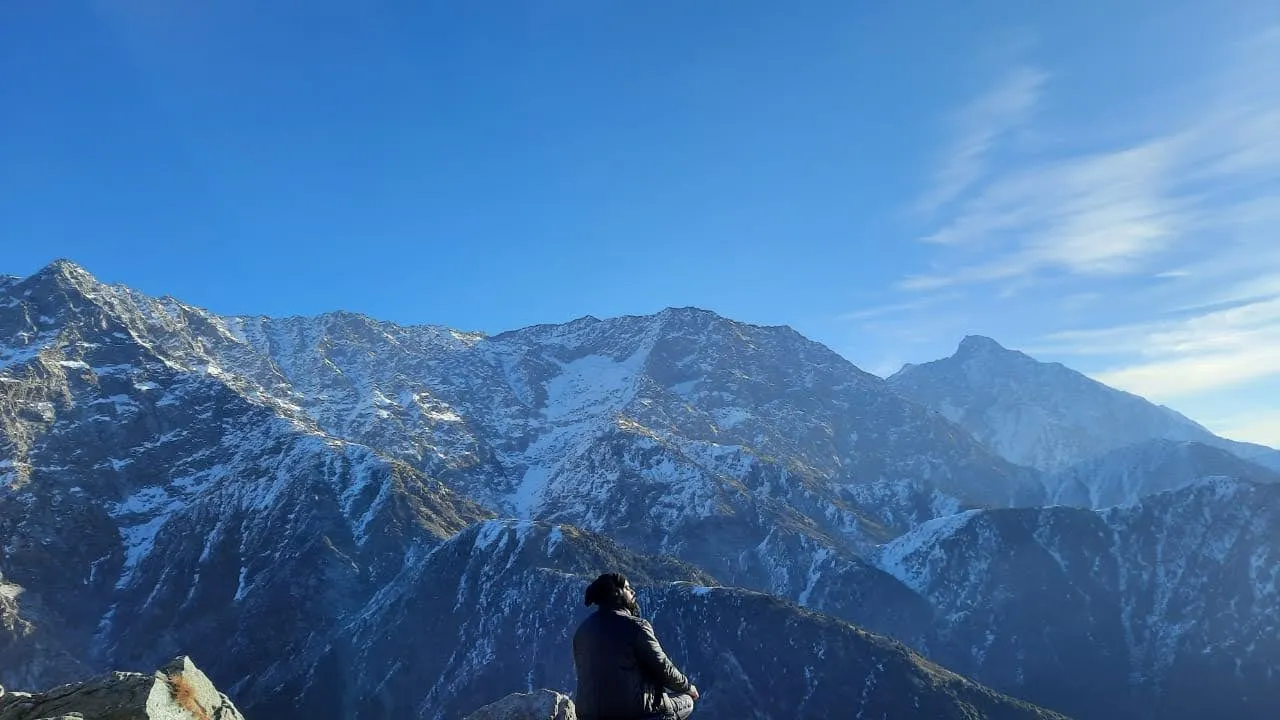
- Mindfulness Exercise: Staying Calm on a trek is as important as physically preparing for the trek. Meditation & Anulom-Vilom help with this.
Research & Planning
Experiencing something new demands planning and Research. The same thing applies to treks. If you are planning for any adventurous trek, such as Chadar Trek, Goecha La Trek, or Brahmatal Trek, then choosing the right trail according to your fitness and trail duration is important.
Things that help you choose the right trek destination are:
- Skill & Fitness level: Firstly, analyze your fitness level and skill. For example, if you are a first-timer, choose a beginner-friendly trek. A better choice is to book packages; you can opt for the Dayara Bugyal Trek Package or the Kedarkantha Trek Package.
- Trail Conditions & Duration: Always verify the trek's conditions and duration when choosing your destination. If you have less time, choose short trekking destinations in India, such as Chopta Tungnath Chandrashila Trek, Nag Tibba Trek, etc.
- Trail Reviews: Read trekkers' reviews; it helps you to know about the difficulty level, trail highlights, region, and conditions. Ultimately, you will get to know and choose the right one.
Required Permit Obtain
Verify local government clearance before entering restricted areas. Most trekking destinations in India, especially in wildlife sanctuary areas like Sandakphu, Har Ki Doon, and more.
You can hire a trekking company like us, who manage and handles this complex logistics so you can just focus on your experience.
Weather Preparedness before a Trek
Trek conditions change drastically by season. So it's another very important factor that must be considered by every trekker for any trek. You must check for the best time to visit, seasonal weather, rainfall, and snowfall conditions before trekking.
Understanding seasonal weather helps you to choose the right trek accordingly, whether you prefer summer, winter, or monsoon treks like the iconic Valley of Flowers trek or Kudremukh Trek.
Trek Ethiquite
Trek etiquette refers to polite habits which expected to be followed by trekkers to promote nature-friendly tourism in India. Below are some basic trekking etiquette rules to be followed for a safer trekking experience:
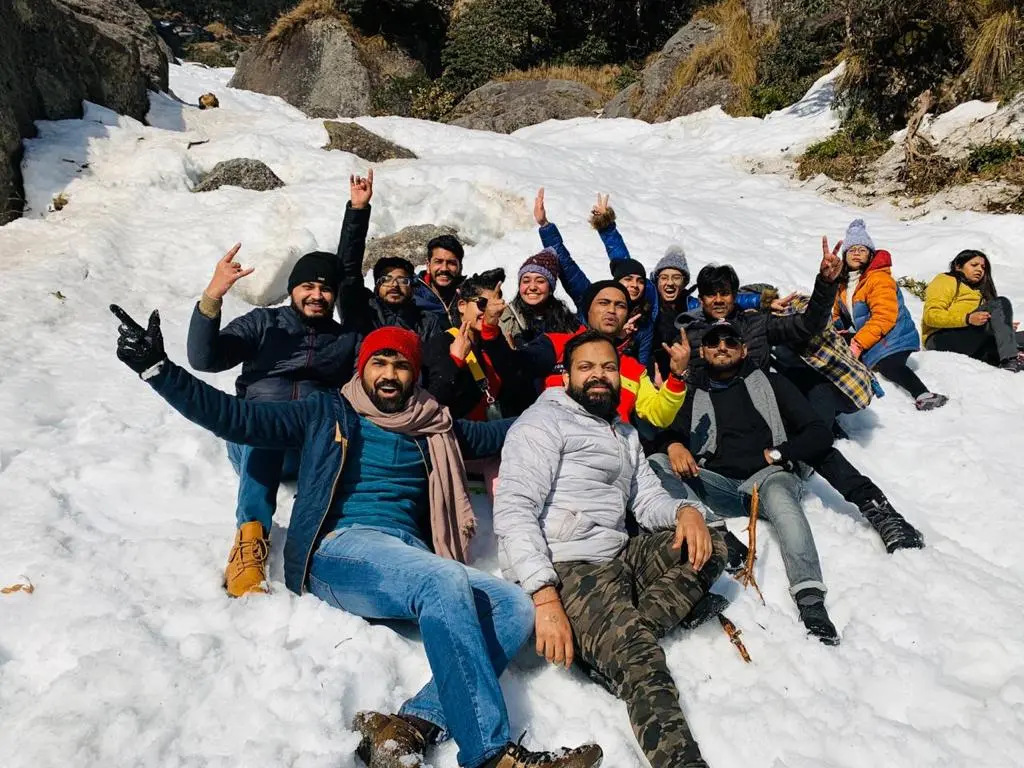
- Listen to your guide: Being attentive to your guide is one of the most important safety rules for any trek. Because the guide knows the terrain and weather changes & respects them, it ensures safety.
- Stay with a group: Never trek alone; always trek with a group. Keep it narrow to protect from fragile edges.
- Respect nature & Wildlife: Never feed animals & respect the environment by following no littering and Leave No Trace principles.
- Listen to your body: Do not overexert yourself. Always listen to your body; if it gives a signal of nausea, dizziness, fatigue, or altitude sickness, inform your guide and get the needed medicine.
- Eat & hydrate well: Keeping yourself fit for the trek is very important. So eat nutritious food & stay hydrated to maintain endurance.
Essential Gear & Packing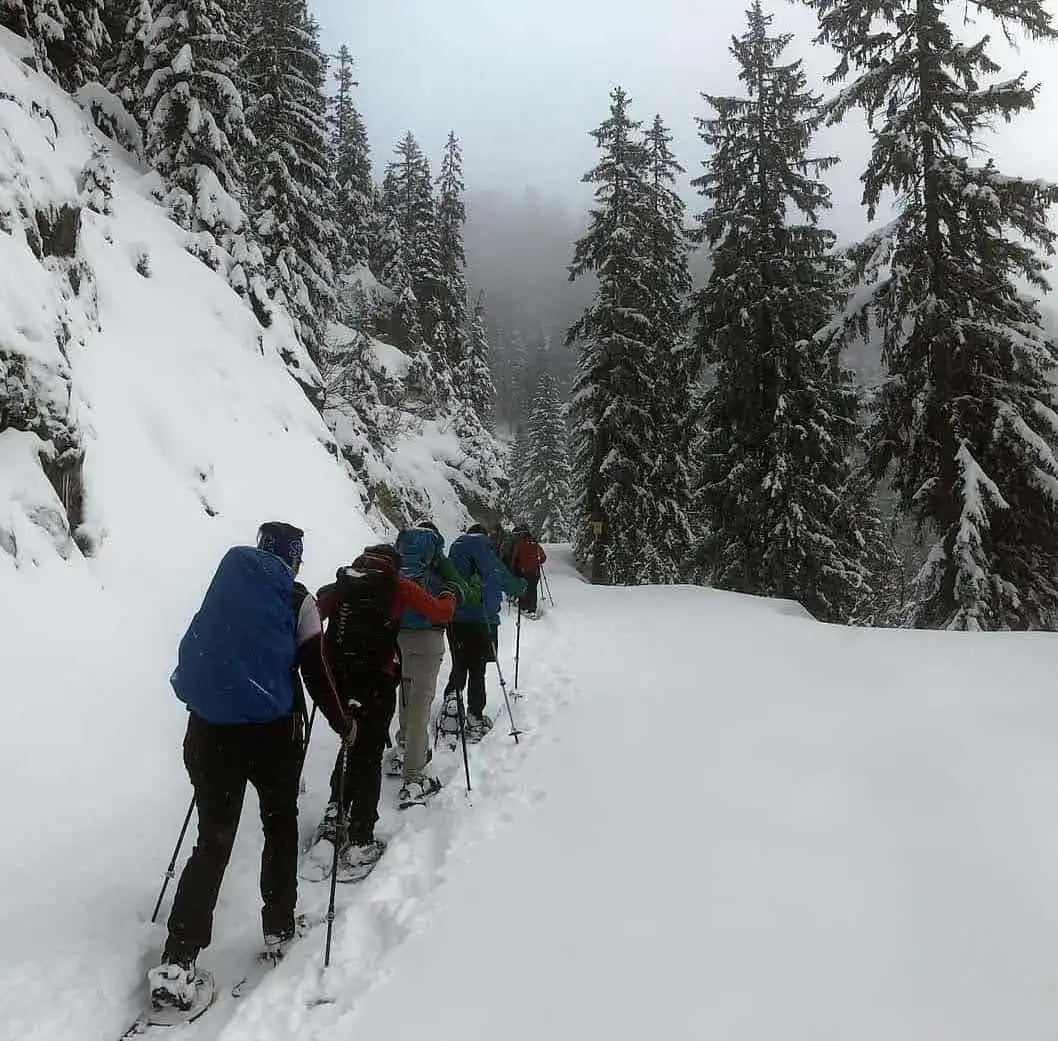
Packing ensures an ultimate trekking experience; if you pack or carry the right essentials, your trek will be safe. Must carry navigation tools, a headlamp, a first-aid kit, trekking boots, warm clothes, a trekking pole, etc.
Carrying unnecessary things like a personal shaving kit, too many clothes, & heavy gadgets can lead to a heavy bag. So avoid this and avoid carrying such items that you can rent at sites.
Famous treks like the Kedarkantha trek and the Brahmatal trek have high commercailized environment. Trekkers can easily rent such items as gaiters, heavy trekking boots, etc. from local shops near base camp.
Safety Guidelines During Trek
The following are the guidelines that must be followed for on-trail safety:
- Stay on Marked Trails: Avoid walking on an edge, never take shortcuts, and always walk on marked designated trails.
- Emergency Preparedness: Never ignore symptoms like nausea or physical pain. Gradually acclimate your body. Keep a small first aid kit during the trek.
- No Panic & Rushing: Don’t panic in Lightning Storms & sudden weather changes. Walk steadily and follow your own pace.
- Stick to No Trace principles: Trekking in a fragile ecosystem region means not just adventure. You must be responsible travelers, and you must respect nature and the environment. Follow habits such as avoiding littering and carrying all your waste from the summit point.
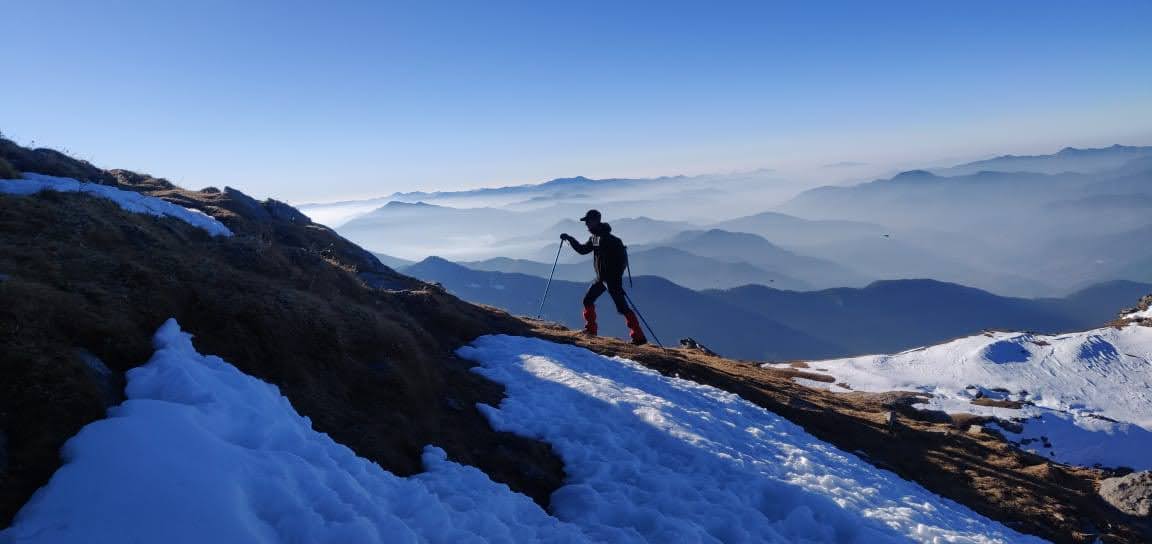
- Use Gear: Wear proper trekking gear like gaiters, microspikes, trekking shoes, headlamps, and down jackets, especially for high-altitude winter treks. Use a trekking stick to navigate the trail.
- Avoid Risky Areas: Keep distance from steep edges, loose gravel, and fast-flowing streams. Stop trekking in low-visibility areas.
- Help others in need: Always communicate warmly with your co-trekkers and help them if needed. It helps to build new social relations. Beyond this, also engage with local villagers.
- Weather Awareness: Weather is a component that must be considered both before the trek and during the trek. Always monitor weather, temperature, and altitude sickness. Be ready for any sudden changes like fog, snowstorms, and strong winds.
In such conditions, group together immediately and descend.
Attention: With our trek packages, we provide a professional trek guide with a well-trained team who are familiar with the mountains and can predict the weather conditions without checking the forecast.
The guides hold certification in mountaineering and trekking, though they are able to manage any kind of circumstances in the Himalayas.
Conclusion
Whether you are a first-timer or an experienced trekker, some key considerations are important for a safe trekking experience and these safety guidelines will help you throughout the journey.
Especially if you are a total beginner and preparing for your first altitude trek, consider such factors as weather, trail conditions, trek durations, your skill level, and required permit before heading for the trek. During the trek, stay hydrated, walk on marked trails, listen to your guide, respect nature, and more.
FAQs
What are the safety measures to take when trekking?
Some important safety measures to take while trekking are:
- Check the weather
- Walking on a marked trails
- Stay in a group
- Stay hydrated during the trek
- Carry essential gear and medicines
What things should I be concerned about before starting a trek?
Key considerations before starting a trek are Trail conditions, Weather Preparedness, trek difficulty, required permits, physical preparation, packing the right gear, and more.
What are some important tips for trekking?
Some important tips for safer trekking are:
- Listen to your guide always
- Trek in a group
- Listen to your body signals
- Stay hydrated & be flexible while trekking
- Avoid overpacking or carrying heavy items
What should I do if I get lost during the trek?
Don’t panic & stay calm. Avoid taking shortcuts; always walk on marked trails. If you get lost during a trek, use a whistle signal to ask for help.
How to prevent altitude sickness during a trek?
To prevent altitude sickness during the trek, follow some tips, such as staying hydrated even if you are not thirsty, walking steadily, avoiding overpacing, and keeping yourself energized via energy bars and light snacks. Most importantly, acclimatize your body well at the base camps.
Is it safe to trek alone in Uttarakhand?
Yes, trekking alone is absolutely safe in Uttarakhand. The state offers you heavily trafficked and well-popular trails. The Chopta Chandrashila trek, Nag Tibba trek, and Valley of Flowers trek are considered the best for solo trekkers who are looking for a peaceful retreat in the Himalayas. However, some risks, like weather, navigation errors, and unpredictable conditions, make it challenging.