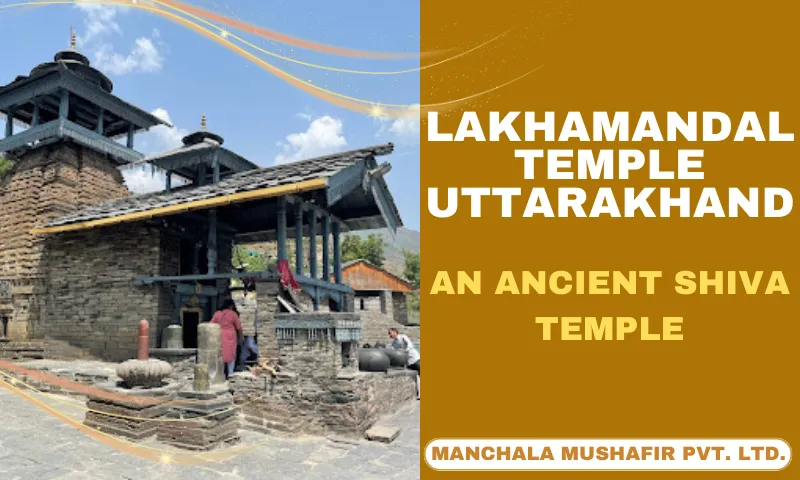
What is Lakhamandal Temple Famous For?
Lakhamandal Temple is historically famous for its enormous number of Shiva lingas. According to ancient records, the temple complex once housed around 1 lakh (100,000) small and large lingas, which is why the site came to be known as Lakhamandal—where “Lakha” means one lakh. Today, much of the original temple and its thousands of lingas no longer exist, but the site remains significant as an ancient center of Shiva worship and for its historical and archaeological importance.
As per another mythology it is also finds it's deep connection with Lakshagriha episode of the Mahabharata. According to legend, this is the place where the Kauravas built the “house of lac” to burn the Pandavas alive. The Pandavas are believed to have escaped through a secret tunnel—locals still point out spots associated with this story.
About Lakahamandal Temple
It is an ancient temple complex located in the Jaunsar-Bawar region of Dehradun district in Uttarakhand and is dedicated to Lord Shiva and holds great spiritual and national significance.
Spiritually, it is deeply associated with the legends of the Mahabharata, and nationally, the complex of the temple is a monument of National importance, which is protected by the Archaeological Survey of India, making it a site of spiritual and historic treasure that every pilgrim must explore.
Today, I’m going to tell you all about the History, story, along with weather and temperature and more.
Where is Lakhamandal Temple Located?
Lakhamandal is located in the Dehradun district of the Indian state of Uttarakhand, within the Jaunsar-Bawar region near Charkrata.
It is situated at an altitude of 1,370 meters (3,772 feet) above sea level, on the banks of the Yamuna River, and it is surrounded by thick forest and mountain peaks.
State: Uttarakhand, India
District: Dehradun district, near Chakrata
Region: Jaunsar-Bawar region
Attitude/Height: 1,370 meters (3,772 feet)
Lakhamandal Distance
Dehradun to Lakhamandal Distance: 128 km by road
Mussoorie to Lakhamandal Distance: 78 km by road
Chakrata to Lakhamandal Distance: 60 km by road
Lakhamandal History
Lakhamandal has a very rich history, rooted in the rich archaeology and mythology. Here is a detailed overview of the Lakhamandal temple history and mythology.
Origin & Construction Lakhamandal Shiv Temple
Archaeological evidence provides a concrete timeline for the construction of the temple. According to the belief of archaeologists, the temple was built during the medieval time period of Indian history, from the 8th to the 12th century, which is dominated by Katyuri rulers.
According to a 6th-century stone inscription, the ancient Shiva temple was built by Princess Ishwara of the Shingpura Royal Family.
Architectural Of Lakhamandal, Uttarakhand
The Temple was built in the North Indian Nagara architecture, featuring stone carvings and prominent statues of gatekeepers.
Carvings and Stonework:
The temple is built with stone; the walls and entrance are adorned with intricate carvings. The main sanctum of the temple is a unique Shiv lingam made of graphite, which shines like a mirror.
Twin Dwarpalas (Gatekeepers):
Two life-size stone statues, locally known as Danav and Manav, at the main entrance of the shrine serve as dwarapalas (gatekeepers). Associated with a legend of Lord Vishnu, local beliefs suggest that these two statues resemble Jay and Vijay, doormen of lord vishnu.
Architectural Story & Significance
There are some features that show the architectural significance of this temple.
The temple is built in the North Indian style of architecture, estimated to date from the 12th-13th century, and it features stone carvings on the walls and pillars.
The reflective granite (black stone) Shivalingam is the main attraction of the temple complex, as the Shivaling shines like a mirror, and it also reflects an image of a person when water is poured on the Shivaling.
Archaeological site: The site is important, and it is protected by the Archaeological Survey of India (ASI), which revealed ancient inscriptions regarding the site through its extensive excavations.
Lakhamandal Temple Mystery
Lakhamandal Shiv temple has great mythological significance, linked with the epic Mahabharata, especially with Lakha Griha.
Mahabharata legends: According to legends of the Mahabharata, it is the site where the leader of the Kaurava built Lakshagriah (palace of wax) to burn the Pandavas alive. But the Pandavas escaped from the fire through a secret tunnel after being warned by their uncle Vidur.
Historic Construction: A stone inscription found in the 6th century at this site credits a princess named Ishwara, and the ancient Shiva temple was constructed by her for the spiritual welfare of her late husband. The existing structure of the main temple was built in the 12th-13th century.
How To Reach Lakhamandal Temple
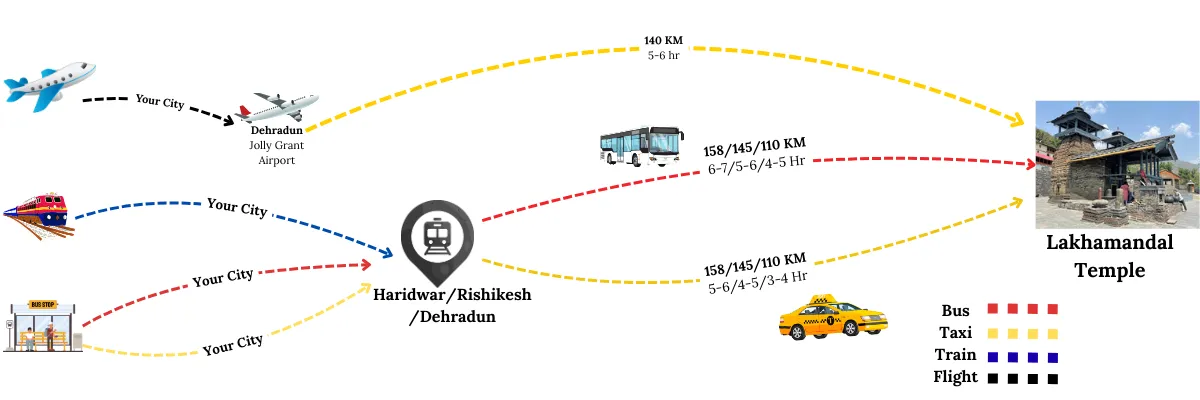
It is located in Dehradun district, which is well-connected by air, train and road to all the major cities of Uttarakhand. Lakhamandal to Dehradun distance is just 119 km. But you need to travel by road, as there is no direct air or train connectivity to the temple itself.
Reaching major hubs, like Deradun, Haridwar and Rishikesh
By Air: The Jolly Grant Airport in Dehradun is the nearest airport to Lakhamandal. The Lakhamandal distance from Dehradun is about 140 km. To reach Lakhamandal from Dehradun airport, take a private taxi or shared cab towards the temple.
By Train: The nearest railheads are Dehradun to Lakhamandal, which is about 140 km away; Haridwar, which is 158 km away; and Rishikesh, which is 138 km away from the Lakhamandal temple. You can take a train to any of these railway stations from your city.
By Road: Lakhmandal has great accessibility by road, connecting via the Mussoorie and Chakrata routes. To get to Dehradun, Haridwar or Rishikesh, take a state-run Government bus, or for a more comfortable journey, take a private taxi
There are two primary routes to reach Lakhamandal: one is via Dehradun-Mussoorie, and the second is via the Chakrata route. Let’s discuss both routes one by one.
Via the Dehradun route: Lakhamandal is approximately 128 km by road, which takes almost 3-4 hours. You can take a bus from ISBT Dehradun or hire a taxi from a taxi stand to reach Lakhamandal. The journey passes through—
Route: Dehradun → Mussoorie → Kempty → Nainbagh → Lakhamandal
Via Chakrata Route: Chakrata, which is about 92 km from Dehradun, is a significant stopover for Lakhamandal. You can easily find local transport options, like bus, taxi or cab, to cover a distance of around 60 km, which takes almost 2-3 hours. The journey follows the NH-507 route, passing via—
Route: Lakhamandal → Tiuni → Chakrata
Best Time To Visit Lakhamandal Dehradun
The best time to visit Lakhamandal Temple is during the summer (March-June) and Autumn (Sep-Oct) seasons when the weather is pleasant, and travel conditions are ideal for sightseeing. Here is a seasonal guide about the best time to visit Lakhamandal in Uttarakhand with details on temperature and weather.
Summer months (Mar-June): summer is considered a peak season, as it experiences pleasant weather and mild temperatures ranging from 15°C to 30°C. The landscapes are lush with golden and blooming flowers, making it an ideal time for sightseeing around the Lakhamandal temple and outdoor activities. But this is the same time when Kedarnath yatra, Do dham yatra, and Char dham yatra begin, there are high chances that you may see a surge in traffic and cost of accommodation and food around Lakhamandal also.
Monsoon Season (July-August): The monsoon brings heavy rainfall in this region and can cause landslides and roadblocks. It is generally advised to avoid visiting during this period. But July-August is the Shravan month, which attracts many pilgrims.
Tips for a monsoon visit: Check the road conditions before planning a trip if you plan to visit during the monsoon.
Autumn Season (Sep-Oct): Post-monsoon is another ideal time to visit, as it experiences comfortable weather with a temperature ranging from 10°C to 20°C and high humidity. Provide excellent visibility and accessibility, making it the best time for outdoor activities and Photography at Lakhamandal.
Winter Season (Nov-Feb): winters are cool and harsh, with temperatures dropping significantly, and snowfall might be possible at higher altitudes. This period offers a serene and less crowded experience, perfect for winter lovers and peace seekers.

Best Time To Experience Festivals In Lakhamandal
Lakhamandal is a vibrant cultural centre not only for local villagers but also for pilgrims and culture enthusiasts.
Mahashivratri: Mahashivratri, which generally falls in February or March, is the most important festival, which is celebrated on a large scale at the Lakhamandal caves. Grand pujas, special rituals, and traditional folk dance and music performed by the Jaunsar-Bawar community attract many pilgrims.
Shravan Months: July to August, known as the “Shravan months” (holy period for the Shiv devotees), which is another time of celebration in Lakhamadal. Special pujas, such as Lakhamandal Shivling abhishekam, chanting rituals on Shravan Somvar, and perfect times for spiritual experiences, but be prepared for larger crowds.
What Are the Timings of Lakhamandal Temple?
Lakhmandal temple follows a general schedule of the Aarti and Darshan Timings, which is mentioned in the table below.
Note:- Timings may vary on special days or Festivals.
Places To Visit Near Lakhamandal Temple
Chakrata
Chakrata is a famous hill station, located at a distance of around 60 km from Lakhamandal and 78 km from Dehradun, renowned for its stunning natural beauty, including the breathtaking views of the Himalayas and dense forest, making it a perfect destination for nature lovers and photographers.
Tiger waterfalls
A scenic waterfall, located in the Garhwal Himalayas of Uttarakhand, with a drop of 322 feet, is famous for its rhododendron forest and stunning Himalayan scenery. It requires a short trek from Chakrata. The place offers natural pools for swimming, perfect for nature lovers and adventure enthusiasts.
Kanasar Forest
Kanasar is a deodar forest located in the Chakrata Hill station of Uttarakhand, known for its ancient cedar trees and serene atmosphere. Ideal for jungle safaris and cultural walks. Featuring the mystical Kanasal Lake, believed to be formed with sage tears.
Yamuna River Viewpoint
The Yamuna River flows just outside the Lakhmandal Village, near the temple complex, offering beautiful views to experience. Spend some time at the riverside in a serene atmosphere.
Lakhamandal Pandav Caves
The Pandav Lakhamandal caves are historic sites, which are used by the Pandavas as an escape tunnel to flee from the Lakshagriha (house of lacquer). These caves are located at a distance of around 10 km from the Lakhamandal temple.
Nag Tibba Trek
Nag Tibba Trek is a scenic destination located at a distance of around 80 km from Lakhamandal Chakrata. It is considered a moderate trek, starting from Pantwari Village and leading to the Summit point. The trek passes through many campsites, like Kathiyan, offering scenic views of the Himalayan peaks.
Things To Do In Lakhanmandal
Offers Prayers and Meditates: The Lakhamandal temple is a spiritual heaven dedicated to lord shiva. Visit, offer prayers and meditate in the serene environment.
View the reflective Shivling: A major attraction is a unique granite Lakhamandal shivaling, which shines like a mirror.
Trekking: Trek to Tiger Falls and Nag Tibba offers hiking opportunities with views of the majestic Himalayas.
Visiting Pandav Gufa: Visit these sacred caves and learn about the legends of the Mahabharata.
Enjoy Nature walks: The surrounding forests and hills are perfect for nature walks, ideal for nature lovers.
Lakhamandal Photos: Capture the mesmerising moments of the Himalayas and interact with the local villagers, and capture their happy faces.
Travel Tips For Lakhamandal
Start Early: Prepare your journey wisely; start early from Dehradun and avoid driving after sunset.
Cash Is King: ATMs are limited in this region, so carry enough cash for your expenses.
Connectivity: Networks are limited in this region; use BSNL and JIO SIM cards for better network connectivity.
Carry light snacks and water: Pack light snacks, such as dry fruits and water bottles, as the shops are limited in this region.
Respect the site: Respect the nature and follow the local customs and rituals of the site.
Hire a Local Guide: If you plan to trek in this region, hire a local guide for a better experience.
Carry a small medical kit: Carry a small medical Kit along with band-aids and basic medicines.
- Make all the bookings well in advance: If you are travelling during the peak pilgrimage season in Uttarakhand, then make sure you book all the accommodations well in advance. But if you are booking your Char Dham Yatra package with Manchala Mushafir, then you can get the Lakhamandal temple added to it by talking to our customer care executive.
Packing Essentials: pack warm layers, such as sweaters, jackets, gloves, a raincoat, etc and other essentials, such as documents and trekking gear.
Lakhamandal Hotel And Food Options
Lakhamandal has limited options, including homestays, guesthouses and hotels at various price ranges. Many of them provide on-site dining, offering authentic local cuisine. For more comfortable options towards Chakrata or Barkot.
Hotels in Lakhamandal:
Food options:
You can find local dhabas, tea stalls, cafes, and restaurants that serve north indian cuisine, including local Garhwali dishes such as dal, rice, pahadi aloo, and phanu.
Places to eat near Lakhamandal:
Chakrata hill area: offers restaurants, dhabas and local eateries.
Kempty fall area: small tea stalls and local restaurants
Conclusion
If you want to explore the famous Lakhamandal temple in Uttarakhand at its best, you must read this blog, as it will help you connect with the Lakhamandal temple's history and mythological significance.
Moreover, it will increase your journey experience by knowing the Lakhamandal distance, routes, and temperature, weather, and more.
So pack your bags and embark on your journey to the Lakhamandal Shiv temple in Uttarakhand.
FAQs
What is the story of the Lakhamandal Temple?
The mystery of the Lakhamandal temple is connected to the Mahabharata, especially to Lakshagriha. It is believed that Lakhamandal is the site where Duryodhana built a palace of wax to burn the Pandavas alive. Still, the Pandavas escaped through a tunnel, and the unique Shivlinga and statues of dwarpalas that revived the dead are the mysterious features of the site.
Is Lakhmandal worth visiting?
Yes, Lakhamandal is worth visiting, especially for history buffs, pilgrims seeking Shiva's blessings, and nature lovers. Lakhamandal is a perfect blend of ancient architecture, spiritual vibes and tranquil Himalayan scenery.
It is famous for its unique granite shivling, which attracts devotees who find peace here, and historically, the site is also important due to its connection with the Mahabharata, which is perfect for historical enthusiasts.
What is special about the Shivling in Lakhmandal?
The unique Shivlinga, naturally formed with graphite stone, is a main feature of the Lakhamandal temple, associated with a mythology that it shines like a mirror when water drops pour on it, a unique feature that is not shown in any other shrine of Uttarakhand.
How do I get to Lakhmandal from Dehradun?
Dehradun is a base for Lakhamandal. To reach Lakhamandal from Dehradun, you need to cover a distance of around 128 km, which you can cover by hiring a taxi or shared jeep. The journey from Dehradun to Lakhamandal follows a Mussorie-Yamunotri route, which passes via Dehradun, Mussorie, Kempty Falls, Barkot, Nainbagh and then Lakhamandal.
How much is a taxi from Dheradun to Lakhamandal?
A one-way taxi from Dehradun to Lakhamandal will cost you around 2500 to 4000, depending on car type, like SUV or Sedan and season; potentially higher in peak season. You can hire a taxi directly from the Dehradun taxi stand or book through websites like EaseMyTrip and CabBazaar.