Booking Done Does Not Mean Journey Ready
It is a common mistake to treat a train ticket like a flight reservation. While a plane rarely changes its departure gate more than once or twice, a train is part of a massive, living network where platform changes, technical delays, and coach reshuffling happen daily. Many passengers book their tickets weeks in advance and then completely forget about them until they are packing their bags.
The truth is, your seat status can change. If you were on a waiting list or had an RAC (Reservation Against Cancellation) status, the final chart preparation dictates your experience. Relying on the initial SMS you received fourteen days ago is a recipe for stress at the station.
The One Detail Most Travellers Ignore After Booking
The most critical piece of data you own is that ten-digit number printed on the top left of your ticket. Monitoring your pnr status is the only way to know if your waitlisted ticket has been confirmed or if your coach number has been updated. Most people check this once, see that they are "Waitlist 5," and assume it will stay that way or magically resolve itself.
However, the railway system updates these lists in real time. Sometimes, extra coaches are added to popular routes at the last minute to clear the rush. If you aren't checking that status regularly, you might miss the fact that you now have a confirmed side-lower berth instead of a shared RAC seat.
How This Small Miss Can Disrupt Your Travel Day
Imagine reaching the station ten minutes before departure, lugging two heavy suitcases, only to find that the "confirmed" coach you were looking for has been re-labelled or moved to the other end of the platform. This happens more often than you would think. Coaches are sometimes swapped due to maintenance issues.
If you haven't looked at your latest status updates, you might spend those precious ten minutes running from Platform 1 to Platform 12. Even worse, if your ticket was RAC and you didn't check the final chart, you might not realize which specific seat you are supposed to share, leading to awkward conversations with fellow passengers and the Ticket Examiner.
Real Situations Indian Train Travellers Face
Let's look at how these technicalities play out in the real world. Indian Railways manages thousands of trains, and the variables are endless.
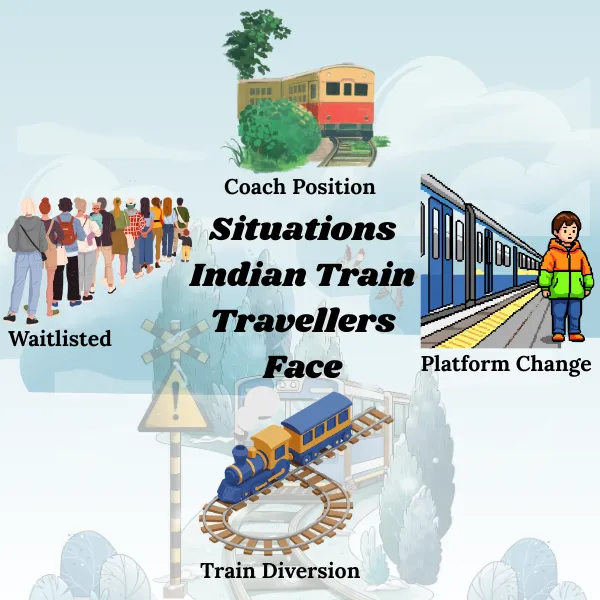
| Situation | What Usually Happens | Why Checking Matters |
| Waitlisted (WL) | Ticket may get confirmed a few hours before departure | You might assume the journey is cancelled when a seat actually gets allotted |
| Platform Change | Announcement is often made shortly before arrival | Early digital checks help you avoid rushing across platforms |
| Train Diversion | Train runs via a longer or alternate route due to operational reasons | Arrival time may shift, affecting onward travel plans |
| Coach Position | Your coach could be located at the far end of the platform | Knowing this in advance helps you stand at the right spot and board calmly |
How to Check This Detail Before Leaving Home
You do not need to wait until you are at the station to get clarity. Modern tools have made this incredibly simple. For a reliable experience, use redRail to keep an eye on your journey details. It provides a clean interface that cuts through the clutter, allowing you to see exactly where your seat stands.
Checking your status should be a three-stage process. Check it 24 hours before your trip to see the trend. Recheck it after the first chart is prepared, which is usually four hours before the train departs from its origin station. Finally, do a quick refresh when you are leaving for the station to ensure there are no sudden platform shifts or delays.
Use platforms like redRail for your future train ticket booking needs because they often provide better insights into seat availability and easier tracking than older, clunkier interfaces. It helps to have a single dashboard where your upcoming trips are listed clearly.
Lastly, pay attention to the "Train Running Status." Even if your PNR status is confirmed, knowing that the train is running two hours late allows you to stay in the comfort of your home or office a little longer instead of sitting on a crowded platform bench. Travel is meant to be an experience, not a test of your patience. A little bit of data checking goes a long way in ensuring that your only worry is what snacks to buy for the journey.