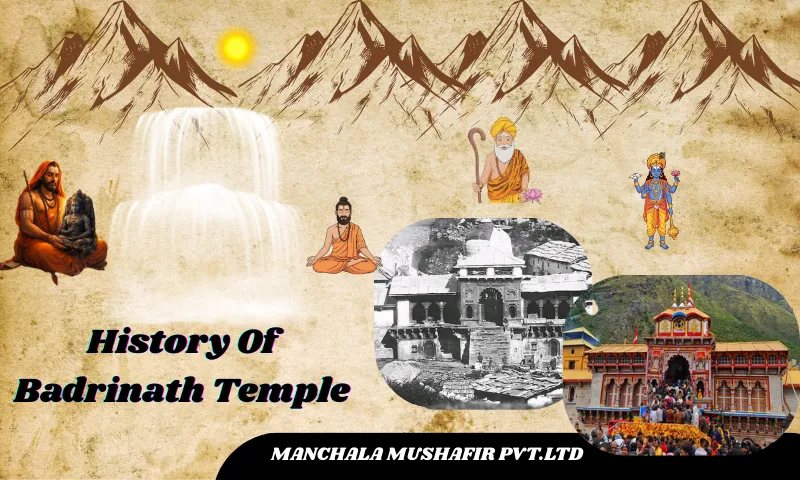
Overview of Badrinath Temple History
Badrinath is one of the ancient and revered temples dedicated to Lord Vishnu, holding immense significance in Hindu religious history and sacred scriptures. It is located in the Chamoli district of Uttarakhand, within the Garhwal Himalayas. The temple is situated at an altitude of 10,279 feet (3,133 meters) and is surrounded by Nar-Narayan mountain peaks.
The Badrinath Temple history dates back to ancient times and is a blend of mythology, Vedic scriptures, and its historic revival by sage Adi Shankaracharya, attracting historians and pilgrims. As a traveller and a student of Indian history and Hindu religious traditions, with a deep interest in temple history, scriptures, and ritual practices (puja-path), I have been visiting the Badrinath Temple regularly since 2021.
Through repeated Badrinath tours, continuous study of ancient texts, and extensive research, I have gained a deeper understanding of the historical significance, mythological legends, and spiritual beliefs associated with Badrinath.
Quick Facts About Badrinath Temple History
- Dedicated To: Lord Vishnu in the form of Badrinarayan
- Location: Badrinath Temple is located on the banks of the Alaknanda River in the Chamoli district, Uttarakhand
- Spiritual Importance: Considered a Moksha (liberation) granting pilgrimage site
- Re-established: By Adi Shankaracharya in the 8th century
- Mention in Scriptures: Referenced in Vishnu Purana and Mahabharata
- Part of: Char Dham Yatra, Panch/Sapta Badri Temples, and Chota Char Dham Yatra
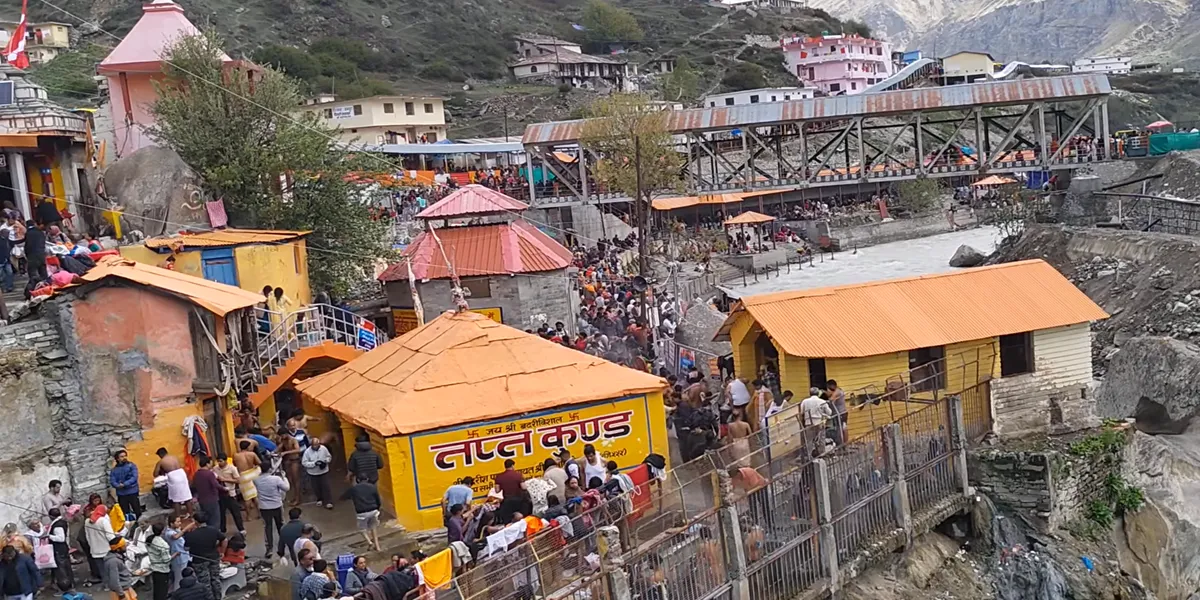
- Idol Discovery: The idol of Lord Vishnu was found in the Alaknanda River (near Tapt Kund)
- Temple Architecture: The current structure, influenced by the Garhwali wooden style, has been rebuilt multiple times
- Seasonal Opening: Opens annually (April/May) and closes (Oct/Nov) due to extreme winters
Read our blog on "Badrinath Temple opening and closing 2026" to plan better
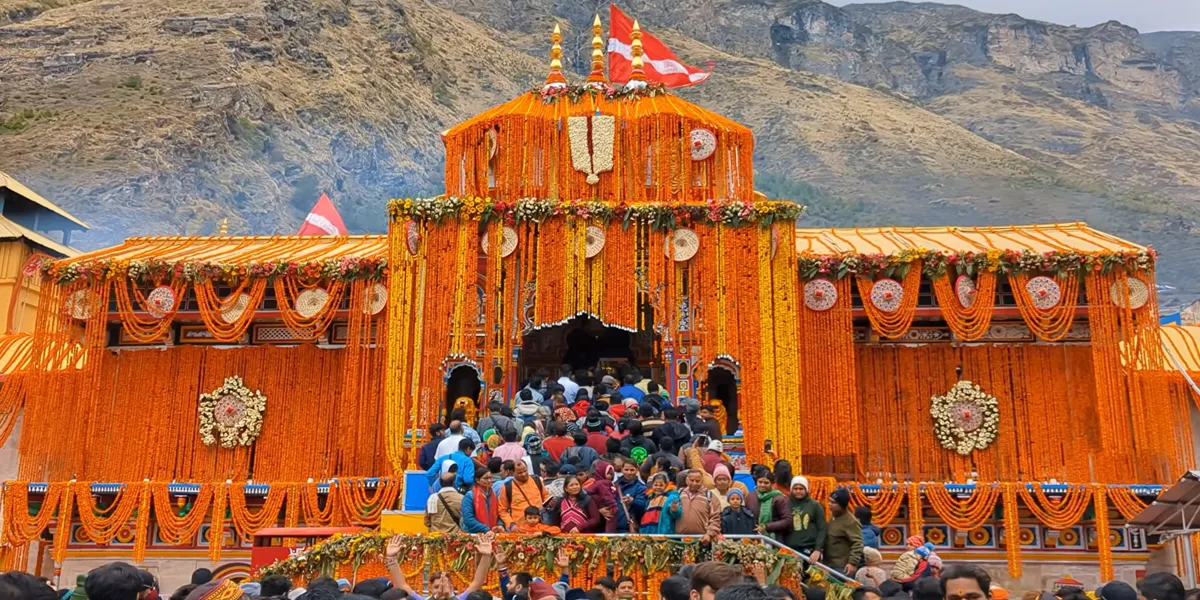
Table of Contents
- Overview of Badrinath Temple History
- Origin Of Badrinath Temple
- Mythological History Behind Badrinath Temple
- Historical Development Of Badrinath Temple
- Architecture Style Of Badrinath Temple
- Timeline Of Badrinath Temple History
- Conclusion: The Timeless Legacy Of Badrinath Temple History
- Faqs of Badrinath Temple History
Origin Of Badrinath Temple
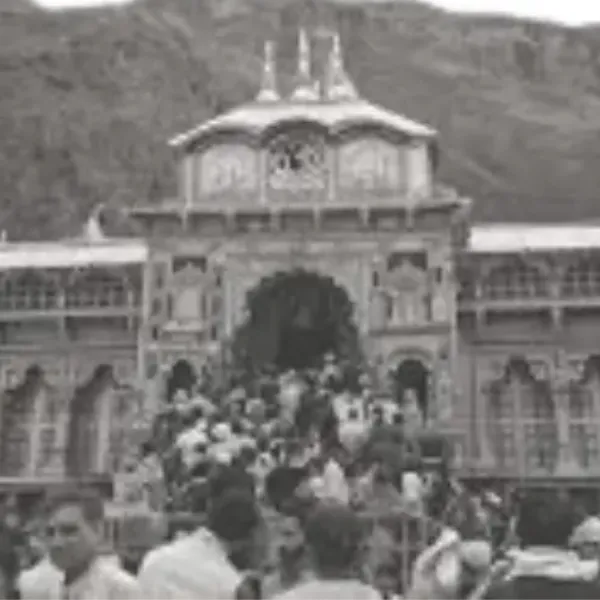
The origin of the Badrinath Temple is deeply rooted in Hindu mythology and divine legends of the Skanda Purana and the Vishnu Purana, where the site is described as the peerless shrine of the three worlds.
History behind Badrinath Temple origin—
- Mythological Origin: Believed to be the meditation place of Lord Vishnu in the Badri forest
- Idol Origin: Idol of Vishnu found in the Alaknanda River near Tapt Kund
- Name Meaning: “Badri” = wild berries, “Nath” = Lord → “Lord of the Berry Forest”
- Lakshmi’s Role: Goddess Lakshmi took the form of a Badri tree to protect Vishnu from harsh weather
- Early Worship: Linked to Vedic sages and rishis performing penance
What is the Badri tree in Badrinath?
Legend of Badri Tree: Ancient Hindu scriptures state that Lord Vishnu chose this place for deep meditation to benefit mankind. While Lord Vishnu meditated, his consort Goddess Lakshmi took the form of the Badri tree to protect him from harsh Himalayan weather.
Naming of the site: Moved by the devotion of Goddess Lakshmi, Lord Vishnu named this site “Badrikashram”, meaning the abode of Badri.
Source: Badrinath Temple Legend
Which God is Badrinath?
Lord Vishnu is here known as the Badrinath or Badrinarayan, later known as the sacred site of Vishal Badri, which sits on the River Alaknanda and is surrounded by snow-capped Himalayan peaks of Nar Narayan.
Mythological History Behind Badrinath Temple
The mythological history behind Badrinath Temple stems from ancient Vedic scriptures, such as the Mahabharata and Skanda Purana, and divine legends. Here are the key mythological legends.
Why is Badrinath known as Badrikshetra or Badrikashram?
According to lore, for the welfare of the world and mankind, Lord Vishnu performed intense penance in the freezing Himalayas for many years, and to protect him from the harsh climate, Goddess Lakshmi transformed herself into a Badri (berry) tree to provide shade for Lord Vishnu.
Being impressed by her devotion, Vishnu named this site “Badrikashram” or “Badri Kshetra”.
How did Vishnu come to Badrinath?
Legends say that originally, Badrinath was the home of Lord Shiva and Goddess Parvati. But Vishnu wished to meditate there in a serene environment, so he disguised himself as a crying child. Devi Parvati's motherly instinct led her to bring the child inside.
Lately, the child claimed the site as his own home, and after some time, Lord Vishnu revealed his true form and asked for the spot. Parvati’s compassion led them to leave the site, and Lord Shiva and Devi Parvati moved to the Kedarnath Temple.
How is the Mahabharata Connected to Badrinath?
According to the legends of the Mahabharata, the Pandava brothers and their wife Draupadi passed through the Badrinath region, mainly the area of Mana village, Vyas Gufa and Ganesh Gufa, and Bheem Pul (believed to have been built by Bheema), on their final journey to heaven, often called Swargrohini Yatra.
This legend is another add-on to the mythological significance of Badrinath. It is believed that only Yudhishthira and the dog with him reach the heaven and everyone else died along the journey.
Travel tips: If you are planning to visit Badrinath to know about legends and mythologies, you can also add places, such as Mana Village, Vasudhara Falls, and more to your itinerary, these sites are widely-known for their significance and ancient legends.
Historical Development Of Badrinath Temple
Ancient Worship Before The Temple Structure
Vedic era: In the Mahabharata, the place is mentioned as the site of meditation. As per the legend, the twin sages and incarnations of Lord Vishnu performed intense penance here for thousands of years to preserve Dharma. After being pleased with their devotion, Lord Vishnu chose this site as his eternal abode, which also led to the spiritual establishment of the shrine.
Buddhist Era: Historical accounts state that the site served as a Buddhist shrine or Monastery in the 6th-8th century, before the arrival of Adi Shankaracharya. The current architecture of the Badrinath Temple, featuring a brightly painted facade, resembles the architectural style of Buddhist Viharas.
What is The Role of Adi Shankaracharya? (8th–9th Century)
The re-establishment of this holy shrine by sage Adi Shankaracharya, who arrived in this region to revive Hinduism, occurred as the main turning point in Badrinath Temple history.
Retrieval of Idol: While the site is mentioned in many ancient texts, the physical temple structure is believed that the great sage and philospher Adi Shankaracharaya established the Vishal Badri Temple Shankaracharya. According to Hindu traditions, Shankaracharya discovered a black stone idol of Lord Badrinarayan in the Narad Kund of the Alaknanda River.
Southern Priests: He also developed the tradition of appointing Nammbudiri Brahmins, from Kerala, as the head priest (Rawals), making it a practice that continues to this day.
Establishment near Tapt Kund area: He reinstalled the idol in a cave near the Tapt Kund hot spring, one of the best places to visit near Badrinath and established the site as a major spiritual center.
Tips for travellers: It is believed that taking bath in this natural natural hot spring, Tapt Kund provides relief in joint pain or skin desease.
Later Development & Renovations
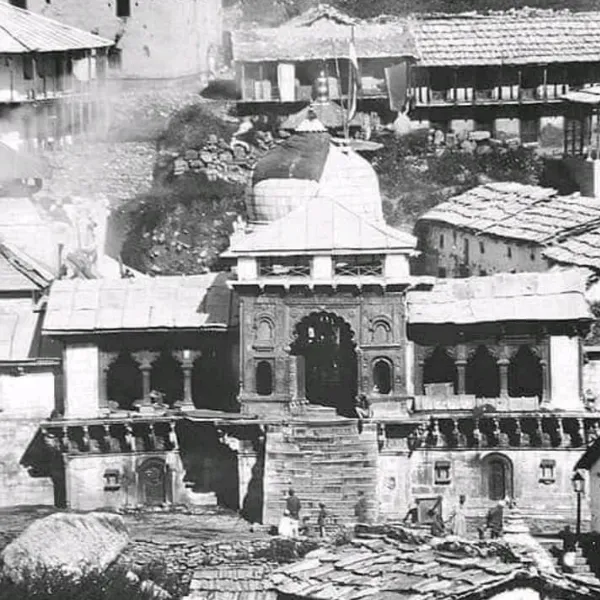
The present structure of the Badrinath Temple has undergone numerous extensions and repairs due to its age and frequent damage caused by natural disasters. Here are the major contributors:
Garhwal Kings: The Garhwal kings of the 16th-17th century moved the idol to its current location and significantly expanded the structure by adding decorative and functional halls.
Earthquake Restoration: In 1803, a devastating Himalayan earthquake damaged the shrine, which was rebuilt by the King of Jaipur.
Modern Era: During the colonial era, the area came under British administration, but the Tehri King retained his religious site. In 1939, the Badrinath-Kedarnath Temple committee was established for the management of the shrine.
Today, the temple stands as the primary site of the major Char Dham and Chota Char Dham pilgrimage circuits.
Architecture Style Of Badrinath Temple
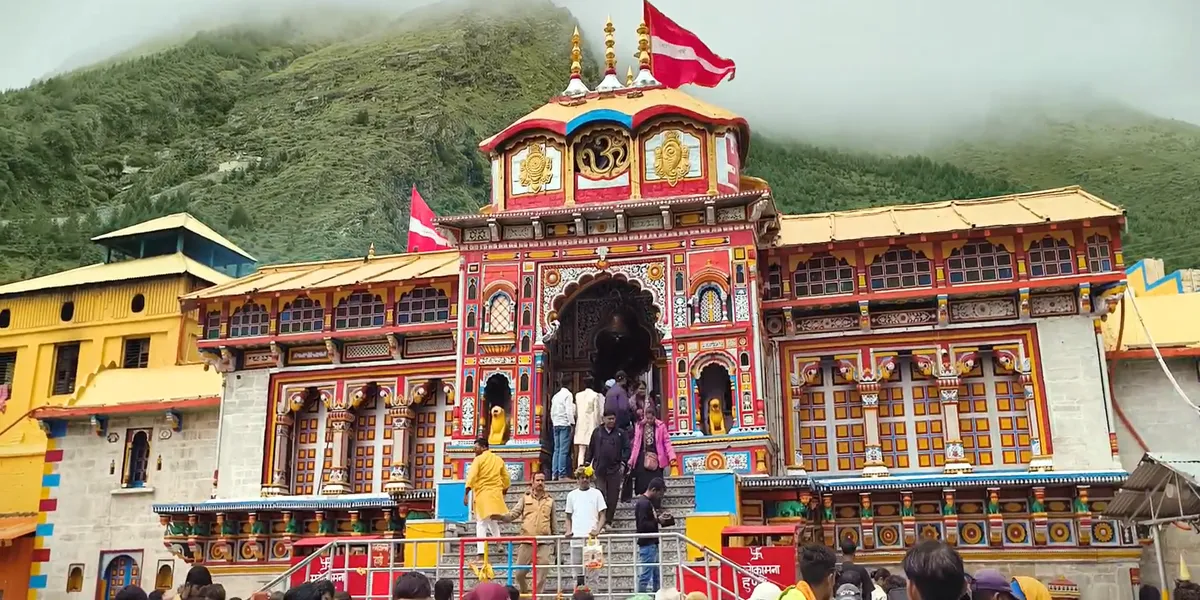
The Badrinath Temple is built in a traditional Nagara architecture, with some elements of local Himalayan architecture and a distinct facade that resembles a Buddhist Vihara.
The temple is constructed from large stone slabs and wood. The structure of the temple is approximately 50 feet tall, which is divided into three sections.
- Garbh Griha: The primary feature of the temple is the Garbhagriha, an inner sanctum that houses a one-meter-tall black stone idol of Lord Badrinarayan in a meditative posture. It features a conical spire with a gold-gilded roof.
- Sabha Mandap: A large pillared assembly hall, which is adorned with intricate carvings of deities and mythological scenes.
- Darshan Mandap: A worship hall where devotees gather to offer prayers and rituals.
The architectural features of a distinct facade style:
- Singhdwar: The main entrance gate, brightly painted in vibrant Red and Yellow colors, features arched windows.
- Buddhist Influence: The colorful exterior and multi-tiered roof resemble the Buddhist Vihara architecture of the 6th-8th century.
- Roof & Shikhara: The temple is primarily made with large stone slabs and heavy wood designed to withstand extreme Himalayan conditions.
Timeline Of Badrinath Temple History
Here is a timeline of Badrinath Temple history, which helps you to understand Badrinath history.
| Time Period | Event & Significance |
| Mythological age (Sat Yuga) | States with the legends of Lord Vishnu's Penance and Goddess Lakshmi's Devotion. |
| Vedic Era | Lord Badrinath is mentioned in ancient Vedic scriptures, like the Skanda Purana, the Vishnu Purana, and the Mahabharata. |
| Before 8th Century | In the 6th-8th century, the site is believed by some historians to have served as a Buddhist shrine during the early centuries. |
| 8th-9th century | An 8th-century philosopher, Adi Shankaracharya, re-established the shrine and developed traditions like the appointment of the Chief priest. |
| 16th-17th century | The kings of Garhwal relocated the deity and expanded the temple complex. |
| 1803 | A major earthquake in the Himalayas which damaged the temple. After that, reconstructed by the king of Jaipur. |
| 1939 | Establishment of the Badri-Kedar temple committee for the management of the holy shrine. |
| 19-20th century | Development of the route, Dharamshalas, and facilities to make the temple accessible for all. |
| Present structure (21st century) | Badrinath becomes one of the most revered sacred sites in Hinduism. The temple administration introduced modern reforms, attracting millions of devotees every year. |
Conclusion: The Timeless Legacy Of Badrinath Temple History
The history behind Badrinath Temple is not just a record of time; it’s a living story of deep faith, devotion, and Lord Vishnu's divine grace, attracting many devotees every year. Due to extreme Himalayan conditions, the temple is open just for six months, from April to October.
From the mythological period of Lord Vishnu meditation to the Adi Shankaracharya revival, every chapter of Badrinath Temple history stands as a strong symbol of eternal belief and spiritual resilience. Today, the Badrinath Temple is renowned as the site of devotion, peace, and salvation.
Faqs of Badrinath Temple History
1. Who built the Badrinath Temple?
The Badrinath Temple was built by the great philosopher Adi Shankaracharya, who discovered the idol of Lord Badrinarayan in the Alaknanda River and established it in a cave near the Tapt Kund area, making it a significant pilgrimage site.
2. How many years old is the Badrinath Temple?
The Badrinath Temple is believed to be over 1000 years old, dating back to ancient mythological roots. Some accounts stated that the shrine is older than Kedarnath, almost 1200-1300 years old. While the site is old, the present structure reflects reconstructions of the present temple.
3. Why is the Badrinath Temple famous?
Badrinath is primarily famous as a major Hindu pilgrimage site, located in the Garhwal Himalayas. It is renowned for its nearby attractions, including hot springs (Tapt Kund and Narad Kund), colorful bazaars, and surrounding Himalayan scenery, providing views of snow-capped Himalayan peaks and river valleys.
4. What is the architecture of Badrinath Temple?
The architecture of the Badrinath Temple is a blend of traditional Nagara style and local Himalayan architecture, with a reassemblance of Buddhists Vihara, featuring the colorful entrance gate, colonnaded facade, a pillar mandap, and an inner sanctum, which houses a tall black stone idol of Lord Badrinarayan.
5. Why did Shiva leave Badrinath?
According to Hindu mythology, Badrinath was the original abode of Lord Shiva and Goddess Parvati, but Lord Vishnu wanted to use the site for his meditation, so he disguised himself as a crying baby to take over the place. Parvati’s motherly instinct led the child inside the home. Lately, Lord Vishnu revealed the truth and insisted that Goddess Parvati find a new home; this event forced Lord Shiva and Goddess Parvati to leave Badrinath and shift to Kedarnath.
6. What is the story of Tapt Kund in Badrinath?
Tapt Kund, a natural hot spring near the temple, is considered the abode of Lord Agni and is believed to have therapeutic properties in its water. Pilgrims take a holy dip in its water to wash away their sins. Some legends stated that when Lord Vishnu meditated in this region, a drop of his sweat fell and mixed with the Alaknanda River, marking its origin.
7. Is Badrinath Temple Shiva or Vishnu?
While the Badrinath Temple is dedicated to Lord Vishnu, he is worshipped here in a meditative posture. Some legends say that Badrinath is the real home of Lord Shiva, but Vishnu took over the place for his meditation, and Lord Shiva moved to Kedarnath, which is dedicated to Lord Shiva.



.webp?v=245b8d967251c959c4791e56a6d43cb2)