🌡️ Temperature: ${current.temp_c}°C (Feels like: ${current.feelslike_c}°C)
🌤️ Condition: ${current.condition.text}
💨 Wind: ${current.wind_kph} km/h from ${current.wind_dir}
${hour.time.split(' ')[1]}
${hour.temp_c}°C
${hour.condition.text}
${day.date}
🌡️ Max: ${day.day.maxtemp_c}°C
🌡️ Min: ${day.day.mintemp_c}°C
${day.day.condition.text}
Badrinath Temple is located in Badrinath town(Chamoli district) of Uttarakhand, India, at an altitude of 10,279 feet (3,313 meters), on the bank of the Alaknanda River. The temple of Badrinath is dedicated to Lord Vishnu. It is part of the Sapt Badri, Kedarnath and Badrinath temple circuit and 4 Dham Yatra circuit of Uttarakhand. . Char Dham yatra circuit includes Yamunotri dham, Gangotri dham, Kedarnath dham, and Badrinath temple located in Uttarakhand.
Badrinath temple holds huge mythological significance; it is believed that the Lord Vishnu meditated here for many years, and Maa Laxmi took the form of a wild berry tree (Badri) to protect him, so the place got its name as Badrinath.
Adi Shankaracharya revived this temple in the 8th century and that place became a major pilgrimage site for Hindus. Today, Thousands of devotees visit the Badrinath temple every year to seek the blessings of lord Vishnu and other dieties in this temple. In addtion to being a pilgrimage site, it is also a natural wonderland, located in the lap of Himalaya, surrounded by snow capped mountain, which also makes the Badrinath climatic condition unpredictable and some time even unbearable for humans to exist. So if you are planning to visit to Badrinath temple in near future, you should be aware of it's climatic condition and weather forecast for safe and sound journey.
Today in Badrinath, the weather is ${current.condition.text} with a temperature of ${current.temp_c}°C. Winds are moving at ${current.wind_kph} km/h from the ${current.wind_dir}. The current temperature in Badrinath is comfortable for most travelers visiting the sacred Badrinath temple in ${new Date().getFullYear()}. However, as evening sets in, temperatures can drop significantly, demanding warm layers and preparation.
Badrinath weather in ${new Date().getFullYear()} is typical of the high-altitude Himalayan climate—cool during the day and often freezing at night. While today’s weather in Badrinath shows stable conditions, the overall climate here remains subject to sudden shifts, especially during the monsoon and post-monsoon periods. The fresh mountain air and scenic surroundings add to the spiritual experience of those on a Char Dham Yatra.
During the day, Badrinath temperature remains suitable for darshan and short hikes, but as the sun sets, the cold intensifies. According to the latest Badrinath weather forecast, the next two days will bring temperatures ranging from ${next2Days[0].day.mintemp_c}°C to ${next2Days[0].day.maxtemp_c}°C, with a rainfall chance of ${next2Days[0].day.daily_chance_of_rain}%. Pilgrims are encouraged to pack rainproof and warm clothing, especially if they plan to stay overnight in the region.
It is important to understand that Badrinath weather today may not be a perfect indicator of tomorrow’s conditions. Weather patterns in this region shift quickly, and occasional rainfall or snowfall can occur without much warning. For those planning their journey, Badrinath weather forecast updates are essential to ensure safety and comfort during the visit.
In conclusion, whether you're exploring Badrinath temperature today, preparing for a yatra to the temple, or simply tracking the evolving Badrinath weather in ${new Date().getFullYear()}, staying updated is vital. The Badrinath climate brings both serenity and unpredictability—hallmarks of the divine Himalayas. Check the live forecast regularly and travel prepared for a truly spiritual and weather-aware experience.
Due to extreme weather and unpredictble climatic condition this temple remains open just for six months in a year. It opens generally in the month of late April or early May and get closed in the month of late October or early November. After closing of the temple the idol of this temple get shifted to the Joshimath's Narshimha temple which serves as the winter seat of Badrinath dham.
Although these six months are still not idle for devotees to visit as this region observes heavy rainfall during the month of July and August which creates a problem of road blockage, land slide, stone shooting and many more. It's very important to be aware of the weather forecast of this region before starting your journey to this region. Here are some of the best time to visit to Badrinath temple
May-June (Summer Season): Summer is the most favourable season to visit to Badrinath temple as the temperature of this region during this time will be moderate and region will experience minimum rainfall. Most of the devotees prefer to visit to this region in May and June. But as you known that you are travelling in mountain and weather in Himalayas are really unpredictable, so you need to check the prediction of weather on daily basis before planning your trip to this region.
Sep-Oct (post-monsoon season): This time is opening after the monsoon closure. At this time, the weather is stable, and it is surrounded by beautiful sights. If you are willing to experience the fresh snow fall with minimum cloud then this region is a perfect place to visit. At this time, Badrinath provide the perfect mix of adventure and pilgrimage at the same place. This time is also perfect for all those who are looking for a budget friendly trip as the croud during this time is less and you may get the budget packages for this region. But obviously as I said earlier, no time is perfect time to travel in mountains, you need to be very cautious and keep checking weather updates of Barinath before going for the trip to this region.
The Actual time for the opening of the temple is decided by the committee of the temple. The decision to visit to temple depends on the individuals or their preferences. It suggests that you should avoid visiting Badrinath in monsoon months (July-Aug) because at this time you can experience heavy rains, floods and thunderstorms. During the winter season (Nov-Apr), the temple is closed due to heavy snowfall.
Badrinath is one of the most beautiful place to explore, although it's geographically challenging but if you visit here with proper reserch and specially about weather and road condition then it's nothing less than a heaven. Some of the most beautiful locations near Badrinath town are: The Badrinath temple, Tapt kund, Charanpaduka, Vasudhara falls, Neelkanth mountains, and more to explore. Let’s know more about these places.
The Badrinath Temple and Charanpaduka: The major attraction of the Badrinath is the temple itself, which is dedicated to lord vishnu. Charanpaduka is the sacred rock of the footprints of lord vishnu. It is considered a visit site for pilgrims.
Tapta Kund: Tapta Kund is a hot spring near Badrinath. It is considered the most sacred site for Hindu pilgrims. This kund holds medicinal properties; it is believed that taking a bath in this kund is good for spiritual purification. The water of Tapta Kund is hot because it is believed that it is the home of Lord Agni.
Mana Village: This village is considered the last village of India, from the Indian-Tibetan border. This village is a gateway to many trekking sites like the Vasundhara Falls Trek and the Satopanth Lake Trek. This place is a popular trekking destination for travellers, which offers to explore the Natural beauty, the local region, and the culture. There are some places to visit in Mana village, including Vyas cave, Bheem Pul, Mata Saraswati Mandir, the origin point of the Saraswati River, and more.
Vasundra Falls: The Vasundra Falls is a 400-foot waterfall near Badrinath; it's about 9 km from Badrinath and a popular site for trekking with its stunning beauty. Mana village is the base camp of the Vasundra Falls trek. This site offers you beautiful views of the Himalayas and snow-covered peaks. The trek is accessible by road to Mana village, and from Mala village to Vasundra fall, you can go by trekking.
Valley of Flowers: The Valley of Flowers trek is located in the Chamoli district of Uttarakhand. It is an Indian national park, known for its unique flora and fauna, and is also a World Heritage Site by UNESCO. It is also known as “Phoolon ki Ghati”. This valley is home to 500 species of flowering plants, including endangered flowers like Brahma kamal and blue poppies. The major highlights of this valley are Rich biodiversity with diverse wildlife and Breathtaking views of the Himalayas. In addition to this, you can also visit the world's highest gurudwara, i.e. Hemkund sahib, which is dedicated to 10 sikh guru, Guru Gobind Singh Ji.
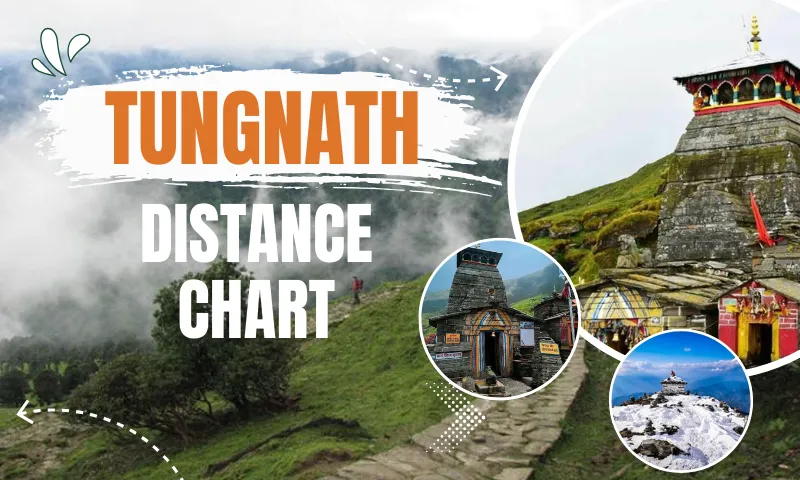
Chopta and Tungnath Temple: Chopta is one of the most famous hill stations, also known as the “Mini Switzerland of India”, and Tungnath is the highest Shiva temple on earth where the forelimbs of lord shiva is being worshipped as a Shivlinga. The Chopta Tungnath trek offers you the chance to explore breathtaking views of Himalayan peaks like Nanda Devi and the Chandrashila, and the chance to experience snowfall activities and Photography. Tungnath Temple is one of the Panch Kedar temples, which is dedicated to lord shiva. The temple is located in the Rudraprayag district of Uttarakhand, at an altitude of 12,730 feet (3,680 meters); it is considered one of the highest temples of lord shiva in the world. This temple holds great mythological significance and is connected with the Mahabharata; it is believed that this temple was built by the Pandavas. This temple offers you breathtaking views of the Garhwal Himalaya.